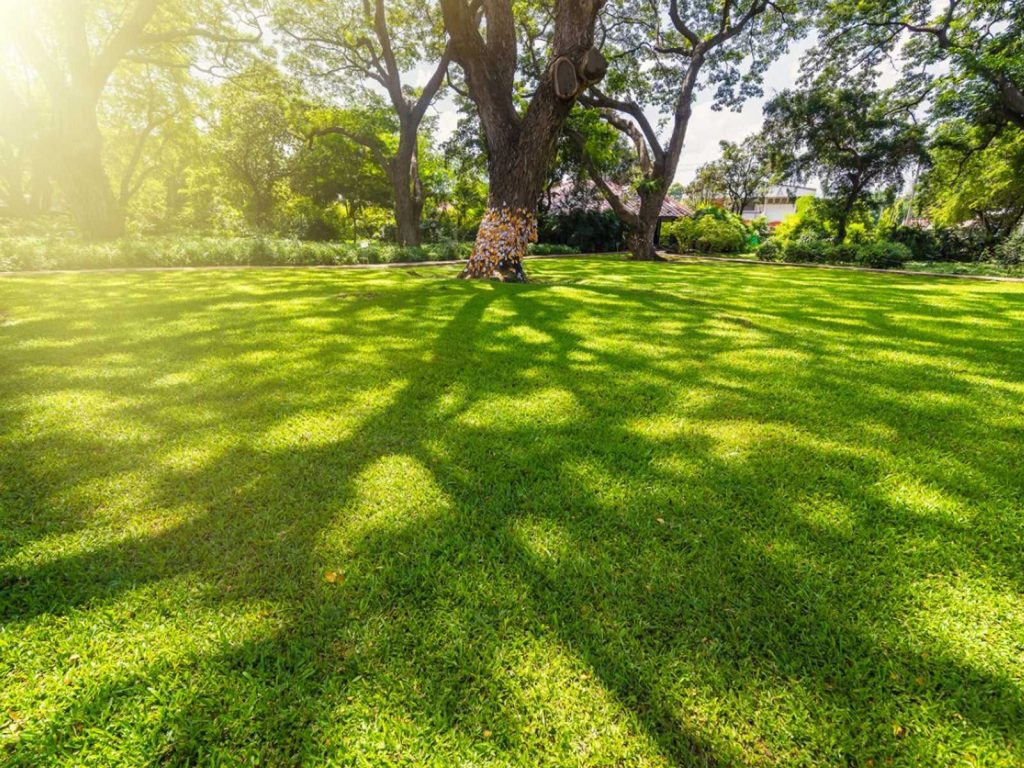
Yes, ryegrass can grow in shaded areas, but it may not thrive as vividly as in full sun. While it tolerates some shade, its growth and lushness are best maintained with adequate sunlight. If you’re wondering whether ryegrass is suitable for shaded lawns, it’s possible but with some caveats.
Ryegrass can adapt to shaded spots, but it prefers more sun for optimal growth. It’s a good choice for partially shaded lawns, yet it may struggle in deep shade or dense tree cover. To ensure a healthy and green ryegrass lawn, understanding its light requirements and managing your landscape accordingly is key.
If your yard has shaded patches, you might wonder whether ryegrass is a good option. The truth is, it can grow there, but its success depends on how much light reaches the area. Ryegrass flourishes in bright, sunny conditions, but with some strategic care, it can still establish itself in spots with moderate shade. Proper lawn maintenance, including selecting the right ryegrass variety and trimming back shade-casting trees, can help you achieve a vibrant, healthy lawn even in less-than-ideal lighting conditions.

Does Ryegrass Grow in Shade?
Understanding Ryegrass and Its Growing Needs
Ryegrass is a popular grass type for lawns because it grows quickly and stays green most of the year. It is known for its fine texture and rich color, making it a top choice for many homeowners. However, ryegrass is a **cool-season grass** that primarily prefers full sunlight to thrive optimally.
Can Ryegrass Grow in Shaded Areas?
Many people wonder if ryegrass can grow well in shaded spots. The simple answer is that **ryegrass generally prefers full sun** and does not flourish in dense shade. While it may survive in partial shade, its growth will often be uneven, and the grass may become thin or patchy.
How Much Sunlight Does Ryegrass Need?
Ryegrass needs at least **4 to 6 hours of direct sunlight daily** to grow healthy and strong. If shaded areas receive less than this, the grass may struggle to produce energy through photosynthesis, which affects its overall health.
What Happens When Ryegrass is Planted in Shade?
In shaded zones, ryegrass often becomes:
- Less dense and more prone to weeds
- More susceptible to disease
- Thinner and less vibrant in color
These issues reduce the aesthetic appeal of your lawn and may require more maintenance.
Factors Affecting Ryegrass Growth in Shade
Several factors influence whether ryegrass will grow successfully in shaded areas:
Type of Shade
The amount of shade matters. Light shade—such as areas shaded by trees for part of the day—may be tolerable. Heavy or persistent shade—like under a thick tree canopy—can prevent ryegrass from growing effectively.
Soil Conditions
Shade often causes soil to stay damp and compacted, which can hinder ryegrass roots. Proper soil aeration and drainage can help, but they may not fully compensate for the lack of sunlight.
Temperature and Climate
Ryegrass prefers cooler temperatures but still needs sunlight to grow. In hot climates, shaded areas might remain too damp, leading to fungal problems, further weakening the grass.
Alternative Grass Options for Shaded Lawns
If your yard is heavily shaded, consider grasses that tolerate low light better. These include:
| Grass Type | Light Tolerance | Additional Notes |
|---|---|---|
| Fine Fescue | High | Ideal for shady areas, drought-resistant |
| St. Augustine | Moderate to High | Common in warm climates, tolerates some shade |
| Zoysia | Moderate | Slow-growing, drought-tolerant |
| Bermuda Grass | High | Prefers full sun, needs excellent drainage |
Choosing the right grass is essential for creating a lush, green lawn even in low-light zones.
Managing Shade for Better Ryegrass Growth
If you prefer ryegrass but have shaded areas, some management strategies can help improve growth:
Pruning Overhanging Trees
Trimming branches allows more sunlight to reach the grass, encouraging healthier growth. Regular pruning reduces the shade density and helps the grass photosynthesize more efficiently.
Adjusting Lawn Care Practices
Proper watering, fertilizing, and aeration can compensate somewhat for reduced sunlight. Use a balanced fertilizer to promote root growth and a schedule that avoids overwatering, which can lead to fungal issues in shaded regions.
Creating Light-Reflecting Surfaces
Laying down reflective materials or choosing lighter-colored mulch can bounce additional light into shaded areas, aiding the grass’s photosynthesis process.
Summary of Key Points
– Ryegrass prefers full sun and grows best with at least 4 to 6 hours of direct sunlight.
– It can survive in partial shade but tends to become patchy and less vibrant.
– Heavy shade can severely limit growth and lead to more weed invasion.
– Soil health and proper lawn management can help, but they cannot fully overcome the limitations of shade.
– For heavily shaded areas, alternative grasses like fine fescue are better suited.
– Pruning trees and adjusting lawn care practices can improve ryegrass growth in partial shade zones.
Final Thoughts on Growing Ryegrass in Shade
While ryegrass offers many benefits for sunny lawns, its growth in shaded areas is limited. Understanding the amount of shade your yard receives and selecting suitable grass types will help you maintain a healthy, green lawn. Proper lawn management and strategic pruning can enhance the growth of ryegrass when partial shade is unavoidable. Always consider your local climate and soil conditions when planning for a lush, shade-tolerant outdoor space.
BEST Grass Seed for GREAT RESULTS in SHADE 🌳 & The ONE You Should AVOID!
Frequently Asked Questions
Can ryegrass survive in areas with limited sunlight?
Ryegrass can tolerate partial shade, but it performs best when it receives at least four to six hours of direct sunlight daily. In areas with limited sunlight, it may grow thinner and be more prone to weeds. Protecting ryegrass from excessive shade helps maintain a healthy, lush lawn.
What shade conditions are suitable for growing ryegrass effectively?
Ryegrass grows best in locations that receive morning sun and afternoon shade or areas with dappled sunlight. Consistent, deep shade—such as beneath dense trees—can hinder its growth. For optimal results, choose planting spots where the grass gets some direct sunlight each day.
Are there specific ryegrass varieties better suited for shaded lawns?
Yes, some perennial ryegrass varieties display better shade tolerance than others. Look for cultivars bred specifically for low-light conditions, as they can establish more effectively in shaded environments. Consulting with local lawn care experts can help identify the best options for your area.
How can I improve ryegrass growth in shaded parts of my yard?
To support ryegrass in shaded areas, ensure the soil is well-drained and enriched with organic matter. Regular watering, especially during dry periods, helps maintain healthy growth. Trimming overhanging branches can also increase sunlight exposure, aiding the grass’s development.
Does excessive shade lead to the failure of ryegrass lawns?
In areas with persistent or deep shade, ryegrass may struggle to grow evenly and stay healthy. Over time, the grass might thin out or become overtaken by weeds. If shade remains significant, consider alternative ground covers better suited to low-light conditions or prune surrounding trees to improve sunlight penetration.
Final Thoughts
Ryegrass is a versatile grass, but it prefers full sun for optimal growth. In shaded areas, its growth may slow down, and the grass may become thin or patchy.
While some ryegrass varieties tolerate partial shade, complete shade can significantly limit its development. Gardeners should consider alternative grasses suited to low light conditions if shade persists.
Does ryegrass grow in shade? It generally struggles in heavily shaded spots, so plan for sunnier areas or choose shade-tolerant grasses for those spots.