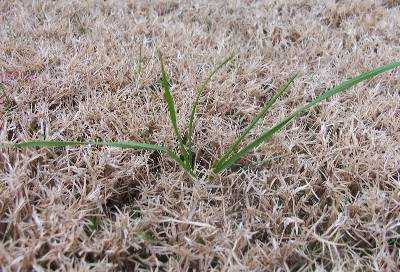
Yes, ryegrass can struggle or even die during the hot summer months, especially if it isn’t properly cared for or irrigated. Its survival largely depends on the climate, watering practices, and whether it’s a perennial or annual variety. With the right care, it can withstand summer heat better, but in extreme conditions, ryegrass may turn brown, go dormant, or die off completely.
Ryegrass generally doesn’t thrive in scorching summer heat, and many types tend to go dormant or die if not adequately maintained. Proper watering, shade, and selecting the right variety are essential to help it survive through the hotter months.
Ryegrass is a popular choice for lawns and pastures because of its lush green appearance and quick growth, but it’s a cool-season grass that prefers milder temperatures. During summer, especially in regions with intense heat, ryegrass often faces stress from high temperatures and drought, which can cause it to turn brown or die back entirely. However, with some care—including adequate watering, minimal foot traffic, and shade—it’s sometimes possible to keep it alive. Understanding the type of ryegrass you have and how it responds to summer conditions can make all the difference in maintaining a healthy lawn or pasture year-round.

Does Ryegrass Die in the Summer?
Understanding Ryegrass and Its Growing Conditions
Ryegrass is a popular type of grass used for lawns, sports fields, and pastures. It’s known for its quick growth and vibrant green color. This grass type thrives in cooler weather but can face challenges during hot summer months.
Ryegrass prefers temperatures between 50°F and 70°F. When summer temperatures climb above 85°F, ryegrass can experience stress. This stress may cause it to turn brown or thin out, leading many to wonder if it truly dies during the hot season.
How Ryegrass Responds to Summer Heat
During the summer, especially in regions with high temperatures and intense sunlight, ryegrass often struggles to stay healthy. It may go into a period called **dormancy**, where it appears to die but actually becomes dormant to conserve energy.
Dormancy is a survival mechanism for ryegrass. When the weather becomes too harsh, the grass temporarily stops growing and turns brown. Once cooler weather returns, it often recovers and greens up again.
Does Ryegrass Fully Die in the Summer?
In most cases, ryegrass does not completely die during the summer. Instead, it enters a dormant state. However, if exposed to extreme heat and drought conditions without enough water, parts of the grass may die.
Prolonged drought or high temperatures combined with poor soil quality can cause permanent damage. But with proper care, most ryegrass patches bounce back once the temperature drops.
Factors That Affect Ryegrass Survival in Summer
Several factors influence whether ryegrass survives or dies during summer months. These include:
- Soil Moisture: Adequate watering keeps ryegrass healthy. Dry soil stresses the grass and increases mortality risk.
- Temperature: The hotter the temperature, especially above 90°F, the more likely ryegrass will struggle or go dormant.
- Shade: Growing ryegrass in shaded areas helps protect it from direct sunlight and heat stress.
- Type of Ryegrass: Perennial ryegrass is more heat-sensitive, while annual ryegrass may survive better but only for a season.
How to Protect Ryegrass During Summer
To prevent ryegrass from dying in the heat, certain practices are helpful:
- Regular Watering: Deep, consistent watering keeps roots moist and supports healthy growth.
- Mulching: Applying mulch around the grass reduces soil temperature and retains moisture.
- Shade and Shelter: Planting shade trees or installing structures can shield ryegrass from direct sunlight.
- Proper Mowing: Keeping the grass at a higher mowing height prevents stress and promotes shade at the soil surface.
Taking these steps helps ryegrass withstand summer heat and reduces the risk of death.
Strategies for Rejuvenating Ryegrass After Summer
If your ryegrass has become brown or thin after summer, don’t worry. Several methods can help it recover:
- Reseeding: Over-seed with fresh ryegrass seed in early fall for quick recovery.
- Fertilization: Use a balanced fertilizer to promote healthy new growth.
- Water Management: Continue regular watering even as temperatures decrease to support regrowth.
- Soil Aeration: Loosening compacted soil improves water absorption and root growth.
With patience and proper care, your ryegrass can come back strong in the cooler seasons.
Alternative Lawn Options for Hot Climates
If your region experiences extreme summer heat regularly, you might consider replacing ryegrass with more heat-tolerant grasses. Some good options include:
- Bermudagrass: Very tolerant to heat and drought, ideal for southern climates.
- Zoysia: Can handle high temperatures and requires less water.
- Buffalo Grass: Native to North America and highly drought-resistant.
- Centipede Grass: Tolerates heat and low-maintenance requirements.
Switching to these grasses can reduce the worry about summer die-off and ensure a lush lawn year-round.
Summary of Key Points
To summarize, ryegrass does not usually die in summer but tends to go dormant in response to heat and drought. Proper irrigation, shade, and lawn management are essential to help ryegrass survive and recover. In extremely hot and dry conditions, replacement with more heat-tolerant grasses might be a better long-term solution. With careful attention, your ryegrass lawn can stay healthy, vibrant, and green throughout most of the year.
Can Perennial Ryegrass Handle The HEAT?
Frequently Asked Questions
How does high summer temperature affect ryegrass health?
High summer temperatures can cause ryegrass to struggle, leading to stress and potential death if not properly maintained. The grass may turn brown or become dormant to conserve water, especially during prolonged heatwaves. Adequate watering and shade can help mitigate these effects and keep the grass healthy.
Can proper watering prevent ryegrass from dying in summer?
Consistent and deep watering helps ryegrass withstand the summer heat by maintaining moisture in the soil. It prevents the grass from becoming drought-stressed, which is a common cause of death during hot periods. However, overwatering can lead to other problems like fungal diseases, so balance is key.
Does ryegrass naturally enter dormancy during summer?
Yes, ryegrass tends to go into dormancy when temperatures rise significantly in summer. During dormancy, the grass appears brown and dormant but can recover when cooler weather returns and proper care resumes. This natural response helps the grass conserve resources during unfavorable conditions.
Are there specific grass varieties more resistant to summer heat?
Some ryegrass varieties have better heat tolerance than others. For instance, perennial ryegrass with established deep root systems can withstand higher temperatures longer. Selecting varieties suited for warmer climates and providing proper summer care can reduce the risk of dieback.
What maintenance practices help ryegrass survive summer months?
Implementing practices such as mowing at the correct height, ensuring proper watering, providing shade where possible, and avoiding excessive fertilization can help ryegrass survive summer. These steps support the grass’s resilience during the hottest months and promote quicker recovery once cooler weather arrives.
Final Thoughts
Ryegrass tends to struggle during hot summer months due to its preference for cooler temperatures. It often shows signs of stress or dormancy when temperatures rise significantly. Proper watering and shade can help extend its life, but it may not survive the entire summer.
Many gardeners wonder if ryegrass dies in the summer. It generally does, especially without proper care. This seasonal dieback is natural, but with proper maintenance, you can encourage its comeback in cooler months.