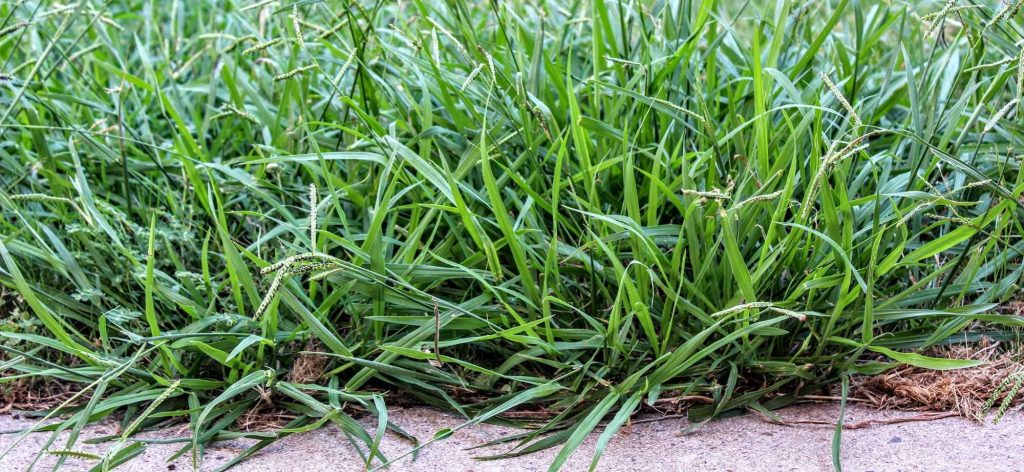
Yes, thick grass can significantly help prevent crabgrass from taking over your lawn. A lush, dense lawn leaves little room for crabgrass to establish itself, naturally crowding out weed seeds. To keep crabgrass at bay, maintaining healthy, thick grass is one of the most effective strategies.
A well-maintained, dense lawn acts as a natural barrier against crabgrass and other weeds by outcompeting them for nutrients, sunlight, and space. Regular watering, proper fertilization, and mowing at the right height encourage your grass to grow thick and vigorous, making it harder for crabgrass to invade. So, if you want a weed-free yard, focus on cultivating a lush lawn—it’s your best defense!

Can thick grass prevent crabgrass from growing?
Many homeowners wonder if having thick grass can stop crabgrass from taking over their lawns. The idea is that a lush, dense lawn might act as a natural barrier against unwanted weeds. Let’s explore how grass density impacts crabgrass growth and what else you can do to keep your yard healthy.
Understanding Crabgrass and Its Growth Habits
Crabgrass is a fast-growing weed that thrives in warm weather. It usually appears during late spring and summer, quickly spreading across bare or thin patches of soil. This weed has shallow roots and spreads mainly through seed production.
Crabgrass prefers open, sunny areas with little competition from existing plants. When it finds a gap in the grass or bare soil, it quickly germinates and establishes itself.
How Thick Grass Acts as a Natural Barrier
Competition for Resources
Thick grass can make it harder for crabgrass seeds to find space and nutrients to grow. When the lawn is dense, the roots of regular grass compete strongly against crabgrass for water, light, and nutrients.
This competition often prevents crabgrass seeds from establishing a foothold, reducing the weed’s chances of growing in the lawn.
Physical Barrier Against Seed Germination
A dense lawn also physically covers the soil surface, making it difficult for crabgrass seeds to reach the soil and germinate. When the soil is shaded and covered, fewer weed seeds can successfully sprout.
However, this barrier is most effective when the grass is thick and healthy right from the start of the growing season.
Factors That Affect the Effectiveness of Thick Grass in Preventing Crabgrass
Grass Type and Growth Habit
Some grasses naturally grow thicker and denser than others. For example, Kentucky bluegrass and fescue tend to form thick mats, while bermudagrass can fill in gaps quickly.
The choice of grass affects how well it can prevent weeds like crabgrass from taking hold.
Timing of Lawn Maintenance
Starting with a thick, healthy lawn early in the season is crucial. If the grass is thin or patchy when crabgrass seeds arrive, weeds are more likely to grow.
Regular mowing, watering, and fertilizing help maintain a dense, competitive turf that can suppress crabgrass growth.
Practical Steps to Promote Thick, Healthy Grass
Proper Mowing Techniques
- Cut your grass at the recommended height for your grass type.
- Avoid cutting more than one-third of the grass height at a time.
- Keep blades sharp for clean cuts that promote healthy growth.
Appropriate Watering Schedule
- Water deeply and infrequently to encourage strong root growth.
- Make sure your lawn gets about 1 to 1.5 inches of water per week.
- Avoid overwatering, which can create soggy soil conditions favorable for weeds.
Fertilization and Soil Health
- Apply a soil test to determine nutrient deficiencies.
- Use a balanced fertilizer to promote dense growth.
- Consider aerating the lawn to improve soil aeration and nutrient absorption.
Seasonal Lawn Care for Weed Prevention
Pre-Emergent Herbicides
Applying pre-emergent herbicides before crabgrass seeds germinate is a common strategy. These products create a chemical barrier in the soil that prevents seed sprouting.
Timing is critical; apply pre-emergents in early spring, ideally when soil temperatures reach about 55°F to 60°F.
Overseeding Bare or Thin Areas
Seeding your lawn helps fill in gaps, making it more difficult for crabgrass to establish itself. Use appropriate grass seed for your region and soil conditions.
Consistent overseeding encourages a thick, uniform turf that resists weed invasion.
Limitations of Relying Solely on Thick Grass
Crabgrass Tolerance to Dense Turf
While a dense lawn can suppress crabgrass, it doesn’t guarantee complete control. Crabgrass seeds are resilient and can sometimes find ways to sprout despite thick grass coverage.
Weed control often requires integrated management, combining thick lawns with other methods like herbicides and proper maintenance.
Environmental Conditions and Scheduling
Extreme heat, drought, or poor soil conditions can weaken your grass, creating openings for crabgrass to grow.
It’s important to adapt your lawn care routine based on seasonal changes and weather patterns to maintain a healthy, dense turf.
Other Weed Control Strategies to Combine with Thick Grass
Manual Removal and Maintenance
- Regularly inspect your lawn for small patches of crabgrass.
- Pull out weeds by hand before they seed and spread further.
- Keep your lawn clear of debris or thatch that can harbor weeds.
Targeted Herbicide Use
If weed pressure is high, selective post-emergent herbicides may be necessary to eliminate existing crabgrass patches. Always follow label instructions carefully.
Soil Health and pH Balance
Maintaining proper soil pH—usually between 6.0 and 7.0—encourages healthy grass growth and can reduce weed susceptibility. Adjust soil pH as needed based on soil test results.
The Role of Mulch and Ground Cover
In garden beds and borders, organic mulch can reduce weed germination. While mulch is less common in lawns, using ground cover plants around the edges can lessen crabgrass spread.
Wrapping Up: Is Thick Grass Enough?
Yes, having thick, healthy grass is a strong first step in preventing crabgrass. It creates competition, shades the soil, and physically blocks seed germination.
However, for best results, combine this approach with proper lawn care, timely herbicide applications, and overseeding. Consistent maintenance is key to keeping your lawn free of crabgrass and other unwanted weeds.
By understanding how grass density influences weed growth and following best practices, you can enjoy a lush, crabgrass-resistant lawn all season long.
How to Kill Crabgrass Without Affecting Your Lawn Fast & Easy
Frequently Asked Questions
Does mowing the lawn frequently help prevent crabgrass?
Yes, regular mowing can reduce crabgrass growth by preventing it from producing seeds. When you mow your lawn at the appropriate height, it promotes thick, healthy grass that shades the soil, making it harder for crabgrass to establish and spread.
Can overseeding a thick grass lawn inhibit crabgrass invasion?
Overseeding fills in bare spots and thickens your lawn, creating dense foliage that leaves little room for crabgrass to grow. A vigorous turf crowds out potential crabgrass seedlings by competing for nutrients, water, and sunlight.
What role does watering play in preventing crabgrass in a dense lawn?
Consistent and proper watering encourages strong grass growth, which helps it outcompete crabgrass. Deep watering promotes healthy roots and prevents the soil from becoming overly dry or compacted, conditions that favor crabgrass establishment.
Is fertilizing the lawn beneficial for resisting crabgrass?
Applying the right fertilizer at the correct times aids in maintaining a healthy, thick lawn. Well-nourished grass grows vigorously, making it more difficult for crabgrass to take hold and spread across the turf.
How does soil quality influence the effectiveness of a thick grass lawn against crabgrass?
Healthy, well-drained soil provides ideal conditions for strong grass development. Soil that retains moisture and nutrients supports dense turf growth, which acts as a natural barrier against crabgrass and other weeds.
Final Thoughts
Thick grass creates a dense canopy that shades the soil, making it difficult for crabgrass seeds to establish. Proper lawn care and regular maintenance improve grass density and health.
Consistent watering and fertilizing encourage thicker growth, reducing spaces where weeds can thrive.
Can thick grass prevent crabgrass from growing? Yes, a lush, healthy lawn acts as a natural barrier against crabgrass invasion.