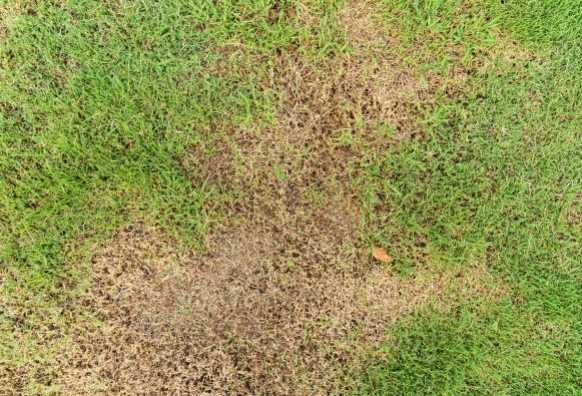
Yes, brown patch can significantly affect Bermuda grass, turning lush, green turf into unsightly, dead patches if left untreated. This fungal disease thrives in warm, humid conditions and can spread rapidly, causing extensive damage. Proper identification and timely treatment are vital to saving your Bermuda lawn from this pesky problem.
In short, brown patch disease does impact Bermuda grass by causing circular patches of dead or browning grass. However, with the right cultural practices and fungicide applications, you can control and prevent its spread, keeping your yard healthy and vibrant.
If you’re a homeowner proud of your Bermuda grass lawn, learning about brown patch is essential. This common fungal issue can turn an otherwise beautiful yard into a patchy, unhealthy appearance. Brown patch is caused by a fungus that loves warm, humid weather, making summer especially tricky for Bermuda grass enthusiasts. The disease presents as irregular brown or dead circles that can expand and merge, depriving your grass of its lush green color and vitality. But don’t worry—early detection and proper care can help keep your lawn safe. By understanding what causes brown patch and how to treat it, you can maintain a healthy, resilient Bermuda turf that stays green and inviting all season long.

Does brown patch affect Bermuda grass?
Understanding Brown Patch Disease
Brown patch is a common fungal disease that affects many types of turfgrass, including Bermuda grass. It appears as irregular brown or tan patches that can grow quite large if left untreated. The disease thrives in warm, humid weather, especially when the grass is overwatered or poorly drained.
The fungus responsible for brown patch is named Rhizoctonia solani. This pathogen infects the turf at night and spreads quickly during the day, especially under stressful conditions for the grass. Recognizing brown patch early can help prevent widespread damage to Bermuda lawns.
How Brown Patch Affects Bermuda Grass
Brown patch causes Bermuda grass to develop circular or irregular patches of dead or dying grass. These patches can vary in size from a few inches to several feet across. The affected areas often have a darker, water-soaked look at first, followed by brown or tan centers.
The disease damages the grass blades and stems, leading to thinning turf and an overall unhealthy appearance. If untreated, brown patch can weaken Bermuda grass, making it more vulnerable to other pests and diseases. It can also result in patchy, uneven lawns that are less resistant to drought and heat.
Signs and Symptoms of Brown Patch in Bermuda Grass
Identifying brown patch early is key to managing it effectively. Typical signs include:
- Large circular patches of dead or yellowing grass
- Dark, water-soaked edges around patches
- Sunken or sun-bleached centers within patches
- Fungal growth on grass blades or thatch, appearing as grayish or fuzzy patches
The disease tends to develop during late summer and early fall when the weather is hot and humid. Watching for these symptoms can help catch the disease before it causes excessive damage.
Factors That Promote Brown Patch Development
Several environmental and cultural factors can increase the risk of brown patch affecting Bermuda grass:
Warm Temperatures
Temperatures between 75°F and 85°F create ideal conditions for the fungus to thrive. The disease usually peaks during late summer.
High Humidity and Excessive Moisture
Overwatering or poor drainage keeps the soil moist, which favors fungal growth. Morning dew also encourages fungal activity.
Overcrowding and Thatch Buildup
Thatch, a layer of dead grass and roots, traps moisture and creates a perfect environment for brown patch. Dense lawns with thick thatch are more vulnerable.
Stress Factors
Drought stress, mowing too short, or nutrient deficiencies weaken Bermuda grass, making it more susceptible to infection.
Does Brown Patch Spread to Other Turfgrass Types?
While brown patch can infect many turfgrass species, Bermuda grass is particularly prone due to its warm-season nature. Other grasses like Kentucky bluegrass and tall fescue are also affected, but Bermuda is often more severely impacted during the peak disease season.
This spread depends on environmental conditions and lawn management practices, so keeping Bermuda healthy can reduce the risk of infection spreading.
Can Brown Patch Damage Bermuda Grass Permanently?
If brown patch is recognized early and managed properly, Bermuda grass can recover fully. However, prolonged infection can lead to permanent damage or death of patches, especially if the grass is already under stress.
Repeated outbreaks may weaken the overall turf health, leading to thinning and patchiness that is difficult to repair without reseeding or re-sodding. Proper care is essential to prevent permanent damage and maintain a lush, green lawn.
Prevention and Control of Brown Patch in Bermuda Grass
Prevention is the best approach to keeping brown patch at bay. Here are some effective strategies:
Proper Lawn Maintenance
- Water deeply but infrequently to promote deep root growth
- Water in the early morning so the grass dries during the day
- Maintain a mowing height of around 1.5 to 2 inches to prevent stress
- Remove excess thatch through dethatching if necessary
- Apply balanced fertilizer according to soil test results
Environmental Management
- Avoid watering late in the evening or at night
- Improve drainage to prevent standing water
- Provide proper airflow by trimming overgrown grass or shrubs
Fungicide Treatments
Applying fungicides can help control brown patch if used preventively or at the first signs of disease. Products containing chlorothalonil, propiconazole, or myclobutanil are effective. Follow the manufacturer’s instructions carefully for application timing and frequency.
Managing Brown Patch Once It Appears
If brown patch has started to affect your Bermuda grass, immediate action is necessary. Begin by reducing watering and avoiding mowing until the affected areas recover. Fungicide applications should be started as soon as symptoms appear, ideally in the early morning.
Regularly remove fallen leaves and debris to reduce fungal spores. Over time, managing environmental stress and applying appropriate fungicides will help Bermuda grass recover and regain its health and vigor.
Role of Soil Health in Preventing Brown Patch
Healthy soil supports strong Bermuda grass that is less prone to diseases like brown patch. Conducting a soil test helps determine nutrient deficiencies and pH imbalances. Correcting these issues improves turf resilience.
Adding organic matter and aerating the soil can improve drainage and reduce fungal growth. Proper fertilization with nitrogen is essential, but avoid excessive use that can promote lush, vulnerable growth.
Related Topics for a Healthy Bermuda Lawn
- Choosing Disease-Resistant Bermuda Grass Varieties: Some Bermuda strains are more resistant to brown patch and other diseases.
- Best Fertilization Practices: Proper nutrient management helps maintain strong, disease-resistant grass.
- Watering Techniques for Lawn Health: Deep, infrequent watering promotes healthy roots and reduces disease risk.
- Proper Mowing Heights: Mowing too short weakens grass and encourages disease development.
- Integrated Pest Management: Combining cultural practices with fungicide use offers the best defense against diseases.
Summary of Key Points
Brown patch can significantly affect Bermuda grass, causing unsightly patches and weakening the turf. The disease develops best under warm, humid, and moist conditions, and can spread rapidly if not controlled. Prevention through proper lawn care, environmental management, and timely fungicide application is vital.
Maintaining a healthy soil environment and minimizing stress on the grass helps Bermuda resist brown patch. Early detection and treatment ensure that the lawn recovers quickly and remains lush and vibrant throughout the season.
Bermuda tips and tricks, top 10 mistakes on bermuda lawns
Frequently Asked Questions
How can brown patch spread to Bermuda grass?
Brown patch spreads through fungal spores that are carried by water, wind, and lawn equipment. When conditions are favorable, such as high humidity and warm temperatures, the fungus quickly infects stressed or weakened Bermuda grass, causing the brown patches to expand across the turf.
What environmental factors contribute to brown patch development on Bermuda grass?
High humidity, excessive watering, and inconsistent mowing practices create ideal conditions for brown patch to develop. Overwatering keeps the grass damp, promoting fungal growth, while stress from improper mowing weakens the grass’s natural defenses, making it more susceptible.
Are certain Bermuda grass varieties more resistant to brown patch?
Yes, some Bermuda grass varieties exhibit greater resistance to brown patch. Choosing resistant cultivars and maintaining proper lawn care practices can significantly reduce the risk of infection and limit the severity of outbreaks.
Can regular lawn maintenance prevent brown patch from affecting Bermuda grass?
Regular maintenance, such as proper watering, aeration, and mowing at appropriate heights, helps strengthen Bermuda grass and reduces stress. Removing thatch buildup and applying fungicides at the right time also play vital roles in preventing brown patch from spreading.
What signs indicate that brown patch has infected Bermuda grass?
Early signs include small, circular, tan or brown spots with a darker border. As the disease progresses, these patches enlarge, may merge together, and develop a greasy or sunken appearance. You might also notice a soft, fuzzy mold in cooler, damp conditions.
Final Thoughts
Brown patch can cause significant damage to Bermuda grass, especially during humid and hot conditions. It appears as irregular yellow or brown spots that expand rapidly, weakening the turf. Proper lawn care, including adequate watering and fungicide application, helps control the disease.
Does brown patch affect Bermuda grass? Yes, it can lead to patchy, unhealthy lawns if not managed promptly. Early detection and consistent treatment are essential for maintaining a healthy Bermuda grass lawn.