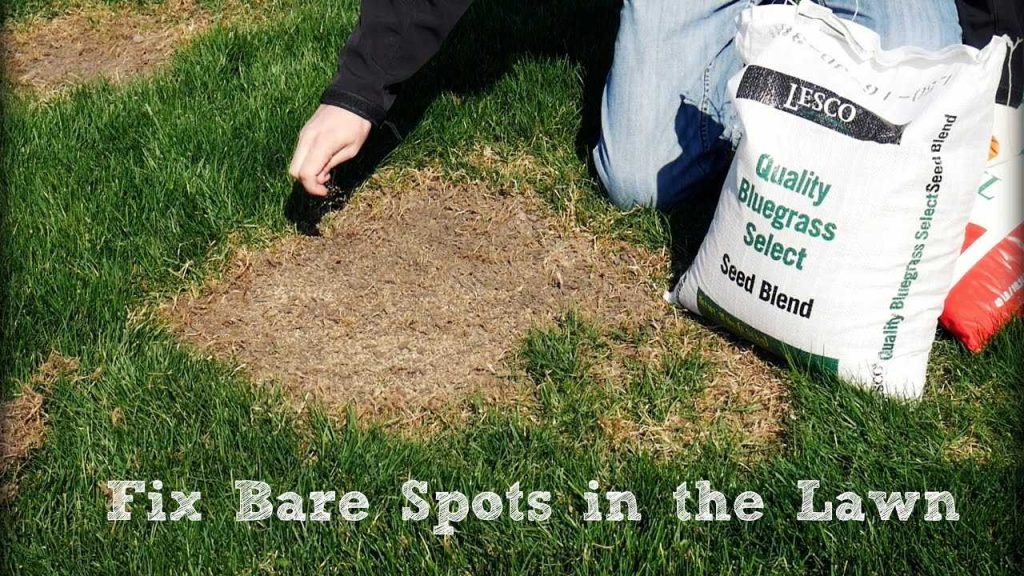
To quickly regrow patches of grass, focus on proper soil preparation, reseeding with quality grass seed, and consistent watering. Address bare spots by raking, adding nutrient-rich soil, and choosing the right grass type for your climate. Regular maintenance and patience will help you achieve a lush, even lawn.
If you’re tired of uneven, patchy grass ruining the look of your yard, don’t worry—reviving those bare spots is easier than you think. With a few simple steps, you can bring your lawn back to life and create a beautiful, healthy yard. The key is understanding what caused the patches, whether it’s poor soil, pests, or heavy foot traffic, and then taking targeted action. Proper soil preparation, choosing the right grass seed, and consistent watering are essential to ensure new grass takes root and grows thick. Patience is vital, but with a little effort, you’ll soon enjoy a vibrant, green lawn that’s the envy of the neighborhood.

How to regrow patches of grass?
Having patchy grass in your yard can be frustrating. Luckily, there are simple steps you can follow to bring back thick, lush grass. By understanding the right techniques, you can turn bare spots into vibrant, green patches.
Understanding Why Grass Patches Appear
Before you start fixing your lawn, it’s helpful to know why patches occur. Common reasons include heavy foot traffic, pests, poor soil quality, and lack of sunlight. Recognizing the cause helps you choose the best solution for regrowth.
Assessing Your Lawn’s Conditions
Check your yard for sunlight exposure, soil health, and drainage. Grass grows best in well-drained soil with proper sunlight. If your yard has shaded areas or poor drainage, these issues need to be addressed for successful grass growth.
Preparing the Soil for Grass Regrowth
Healthy grass starts with good soil. Remove any dead grass, weeds, and debris from the patches. Loosen the soil using a garden fork or rake to about 2 to 3 inches deep. Mixing in organic compost enriches the soil and encourages root growth.
Choosing the Right Grass Type
Select a grass variety that suits your climate, soil, and sunlight conditions. For example, cool-season grasses like Kentucky bluegrass or fescue work well in northern regions. Warm-season grasses like Bermuda or zoysia are better for southern areas.
Seeding or Sodding: Which Is Better?
Seeding
Seeding is a cost-effective way to fill patches. Spread grass seed evenly over the prepared soil, then lightly cover with soil or compost. Keep the seed moist until germination occurs, which usually takes 7 to 21 days.
Sodding
Sodding provides instant results. Lay down fresh sod patches that match your existing grass. Water thoroughly after installation and keep the sod moist until it establishes roots, usually in two to three weeks.
Watering Techniques for Successful Growth
Proper watering is essential for new grass to root effectively. Water the patches deeply and regularly, keeping the soil moist but not waterlogged. During hot weather, water at least once a day, and reduce frequency as the grass matures.
Fertilizing for Healthy Grass
Use a balanced fertilizer tailored for your grass type. Apply fertilizer after seeding or sodding to supply vital nutrients. Follow instructions carefully to avoid over-fertilizing, which can harm your grass and soil.
Controlling Pests and Weeds
Pests such as grubs or insects can damage newly growing grass. Use appropriate pest control options if pests are present. Weed control is equally important, as weeds compete with grass for nutrients and water. Hand-pull weeds or use a selective herbicide suitable for your grass type.
Maintaining Your Repaired Lawn
Consistent care helps your grass patches blend seamlessly with the rest of the yard. Mow at the correct height for your grass type, typically around 2.5 to 3 inches. Avoid cutting more than one-third of the grass height at once.
Dealing with Common Problems
Patchiness Persisting
If patches remain patchy, re-evaluate soil condition, watering, and fertilizing. Consider overseeding or replacing some areas with sod for faster results.
Soil Compaction
Compact soil can hinder root growth. Aerate your lawn using a garden fork or aerator tool to create channels for air, water, and nutrients.
Using Grass Plugs or Turfgrass Mats
For larger patches, consider planting plugs or rolling out turfgrass mats. These methods offer quick coverage and ensure immediate soil contact, promoting faster establishment.
Maintaining Proper Lawn Care Practices
- Regular Mowing: Keep your grass at the right height to promote healthy growth.
- Consistent Watering: Water deeply and infrequently to encourage deep roots.
- Periodic Fertilization: Feed your lawn during the growing season to provide essential nutrients.
Patience and Persistence
Grass regrowth takes time, especially in tougher conditions. Be patient and keep following good lawn care practices. Over time, your patches will fill in and blend seamlessly with the rest of your yard.
Additional Tips for Thicker, Lusher Grass
- Avoid Overwatering: Too much water can drown roots and encourage disease.
- Control Foot Traffic: Limit walking on new patches until they establish.
- Monitor for Diseases: Keep an eye out for fungal infections or discoloration and treat promptly.
Related Topics: Lawn Renovation and Maintenance
To keep your lawn healthy long-term, consider annual aeration, overseeding existing grass, and maintaining proper soil pH levels. These practices create an environment where grass can thrive and resist patches in the future.
In summary, regrowing patches of grass involves assessing your lawn’s condition, preparing the soil, choosing the right seed or sod, watering properly, and maintaining consistent care. With patience and dedication, you will soon have a lush, green yard free of bare spots.
#shorts How to fix patchy grass and bare spots in your lawn – quick & easy #lawncare#lawnmaintenance
Frequently Asked Questions
What steps can I take to prepare soil for patchy grass areas?
Start by removing any dead grass, weeds, or debris from the patch. Loosen the soil using a rake or garden fork to improve aeration and drainage. If the soil is compacted or poor in nutrients, mix in organic compost or topsoil to create a healthy environment for new grass growth. Ensuring the soil is level and well-drained helps the new grass establish quickly and evenly.
How can I choose the right grass seed for patch repair?
Select grass seed that matches your existing lawn’s type and is suitable for your local climate and sun exposure. Consider factors such as drought tolerance, shade tolerance, and growth rate. Check the seed label for quality indicators and opt for fresh seeds packaged recently to ensure good germination rates. Using the right seed helps the new patches blend seamlessly with the existing grass.
What watering practices should I follow to ensure successful grass regrowth?
Water the newly seeded patches lightly and frequently, keeping the soil consistently moist but not waterlogged. Typically, providing water two to three times daily for the first couple of weeks encourages germination. As the grass begins to grow, gradually reduce watering frequency while increasing depth to promote deep root development. Proper watering supports healthy growth and helps the grass establish strong roots.
How long does it usually take for new grass to fill in patchy areas?
The timeline varies based on grass type, weather conditions, and care. Generally, you’ll see initial germination within 7 to 14 days. Full coverage can take anywhere from a few weeks to a couple of months. Consistent maintenance during this period, including proper watering and fertilizing, ensures the patches fill in evenly and quickly.
Are there any specific fertilization tips for encouraging grass growth in patches?
Apply a balanced, slow-release fertilizer suitable for your grass type once the new grass has germinated and established roots. Follow the recommended application rates to avoid over-fertilizing, which can harm the grass. Using a fertilizer high in nitrogen promotes lush, healthy growth. Regular feeding helps the grass develop thicker blades and strong roots, filling in the patches effectively.
Final Thoughts
To regrow patches of grass, start by removing dead or damaged grass. Loosen the soil and add compost to provide nutrients. Sow fresh grass seeds evenly and water regularly to ensure proper germination.
Consistent watering and proper sunlight are essential for healthy growth. Keep foot traffic off the patch until grass becomes established.
How to regrow patches of grass? Focus on preparing the soil, choosing the right seeds, and maintaining consistent care for best results.