Here's a common scenario: it's late summer, you've got brown patches spreading across your lawn, and someone at the garden center hands you a bottle of bifenthrin-based insecticide. You Google it, you land here, and the straight answer to "does bifenthrin kill grubs" is more complicated than a simple yes.
Our research shows bifenthrin has real limitations against grub larvae in most real-world conditions. The chemistry works well for surface-feeding pests, but white grubs live below the soil line in a zone bifenthrin struggles to reach.

Image source: Wikimedia Commons / Сарапулов (CC BY)
Quick Answer
Bifenthrin provides limited and inconsistent control of white grubs. It's primarily a surface-acting insecticide with minimal soil penetration. Grubs feeding 1 to 3 inches below thatch rarely encounter a lethal dose.
Bifenthrin works best as a preventive barrier against newly hatched larvae, not as a curative treatment.
Why Bifenthrin Falls Short for Most Grub Problems
The core problem comes down to where grubs feed versus where bifenthrin actually goes. Adult beetles lay eggs in midsummer, those eggs hatch into larvae, and those larvae immediately start feeding on grass roots 1 to 3 inches below the soil surface. That's where the damage happens.
Bifenthrin has extremely low water solubility. When you water it in, it binds tightly to organic matter and the top layer of soil rather than moving downward through the soil profile. University extension research consistently documents effective penetration of only 1 to 2 inches after irrigation.
Here's what that means practically: if your grubs are feeding at 3 inches deep, and your bifenthrin only reaches 1.5 inches, you've just spent money on a treatment that never touches the target.
The exception is newly hatched larvae in their first instar stage. Those tiny grubs are feeding right at the thatch-soil interface, precisely where bifenthrin residue is strongest. That's the narrow window where it can actually make a difference.
How Bifenthrin Works — And Why That Matters for Grubs
Bifenthrin belongs to the pyrethroid class of synthetic insecticides, modeled after natural compounds found in chrysanthemum flowers. It works by disrupting sodium channels in insect nerve cells, causing paralysis and death through contact or ingestion.
That mode of action is fast and effective against insects that walk across treated surfaces or chew on treated foliage. Against surface-feeding lawn pests like cutworms, sod webworms, armyworms, chinch bugs, and billbugs, bifenthrin performs well. It's genuinely one of the better insecticides for those problems.
White grubs, however, don't feed on surface tissue. They feed on roots underground, they're often curled in a C-shape below the root zone, and they're surrounded by soil that filters out the active ingredient before it reaches a lethal concentration.
Think of it this way: bifenthrin is a perimeter guard. It's excellent at killing insects that try to cross a treated boundary. It's poor at chasing insects that are already living below that boundary.
Grubs are already living below the treated zone by the time you notice damage.
There's also the matter of grub size. First instar larvae (under 5mm) have thin cuticles and less body mass, making them more vulnerable. Third instar larvae (over 15mm) are significantly harder to kill with any contact insecticide, bifenthrin included.
When Bifenthrin Can Work Against Grubs
Despite the limitations, there are specific situations where bifenthrin is a reasonable choice for grub management:
- As a preventive treatment in late June through mid-July. You're targeting eggs and newly hatched larvae before they move deeper. This is the narrow window where bifenthrin's surface concentration aligns with grub vulnerability.
- When grub populations are low (under 5 per square foot) and other stress factors are present. Drought, compaction, or disease can make turf more susceptible at lower grub densities.
- As part of an integrated approach combined with nematodes or milky spore. Bifenthrin handles surface pests while biological controls work on grubs below.
- When you're also targeting surface-feeding insects at the same time. You're getting broad-spectrum value from a single application.
Here's a thought on timing: people often apply bifenthrin in August or September when they first see brown patches. By that point, grubs are usually in their third instar, feeding at root depth, and bifenthrin is the wrong tool entirely. That late-season application almost always disappoints.
If you're set on using bifenthrin specifically, monitor for adult beetle activity in June and treat promptly after peak flight. Blacklight traps or simple visual observation can tell you when beetles are active in your area.
The Grub Species That Matter and How They Behave
Not all grubs are created equal, and species matters for control timing. The most common white grub species in North American lawns are Japanese beetle, European chafer, northern masked chafer, southern masked chafer, Asiatic garden beetle, green June beetle, and black turfgrass ataenius.
Japanese beetle and European chafer follow the most predictable pattern. Adults fly and lay eggs from late June through August, larvae hatch in August, and damage peaks in September through October. That late-summer damage curve is exactly when homeowners grab bifenthrin and hope for the best.
Asiatic garden beetles fly earlier, sometimes as early as mid-June, which shifts egg hatch earlier correspondingly. In southeastern states, May and June beetles follow a multi-year life cycle, making timing even more variable.
Each species has slightly different feeding depth preferences and seasonal timing. A generic "grub control" approach misses those nuances entirely.
For positive identification, we direct readers to their local cooperative extension service. Species confirmation changes product selection, application timing, and expected efficacy.
Grub Species Quick Reference
| Species | Adult Flight Period | Egg Hatch | Primary Damage Window |
|---|---|---|---|
| Japanese beetle | June–August | July–August | September–November |
| European chafer | June–July | July | September–October |
| Northern masked chafer | June–July | July | September–October |
| Asiatic garden beetle | June–July | July | August–October |
| Green June beetle | May–July | June–July | August–October |
Bifenthrin vs. Products That Actually Kill Grubs
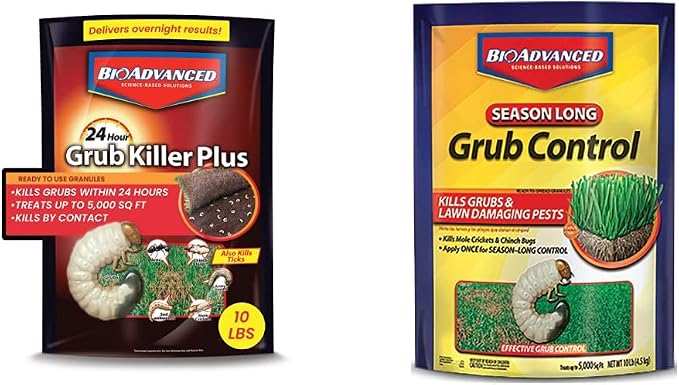
Let's compare bifenthrin against products that university and USDA research consistently identify as effective for grub control. This splits into two categories: preventive products applied before eggs hatch, and curative products applied after grubs are actively feeding.
Preventive Grub Control
Chlorantraniliprole (sold under the trade name Acelepryn) is the current standard for preventive grub control. University research documents it provides excellent efficacy against all major white grub species when applied in the June, July window. It has a favorable environmental profile, low impact on beneficial insects, and systemic movement within plant tissue.
Many turf professionals use it in preference to older chemistries.
Imidacloprid (Merit and generic equivalents) remains effective where regulatory restrictions don't limit its use. Concerns about pollinator impact have led to restrictions in several states as of 2025, so check local regulations before purchasing.
Curative Grub Control
Trichlorfon (Dylox) is the primary recommendation for curative control. Unlike bifenthrin, trichlorfon moves into the soil profile quickly, reaching grubs at their feeding depth. It's one of the few products that works against larger, third instar larvae.
Apply it when grubs are present and actively feeding, typically August through early October in northern climates.
Carbaryl (Sevin) offers similar curative activity, targeting actively feeding larvae with faster breakdown in the environment.
Biological Methods
Heterorhabditis bacteriophora nematodes work well against Japanese beetle grubs in specific temperature and moisture conditions. Application requires more care (moist soil, shade, evening application), but they actively seek out and kill grubs in the soil. They're the most effective biological option for homeowners willing to follow precise application protocols.
Milky spore (Paenibacillus popilliae) works well for long-term Japanese beetle management in warm climates. Persistence is excellent where soil temperatures support bacterial survival, particularly in USDA zones 6 and warmer.
Head-to-Head Comparison for Grub Control
| Product | Type | Soil Penetration | Grub Stage Targeted | Efficacy Against Grubs | Recommended Timing |
|---|---|---|---|---|---|
| Bifenthrin | Pyrethroid | Poor (1–2") | 1st instar only | Low to moderate | Late June–mid July |
| Chlorantraniliprole | Diamide | Moderate | All larval stages | High | Late June–mid July |
| Imidacloprid | Neonicotinoid | Good | All larval stages | High | Late June–mid July |
| Trichlorfon | Organophosphate | Excellent | All sizes, best on active | High (curative) | August–October |
| Carbaryl | Carbamate | Good | All sizes | Moderate to high | August–October |
| H. nematodes | Biological | Grub-seeking | Small to medium | Moderate to high | August–September |
| Milky spore | Biological | Persists in soil | Japanese beetle only | Long-term reduction | Spring or fall |
The pattern is clear: bifenthrin ranks at the bottom for grub-specific control. It's effective against surface feeders, but it's been overpromoted for grub problems it doesn't reliably solve.
The Right Way to Treat Grubs: A Step-by-Step Guide
Effective grub control requires matching the right product to the right stage at the right time. Here's the decision framework:
Step 1: Confirm You Have Grubs
Cut a 1 square foot section of turf at the edge of a damaged area. Peel it back like a carpet. Count the grubs you find in the root zone and top inch of soil.
- 0, 4 grubs per sq ft. Your damage is likely from something else (drought, fungal disease, dog urine, compaction). Don't treat for grubs.
- 5, 9 grubs per sq ft. Monitor the situation. Consider treatment if turf is already stressed or if animal digging is occurring.
- 10+ grubs per sq ft. Active treatment recommended, especially on irrigated, maintained turf.
Step 2: Assess Grub Size and Lifecycle Stage
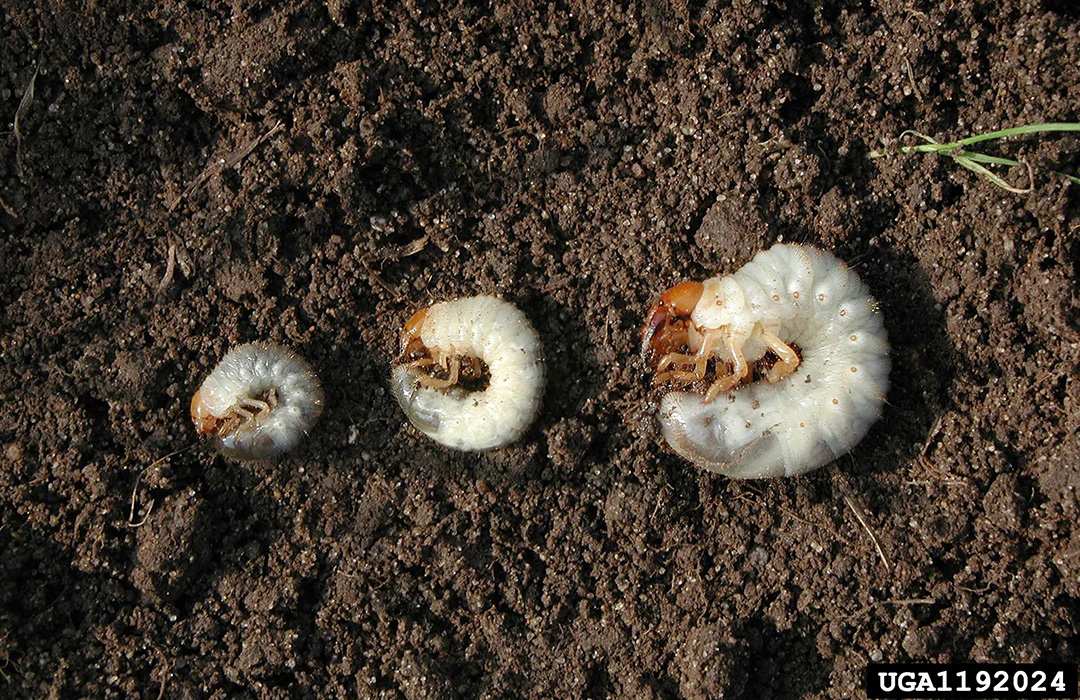
Small grubs (under 1/2 inch) are actively feeding and vulnerable. Large grubs (over 3/4 inch) are harder to kill curatively but will pupate soon. Match your product to grub size.
Step 3: Select the Right Product Based on Your Goal
If you want to prevent grub damage next year: Plan a preventive application of chlorantraniliprole for the following June or July. Mark your calendar.
If you have active damage right now with large grubs: Use trichlorfon (Dylox) as soon as possible. Apply when soil is moist and irrigate lightly after application. That's the curative approach with the highest success rate.
If you have active damage with small grubs in mid-to-late summer: Trichlorfon still works well. Some success is also reported with carbaryl-based products during this window.
If you're applying in spring: Grubs are too large and deep for most insecticides by then. Focus on milky spore or nematodes, and plan your preventive strategy for the coming summer.
Step 4: Apply Correctly
- Water the lawn lightly before application to bring grubs closer to the surface
- Calibrate your spreader or sprayer according to label rates
- Apply in the evening or early morning to reduce UV breakdown
- Irrigate granular products into the root zone within 24 hours
- Avoid mowing for 2 to 3 days after application
Step 5: Follow Up
Re-sample the area 7 to 14 days after application to assess efficacy. If grub populations remain high, a second application may be warranted, or consider switching product classes. Overseed damaged areas in fall to restore turf density before next season.
Timing Is Everything: When to Apply for Real Results
The single biggest factor in grub control success is timing. Product selection matters, but timing determines whether you're even hitting the target.
Late June through mid-July is the preventive window. Products applied during this period target eggs and early instar larvae at the soil surface. All major grub species have viable eggs in the ground during this period. This is when chlorantraniliprole, imidacloprid, and (marginally) bifenthrin have their best chance.
August through October is the curative window. Grubs are actively feeding, damage is visible, and products need to reach larvae that are now 1 to 3 inches deep. Trichlorfon is the strongest option here. Soil moisture and moderate temperatures enhance uptake and insect activity.
Spring application is generally wasted effort. Grubs have pupated or moved too deep. Residual activity from fall applications may protect against early feeding, but fresh spring applications deliver poor results.
Regional variation matters. In the Northeast and Midwest, the July preventive window is most effective for Japanese beetle. In the Southeast, earlier applications (May, June) may be needed for species with earlier flight periods.
Your county extension office provides species-specific timing recommendations.
One observation from analysis of extension databases: the most common failure pattern is homeowners treating in September with a preventive product like bifenthrin. Those applications were designed to be made in July for a reason, and applying them two months late guarantees poor results.
Common Mistakes That Waste Your Time and Money
Analysis of extension resources reveals recurring errors that lead to grub treatment failures:
Applying bifenthrin too late in the season. Treating in August or September with a product designed for June application ignores the basic biology of grub development. You're treating after the vulnerable window has closed.
Confusing grub damage with other problems. Brown patches come from drought stress, fungal disease (brown patch, dollar spot, Pythium), nitrogen deficiency, dog urine, and soil compaction. Treat only after grub populations exceed the damage threshold.
Assuming one application solves the problem. Bifenthrin's residual breaks down under UV exposure and microbial activity in soil. Even effective grub insecticides sometimes need a second application to achieve complete control in heavy infestations.
Ignoring soil moisture. Dry soil reduces insecticide movement and grub activity. Irrigated lawns show better treatment results because grubs are more active near the surface and product distribution is more uniform.
Skipping the square-foot count. Without knowing grub density, you're guessing at whether treatment is justified. A few grubs per square foot on healthy turf rarely warrants any insecticide application.
Choosing the cheapest product without considering suitability. Bifenthrin is often among the least expensive insecticides available. But an inexpensive product that doesn't control the target pest is the most expensive option of all, because you'll buy a second product anyway.
How to Tell If You Even Have a Grub Problem
Not every brown patch is caused by grubs. Before reaching for any insecticide, confirm the diagnosis with a simple physical check.
Step 1: Locate a damaged area. Focus on the transition zone between dead and healthy turf, where grubs are most concentrated.
Step 2: Cut a square-foot section approximately 3 inches deep using a spade or knife. Fold back the turf like a page in a book.
Step 3: Count the grubs. Healthy C-shaped larvae with brown heads and white bodies are the target. Record the number found.
Step 4: Replace the turf patch and water it back in. Most areas recover easily if the root system is intact.
Look for secondary indicators too. Skunks, raccoons, and birds digging in your lawn at dawn or dusk are often after grubs. Sod that lifts easily like loose carpet suggests root damage from feeding below. These signs, combined with physical grub counts, give you a confident diagnosis.
If you find fewer than 5 grubs per square foot on healthy turf, hold off on treatment. Turf can tolerate moderate grub feeding without lasting damage, especially when properly watered and fertilized.
Safety and Environmental Concerns With Bifenthrin
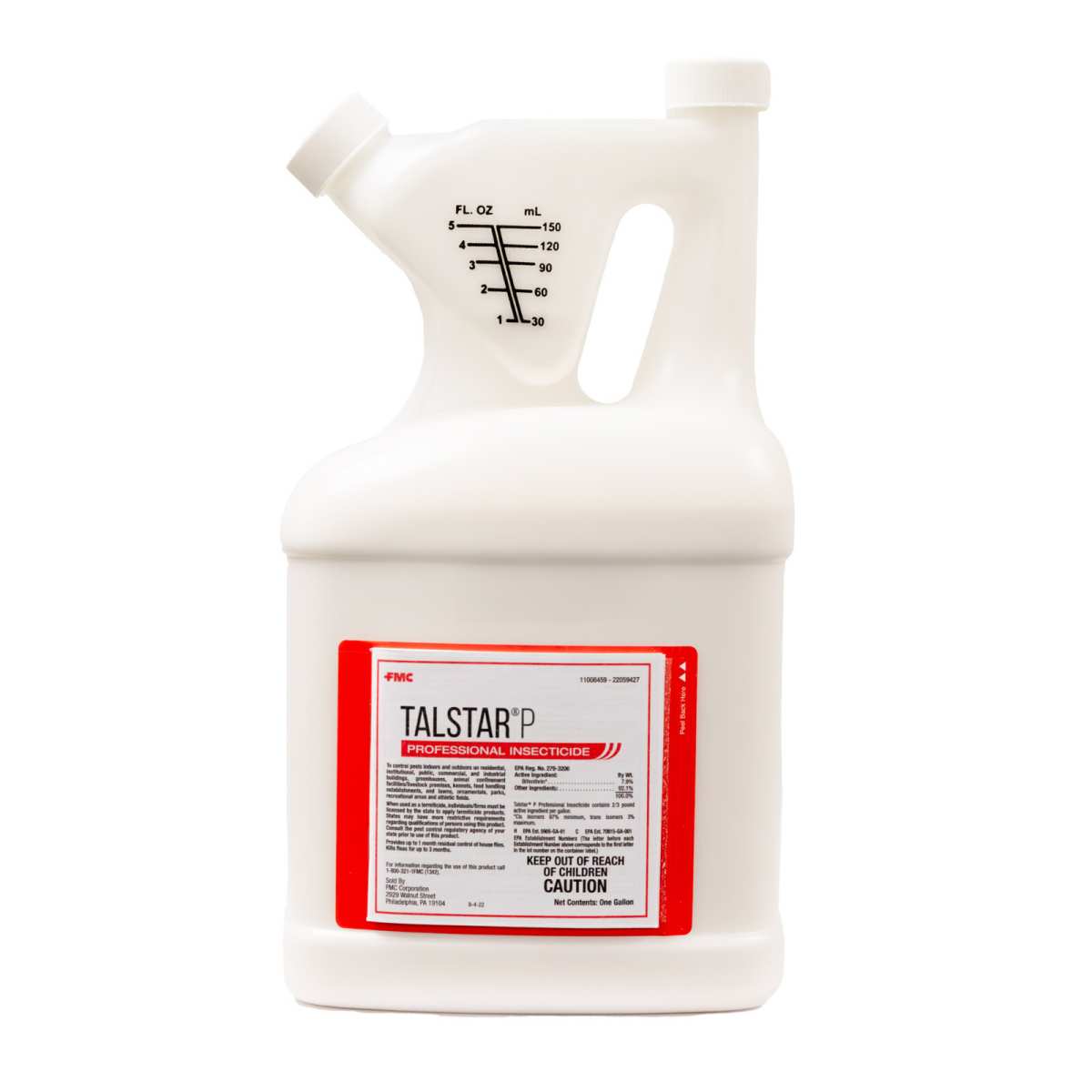
Image source: Bing (Web (fair-use with source credit))
Every insecticide carries environmental considerations that deserve honest discussion. Bifenthrin's safety profile is well-documented by EPA registration data and university extension resources.
Toxicity to aquatic organisms is the primary concern. Bifenthrin is highly toxic to fish and aquatic invertebrates. EPA labeling requires buffer zones around water bodies, and runoff into storm drains or waterways poses serious ecological risk. Never apply before heavy rain events.
Impact on pollinators requires caution. While bifenthrin is less systemically present in nectar and pollen than neonicotinoids, direct spray on flowering plants should be avoided. Mow flowering weeds before application to reduce exposure risk.
Bee toxicity is significant in laboratory testing. EPA data classifies bifenthrin as highly toxic to bees on a contact basis. Applications to blooming crops or weeds where bees are actively foraging are restricted by label direction.
Mammalian toxicity is relatively low. Bifenthrin has low acute oral toxicity to mammals when used according to label directions. Complete drying before human or pet contact reduces exposure to negligible levels.
Read the product label completely before purchase and use. The label is a legal document specifying application rates, pre-harvest intervals, PPE requirements, and environmental restrictions. Following those directions is both a legal requirement and your best protection.
Expert Tips for Long-Term Grub Control
Sustainable grub management goes beyond any single insecticide application. Turf professionals and extension specialists consistently recommend an integrated approach.
- Reduce night lighting near the property during adult beetle flight periods. Japanese beetles and other scarab adults are attracted to light. Less light means fewer egg-laying females in your yard.
- Maintain healthy turf with proper irrigation, fertilization, and mowing height. Dense, vigorous turf tolerates moderate grub populations without visible damage. The best defense is healthy grass.
- Consider milky spore for long-term Japanese beetle grub suppression. In warm climates, milky spore establishes in soil and can suppress populations for years after application.
- Use nematodes as part of a multi-year strategy. Heterorhabditis bacteriophora nematodes each year for two to three consecutive seasons can establish ongoing predator populations in your soil.
- Rotate insecticide modes of action if you apply preventive treatments annually. Alternating chemistries reduces selection pressure for resistance development.
- Overseed and repair damaged areas each fall. Grub damage looks worst in fall but recovers fastest when reseeded in September and October with appropriate turfgrass species for your climate.
Building the decision framework: if you're choosing between bifenthrin and doing neither, bifenthrin can help against surface feeders and may have some preventive effect when timed correctly. If your primary problem is white grubs active right now, skip bifenthrin and invest in trichlorfon or nematodes instead.
Frequently Asked Questions
Can I mix bifenthrin with fertilizer or other lawn products?
Tank mixing bifenthrin with liquid fertilizer is sometimes done, but compatibility varies by formulation. Always consult the label, and perform a jar test first. Granular bifenthrin products should not be physically blended with granular fertilizers without confirming the combination on the product packaging.
How long does bifenthrin last after application to turf?
Surface residual activity on turf foliage and thatch typically lasts 3 to 12 weeks depending on UV exposure, rainfall, mowing frequency, and organic matter content. Bifenthrin bound in soil is more protected from UV breakdown but less available for pest contact. Reapplication intervals should follow label specifications, normally 30 to 90 days for surface-feeding insect control.
What grub insecticide should I use for curative control right now?
For actively feeding grubs discovered in August through October, trichlorfon (Dylox) and carbaryl-based products are the primary curative options recommended by extension resources. These products move into the soil profile effectively and reach larvae that are already causing root damage. Apply when soil moisture is adequate for grub activity near the surface.
Will bifenthrin kill adult beetles and prevent eggs?
Bifenthrin will kill adult beetles that contact treated surfaces, but adults are mobile and brief visitors. They may leave the treated area before acquiring a lethal dose. Bifenthrin is not considered a reliable method for interrupting adult flight and egg-laying.
Its role in grub management is secondary to proper preventive products applied to the soil during the egg hatch window.
Are there grub-resistant grass varieties?
Endophyte-enhanced tall fescue and perennial ryegrass have natural fungal associations that deter some surface-feeding insects, though they do not prevent grub damage from root-feeding larvae. Maintaining diverse turf with multiple species improves overall pest resilience. No commercially available Kentucky bluegrass or fine fescue variety resists white grub feeding.
Can I apply bifenthrin in the spring for grub control?
Spring application of bifenthrin for grub control is not supported by university extension recommendations. By spring, larvae are too large and deep to be affected, pupation is underway, and a new generation of adults will emerge weeks later. Spring is better spent on lawn renovation and preparation for preventive treatments in early summer.
The Bottom Line: What to Use Instead
So where does all this leave you? If you're standing in the aisle right now trying to decide, here's our straightforward recommendation based on research and field data.
If grubs are actively damaging your lawn today (August through October): Skip bifenthrin. Buy trichlorfon (Dylox) instead. It reaches grubs at their feeding depth, works on the large larvae doing current damage, and delivers results within days.
Follow the label rate and water it in properly.
If you're planning ahead for next year (applying June through mid-July): Use chlorantraniliprole (Acelepryn) for the best preventive protection across all common grub species. Budget option: generic imidacloprid where legally available in your state.
If you want to use bifenthrin anyway: Understand you're choosing a product best suited for surface feeders. Use it only if you're targeting cutworms, chinch bugs, or billbugs alongside light grub populations. Apply it in late June or early July, not after you see damage.
Bifenthrin isn't worthless. It's a solid product for the right pests. Just not for the problem most homeowners buy it for.