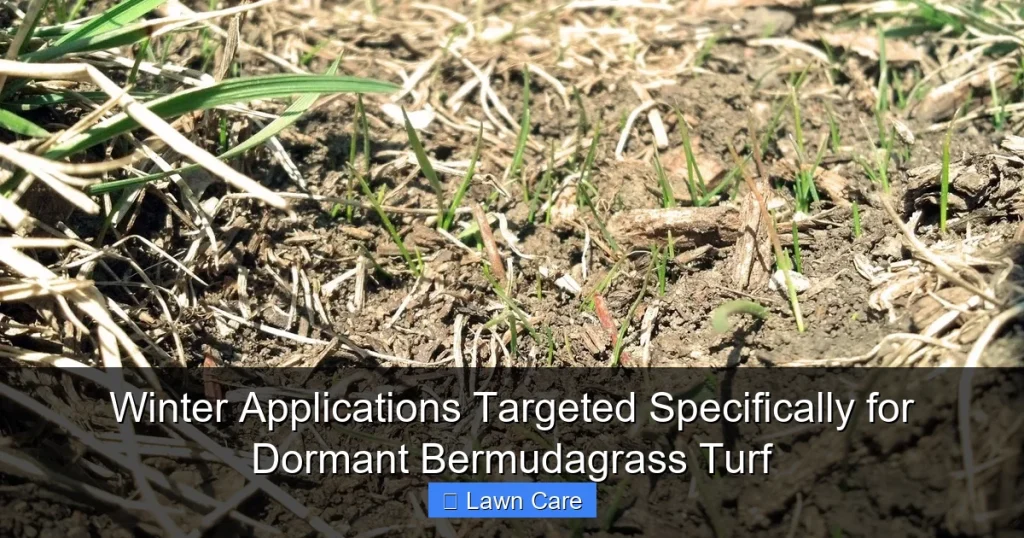
Don’t let your dormant bermudagrass lawn go unattended this winter! Targeted applications can significantly improve its health and ensure a vibrant spring comeback. This guide explores essential winter strategies, from soil testing to weed control and frost protection, to keep your dormant turf thriving.
## Winter Applications Targeted Specifically for Dormant Bermudagrass Turf
As the crisp air settles and the vibrant green of summer fades, bermudagrass lawns across many regions transition into a beautiful golden-brown, signaling their entry into winter dormancy. This period of rest might lead some homeowners to believe their lawn care duties are over until spring. However, this couldn’t be further from the truth! While bermudagrass isn’t actively growing, the winter months offer a unique window of opportunity for specific applications that can dramatically improve its health, resilience, and readiness for a spectacular spring resurgence. Understanding and implementing targeted winter applications for dormant bermudagrass turf is a strategy that separates a good lawn from a great one.
Many people think that once the grass turns brown, it’s dead. But this isn’t the case for bermudagrass. It’s simply gone dormant to survive the cold. This dormant state means the grass isn’t actively growing, but its root system is still alive and needs care. Think of it like a bear hibernating; it’s sleeping, not gone. By focusing on specific needs during this quiet period, you can significantly boost its ability to bounce back strong when warmer weather arrives. Winter is not a time for neglect; it’s a time for strategic, targeted care.
### The Importance of Winter Soil Health
Before you even think about applying anything to your lawn, the most critical first step is understanding what’s happening beneath the surface. A soil test is your roadmap for effective winter applications. This simple test reveals vital information about your soil’s pH and nutrient levels, including essential elements like phosphorus and potassium.
#### Why Soil Tests Matter for Dormant Turf
When bermudagrass is dormant, its ability to absorb nutrients is limited. However, this doesn’t mean nutrients aren’t important. A soil test helps you identify deficiencies or excesses that, if left unaddressed, can hinder spring recovery. For instance, overly acidic or alkaline soil can lock up nutrients, making them unavailable to the grass even when it becomes active again.
* pH Adjustment: If your soil test indicates an unfavorable pH for bermudagrass (ideally between 6.0 and 7.0), winter is an excellent time to make adjustments. Applying lime to raise pH or sulfur to lower it is most effective when done well in advance of active growth, allowing it to slowly integrate into the soil.
* Nutrient Assessment: The test will reveal if your soil is lacking essential nutrients like phosphorus (P) and potassium (K). Phosphorus is crucial for root development, and potassium is vital for overall plant health and stress tolerance, including cold and drought resistance.
#### Practical Tips for Soil Testing
* Timing: Collect soil samples anytime during the late fall or winter.
* Sampling: Take multiple samples from different areas of your lawn, at a depth of about 4 inches, and mix them together in a clean bucket. Avoid sampling from areas with unusual coloration or known problems.
* Lab Analysis: Send your mixed sample to a local university extension office or a reputable private lab. They will provide detailed recommendations tailored to your soil and turf type.
### Targeted Fertilization for Root Strength and Hardiness
While you won’t be applying high-nitrogen fertilizers that promote leafy growth (which bermudagrass isn’t doing anyway), there are specific nutrient applications that can benefit your dormant lawn. The focus shifts from above-ground greening to below-ground strengthening.
#### The Role of Potassium (K) in Winter
Potassium is often called the “stress nutrient” because it plays a crucial role in a plant’s ability to withstand environmental challenges. For dormant bermudagrass, adequate potassium levels can help:
* Improve Cold Tolerance: Potassium helps regulate water within plant cells, which can prevent ice crystal formation within the cells during freezing temperatures. This significantly reduces winter kill.
* Enhance Root Health: Stronger root systems are essential for nutrient uptake and water absorption come spring.
* Increase Disease Resistance: A healthy plant is a more resilient plant, better able to ward off opportunistic diseases that can thrive in cool, damp conditions.
#### Winter Fertilization Strategies
* Slow-Release Formulas: If your soil test indicates a need for potassium or phosphorus, opt for slow-release fertilizer formulations. These release nutrients gradually, minimizing the risk of burning the dormant grass and providing a steady supply as soil conditions allow.
* Potassium-Heavy Fertilizers: Look for fertilizers with a higher middle number (P) or the last number (K) in the N-P-K ratio. For example, a fertilizer like 0-0-30 (Potassium Chloride) or a balanced winterizer with a higher K content would be beneficial if recommended by your soil test.
* Avoid High Nitrogen: Resist the urge to apply high-nitrogen fertilizers. These are designed for active growth and can harm dormant turf, potentially stimulating weak growth that is vulnerable to frost.
#### When to Fertilize
The ideal time for any winter fertilization is typically in the late fall, just as the grass is shutting down its active growth cycle but before consistent freezing temperatures set in. This allows the roots to absorb the nutrients before the soil hardens completely.
### Battling Weeds During Dormancy
Winter may seem like a quiet time for weeds, but many insidious invaders are either actively growing or lying in wait as seeds. Using the dormant period to your advantage can save you a lot of trouble in the spring.
#### Why Winter Weed Control is Effective
Many winter weeds are broadleaf types that thrive in cooler temperatures. Applying herbicides during their active growth phase, even when your bermudagrass is dormant, can be highly effective.
* Pre-Emergent Application: Applying a pre-emergent herbicide in late fall can prevent many annual weed seeds from germinating in the spring. This is particularly effective for weeds like crabgrass and annual bluegrass that are problematic for bermudagrass.
* Post-Emergent Treatment: For weeds that have already emerged and are actively growing, a post-emergent herbicide can be applied. Be sure to choose a product labeled as safe for dormant bermudagrass. Always read and follow label instructions carefully, as some herbicides can still damage dormant turf.
#### Types of Winter Weed Control
* Broadleaf Herbicides: These are effective against weeds like dandelions, clover, and chickweed. Many are safe for dormant bermudagrass.
* Pre-Emergent Herbicides: Applied in the fall, these create a barrier in the soil that prevents weed seeds from sprouting. Common ingredients include prodiamine or dithiopyr.
* Specialty Herbicides: For specific problem weeds, you might need a targeted herbicide. Again, always check for compatibility with dormant bermudagrass.
#### Practical Application Tips
* Temperature is Key: Ensure temperatures are within the recommended range for the herbicide product you are using. Many pre-emergent herbicides need to be applied before soil temperatures consistently drop below 55°F (13°C).
* Timing for Dormancy: Apply herbicides when the bermudagrass is fully dormant (brown) to minimize the risk of turf damage.
* Avoid Frozen Ground: Never apply herbicides to frozen ground, as this can lead to runoff and unintended consequences.
### Disease Prevention: A Proactive Approach
Even in its dormant state, bermudagrass can be susceptible to certain fungal diseases, especially if conditions are favorable. Gray leaf spot and dollar spot can sometimes persist into the cooler months or re-emerge in early spring if not managed.
#### Common Winter Diseases and Their Impact
* Fungal Pathogens: Diseases like snow mold (though less common on dormant bermudagrass in warmer climates) or other fungal issues can weaken the turf’s crowns and root systems.
* Moisture and Shade: Prolonged periods of moisture on the surface, especially in shaded areas, can create an environment where fungal diseases can thrive.
#### Preventative Measures for Disease Control
* Fungicide Application: In areas prone to specific fungal diseases, a preventative fungicide application in late fall can provide protection throughout the winter. Choose a broad-spectrum fungicide or one specifically targeted for the diseases common in your region.
* Good Drainage: Ensure your lawn has good drainage to prevent water from standing for extended periods. This is a year-round practice but particularly important in winter.
* Leaf Litter Management: Excessive leaf litter can trap moisture against the turf and harbor fungal spores. Regularly rake or mulch leaves to allow air circulation. For information on using leaves beneficially, check out how to use leaves as winter protection for plants.
#### What to Look For
Keep an eye out for any unusual discoloration, thinning patches, or fuzzy growth, especially after periods of rain or heavy dew. Early detection allows for more effective treatment.
### Moisture Management and Frost Protection
While dormant, bermudagrass doesn’t require frequent watering, but it’s not entirely immune to drought stress, especially in arid climates or during dry spells. Understanding its moisture needs and providing some frost protection can be beneficial.
#### Winter Watering Needs
* Desiccation: In regions with low humidity and persistent winds, dormant grass can dry out, a condition known as desiccation. This can lead to significant damage.
* Infrequent but Deep Watering: If your region experiences prolonged dry periods during winter, occasional deep watering (e.g., once a month, if temperatures are above freezing) can help keep the root system hydrated. The goal is to moisten the soil, not to encourage active growth.
#### Frost Protection
* Mulching: A light layer of mulch (like shredded leaves) can offer a degree of insulation against extreme temperature fluctuations and frost. This can protect the crowns and shallow root systems. Remember to keep it light so as not to smother the grass.
* Aeration (Fall Timing): While aeration is typically a fall activity, completed before dormancy, it improves water penetration and air circulation, which indirectly helps prevent ice damage and disease associated with waterlogged soil. If you are looking for lawn care tips for different seasons, considering lawn care tips for different seasons can provide a broader perspective.
### Overseeding for Temporary Green Cover (Optional and Climate-Dependent)
In some regions, overseeding a dormant bermudagrass lawn with a cool-season grass like ryegrass is a popular practice to maintain a green appearance throughout the winter. This is an application targeted specifically for aesthetics and temporary coverage, not for the bermudagrass itself.
#### The Purpose of Overseeding
* Aesthetics: Overseeding provides a vibrant green carpet during the winter months when bermudagrass is brown.
* Erosion Control: The faster-growing ryegrass can help hold the soil in place and prevent erosion on slopes.
* Traffic Tolerance: It can provide a more wear-tolerant surface for foot traffic during winter.
#### Considerations for Overseeding
* Ryegrass Selection: Choose high-quality perennial or annual ryegrass varieties specifically suited for overseeding. For tips on this, explore how to plant ryegrass for winter.
* Timing: Overseeding is typically done in early to mid-fall, before the first hard frost, to allow the ryegrass to establish.
* Competition: Be aware that overseeded ryegrass will compete with your bermudagrass for nutrients and water in the spring. You will need to manage this transition carefully as temperatures warm up to allow the bermudagrass to regain dominance.
### Conclusion: Investing in Your Spring Lawn
Winter dormancy for bermudagrass is not an end, but a crucial pause for rejuvenation and strategic preparation. By focusing on targeted winter applications – from understanding your soil’s needs with a test, applying essential nutrients like potassium, effectively managing weeds, preventing diseases, and considering moisture and frost protection – you are actively investing in the health and beauty of your lawn. These proactive steps ensure that when spring arrives, your dormant bermudagrass turf will not only survive but thrive, emerging greener, thicker, and more resilient than ever before. Don’t wait until spring to start thinking about your lawn; let these winter applications pave the way for a truly spectacular season.
- Soil Testing is Foundational: Understanding your soil’s pH and nutrient levels is crucial for making informed winter application decisions.
- Targeted Fertilization: While active growth stops, some targeted fertilization (especially potassium) can strengthen roots and winter hardiness.
- Effective Weed Management: Winter is an opportune time to tackle persistent weeds before they re-emerge in spring.
- Disease Prevention is Key: Dormant turf is still susceptible to diseases, so preventative measures are important.
- Moisture Management Matters: Even dormant grass needs some moisture, and understanding water needs prevents desiccation.
- Frost Protection for Sensitive Areas: Certain applications can help protect your lawn from harsh winter conditions and frost damage.
Quick Answers to Common Questions
What is the main goal of winter applications for dormant bermudagrass?
The primary goal is to improve the health, resilience, and readiness of the bermudagrass for a strong comeback in the spring by addressing underlying soil issues, strengthening roots, and preventing future problems.
Should I fertilize my dormant bermudagrass with a high-nitrogen fertilizer?
No, it’s generally not recommended to use high-nitrogen fertilizers on dormant bermudagrass. These fertilizers are designed for active growth and can harm dormant turf or stimulate weak, frost-vulnerable growth.
Can weeds still grow when my bermudagrass is dormant?
Yes, many winter weeds are actively growing during this period. Winter is an opportune time to apply pre-emergent or post-emergent herbicides to control them before they become a problem in spring.
How much water does dormant bermudagrass need in winter?
Dormant bermudagrass needs very little water. However, in arid climates or during prolonged dry spells, occasional deep watering might be necessary to prevent desiccation and keep the root system hydrated, but only when temperatures are above freezing.
What is overseeding, and is it always necessary for dormant bermudagrass?
Overseeding involves planting a cool-season grass like ryegrass over dormant bermudagrass for temporary winter green cover. It’s optional and climate-dependent, primarily for aesthetics, and requires careful management in spring to transition back to bermudagrass.
Frequently Asked Questions
What is the benefit of a soil test for dormant bermudagrass?
A soil test is fundamental because it reveals your soil’s pH and nutrient levels. This information guides targeted applications, ensuring you address deficiencies like low potassium or phosphorus, which are crucial for root health and winter hardiness.
When is the best time to apply winter fertilizers to dormant bermudagrass?
The ideal time is late fall, just as the grass is entering dormancy but before consistent freezing temperatures. This allows the roots to absorb essential nutrients like potassium before the soil hardens.
How can I protect my dormant bermudagrass from winter weeds?
You can effectively control winter weeds by applying pre-emergent herbicides in late fall to prevent seeds from germinating in spring. Post-emergent herbicides can be used for existing weeds, ensuring they are safe for dormant bermudagrass.
Is disease prevention important for dormant bermudagrass?
Yes, dormant bermudagrass can still be susceptible to fungal diseases, especially in prolonged wet conditions. Preventative fungicide applications in late fall can protect against common winter diseases.
What are the risks of applying too much water to dormant bermudagrass in winter?
While dormant grass needs some moisture to prevent desiccation, overwatering can lead to root rot, fungal diseases, and can potentially encourage weak, unwanted growth if temperatures fluctuate. Watering should be infrequent and only when necessary.
Should I remove all leaves from my bermudagrass lawn in winter?
A light layer of shredded leaves can offer some insulation and frost protection. However, excessive leaf accumulation should be removed to prevent matting, trapping moisture against the turf, and harboring fungal diseases.