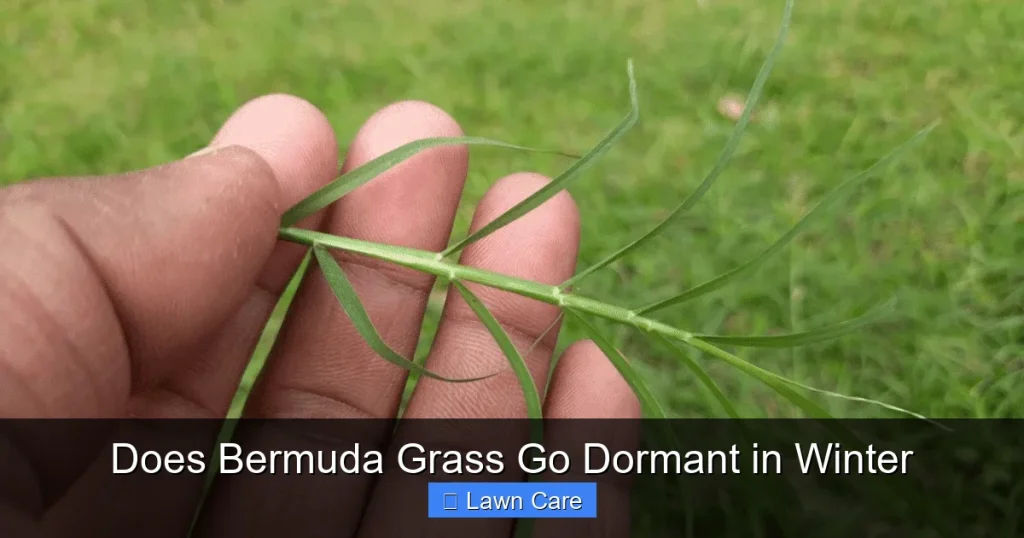
Yes, Bermuda grass absolutely goes dormant in winter. This is a natural survival mechanism for this warm-season grass as temperatures drop. During dormancy, the grass turns brown but its roots remain alive, preparing to green up again in the spring.
## Does Bermuda Grass Go Dormant in Winter?
Ah, Bermuda grass! It’s a popular choice for lawns across many parts of the United States, especially in warmer climates. It’s known for its lush, dense growth during the hot summer months, providing that beautiful green carpet we all love. But as the leaves start to change and a chill fills the air, many homeowners start to wonder: what happens to their Bermuda grass when winter rolls in? Does it just… die? Or is there more to the story?
If you’re a Bermuda grass owner, you’ve likely noticed that your vibrant green lawn takes on a rather… well, brown hue as the temperatures drop. It’s a common sight and often a cause for concern for those new to this type of grass. The good news is, it’s completely normal! Bermuda grass doesn’t die in the winter; instead, it enters a period of dormancy. Think of it like hibernation for your lawn. It’s a natural survival strategy that allows this warm-season grass to endure the cold and come back strong in the spring.
### Understanding Warm-Season Grasses
Before we dive deep into Bermuda grass dormancy, it’s helpful to understand what a “warm-season” grass actually is. Unlike cool-season grasses (like Fescue or Ryegrass), which prefer milder temperatures and can even stay green through the winter in some regions, warm-season grasses like Bermuda are built for heat. They are at their peak performance when the temperatures are high and the days are long.
This preference for warmth is why you see Bermuda grass thriving in the southern United States, from Texas all the way to Florida and beyond. They have a strong root system that allows them to spread aggressively and fill in thin patches during their active growing season. However, when that season ends and winter’s frost begins to bite, these grasses have a clever way of preserving their energy and life force.
### The Science Behind Dormancy
So, how does Bermuda grass know it’s time to “go to sleep” for the winter? It’s all about environmental cues. The primary triggers are decreasing temperatures and shorter daylight hours. As the ambient temperature consistently drops, and the sun hangs lower in the sky for less time each day, the grass essentially receives a signal that its prime growing season is over.
When these conditions are met, the grass starts to shut down its above-ground processes. The green chlorophyll, which is responsible for photosynthesis and gives the grass its color, begins to break down. This is why the grass turns brown. It’s not dead; it’s simply no longer producing the pigment that makes it green. The energy that was being used for growth is now redirected to the roots, where it’s stored for survival. The plant is conserving its resources, much like an animal storing fat for hibernation.
### When Does Bermuda Grass Go Dormant?
The exact timing of Bermuda grass dormancy can vary depending on your geographic location and the specific microclimate of your yard. Generally, in regions where Bermuda grass is commonly grown, dormancy typically begins in late fall. As daytime temperatures consistently fall into the 50s Fahrenheit and nighttime temperatures dip into the 40s and below, you’ll start to see signs of this transition.
For instance, understanding when does Bermuda grass go dormant in Texas is crucial for homeowners in that state. Texas experiences a wide range of climates, so dormancy might start earlier in North Texas than in South Texas. Similarly, for those in colder climates like Pennsylvania or Missouri, where Bermuda grass might be pushing its northern limit, dormancy can set in earlier and be more pronounced. It’s a gradual process, not an on-off switch. You might notice patches turning brown before the entire lawn succumbs to the change. This often occurs around October or November in many southern states.
### What Happens to the Lawn During Dormancy?
During the winter months, your Bermuda grass lawn will appear brown and dormant. This is perfectly normal and indicates that the grass is surviving. You’ll notice very little to no growth during this period. The blades will be dry and brittle, and the lawn will likely feel less resilient when you walk on it.
While the above-ground portion of the grass has shut down, the root system remains alive and is actually quite active in storing energy. This robust root system is what allows Bermuda grass to bounce back so vigorously once the spring weather arrives. The dormancy period is vital for the grass’s long-term health and survival. It’s a time for the plant to rest and prepare for the next growing season.
It’s important to remember that “dormant” doesn’t mean “dead.” If you’re concerned about the appearance of your lawn, understanding that does Bermuda grass turn brown in winter is the first step to alleviating that worry. The brown color is a sign of survival, not demise.
### Preparing Your Bermuda Grass for Winter
While dormancy is a natural process, there are steps you can take to help your Bermuda grass survive the winter in the best possible condition and ensure a swift and healthy return in the spring. Proper preparation can make a significant difference in how quickly and vigorously your lawn greens up.
#### Fall Fertilization
One key aspect of winter preparation is fall fertilization. While you stop fertilizing cool-season grasses in the fall, it’s often beneficial to give your Bermuda grass a final feeding. A fertilizer with a higher potassium content can help strengthen the grass’s root system and improve its cold tolerance. Timing is important here; you want to fertilize before the grass goes fully dormant. Applying fertilizer too late can encourage new growth that is susceptible to frost damage.
#### Mowing and Leaf Removal
As your Bermuda grass’s growth slows down in the fall, you’ll need to adjust your mowing schedule. Continue to mow as needed until growth completely stops. The final mow of the season is often done slightly shorter than usual. This helps prevent disease and makes it easier to manage the lawn throughout the winter.
Crucially, you’ll want to keep your lawn free of fallen leaves. A thick blanket of leaves can smother the grass, block sunlight, and create a damp environment that is conducive to fungal diseases. Rake or use a leaf blower regularly to keep the lawn clear.
#### Aeration and Dethatching
Fall is also an excellent time to aerate your lawn. Aeration helps to relieve soil compaction, allowing air, water, and nutrients to penetrate more effectively down to the root zone. This is especially beneficial for Bermuda grass, which can develop thatch.
Speaking of thatch, if you have a significant layer of thatch (a dense layer of dead grass stems and roots between the green grass blades and the soil), consider dethatching. Excessive thatch can prevent water from reaching the roots and can harbor pests and diseases. However, if you aerate and dethatch, do so early enough in the fall to allow the grass time to recover before winter dormancy sets in.
### What About Keeping It Green?
Some homeowners wonder if it’s possible to keep their Bermuda grass green throughout the winter. While it’s not a natural state for this grass, there are methods people use, primarily in the form of overseeding with cool-season grasses.
Overseeding involves planting a cool-season grass seed, like ryegrass, into your dormant Bermuda grass lawn in the fall. The cool-season grass will then germinate and grow throughout the winter, providing a green cover. As the weather warms in the spring, the cool-season grass will naturally die off, and the returning Bermuda grass will take over. This is a popular technique in areas like Texas where homeowners want a green lawn year-round. If you’re in a region where you’re considering this, understanding when to plant Bermuda grass seed in Texas or when to overseed Bermuda grass in Texas becomes very relevant.
However, it’s important to note that overseeding requires careful management. If not done correctly, the cool-season grass can compete with and even hinder the spring transition of your Bermuda grass. If you’re aiming to keep your lawn green year-round, research the best practices for overseeding in your specific climate. For those who prefer to let their Bermuda grass go dormant naturally, focus on proper preparation and patience for spring’s return.
### Springtime Revival
The first signs of spring are met with eager anticipation by Bermuda grass owners. As the days begin to lengthen and the soil temperatures rise consistently into the 60s and 70s Fahrenheit, the dormant Bermuda grass will begin to wake up. This process, known as “greening up,” starts from the roots and gradually moves upwards.
You’ll first notice subtle hints of green appearing at the base of the grass blades. Over the next few weeks, as temperatures continue to climb and more sunlight is available, the entire lawn will slowly regain its vibrant green color and start to grow actively again. This is why having a healthy root system from the previous year is so crucial. A well-prepared lawn will green up faster and more uniformly.
### Conclusion: Embrace the Dormant Season
So, to answer the burning question: does Bermuda grass go dormant in winter? Yes, it absolutely does! This is a normal, healthy, and essential part of its life cycle. While it might not look as appealing as its summer self, the brown, dormant state is how Bermuda grass conserves energy and survives the cold months.
Instead of worrying about the brown color, focus on understanding this natural process. By properly preparing your lawn in the fall with appropriate fertilization, mowing, and care, you are setting it up for success. Patience is key; spring will eventually arrive, and your Bermuda grass will reward your efforts by returning with renewed vigor. Understanding your grass type and its needs, like knowing does Bermuda grass turn brown in the winter, is the foundation of excellent lawn care. Embrace the cycle, and enjoy your beautiful Bermuda grass lawn through every season!
- Bermuda grass is a warm-season grass: This means it thrives in heat and struggles in cold.
- Winter dormancy is a natural process: When temperatures fall consistently, Bermuda grass enters a dormant state to survive.
- The grass turns brown when dormant: This is a visual cue that the grass blades are no longer actively growing.
- Roots remain alive: While the top growth dies back, the underground root system stays healthy and ready for spring.
- Dormancy is triggered by temperature and sunlight: Cool temperatures and shorter days are the primary indicators for Bermuda grass to go dormant.
- Recovery in spring: As temperatures rise and days lengthen, dormant Bermuda grass will begin to green up and resume growth.
- Different varieties may have slightly different dormancy triggers: While generally true for all Bermuda grass, some cultivars might exhibit slightly earlier or later dormancy.
Quick Answers to Common Questions
Why does Bermuda grass turn brown in winter?
Bermuda grass turns brown in winter because it is a warm-season grass that enters a natural dormant state as temperatures drop and daylight hours shorten. The green pigment (chlorophyll) breaks down, causing the grass blades to lose their color and appear brown.
Is my Bermuda grass dead if it’s brown in winter?
No, your Bermuda grass is not dead if it is brown in winter. The brown color indicates that the grass is dormant, a survival mechanism. The roots remain alive and healthy, ready to regrow when warmer temperatures return in the spring.
When should I expect my Bermuda grass to go dormant?
Bermuda grass typically begins to go dormant in late fall as temperatures consistently drop into the 50s Fahrenheit and daylight hours decrease. The exact timing can vary based on your specific geographic location and local climate conditions.
What temperature causes Bermuda grass to go dormant?
While not a single exact temperature, Bermuda grass typically starts to show signs of dormancy when average daytime temperatures consistently fall into the 50s Fahrenheit and nighttime temperatures approach or drop below 40 degrees Fahrenheit. A prolonged period of cool weather is the key trigger.
Can I keep my Bermuda grass green all winter?
Yes, it is possible to keep a lawn looking green all winter by overseeding with a cool-season grass, such as ryegrass. However, this requires specific management to ensure the Bermuda grass can successfully transition back in the spring. Letting the Bermuda grass go dormant naturally is the grass’s preferred and most sustainable state for winter.
Frequently Asked Questions
What are the signs that my Bermuda grass is going dormant?
The most obvious sign is that your Bermuda grass lawn will begin to turn brown. You may also notice that the grass stops growing, feels less springy when walked on, and the blades become dry and brittle.
How long does Bermuda grass stay dormant?
Bermuda grass typically remains dormant throughout the entire winter season. The duration of dormancy is dictated by the length of the cold period and the availability of warm temperatures and adequate daylight for growth to resume.
Will my Bermuda grass die if it freezes?
No, healthy Bermuda grass will not die if it freezes. Its dormancy is a survival mechanism designed to protect it from freezing temperatures. The roots are insulated by the soil and can withstand freezing conditions.
What should I do with my brown Bermuda grass lawn in winter?
In winter, your dormant Bermuda grass lawn requires minimal care. The most important tasks are to keep it clear of debris like fallen leaves and to avoid heavy foot traffic. You can also consider core aeration in the fall before dormancy sets in to improve soil health.
Does overseeding Bermuda grass prevent it from going dormant?
Overseeding does not prevent the Bermuda grass itself from going dormant. Instead, you are planting a cool-season grass over the dormant Bermuda grass to provide green cover. The Bermuda grass still goes dormant according to its natural cycle.
When will my Bermuda grass start to green up in the spring?
Your Bermuda grass will typically start to green up in the spring when soil temperatures consistently reach the mid-60s to 70s Fahrenheit and the days become longer. This usually occurs sometime between March and May, depending on your climate zone.