So you're wondering whether decollate snails are good or bad, and honestly, the answer isn't as straightforward as you might hope. These predatory snails can be a powerful weapon against garden pests, but they can also cause real problems if you introduce them without thinking things through. Whether they're the right move for your garden depends on where you live, what you're growing, and what kind of pest pressure you're dealing with.
Decollate snails (Rumina decollata) are native to the Mediterranean region and have been used as biological pest control in places like California for decades. They primarily feed on brown garden snails and slugs, which makes them appealing to organic gardeners. But they don't stop there, and that's where things get complicated.
Let's walk through what you need to know before you decide.
Image source: Pixabay / breaklessbiker (Pixabay Content License)
Quick Answer
Decollate snails are good if you have a serious brown garden snail or slug problem and live in a mild, Mediterranean-type climate. They're bad if you're in a cold or dry region, near native snail habitats, or growing delicate seedlings. They're a biological control tool, not a universal solution.
Your specific garden conditions determine whether they help or hurt.
What Decollate Snails Actually Are
Decollate snails (Rumina decollata) are medium-sized predatory land snails originally from the Mediterranean basin. They're called "decollate" because their shells have a distinctive truncated, broken-off appearance at the tip. Adults typically reach about 1.5 to 2 inches in length.
Unlike the herbivorous snails that chew through your lettuce and hostas, decollate snails are carnivorous. Their primary diet consists of other snails, slugs, and the eggs of pest species. They're nocturnal and spend much of their time buried in soil or hiding under debris during the day, emerging at night to hunt.
They reproduce more slowly than common pest snails, which is part of what makes them appealing as a control method. A single decollate snail can consume dozens of pest snails and slugs over its roughly two-year lifespan. They're most active when soil temperatures stay above about 50°F (10°C) and when moisture is available.
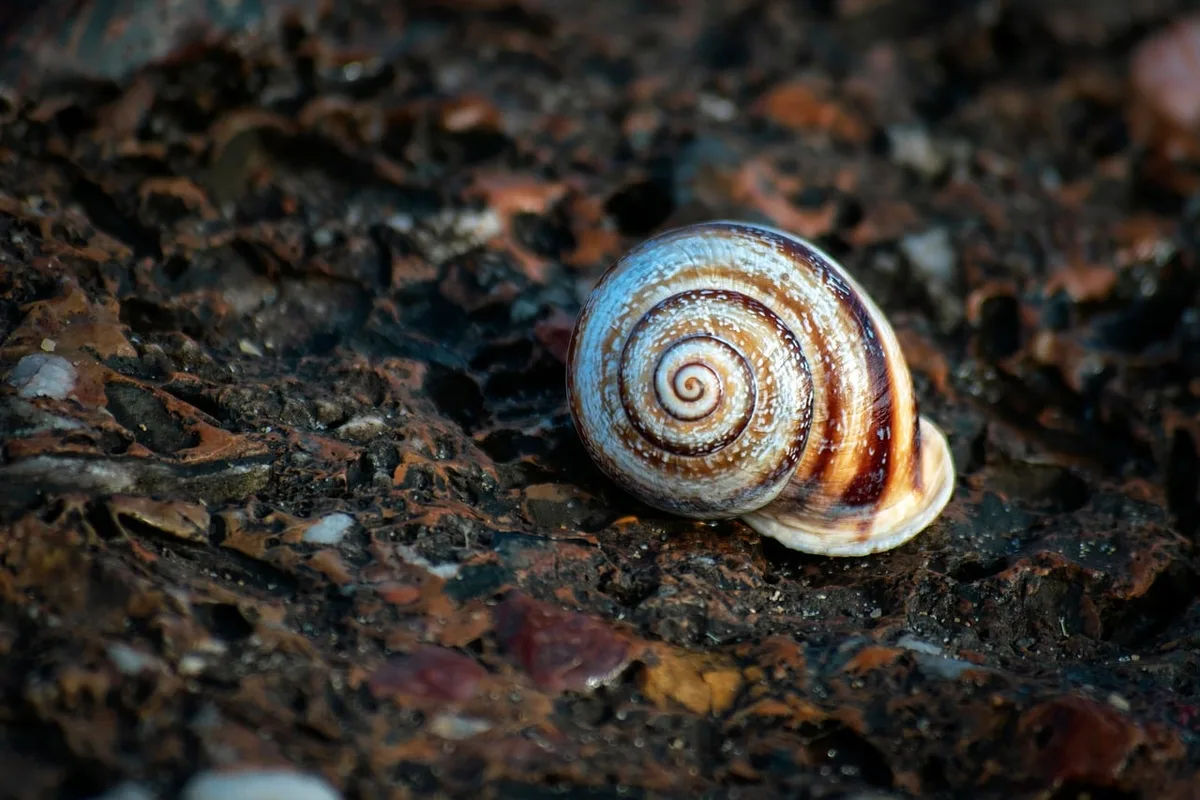
Image source: Pixabay / ELG21 (Pixabay Content License)
How Decollate Snails Work as Pest Control
The basic idea is simple: you introduce decollate snails into your garden, and they hunt down the pest snails and slugs damaging your plants. They track prey by following mucus trails, and they're surprisingly effective at finding pest snails hiding in soil, under mulch, and in plant debris.
Once a decollate snail catches its prey, it feeds on it over several hours. They'll also consume pest snail eggs, which helps break the reproductive cycle. Because they're soil-dwelling, they can reach pests that surface-level treatments miss.
The catch is that decollate snails need time to establish. You won't see overnight results. Most gardeners report noticeable pest reduction within a few weeks to a couple of months, depending on how many decollate snails you release and how severe the infestation is.
They work best as a long-term, self-sustaining solution rather than a quick fix.

Image source: Pixabay / jeejong58 (Pixabay Content License)
When Decollate Snails Are a Good Choice
Decollate snails make the most sense in specific situations. Here's where they tend to shine.
You're in a mild, Mediterranean-type climate. They thrive in USDA zones 8 through 11, where winters are mild and there's moderate moisture. Southern California, parts of Arizona, and the Gulf Coast are prime territory.
Brown garden snails (Cornu aspersum) are your main pest. Decollate snails are specialists at hunting this particular species. If brown garden snails are eating your citrus trees, ornamental plants, or vegetables, decollate snails can make a real dent.
You're committed to organic gardening. If you want to avoid chemical baits and pesticides, especially on edible crops, decollate snails offer a chemical-free alternative.
You have a persistent, established pest problem. If you've tried hand-picking, beer traps, and barriers without lasting success, a biological control agent can fill the gap.
You're patient. Decollate snails take time to establish and build a population. If you're looking for a set-it-and-forget-it solution and can tolerate a few months of transition, they're worth considering.
The University of California's Integrated Pest Management program has documented decollate snails as an effective biological control agent in citrus orchards and home gardens within suitable climate zones.
When Decollate Snails Cause More Harm Than Good
Here's where you need to be careful. Decollate snails aren't universally beneficial, and in some situations, they can create more problems than they solve.
You live in a cold or dry climate. Decollate snails don't survive hard freezes or prolonged drought. If you're in USDA zones 7 or below, or in an arid desert region without irrigation, they simply won't establish.
You have native or beneficial snail species nearby. Decollate snails are not picky eaters when pest snails are scarce. They'll consume native snail species, including some that are ecologically important or even endangered.
You're growing delicate seedlings. When decollate snails run out of prey, they may turn to soft plant tissue. Seedlings, tender greens, and succulent ground covers can become collateral damage.
You're near ecologically sensitive areas. Releasing a non-native species into the environment carries inherent ecological risk. Once established, decollate snails are nearly impossible to remove.
You expect fast results. If your garden is being devastated right now and you need pest control this week, decollate snails won't save your current crop. They're a long-term strategy, not an emergency response.
The key takeaway is that decollate snails are a tool with a specific range of appropriate use. Outside that range, they're either ineffective or potentially harmful.
Decollate Snails vs Other Slug and Snail Control Methods
Decollate snails aren't the only option for dealing with garden pests. Here's how they stack up against the most common alternatives.
| Method | How It Works | Speed | Best For | Drawbacks |
|---|---|---|---|---|
| Decollate snails | Predatory snails hunt and eat pest snails | Slow (weeks to months) | Long-term control in mild climates | Climate-dependent, slow to establish |
| Iron phosphate bait | Snails eat bait and stop feeding, die within days | Fast (3-7 days) | Immediate relief, edible gardens | Needs reapplication after rain |
| Beer traps | Snails are attracted to yeast, fall in and drown | Moderate | Small gardens, monitoring | Labor-intensive, needs frequent emptying |
| Copper tape barriers | Copper creates a mild electric shock on contact | Immediate (physical barrier) | Raised beds, containers, pots | Only protects treated areas |
| Hand-picking | Manual removal, usually at night | Immediate | Small infestations, any garden | Time-consuming, not scalable |
| Nematodes (Phasmarhabditis hermaphrodita) | Microscopic worms infect and kill slugs | Moderate (1-3 weeks) | Cool, moist climates, organic gardens | Expensive, requires specific soil conditions |
Iron phosphate bait is probably the most popular alternative. It's safe for pets and wildlife, works fast, and you can use it right up to harvest. The downside is you need to reapply it regularly, especially after rain or irrigation.
Beer traps are cheap and effective for monitoring how bad your slug problem is, but they're not practical for large gardens. You'll be emptying and refilling them constantly.
Copper barriers work well for raised beds and containers, but they only protect what they physically surround. They won't reduce the overall pest population in your yard.

Image source: Pixabay / analogicus (Pixabay Content License)
How to Decide If Decollate Snails Are Right for Your Garden
This is where you need to think through your specific situation. Here's a practical decision framework.
Start with your climate. If you're in USDA zones 8-11 with mild winters and moderate moisture, decollate snails can establish and thrive. If you get hard freezes below about 20°F (-6°C) or live in an arid climate without regular irrigation, skip them.
Identify your pest. If brown garden snails (Cornu aspersum) are your primary problem, decollate snails are a strong match. If you're dealing mostly with slugs, they'll help but may not be as effective. If your pest is something else entirely, decollate snails won't touch them.
Assess your timeline. If you need results this week, go with iron phosphate bait or hand-picking. If you're planning for next season and want a self-sustaining solution, decollate snails make more sense.
Check your surroundings. If your property borders natural areas, native habitats, or regions with endangered snail species, don't introduce a non-native predator. The ecological risk isn't worth it.
Consider your garden type. If you're growing delicate seedlings or tender greens, decollate snails might nibble on them when prey is scarce. Established plants with tougher foliage are safer.
Common Mistakes People Make with Decollate Snails
Even when decollate snails are a reasonable choice, people still mess it up. Here are the most frequent errors.
Releasing too few snails. A common recommendation is around 100 to 200 decollate snails for a typical home garden. If you release too few, they can't establish a viable population and you've wasted your money.
Releasing at the wrong time. Spring, after the last frost, is ideal. The soil is warming up, moisture is available, and pest snails are becoming active. Releasing in summer heat or fall cold reduces survival rates dramatically.
Not providing habitat. Decollate snails need moisture and shelter. If your garden is bare, dry, and exposed, they'll either die or leave. Mulch, ground cover, and consistent irrigation give them the conditions they need to stick around.
Expecting overnight results. This is probably the biggest disappointment. Decollate snails take weeks to months to build up and show measurable impact. If you're not patient, you'll think they're not working and reach for chemical alternatives.
Ignoring local regulations. Some states and counties restrict the import or release of non-native species. Check with your local cooperative extension or department of agriculture before ordering decollate snails.
Introducing them near sensitive habitats. Even if it's legal, releasing predatory snails near natural areas with native snail populations is ecologically irresponsible. The damage can be irreversible.
What to Do If Decollate Snails Are Already in Your Garden
Maybe you inherited a garden where the previous owner released them, or maybe you introduced them and now you're having second thoughts. Either way, here's the reality: once decollate snails are established, they're extremely difficult to remove completely.
You can reduce their numbers through hand-picking, especially at night when they're active. Removing mulch and ground cover makes the habitat less favorable, which may encourage some to move on. Reducing irrigation can also make conditions less hospitable, though this affects your plants too.
Iron phosphate bait won't directly kill decollate snails since they're not herbivores, but reducing their food supply can eventually cause their population to decline. It's a slow process.
The most practical approach for most gardeners is to manage rather than eliminate. If they're not causing problems, you can coexist. If they're damaging seedlings or you're concerned about ecological impact, focus on habitat modification and manual removal over time.
Regional and Climate Considerations
Where you live matters more with decollate snails than with almost any other pest control method.
California and the Southwest. This is where decollate snails have the longest track record. They're well-established in Southern California, parts of the Central Valley, and low-elevation areas of Arizona.
The Gulf Coast. Mild winters and adequate moisture make areas like southern Texas, Louisiana, Mississippi, Alabama, and the Florida panhandle suitable.
The Pacific Northwest. Cool, wet winters might seem ideal, but decollate snails prefer warmer conditions. They may survive in sheltered microclimates but won't thrive.
The Northeast and Midwest. Cold winters are a dealbreaker. Decollate snails cannot survive prolonged freezing temperatures. If you're in USDA zones 3-6, don't bother.
Arid deserts without irrigation. Low humidity and lack of soil moisture make desert environments inhospitable. If you irrigate heavily, you might create a microclimate that works. Otherwise, skip them.
Safety, Legal, and Ecological Warnings
Before you order decollate snails, you need to understand the risks beyond your garden borders.
Check your local regulations first. Some states and counties restrict the import, transport, or release of non-native invertebrate species. The California Department of Food and Agriculture has specific guidelines around Rumina decollata. Contact your local cooperative extension office before purchasing anything.
Never release them near natural habitats. If your property borders wildlands, wetlands, or areas with native snail populations, introducing a predatory non-native species is a serious ecological risk. Decollate snails don't stay in your garden.
They can eat native snails. When pest snail populations decline, decollate snails switch to whatever mollusks they can find, including native species that may already be under pressure from habitat loss and pollution.
Pets and children are generally safe around them. Decollate snails aren't toxic, and they don't carry parasites that typically affect mammals. The main safety concern is ecological, not personal.
Expert Tips for Using Decollate Snails Responsibly
If you've decided decollate snails are appropriate for your situation, here's how to get the best results while minimizing risk.
Source from reputable suppliers. Buy from licensed nurseries or biological control suppliers who can confirm the species and provide healthy specimens. Avoid random online sellers who may misidentify species.
Release in the evening. Decollate snails are nocturnal. Releasing them at dusk gives them the night to find shelter before daylight exposes them to predators and heat.
Provide initial habitat. Scatter some flat stones, boards, or dense mulch in the release area. These give the snails hiding spots during the day, which improves survival rates significantly.
Don't combine with chemical molluscicides. If you're using metaldehyde or iron phosphate bait in the same area, you'll kill or weaken the decollate snails along with the pests. Commit to one approach at a time.
Monitor for a full season. Give them at least one full growing season before judging effectiveness. Pest populations naturally fluctuate, so a single bad week doesn't mean they're not working.
Real Garden Scenarios: When They Worked and When They Didn't
Scenario 1: Citrus orchard in Southern California. A homeowner with Valencia orange trees was losing fruit to brown garden snails. After releasing about 300 decollate snails in early spring, pest damage dropped roughly 70% by the following season. The mild coastal climate and consistent irrigation created ideal conditions.
Scenario 2: Vegetable garden in Portland, Oregon. A gardener released 150 decollate snails hoping to control slugs. The cool, wet winters stressed the population, and slug pressure remained high. They switched to iron phosphate bait the following year and saw immediate improvement.
Wrong climate, wrong pest profile.
Scenario 3: Native plant garden near a nature preserve in Arizona. A homeowner introduced decollate snails to protect desert-adapted landscaping. Within two years, neighbors reported decollate snails spreading into adjacent natural areas. A cautionary tale about ecological spillover.
Scenario 4: Raised bed garden in central Texas. A gardener released 100 decollate snails in March. By June, pest snail numbers were noticeably lower, but some seedlings showed minor damage. The gardener adjusted by starting seedlings indoors and transplanting after they were more established.
A workable compromise with minor trade-offs.
Frequently Asked Questions
Do decollate snails eat plants?
Primarily they eat other snails and slugs. When prey is scarce, they may nibble on soft plant tissue, seedlings, or decaying vegetation. They're not herbivores, but they're not perfectly selective either.
How long do decollate snails live?
About two years on average. They reach maturity in their first year and reproduce during their second. A healthy population can sustain itself if conditions remain favorable.
Can decollate snails survive winter?
They can tolerate mild winters but not prolonged freezing. In USDA zones 8-11, they typically survive year-round. In colder zones, winter mortality is high and populations rarely persist.
Are decollate snails legal to buy and release?
It depends on your location. Some states restrict non-native species introductions. Check with your local cooperative extension or department of agriculture before purchasing.
California has specific guidelines due to established populations.
How many decollate snails do I need for my garden?
A common recommendation is 100 to 200 for a typical home garden, though this varies by pest pressure and garden size. Larger properties or severe infestations may need more.
Will decollate snails eliminate all my pest snails?
No. They reduce pest populations significantly but rarely achieve total elimination. Think of them as population management, not eradication.
You may still need supplemental control methods during peak pest seasons.
Final Verdict: Should You Use Decollate Snails?
Decollate snails are a legitimate biological control tool that works well in specific conditions: mild climates, brown garden snail infestations, and gardens where you can wait weeks to months for results. They're not a miracle solution, and they're not appropriate everywhere.
If you're in Southern California, the Gulf Coast, or another mild-winter zone with a serious brown garden snail problem, they're worth considering. If you're in a cold climate, near natural habitats, or growing delicate seedlings, look at other options first. Iron phosphate bait, copper barriers, and hand-picking are all effective alternatives with fewer ecological risks.
The most important thing is to think beyond your own garden. Releasing a non-native species is a decision that affects your local ecosystem, not just your tomato plants. Do your research, check your local regulations, and make the call that's right for your specific situation.