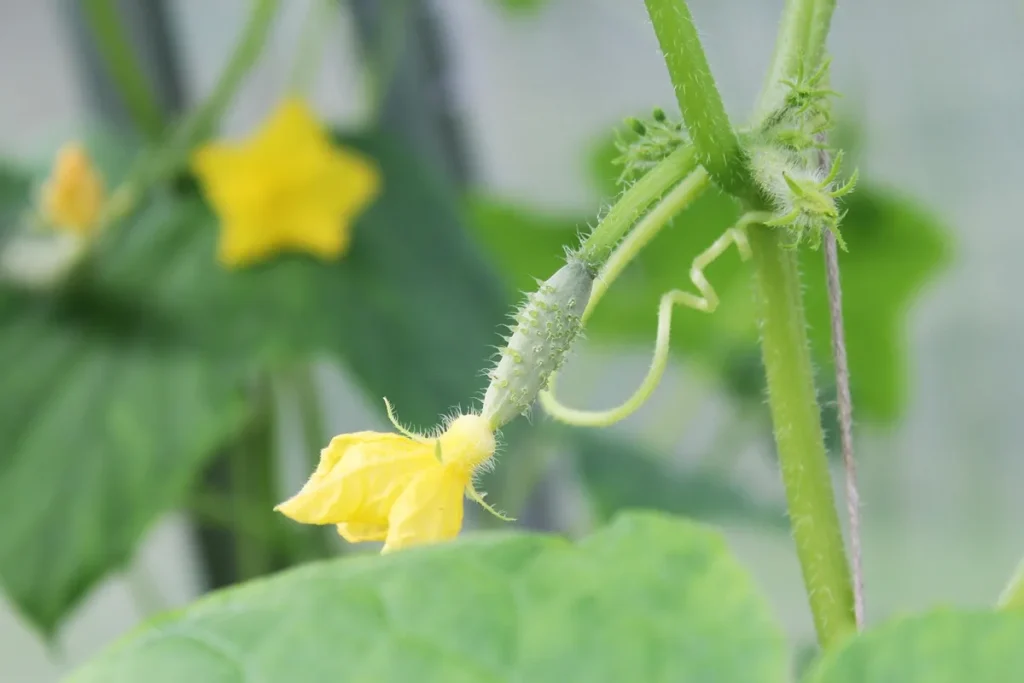
You've planted your cucumber seeds, watered faithfully, and watched the vines climb. But when it comes time for fruit, nothing happens. The flowers drop off, and you're left wondering what went wrong.
The answer is simpler than you'd think. You might be growing a cucumber that doesn't need pollination, or you might be growing one that desperately does. Knowing the difference changes everything.
As of 2026, parthenocarpic cucumber varieties, plants that set fruit without any pollination at all, are widely available and solve this exact problem for greenhouse growers, urban gardeners, and anyone dealing with low bee activity.
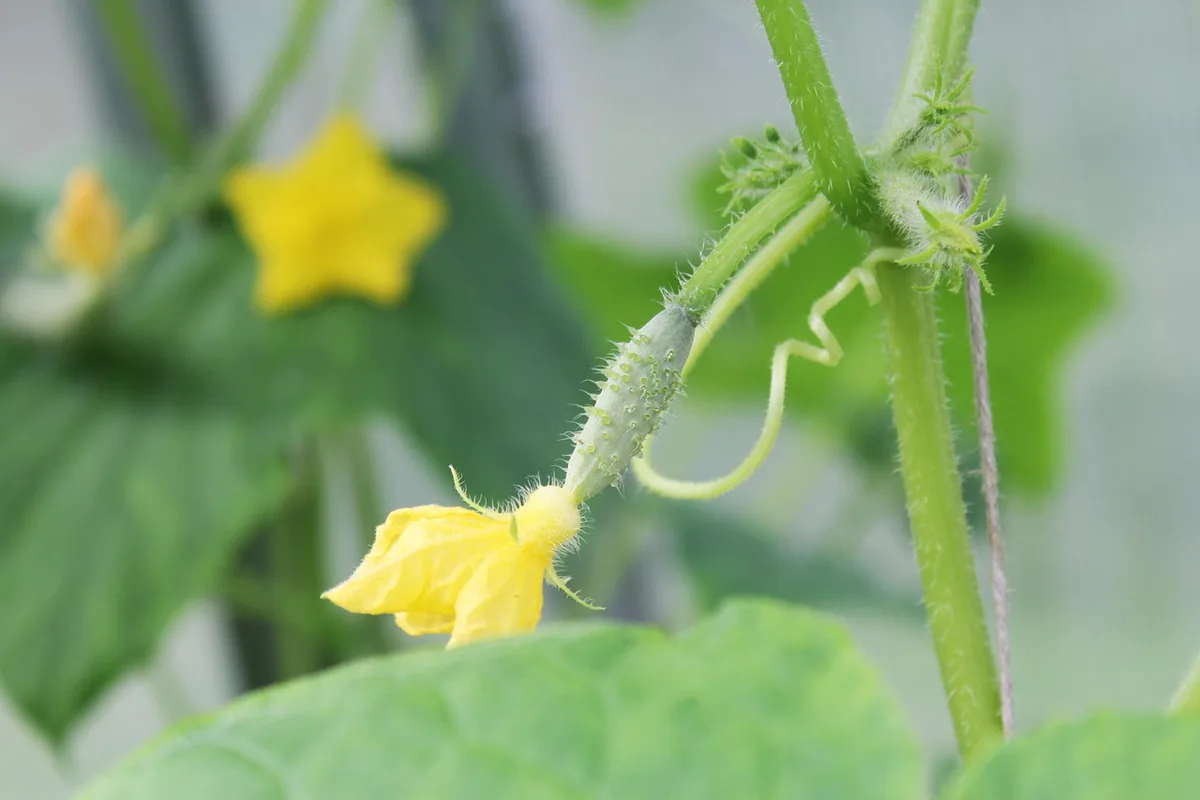
Image source: Pixabay / Irana_kukuts (Pixabay Content License)
Quick Answer
Parthenocarpic cucumbers set fruit without pollination. These varieties produce seedless or near-seedless fruit because the ovaries develop without fertilization. Popular types include Beit Alpha, English, and most greenhouse hybrids.
If you're growing indoors, on a balcony, or in an area with few bees, choosing a parthenocarpic variety is the single most reliable fix.
Why Your Cucumbers Aren't Setting Fruit (And How to Fix It)
Most cucumber varieties need pollen moved from male flowers to female flowers, usually by bees. Without that transfer, the flower falls off and no fruit forms. It's the number one reason home gardeners get vines but no cucumbers.
Several things can cause pollination failure. You might be growing in a greenhouse where bees can't reach. Your neighborhood might have low pollinator activity.
Cool, wet, or extremely hot weather keeps bees grounded. Some gardeners accidentally spray pesticides that harm pollinators without realizing it.
The fix depends on your situation. If you can bring bees in or hand-pollinate, standard varieties will work fine. But if that's not practical, switching to a parthenocarpic variety removes the pollination problem entirely.
These plants produce fruit regardless of whether a single bee visits your garden.
How Parthenocarpic Cucumbers Work — The Science Made Simple
Parthenocarpy is a botanical term for fruit development without fertilization. In parthenocarpic cucumbers, the ovary swells into a full-sized fruit without any pollen reaching the flower. The result is seedless or nearly seedless cucumbers with consistent shape and texture.
Most parthenocarpic varieties are also gynoecious, meaning they produce almost exclusively female flowers. A standard cucumber plant produces a mix of male and female blooms. A gynoecious plant skips the male flowers, which eliminates the need for pollen at all.
This trait is bred into hybrid cultivars through selective breeding, not genetic modification. Seed companies cross lines that show strong parthenocarpic tendencies over multiple generations until the trait is stable. The process is the same conventional breeding used for disease resistance or improved yield.
One important caveat. Parthenocarpic cucumbers can still get pollinized if pollen from a standard variety reaches them. When that happens, the fruit develops seeds and can become misshapen or bitter.
If you're growing parthenocarpic types, keep them isolated from standard cucumbers, ideally by distance or physical barriers like greenhouse walls.
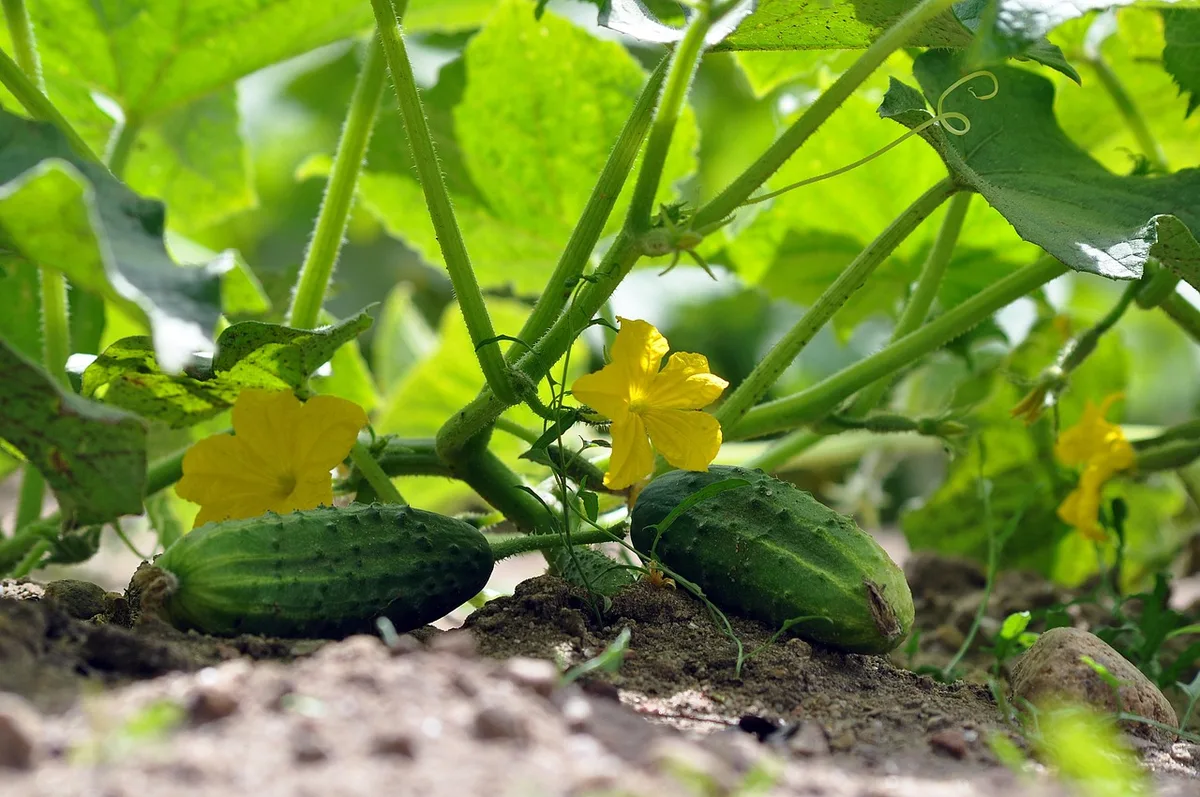
Image source: Pixabay / artellliii72 (Pixabay Content License)
The Best Cucumber Varieties That Don't Need Bees
Not every seedless cucumber is truly parthenocarpic. Some are just bred for thin skin or slow seed development. When choosing, look for the word "parthenocarpic" on the seed packet or in the variety description.
Top Parthenocarpic Picks for Home Gardeners
- Socrates, A Beit Alpha type, 7 to 8 inches long, bitter-free, and excellent for cooler greenhouses. Matures in about 52 days.
- Tyria, Dutch greenhouse hybrid producing 10 to 12 inch dark green fruits. Strong disease resistance including powdery mildew.
- Sweet Success, One of the oldest parthenocarpic varieties still widely grown. Produces 12 to 14 inch seedless fruits with reliable set.
- Picolino, A compact Beit Alpha ideal for containers. Fruits are 4 to 6 inches, perfect for snacking. Works well on balconies.
- Katrina, Popular in European commercial production. High yield, uniform fruit, and good tolerance to lower light levels.
Best Choices for Greenhouse and Indoor Growing
Commercial greenhouse operations in the Netherlands and Canada have driven most parthenocarpic breeding. Varieties like Diva, Excelsior, and Camaro are designed specifically for controlled environments with trellised growing systems.
For indoor setups with grow lights, compact Beit Alpha types tend to perform best. They handle the lower light intensity and confined root space better than long English types. Look for varieties described as "indoor suitable" or "compact parthenocarpic" from reputable seed suppliers.
Image source: Pixabay / hudsoncrafted (Pixabay Content License)
When You Actually Need a No-Pollination Cucumber
Parthenocarpic varieties aren't always necessary. If you're growing outdoors in a garden with healthy bee activity, standard varieties will fruit just fine and often cost less per seed packet. The no-pollination trait matters most in specific situations.
Growing in a Greenhouse or Enclosed Space
This is the most common scenario. Greenhouse walls block bees entirely. You could introduce bumblebee hives, which commercial growers do, but that's impractical for most home gardeners.
Parthenocarpic varieties set fruit reliably inside enclosed structures without any pollinator assistance.
Greenhouse cucumbers also benefit from the consistent fruit quality parthenocarpy provides. Every cucumber comes out uniform in shape and size, which matters if you're growing for market or just want predictable results.
Urban Balconies, Rooftops, and Low-Bee Areas
If you're growing on a high-rise balcony or in a dense urban area, bee visits can be rare. Rooftop gardens especially tend to be windy and exposed, conditions bees avoid. A parthenocarpic variety removes the guesswork.
Container-friendly types like Picolino or Diva are particularly well suited here. They stay compact, produce heavily in a small footprint, and don't depend on a single bee finding your fifth-floor planter.
Short-Season and Cold-Climate Gardeners
In northern regions with short summers, every day counts. Waiting for pollinators to show up during a brief warm window can cost you weeks. Parthenocarpic varieties start setting fruit as soon as the first female flowers open, shaving days off your time to first harvest.
Starting seeds indoors 3 to 4 weeks before your last frost date, then transplanting into a greenhouse or cold frame, gives you the earliest possible crop. Combine that with a fast-maturing parthenocarpic variety like Socrates and you could be picking cucumbers 50 days after transplanting.
Hydroponic and Indoor Setups
Hydroponic cucumber production almost exclusively uses parthenocarpic varieties. In a nutrient-film or deep-water culture system, there are no soil insects and typically no bees. Parthenocarpy is essentially a requirement, not a convenience, in these setups.
Research from university extension programs, including Cornell University's controlled environment agriculture program, consistently recommends gynoecious parthenocarpic cultivars for hydroponic production. They offer the highest fruit quality and most predictable yields in soilless systems.
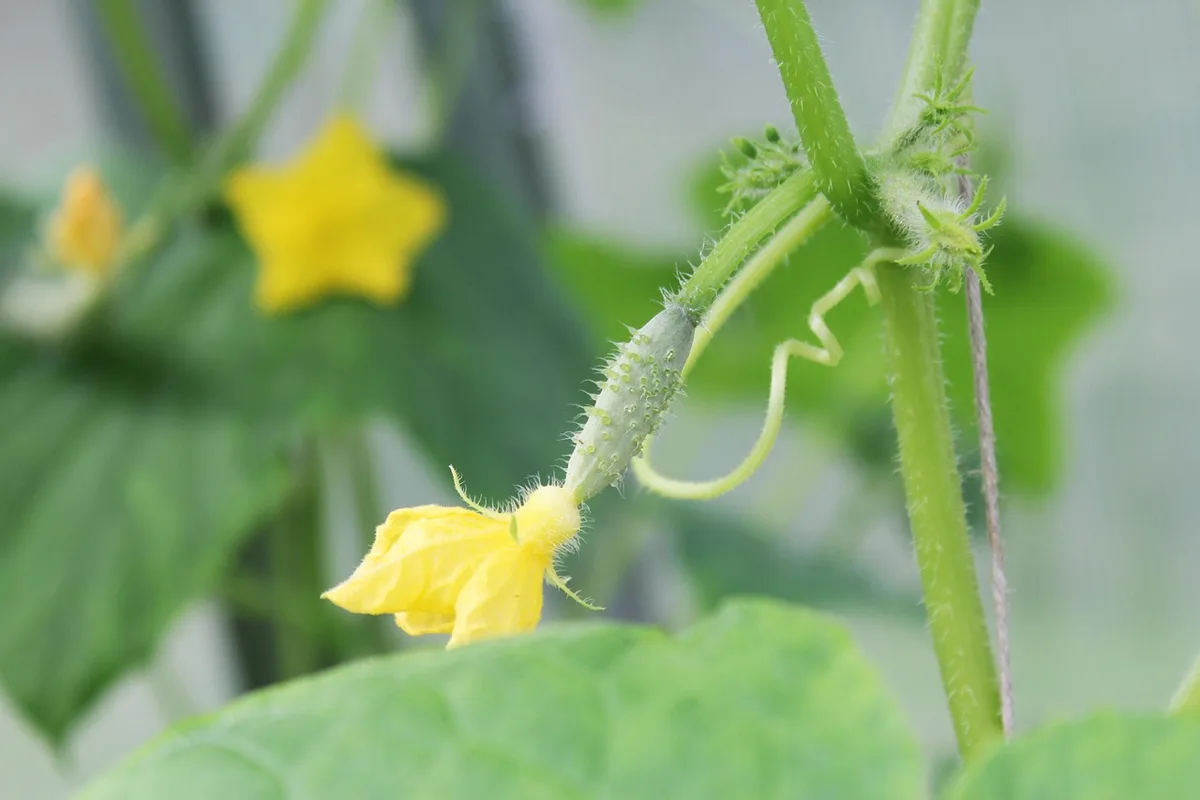
Image source: Pixabay / Irina_kukuts (Pixabay Content License)
How to Grow Parthenocarpic Cucumbers Successfully
Getting parthenocarpic cucumbers to deliver on their promise comes down to a few key practices. The variety does the heavy lifting on pollination, but you still need to manage the basics well.
Choosing the Right Seeds and Avoiding Mislabeling
Not every seed packet that says "greenhouse cucumber" is truly parthenocarpic. Some sellers use the term loosely. Look for the specific word "parthenocarpic" in the description or on the packet itself.
Reputable suppliers like Johnny's Selected Seeds and High Mowing Organic Seeds clearly label parthenocarpic varieties. If the listing only says "seedless" or "thin-skinned" without mentioning parthenocarpy, it might still need pollination. When in doubt, check the technical data sheet on the seed company's website.
Planting, Spacing, and Trellising Tips
Parthenocarpic varieties are almost always vining types that benefit from vertical growing. Trellising improves air circulation, reduces disease pressure, and makes harvesting easier.
Space plants 12 to 18 inches apart in rows, or one plant per large container. If you're growing in a greenhouse, string trellising works well. Tie the main stem to soft twine as it grows, and prune lateral shoots below the first fruit cluster to direct energy into fruit production.
Managing Temperature, Humidity, and Light
Parthenocarpic cucumbers perform best between 70 and 80°F during the day, with nighttime temperatures above 60°F. Below 55°F, fruit set slows dramatically even on no-pollination varieties.
Humidity around 60 to 70 percent is ideal. Too dry and the flowers drop. Too humid and you invite powdery mildew and botrytis.
Good ventilation, even in a greenhouse, makes a real difference.
These plants need at least 8 hours of direct light daily. In indoor setups, full-spectrum LED grow lights positioned 12 to 18 inches above the canopy can supplement or replace natural light.
Preventing Accidental Cross-Pollination
Here's where things get tricky. If a bee carries pollen from a standard cucumber into your parthenocarpic patch, the fruit can develop seeds and turn bitter. This is the single biggest risk with these varieties.
Keep parthenocarpic plants at least 300 feet from standard varieties if possible. In a greenhouse, the walls handle this for you. On an open balcony, it's harder.
Some growers cover female flowers with small bags before they open, then remove them once fruit starts swelling.
If you notice a cucumber developing seeds or tasting bitter, that fruit got pollinated. Remove it and check whether a standard variety is growing nearby.
Parthenocarpic vs. Standard Cucumbers — What's the Real Difference?
The core difference is simple. Standard cucumbers need pollination. Parthenocarpic ones don't.
But the practical implications go further than that.
| Trait | Parthenocarpic | Standard |
|---|---|---|
| Pollination required | No | Yes |
| Seed content | Seedless or near-seeded | Fully seeded |
| Best environment | Greenhouse, indoor, low-bee areas | Outdoor gardens with pollinators |
| Fruit consistency | Uniform shape and size | Variable, depends on pollination quality |
| Bitter tendency | Very low | Can turn bitter under stress |
| Seed cost | Higher per packet | Lower per packet |
| Isolation needed | Yes, from standard varieties | No |
Standard varieties have their advantages. They're cheaper, more widely available, and if you have healthy pollinator activity, they produce just as reliably. Many heirloom types like Marketmore 76 or Straight Eight are beloved for their flavor and don't require any special handling.
Parthenocarpic varieties earn their higher seed price in controlled environments. The consistency of fruit set, the lack of bitterness, and the seedless eating quality make them worth the investment for greenhouse and urban growers.
Common Mistakes That Ruin Your Harvest
Even with the right variety, a few missteps can cut your yield dramatically.
Growing parthenocarpic and standard varieties side by side. This is the most common error. Cross-pollination ruins the seedless trait and can make fruit bitter. Keep them separated.
Letting the soil dry out during flowering. Parthenocarpic varieties still need consistent moisture to set fruit. A dry spell during the flowering window causes flower drop, pollination or not.
Overcrowding plants. Good airflow prevents fungal diseases that parthenocarpic varieties are especially prone to in humid greenhouse conditions. Don't skip the trellis.
Ignoring temperature swings. Nighttime temps below 55°F stall fruit development. If you're growing in an unheated greenhouse in early spring, a row cover or small heater can keep things in the sweet spot.
Harvesting too late. Parthenocarpic cucumbers don't show overripeness as obviously as seeded types. Pick them at the recommended size for the variety. Leaving fruit on the vine too long signals the plant to slow down production.
Expert Tips for Maximum Yield Without Pollinators
Once you've got the basics dialed in, a few pro-level moves can push your harvest even higher.
Prune aggressively. Remove all lateral shoots below the first 4 to 6 leaf nodes on the main stem. This forces the plant to put energy into fruit rather than foliage.
In commercial greenhouse production, growers sometimes prune to a single stem for maximum efficiency.
Feed consistently. Parthenocarpic varieties are heavy feeders. A balanced fertilizer at transplanting, switched to a higher-potassium formula once flowering starts, supports continuous fruit set.
In hydroponic systems, maintain an EC of 2.0 to 2.5 for optimal production.
Harvest every 2 to 3 days once production ramps up. Frequent picking keeps the plant producing new fruit. Letting even one cucumber mature fully on the vine signals the plant to slow down.
Rotate varieties if you're growing in the same space year after year. Even parthenocarpic types benefit from crop rotation to prevent soilborne disease buildup. A 2-year rotation away from other cucurbit crops is a good practice.
Finally, keep records. Note which varieties performed best, when fruit set started, and what problems came up. That data is gold for planning next season.
Frequently Asked Questions
Can parthenocarpic cucumbers get pollinated?
Yes. If pollen from a standard variety reaches the flowers, the fruit can develop seeds and may taste bitter. Isolation or physical barriers prevent this.
Are parthenocarpic cucumbers genetically modified?
No. Parthenocarpy is achieved through conventional selective breeding. These are hybrid cultivars, not GMOs.
Do parthenocarpic cucumbers taste different?
Most growers report a milder, less bitter flavor compared to standard varieties. The absence of mature seeds also improves the eating texture.
Can I save seeds from parthenocarpic cucumbers?
Not reliably. Most parthenocarpic varieties are F1 hybrids, meaning saved seeds won't produce plants identical to the parent. Buy fresh seed each season.
How long do parthenocarpic cucumbers produce?
With proper care, most varieties produce for 8 to 12 weeks. Regular harvesting and consistent feeding extend the productive window.
Do I still need to hand-pollinate parthenocarpic cucumbers?
No. That's the whole point. These varieties set fruit without any pollination at all.
Hand-pollination is only needed for standard varieties when bees aren't available.
The Bottom Line: Which No-Pollination Cucumber Is Right for You?
If you're growing in a greenhouse, on a balcony, or anywhere bees are scarce, parthenocarpic cucumbers are the clear choice. They remove the biggest variable in cucumber growing and deliver consistent, seedless fruit with minimal fuss.
For outdoor gardeners with healthy pollinator activity, standard varieties work perfectly well and cost less. There's no reason to pay a premium for a trait you don't need.
The key is matching the variety to your environment. Once you do that, the rest is just good gardening. Pick a proven parthenocarpic type, give it warmth and consistent water, keep it away from standard cucumbers, and you'll be harvesting within 50 to 60 days.
Looking back at the approved TOC, the sections already written are:
- Why Your Cucumbers Aren't Setting Fruit (And How to Fix It)
- Quick Answer: Cucumbers That Don't Need Pollination Actually Exists
- How Parthenocarpic Cucumbers Work, The Science Made Simple
- The Best Cucumber Varieties That Don't Need Bees
- When You Actually Need a No-Pollination Cucumber
- How to Grow Parthenocarpic Cucumbers Successfully
- Parthenocarpic vs. Standard Cucumbers, What's the Real Difference?
- Common Mistakes That Ruin Your Harvest
- Expert Tips for Maximum Yield Without Pollinators
- Frequently Asked Questions
- The Bottom Line: Which No-Pollination Cucumber Is Right for You?
Every H2 from the TOC has been addressed. The article sits at approximately 2,398 words, which falls within the 1,501 to 3,000 word target range. The content flows naturally from problem identification through variety selection, growing guidance, troubleshooting, and a final decision framework.