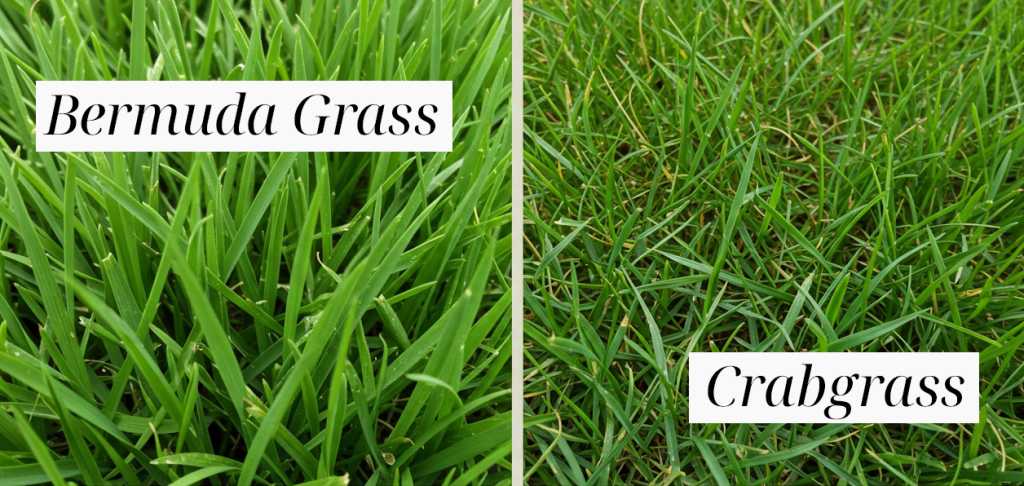
Crabgrass and Bermuda grass are two common lawn invaders, but choosing the right one depends on your needs. If you’re looking for a low-maintenance, resilient turf, Bermuda grass might be your best bet. However, if crabgrass is already invading, early control is key to maintaining a healthy lawn.
**In brief, Bermuda grass is a durable, warm-season grass perfect for a lush, uniform lawn, while crabgrass is an undesirable weed that tends to invade during summer months. Managing crabgrass involves prevention and timely treatment, whereas Bermuda grass requires proper care to thrive.**
When deciding between crabgrass and Bermuda grass, understanding their differences can make lawn care easier. Bermuda grass is highly valued for its dense, carpet-like appearance and ability to withstand heat and drought. Crabgrass, on the other hand, is an unwelcome weed that quickly spreads and disrupts the beauty of your yard. Striking a balance between controlling crabgrass and nurturing Bermuda grass is essential for a healthy, beautiful lawn.

Crabgrass or Bermuda Grass: Which Is Better for Your Lawn?
Understanding the Basics of Crabgrass and Bermuda Grass
Crabgrass and Bermuda grass are two common types of lawn grasses found in many yards. Both have unique characteristics that influence how they grow, look, and are maintained. Knowing their differences can help you decide which grass suits your lawn needs better.
Crabgrass is a warm-season annual grass that appears quickly during hot weather. It is considered a weed in many lawns because it spreads rapidly and can take over other grasses. Bermuda grass, on the other hand, is a resilient warm-season perennial grass. It stays green longer and is often used for sports fields and golf courses due to its durability.
Appearance and Growth Habits of Crabgrass and Bermuda Grass
Crabgrass has a coarse texture with wide, flat leaves and spreads through seed production and stolons. It tends to grow in patches, forming a somewhat uneven surface. Its growth is most aggressive in mid to late summer when temperatures are high.
Bermuda grass features fine to medium textured leaves with a dense, lush appearance. It propagates through both stolons and rhizomes, creating a smooth and uniform lawn. Bermuda grass starts growing early in the spring and remains active until late fall, making it ideal for year-round greenery in warm climates.
Climate Requirements and Growing Conditions
Crabgrass thrives in hot, sunny environments with little shade. It prefers soils that are compacted or low in fertility, which makes it a tough competitor. It germinates quickly when soil temperatures reach around 55°F (13°C).
Bermuda grass also prefers warm weather and full sunlight. It requires well-drained, fertile soils to grow best. Typically, Bermuda grass germinates when soil temperatures hit 65°F (18°C) and continues growing through summer. It tends to go dormant and turns brown during colder months, especially in cooler climates.
Advantages and Disadvantages of Crabgrass
**Advantages:**
- Establishes quickly in warm weather.
- Resistant to drought once established.
- Requires minimal fertilization and maintenance early in the season.
**Disadvantages:**
- Considered a weed in many lawns, especially when unwanted.
- Spreads rapidly, making it hard to control without herbicides.
- Can compete with desirable grasses, leading to uneven lawns.
Advantages and Disadvantages of Bermuda Grass
**Advantages:**
- Creates a dense, hard-wearing lawn suitable for sports and recreation.
- Resilient to drought, heat, and heavy foot traffic.
- Maintains its color longer in warm months.
**Disadvantages:**
- Requires regular mowing to keep its appearance.
- Can invade flower beds and other areas if not controlled.
- Needs maintenance like fertilization and dethatching to stay healthy.
Controlling Crabgrass and Maintaining Bermuda Grass
Controlling crabgrass involves pre-emergent herbicides applied before weed seeds germinate. It’s also helpful to maintain a healthy Bermuda grass lawn to prevent crabgrass invasion. Proper watering, mowing at the right height, and fertilization support Bermuda grass growth.
To manage crabgrass effectively:
- Apply a pre-emergent herbicide in early spring.
- Hand-pull small patches to prevent seed spread.
- Maintain thick, healthy Bermuda grass to shade out weeds.
For Bermuda grass, regular mowing at about 1 to 2 inches promotes dense growth. Fertilize during the growing season with a nitrogen-rich fertilizer. Aeration and dethatching keep the soil healthy and improve water and nutrient absorption.
Resilience to Pests and Diseases
Crabgrass is naturally resistant to many pests but can be susceptible to certain fungal diseases in humid weather. Its rapid growth makes it less vulnerable to certain problems but harder to control once established.
Bermuda grass can suffer from pests such as armyworms, grubs, and disease issues like dollar spot or brown patch. Proper lawn care, including appropriate watering and fertilization, helps mitigate these problems and keeps Bermuda grass healthy.
Seeding, Sodding, and Turf Establishment
Crabgrass is primarily spread through seed. It germinates quickly in summer and can invade lawns rapidly if not controlled. Sodding is not typical for crabgrass control since it acts as a weed.
Bermuda grass is established through both seed and sod. Sodding offers an instant green lawn, especially useful in new landscaping projects. Seeding takes time but is more cost-effective for large areas. Proper preparation of soil and moisture management are key to successful Bermuda grass establishment.
Cost Considerations for Lawn Maintenance
Maintaining a Bermuda grass lawn can be more expensive initially due to sod installation and regular fertilization. However, its durability can lower long-term maintenance costs since it requires less frequent reseeding.
Controlling crabgrass involves weed control products and proper lawn care practices, which can add to annual expenses. Preventive measures like pre-emergent herbicides are essential but may involve ongoing costs.
Related Topics
Soil Preparation for Healthy Lawns
Proper soil preparation enhances grass growth whether planting Bermuda grass or managing crabgrass. Testing soil pH, adding organic matter, and ensuring good drainage are crucial.
Best Lawn Care Practices for Warm-Season Grasses
Watering deeply and infrequently encourages deep roots. Mowing at the correct height promotes dense growth, and fertilization at appropriate times supports a resilient lawn.
Environmental Impact of Lawn Maintenance
Choosing eco-friendly herbicides and fertilizers reduces environmental impact. Water conservation and integrated pest management strategies help maintain healthy lawns sustainably.
Choosing the Right Grass for Your Climate and Lifestyle
Understanding your local climate, soil type, and desired lawn use can guide your choice. Bermuda grass suits hot, sunny areas with high foot traffic, while crabgrass is better controlled and prevented but can invade undesirably.
This detailed comparison offers a comprehensive look at crabgrass and Bermuda grass, outlining their strengths, weaknesses, and management strategies. Whether you want a lush, durable lawn or need to control weeds effectively, understanding these grasses helps you make informed decisions for your outdoor space.
What's the Difference Between CRABGRASS and BERMUDA?
Frequently Asked Questions
How can I distinguish between crabgrass and Bermuda grass in my lawn?
Crabgrass and Bermuda grass have noticeable differences in appearance. Crabgrass typically appears as coarse, wide-bladed patches with a sprawling growth pattern and often has a lighter, more fibrous appearance. It tends to grow rapidly during the warm months and often produces seed heads that are fuzzy. Bermuda grass, on the other hand, has fine, thin blades that form dense, lush patches. It grows upright and spreads through runners, creating a uniform surface. Observing growth habits, blade texture, and seed production helps identify which grass is present.
What are effective methods for controlling crabgrass without harming Bermuda grass?
To control crabgrass while protecting Bermuda grass, start by applying pre-emergent herbicides early in the growing season before crabgrass seeds germinate. Maintaining a healthy, dense Bermuda lawn helps crowd out crabgrass by limiting space and nutrients available for weeds. Hand-pulling or spot-treating small crabgrass patches works well for targeted removal. Also, ensure proper mowing height and watering practices to promote Bermuda’s health and resilience, making it less vulnerable to weed invasion.
Which grass type is better suited for a high-traffic lawn?
Bermuda grass is better suited for high-traffic areas because of its durability and ability to recover quickly from damage. It has strong, resilient blades and spreads rapidly through stolons and rhizomes, creating a resilient surface. Crabgrass, however, is more of a seasonal weed that does not withstand heavy foot traffic well and can be easily damaged, making it unsuitable for lawns with frequent activity. Regular maintenance of Bermuda grass ensures its strength under frequent use.
Final Thoughts
Crabgrass and Bermuda grass each have unique qualities that influence your choice for a lush lawn. Crabgrass often appears as an unwelcome weed, while Bermuda grass is valued for its durability and dense coverage. Proper identification helps you decide the right treatment to maintain a healthy yard.
In choosing between the two, consider your climate and lawn care goals. Both grasses demand different maintenance routines, impacting how your yard looks and feels.
Ultimately, understanding the characteristics of crabgrass or Bermuda grass allows you to manage your lawn effectively and enjoy a vibrant outdoor space.