Zoysia grass and Bermuda grass each have their devoted fans, but choosing between them can be tricky. If you’re looking for a lush, low-maintenance lawn that withstands heat and foot traffic, your choice can make all the difference. In short, Zoysia grass is slower to establish but offers a softer, greener lawn year-round, while Bermuda grass is more aggressive, perfect for durability and quick recovery.
For a quick solution—if you want a plush, cooler feel with better shade tolerance, go with Zoysia. If you need a hardy, fast-growing turf that handles hot summers and frequent use, Bermuda is the way to go.
Both grasses have unique strengths suited to different needs and climates. Understanding their characteristics can help you decide which grass will thrive best in your yard and fit your maintenance style. Now, let’s explore the differences in more detail to help you make an informed choice.

Zoysia Grass vs Bermuda: A Comprehensive Comparison for Your Lawn
Introduction to Zoysia Grass and Bermuda Grass
Zoysia grass and Bermuda grass are two popular choices for lawns and lawns in warm climates. Both grasses offer unique benefits and challenges, making them suitable for different homeowner needs. Understanding their characteristics helps you choose the best option for your yard.
Growth Habits and Appearance
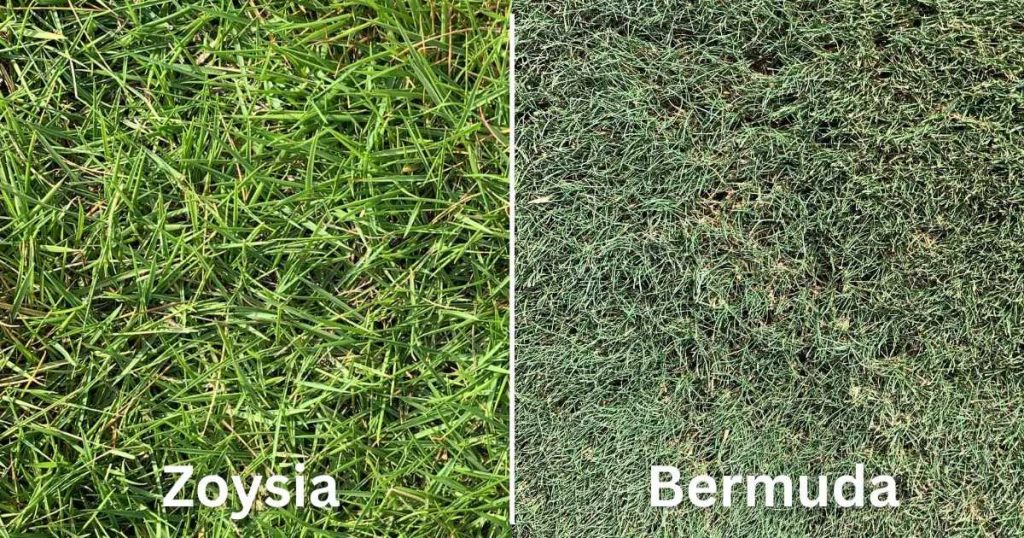
Zoysia grass has a dense, lush appearance with fine to medium blades. It grows slowly but forms a thick, carpet-like turf that looks tidy and attractive.
Bermuda grass, on the other hand, has a coarser texture with broad blades. It spreads quickly through runners, creating a more open but vigorous turf.
The visual difference between the two grasses can influence your lawn’s overall look — Zoysia provides a softer, plush look, while Bermuda appears more vigorous and textured.
Climate Compatibility
Temperature Tolerance
Zoysia thrives in zones 6 through 10, tolerating heat and some cold. It is more cold-tolerant than Bermuda and stays green longer in cooler weather.
Bermuda prefers zones 7 through 11, thriving in hot, sunny environments. It can struggle in areas with frequent cold spells or frost.
Sunlight Requirements
Both grasses need full sunlight to develop best. Bermuda requires at least 6 hours of direct sun daily for optimal growth.
Zoysia also prefers full sun but can handle partial shade better than Bermuda, making it a good option for shaded lawns.
Maintenance and Care
Water Needs
Bermuda grass requires moderate watering but can handle drought once established. It becomes dormant and brown during dry periods.
Zoysia is drought-tolerant once mature and maintains its green color longer during dry spells. However, it still needs regular watering for best appearance.
Fertilizer and Nutrients
Bermuda responds well to regular fertilization, especially with nitrogen. It needs frequent feeding to stay lush and healthy.
Zoysia requires less fertilizer and grows slower, reducing the frequency of feeding. Over-fertilization can lead to thatch buildup.
mowing and Trimming
Bermuda grass grows quickly and needs frequent mowing, often weekly during peak season. It tolerates low mowing heights for a manicured look.
Zoysia’s slower growth means less mowing. It prefers higher mowing heights, around 1.5 to 2 inches, to keep it healthy.
Durability and Wear Tolerance
Traffic Resistance
Bermuda grass is highly durable and resistant to heavy foot traffic, making it a great choice for lawns used frequently or for sports fields.
Zoysia has moderate wear tolerance. It can handle some foot traffic but may need time to recover after heavy use.
Resilience to Diseases and Pests
Bermuda is prone to certain pests like armyworms and lawn insects but generally resists most diseases.
Zoysia is more resistant to pests and diseases but can develop issues like thatch if not properly maintained.
Cold and Shade Tolerance
Cold Tolerance
Zoysia performs better in cooler climates and can stay green longer in fall and winter.
Bermuda tends to go dormant earlier in the season and turns brown during colder weather, needing more protection in winter zones.
Shade Tolerance
Zoysia offers better shade tolerance and can grow well in partially shaded areas.
Bermuda requires full sun and may thin out or turn brown if there isn’t enough direct light.
Cost and Establishment
Initial Cost and Seeding
Bermuda grass is easier and cheaper to establish through seed or sprigs, making it a cost-effective choice for large areas.
Zoysia is more expensive initially, often needing sod or plugs for proper establishment, and takes longer to grow.
Long-Term Cost Considerations
Due to its slower growth, Zoysia may require less frequent mowing and fertilization, saving money over time.
Bermuda’s rapid growth increases maintenance costs but allows faster lawn establishment.
Environmental Impact and Sustainability
Water Conservation
Zoysia’s drought tolerance makes it more eco-friendly in dry climates, reducing water bills and conservation efforts.
Bermuda needs regular watering during dry periods but can be more resilient during high heat.
Use of Chemicals
Both grasses benefit from minimal chemical use if properly maintained but may need pesticides or herbicides to control pests and weeds.
Choosing between Zoysia grass and Bermuda grass depends on your climate, lawn usage, and maintenance preferences. Zoysia offers a softer look, shade tolerance, and drought resistance, making it ideal for shaded or cooler areas. Bermuda provides a hardier, fast-growing turf perfect for active, sunny locations. Consider your specific needs to select the best grass for your yard and enjoy a lush, healthy lawn.
Zoysia Grass vs Bermuda Grass for Lawns
Frequently Asked Questions
What are the maintenance differences between Zoysia grass and Bermuda grass?
Zoysia grass generally requires less frequent mowing and fertilization compared to Bermuda grass. It tends to be more tolerant of shade and drought, reducing watering needs and maintenance efforts. Bermuda grass, on the other hand, demands regular mowing, frequent fertilization, and consistent watering to stay healthy, especially during the peak growing season.
How do Zoysia and Bermuda grasses perform in different climate conditions?
Zoysia grass thrives in warm climates and handles cooler temperatures better than Bermuda grass, which prefers hot, sunny environments. In areas with mild winters, Zoysia provides year-round greenery with less risk of winter kill. Bermuda grass remains lush during hot summers but can go dormant in cooler weather, turning brown until temperatures rise again.
Which grass type offers better resistance to pests and diseases?
Zoysia grass shows strong resistance to many common pests and diseases, making it suitable for low-maintenance landscapes. Bermuda grass can be more prone to pest infestations and diseases like dollar spot and brown patch, especially if not properly maintained. Regular care and proper fertilization help manage these issues in Bermuda lawns.
How do Zoysia and Bermuda grasses compare in terms of aesthetic appeal?
Zoysia grass offers a dense, fine-textured appearance that provides a lush, velvet-like surface, ideal for aesthetic appeal. Bermuda grass has a coarser texture and a more open growth pattern, which can sometimes require more frequent grooming to maintain a tidy look. The choice depends on desired lawn aesthetics and the level of maintenance willing to undertake.
What are the differences in their growth rates and coverage abilities?
Bermuda grass spreads quickly through runners, establishing turf rapidly and filling in gaps effectively. Zoysia grass grows more slowly, but it forms a dense mat that competes well with weeds once established. The slower growth of Zoysia means it takes longer to fully develop a thick lawn, but it can provide long-lasting coverage with less frequent maintenance.
Final Thoughts
Zoysia grass and Bermuda grass each offer unique benefits for lawns. Zoysia provides excellent tolerance to shade and maintains a lush appearance with minimal watering. Bermuda thrives in full sun and quickly recovers from wear, making it ideal for high-traffic areas.
Choosing between the two depends on your specific needs and climate conditions. For shaded yards, zoysia may be the better option, while Bermuda suits those seeking a fast-growing, sun-loving turf.
In conclusion, ‘zoysia grass vs bermuda’ highlights the importance of matching grass type to your environment and lifestyle, ensuring a beautiful, healthy lawn.