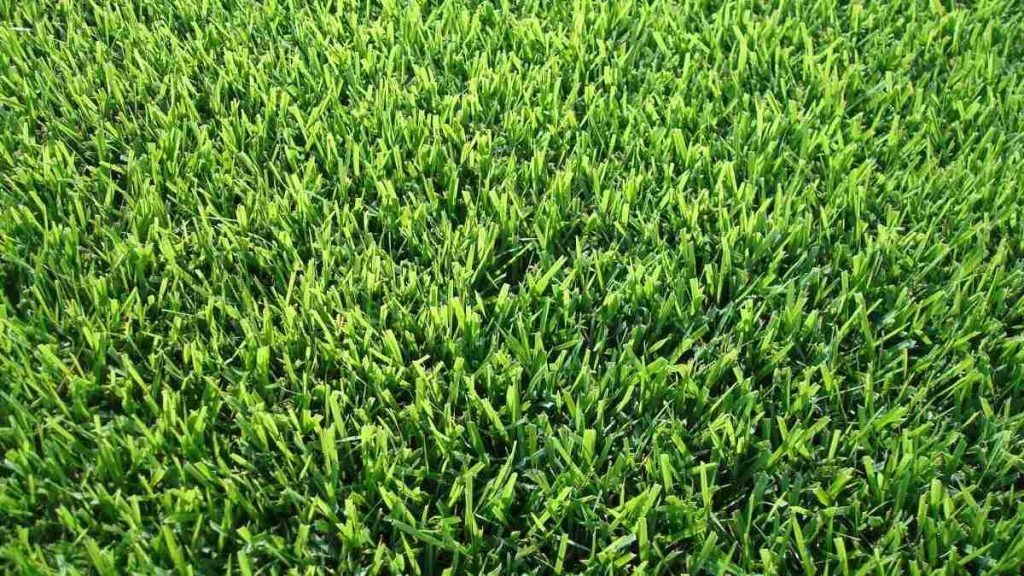
Yes, you can mix Bermuda and Zoysia grass, but it requires some careful planning. Combining these two grasses can create a lush, resilient lawn, but their differing growth habits and maintenance needs must be considered. Mixing Bermuda, known for its fast growth and heat tolerance, with Zoysia, prized for its dense and slow-growing nature, can be successful if managed properly.
**Short summary:** Yes, you can mix Bermuda and Zoysia grasses to create a beautiful, hardy lawn. However, it’s important to understand their differences and ensure proper care to maintain a healthy mixture.
Getting your lawn just right can feel like an art form, especially when considering combining different types of grass. Bermuda and Zoysia are two popular choices, each offering unique benefits—Bermuda is vigorous and sun-loving, while Zoysia provides a soft, dense carpet with excellent drought resistance. Mixing them can give you the best of both worlds, but it’s not as simple as planting both side by side. This article explores whether combining Bermuda and Zoysia is a good idea, what factors to consider, and how to do it successfully for a vibrant, resilient yard that stands out. Whether you’re aiming for a lush green paradise or just exploring options, keep reading for all the tips you need!

Can You Mix Bermuda and Zoysia Grass? A Complete Guide
Understanding Bermuda and Zoysia Grass
Bermuda grass and Zoysia grass are two popular turfgrass choices for lawns, parks, and sports fields. Each has its unique features that make it suitable for different climates and uses. Knowing their characteristics helps determine if blending them is a good idea.
Characteristics of Bermuda Grass
Bermuda grass thrives in warm climates and is known for its vigorous growth. It creates a dense, lush lawn that heals quickly after damage. This grass prefers full sunlight and requires regular watering and fertilization.
Advantages of Bermuda Grass
- Excellent drought tolerance
- Fast growth rate
- Strong wear tolerance
- Bright green color year-round
Limitations of Bermuda Grass
- Sensitive to cold temperatures
- Requires frequent mowing
- Can become invasive if not controlled
Characteristics of Zoysia Grass
Zoysia grass is a slow-growing, hardy turf that handles both heat and cold well. It forms a soft, dense carpet perfect for low-maintenance lawns. Zoysia prefers some shade and moderate watering.
Advantages of Zoysia Grass
- Low mowing needs
- Excellent drought and cold tolerance
- Quietly competes with weeds
- Produces a fine, soft texture
Limitations of Zoysia Grass
- Slower recovery from damage
- Growing period is longer
- Requires patience during establishment
Can You Mix Bermuda and Zoysia Grass? Analyzing the Possibilities
Many homeowners wonder whether mixing these two grasses is feasible. The quick answer is yes, but with several considerations. Mixing can create a hybrid lawn that benefits from each grass’s strengths.
Why Consider Mixing Bermuda and Zoysia?
Combining Bermuda and Zoysia can enhance lawn resilience and aesthetic appeal. Bermuda offers density and quick repair, while Zoysia adds softness and better cold tolerance. The combination may reduce issues like invasive growth or patchiness.
Possible Benefits of Mixing
- Improved overall drought and wear resistance
- Color variation that looks natural
- Better adaptability to different sunlight conditions
- Reduced risk of invasive spread of Bermuda
Steps to Successfully Mix Bermuda and Zoysia
Establishing a mixed lawn requires careful planning. Here’s how to do it effectively:
Prepare the Soil
Start with soil testing to determine nutrient levels and pH. Amend the soil as needed to create a healthy foundation for both grasses.
Select Appropriate Varieties
Choose compatible Bermuda and Zoysia varieties suited to your climate and lawn conditions. Ensure they are compatible in growth habits and color.
Timing of Planting
Plant during the warm season when both grasses are actively growing. Spring or early summer works best in most regions.
Planting Method
You can use sod, plugs, or seed for Bermuda and Zoysia. Spreading plugs or sod allows for faster establishment and easier blending.
Spacing and Arrangement
Plant the grasses close enough to encourage blending but with enough space to monitor growth. Random placement creates a more natural look.
Managing a Mixed Bermuda and Zoysia Lawn
Proper maintenance ensures the grasses grow harmoniously. Some tips include:
Watering
Water deeply but infrequently. Adjust based on weather and grass needs, being careful not to overwater one type over the other.
Mowing
Set mower height according to the more delicate grass, usually Zoysia. This prevents damage and promotes even growth.
Fertilization
Use a balanced fertilizer tailored for warm-season grasses. Fertilize periodically for consistent growth across both types.
Controlling Invasive Growth
Bermuda’s aggressive spreading can take over Zoysia. Regular edging and overseeding Zoysia can help keep the grasses balanced.
Challenges and Considerations in Mixing Bermuda and Zoysia
While mixing can be successful, it does pose some challenges:
Growth Rate Discrepancies
Bermuda grows faster than Zoysia, which may lead to uneven patches. Regular overseeding and trimming help manage differences.
Color Contrasts
The shades of green may vary, impacting the uniformity of the lawn. Choosing compatible varieties minimizes stark contrasts.
Invasiveness and Competition
Bermuda’s invasive nature can overshadow Zoysia, making it important to control spread through edging or selective removal.
Related Topics for Lawn Enthusiasts
Expanding your knowledge on turf management can include topics like:
Best Grass for Hot Climates
Low-Maintenance Lawn Options
Choosing the Right Grass for Shade
Proper Lawn Care During Seasonal Changes
Summary of Key Points
Mixing Bermuda and Zoysia grass is a viable option if you plan carefully. It offers a blend of resilience, aesthetic diversity, and improved adaptability. Success depends on proper timing, planting technique, and ongoing maintenance.
Creating a mixed lawn with Bermuda and Zoysia grass involves understanding their unique qualities and managing how they grow together. With patience and consistent care, you can achieve a vibrant, durable lawn that benefits from the best of both types.
Seeding Bermuda Lawns and Zoysia Lawns
Frequently Asked Questions
Is it possible to create a seamless transition between Bermuda and Zoysia grass in a lawn?
Yes, it is possible to create a smooth transition between Bermuda and Zoysia grass. To achieve this, plant the grasses side by side and give each enough space to establish. Use a gradual blending technique, such as overseeding or thinning the edges, to help the grasses merge naturally over time. Proper mowing and watering routines will also encourage a harmonious appearance.
What challenges might I face when mixing Bermuda with Zoysia grass?
Mixing Bermuda and Zoysia grasses can lead to differences in growth rates, texture, and color, which may affect the uniformity of your lawn. Bermuda tends to grow quickly and spread aggressively, while Zoysia grows more slowly and forms a dense, fine texture. Managing these differences requires regular lawn care practices, including mowing at appropriate heights and controlling spread to maintain a balanced appearance.
Can combining Bermuda and Zoysia improve overall lawn resilience?
Yes, combining Bermuda and Zoysia can enhance your lawn’s resilience by leveraging their complementary strengths. Bermuda offers quick recovery from damage and good heat tolerance, while Zoysia adds density and drought resistance. Together, they can create a resilient turf that withstands various environmental stresses, provided you manage their growth properly through consistent maintenance.
Does mixing these grasses require specific soil conditions?
Both Bermuda and Zoysia prefer well-drained, fertile soils with a neutral to slightly acidic pH. When mixing, ensure your soil can support both grasses by conducting a soil test and amending it as needed. Good soil preparation promotes healthy root establishment and helps the grasses compete effectively, resulting in a more unified lawn.
How should I approach maintenance when growing Bermuda and Zoysia together?
Maintain a consistent mowing height suitable for both grasses, typically around 1 to 2 inches. Water deeply and infrequently to encourage deep root growth, and fertilize according to the specific needs of each grass type. Regular overseeding and controlling thatch buildup will also help keep both grasses healthy and prevent one from overtaking the other.
Final Thoughts
You can mix Bermuda and Zoysia grass to create a resilient and aesthetically pleasing lawn. However, differences in growth rates and maintenance needs can pose challenges. Proper planning and care ensure a successful blend.
Can you mix Bermuda and Zoysia grass? Yes, but it requires careful consideration of their compatibility. Understanding their characteristics helps prevent uneven growth and patchy areas. Choose compatible varieties and maintain consistent watering and fertilizing.
In conclusion, while mixing Bermuda and Zoysia grass is possible, it demands attention to detail and proper upkeep. The main keyword emphasizes the importance of understanding their compatibility to achieve a healthy, attractive lawn.