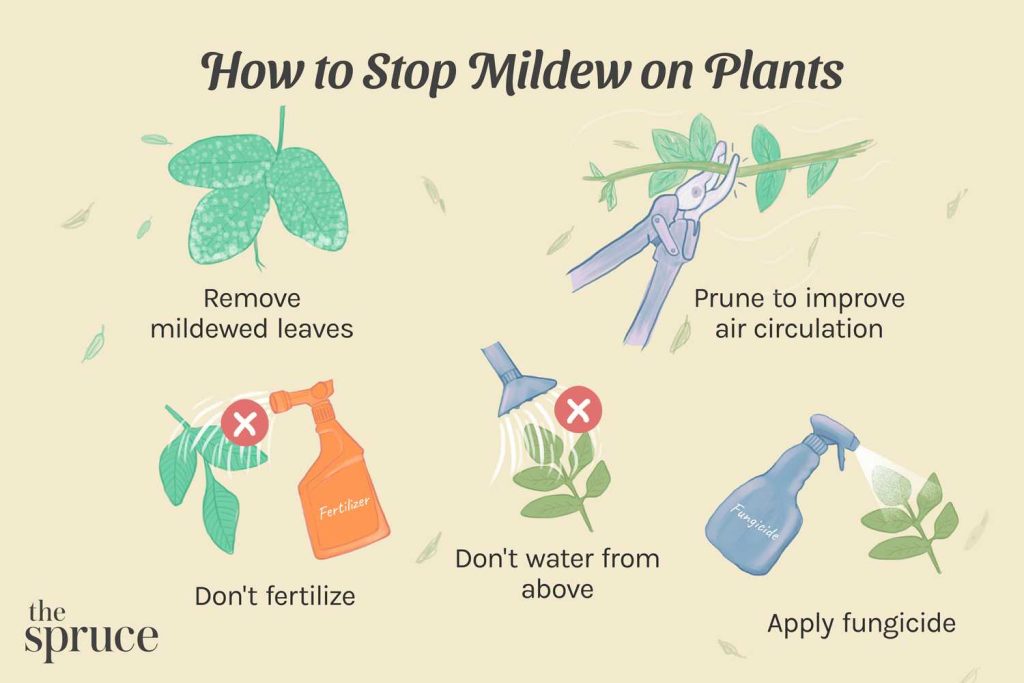
If you’re dealing with powdery mildew, the quickest solution is to apply a fungicide specifically formulated for this type of fungus or create a homemade remedy using baking soda and water. It’s a common issue for many gardeners, but the good news is that with the right treatment and prevention strategies, you can effectively manage and prevent its spread. Powdery mildew thrives in warm, dry conditions and can affect a wide range of plants, including your beloved flowers and vegetables. Understanding how to recognize the signs and implement effective treatments is crucial for maintaining healthy plants. In this article, we’ll explore various approaches to tackle powdery mildew, ensuring you keep your garden thriving and looking its best.

Powdery Mildew Treatment: A Comprehensive Guide
Powdery mildew is a common fungal disease that affects a wide variety of plants. It appears as a white, powdery substance on leaves, stems, and buds. Understanding how to treat and prevent powdery mildew is essential for any gardener or plant enthusiast. This guide will explore various aspects of powdery mildew treatment, including its identification, prevention strategies, and effective treatments.
What is Powdery Mildew?
Powdery mildew is caused by a group of fungi belonging to the order Erysiphales. These fungi thrive in warm, dry conditions and can spread rapidly in environments with high humidity. While powdery mildew primarily affects outdoor plants, it can also impact indoor plants.
Identifying Powdery Mildew
To effectively treat powdery mildew, you must first identify its presence. Look for the following signs:
- White or grayish powdery spots on leaves, stems, and flowers.
- Yellowing or browning leaves, which may eventually drop off.
- Stunted growth and reduced flowering or fruiting.
Conditions Favoring Powdery Mildew
Several environmental factors contribute to the development of powdery mildew. Understanding these conditions can help you prevent the disease.
- Warm temperatures: Powdery mildew thrives in temperatures between 60°F and 80°F.
- High humidity: Increased moisture can lead to higher chances of powdery mildew.
- Poor air circulation: Crowded plants with limited airflow are more susceptible.
Preventive Measures for Powdery Mildew
Prevention is always better than cure. Here are some effective strategies to reduce the risk of powdery mildew:
Proper Plant Spacing
Ensure your plants have adequate space between them. This improves air circulation and reduces humidity levels.
Watering Techniques
Water plants at the base rather than from above. This helps keep the leaves dry and less prone to fungal infections.
Choose Resistant Varieties
When selecting plants, consider choosing varieties that are resistant to powdery mildew. This can significantly reduce the chance of infection.
Regular Maintenance
Regularly inspect your plants for signs of powdery mildew. Remove any infected leaves as soon as they’re spotted to prevent the spread.
Powdery Mildew Treatments
If your plants are already affected, don’t worry. There are several effective treatments available.
Homemade Remedies
You can create effective treatments using common household ingredients. Here are a few options:
- Baking Soda Spray: Mix one tablespoon of baking soda with a gallon of water. Spray the affected areas every 7-14 days.
- Milk Solution: Combine one part milk with two parts water. Spray on the leaves to help control the fungus.
- Vinegar Solution: Mix one part vinegar with three parts water and apply to the affected areas. This solution should be used carefully, as it may damage some plants.
Chemical Treatments
If homemade remedies aren’t effective, consider using chemical treatments specifically designed for powdery mildew. Always follow label instructions for application.
- Fungicides: Products containing myclobutanil or propiconazole can be effective against powdery mildew.
- Organic Options: Neem oil and sulfur-based fungicides can also help control the spread.
When to Treat Powdery Mildew
Timing is essential when treating powdery mildew. The sooner you notice the symptoms, the better your chances of managing the outbreak. It’s advisable to begin treatments at the first signs of the fungus.
Regular Monitoring
Keep an eye on your plants, especially during warm, dry periods when powdery mildew is most likely to occur. Regular monitoring can help you catch it early.
Seasonal Treatment
Consider applying preventive treatments during the growing season. This proactive approach can minimize the risk of infection.
Post-Treatment Care
After treating your plants for powdery mildew, it’s important to provide proper care to ensure recovery.
Watering and Fertilizing
Avoid over-watering, which can create a humid environment conducive to mold growth. Fertilize plants as necessary to encourage healthy growth.
Sunlight Exposure
Ensure that your plants receive adequate sunlight. Direct sunlight helps to dry the leaves quickly and can inhibit the growth of mold.
Managing powdery mildew can be challenging, but with the right knowledge and tools, you can protect your plants effectively. By understanding how to identify, prevent, and treat this common fungal disease, you can ensure your garden remains healthy and vibrant. Regular maintenance, combined with natural and chemical treatments when necessary, can make a significant difference in the fight against powdery mildew. Always remember that a proactive approach is key to successful plant care.
In your gardening journey, remain vigilant and take action promptly to keep powdery mildew at bay!
Kill Powdery Mildew With This Natural Garden Remedy: Hydrogen Peroxide
Frequently Asked Questions
“`html
What are the signs of powdery mildew on plants?
Powdery mildew typically appears as white or grayish powdery spots on the leaves, stems, and buds of plants. You may also notice yellowing leaves, stunted growth, and distorted plant structures as the infection progresses. In severe cases, the affected leaves may curl and drop prematurely.
How can I prevent powdery mildew from affecting my plants?
To prevent powdery mildew, ensure proper air circulation around your plants by spacing them adequately. Avoid overhead watering, as moisture on leaves can encourage mildew growth. Additionally, select resistant plant varieties and apply preventative fungicides at the beginning of the growing season.
What home remedies can help treat powdery mildew?
Home remedies for treating powdery mildew include mixing water with baking soda and a few drops of liquid soap, then spraying it on the affected areas. Another option is to use milk diluted with water, which can help suppress the fungus. Always test a small area first to check for plant sensitivity.
When should I apply fungicides for powdery mildew?
Apply fungicides at the first sign of powdery mildew and follow the instructions on the product label. Reapply every 7 to 14 days, especially after heavy rainfall or if you see new signs of mildew. Early intervention is crucial to prevent further spread.
Can powdery mildew spread to other plants?
Yes, powdery mildew can easily spread to nearby plants via wind, insects, or contact with infected plant material. It is essential to monitor surrounding plants and take action promptly to avoid infestation and protect your garden.
“`
Final Thoughts
Effective powdery mildew treatment starts with early detection and proper care. Regularly inspect plants for signs of powdery mildew and ensure adequate air circulation around foliage.
Applying fungicides can help combat existing infections, while organic options like neem oil may be suitable for those preferring a natural method.
Healthy plants are less susceptible, so maintaining proper watering and fertilization practices supports overall plant vitality.
In summary, proactive measures and timely intervention are essential for successful powdery mildew treatment and to keep your plants thriving.