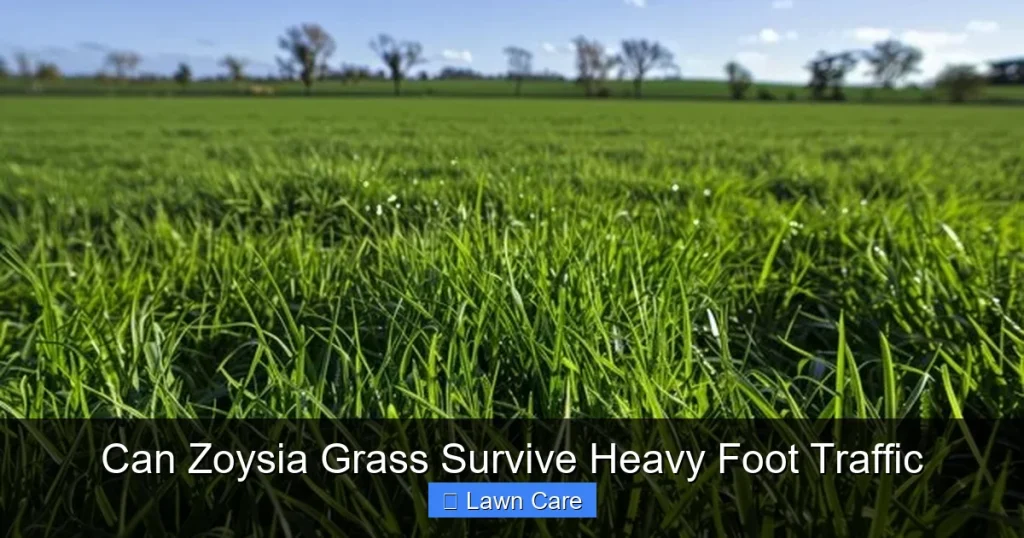
Yes, Zoysia grass can generally survive heavy foot traffic thanks to its dense growth and spreading rhizomes. However, consistent, extreme pressure can still cause damage. Proper care and management are key to maintaining a healthy Zoysia lawn in high-traffic areas.
Can Zoysia Grass Survive Heavy Foot Traffic
When you’re thinking about a lawn that can stand up to kids playing, pets romping, and maybe even a regular shortcut across the yard, you’re probably wondering about durability. We all want a beautiful lawn, but sometimes life happens, and that means our grass has to handle more than just sunshine and rain. One grass type that often comes up in these conversations is Zoysia. It’s known for being tough and attractive, but can Zoysia grass truly survive heavy foot traffic? Let’s dig in and find out.
Zoysia grass is a warm-season turfgrass that has gained a reputation for its dense growth and ability to form a thick, resilient sod. This makes it a popular choice for homeowners who want a low-maintenance lawn that can look good year after year. But when it comes to withstanding the rigors of daily life, especially in active households, its tolerance for foot traffic is a major consideration.
So, can Zoysia grass survive heavy foot traffic? The short answer is yes, it has a good chance, but it’s not invincible. Like any living thing, it has its limits. We’ll explore what makes Zoysia so resilient and what you can do to help it bounce back when it faces a lot of wear and tear.
Key Takeaways
- Zoysia grass is known for its resilience to moderate to heavy foot traffic due to its dense thatch layer and aggressive spreading habit.
- Its strong root system and rhizomes help it recover quickly from the compaction and wear caused by foot traffic.
- Extremely heavy or concentrated foot traffic can still cause damage, leading to thinning or bare patches.
- Proper mowing, watering, and fertilization are crucial for maintaining Zoysia’s health and its ability to withstand traffic.
- Aeration is essential to combat soil compaction, which is a common issue in high-traffic zones.
- Overwatering or poor drainage can weaken Zoysia and make it more susceptible to damage from foot traffic.
- While Zoysia is tough, understanding its limits and implementing preventative measures will ensure its longevity.
Quick Answers to Common Questions
Does Zoysia grass spread to fill in worn spots?
Yes, Zoysia grass spreads aggressively through both underground rhizomes and above-ground stolons, which allows it to naturally fill in thinning or worn areas caused by foot traffic.
Can Zoysia grass handle pets running on it constantly?
Zoysia grass can generally handle moderate pet traffic due to its resilience. However, extremely frequent and intense activity, especially combined with urine spots, can still cause damage, requiring proper care and potential repair.
How does soil compaction affect Zoysia grass under heavy foot traffic?
Soil compaction caused by heavy foot traffic restricts air, water, and nutrient flow to Zoysia grass roots, weakening the plant and hindering its ability to recover from wear and tear.
What is the best mowing height for Zoysia grass to tolerate foot traffic?
Mowing Zoysia grass at the higher end of its recommended range (often 1-3 inches) helps it tolerate foot traffic better by providing more leaf surface area for photosynthesis and energy production.
Is aeration important for Zoysia grass in high-traffic areas?
Yes, aeration is crucial for Zoysia grass in high-traffic areas as it helps to relieve soil compaction, allowing for better air, water, and nutrient penetration to the roots, which enhances recovery from wear.
📑 Table of Contents
Understanding Zoysia Grass’s Natural Strengths
Zoysia grass has several inherent qualities that make it better equipped to handle foot traffic than many other grass types. These characteristics are key to its survival and recovery when subjected to constant pressure.
Rhizomes and Stolons: The Underground Network
One of Zoysia’s biggest advantages is its aggressive growth habit. It spreads both by rhizomes (underground stems) and stolons (above-ground stems). These spreading mechanisms are like a built-in repair system for the lawn. When a blade of grass is damaged or compacted by foot traffic, the plant can quickly send out new shoots from these underground and above-ground runners. This allows the lawn to fill in thin spots and recover from wear and tear much faster than grasses that primarily spread by seed. Think of it as having many interconnected plants working together to maintain coverage.
Dense Thatch Layer: A Protective Cushion
As Zoysia grass matures, it develops a dense thatch layer. Thatch is the layer of dead and living organic matter that accumulates between the green blades of grass and the soil surface. While excessive thatch can cause problems, a moderate, healthy thatch layer acts as a natural cushion. This cushion absorbs some of the impact from footsteps, reducing the direct pressure on the soil and the individual grass plants. It also helps to retain moisture and nutrients, contributing to overall lawn health.
Deep Root System: Anchoring Against Stress
Zoysia grass is known for developing a deep and extensive root system. A strong root system is vital for any plant’s ability to withstand stress, and foot traffic is a significant stressor. Deeper roots allow the grass to access water and nutrients from further down in the soil, making it more drought-tolerant and better able to recover from damage. The robust root network also helps to anchor the grass firmly in the soil, making it more resistant to being uprooted or worn away by foot traffic.
How Zoysia Handles Moderate Foot Traffic
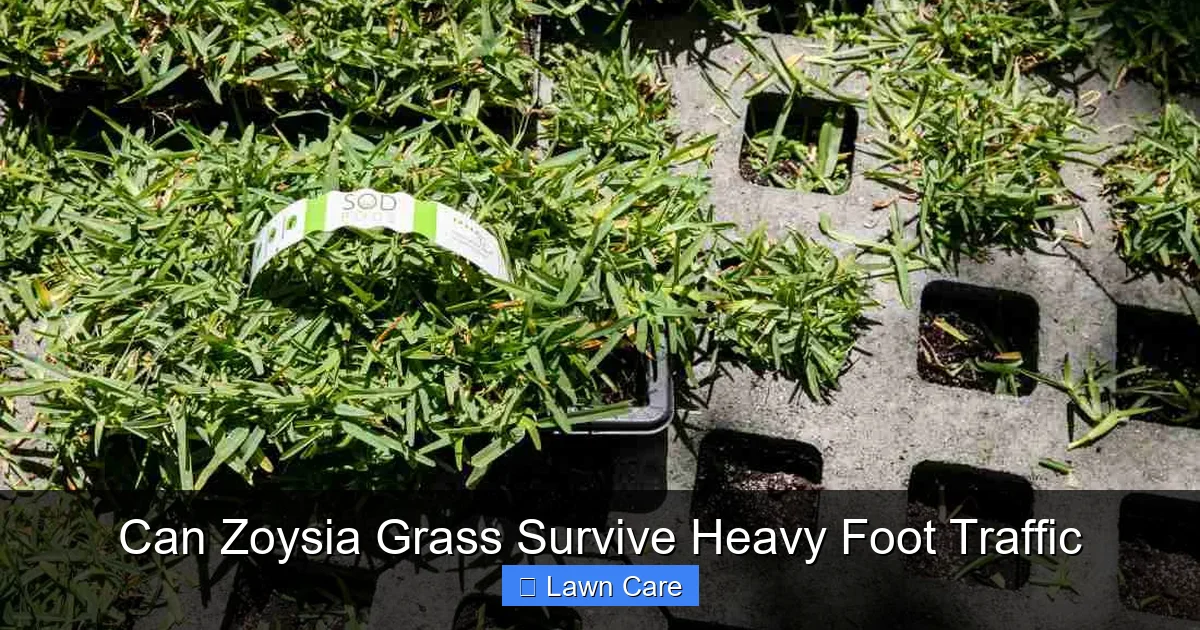
Visual guide about Can Zoysia Grass Survive Heavy Foot Traffic
Image source: cdn.shopify.com
For most average yards, Zoysia grass performs exceptionally well under moderate foot traffic. This includes activities like kids playing games, occasional barbecues, and pets running around.
Kids Playing and Pets
Children’s games, while fun, can involve a lot of running, jumping, and sometimes even roughhousing. Pets, with their quick bursts of energy and digging habits, also put a strain on the lawn. Zoysia’s ability to spread and fill in damage means that these activities are usually not a significant long-term problem for a healthy Zoysia lawn. The grass can recover from the stress of paws and feet relatively quickly. For instance, a soccer ball kicked across the lawn or a dog chasing its tail will cause temporary flattening, but the Zoysia will likely spring back.
Backyard Gatherings and Entertaining
When you have friends and family over for outdoor gatherings, your lawn often becomes a high-traffic zone. People walking, standing, and moving around can compact the soil. Zoysia’s dense growth helps to resist this compaction to a degree. The thick canopy of leaves shades the soil, which can help keep it a bit cooler and prevent excessive drying, both factors that contribute to a healthier, more traffic-tolerant lawn.
When Heavy Foot Traffic Becomes a Challenge
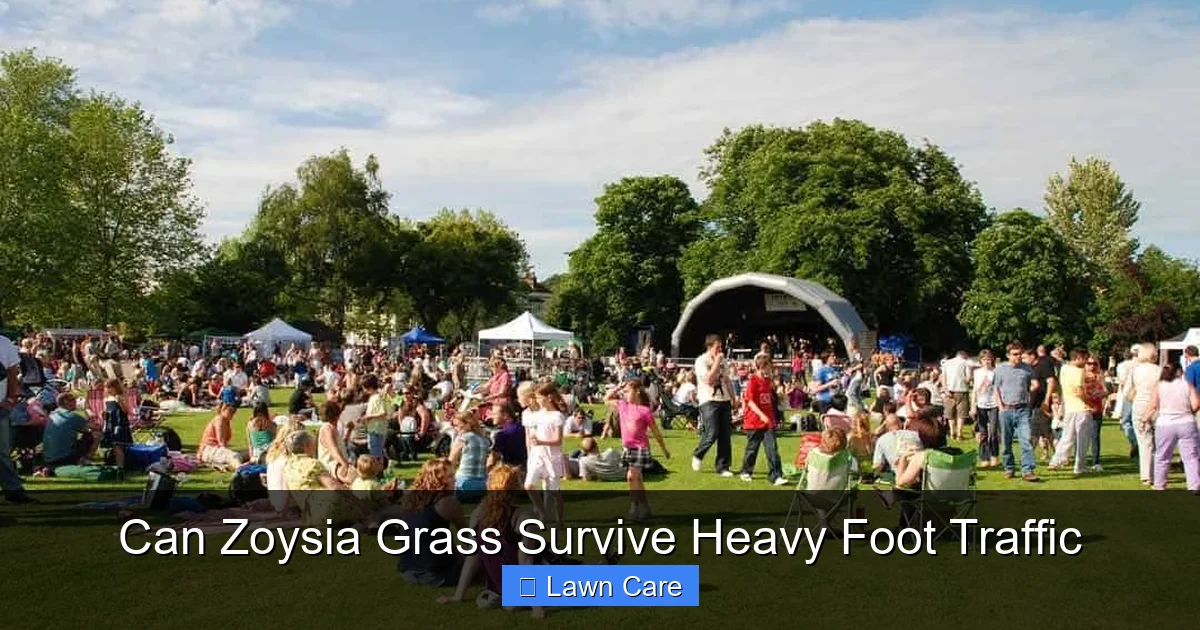
Visual guide about Can Zoysia Grass Survive Heavy Foot Traffic
Image source: grassmatsusa.com
While Zoysia is tough, there’s a point where even the most resilient grass can struggle. “Heavy foot traffic” can mean different things to different people, but generally, it refers to constant, intense, or concentrated use of the lawn.
Extreme and Constant Use
Imagine a lawn that’s used as a shortcut every single day by dozens of people, or an area where children play intensely for hours on end, multiple times a week, every week, without any recovery time. This kind of relentless pressure can overwhelm Zoysia’s natural ability to recover. The constant compaction can prevent air and water from reaching the roots, and the physical force can break and wear down the grass blades faster than they can regrow. This is where you might start to see thinning or bare patches forming.
Soil Compaction Issues
The primary enemy of grass in high-traffic areas is soil compaction. When the soil becomes too dense, it becomes difficult for air, water, and nutrients to penetrate. This starves the grass roots and weakens the plant. Zoysia grass, while it has a good root system, can still suffer if the soil beneath it is severely compacted. This is especially true if the soil is already heavy clay, which compacts more easily.
The Impact on Recovery
Even if Zoysia grass can withstand some initial pressure, prolonged heavy foot traffic can significantly hinder its ability to recover. If the grass is constantly being stressed, it doesn’t have the chance to repair itself. Think of it like trying to heal a cut when you keep reopening the wound – it just won’t heal properly. This is when you might need to consider more active lawn repair strategies. Understanding how to repair foot traffic damage in grass becomes crucial in these scenarios.
Essential Care for Traffic-Tolerant Zoysia
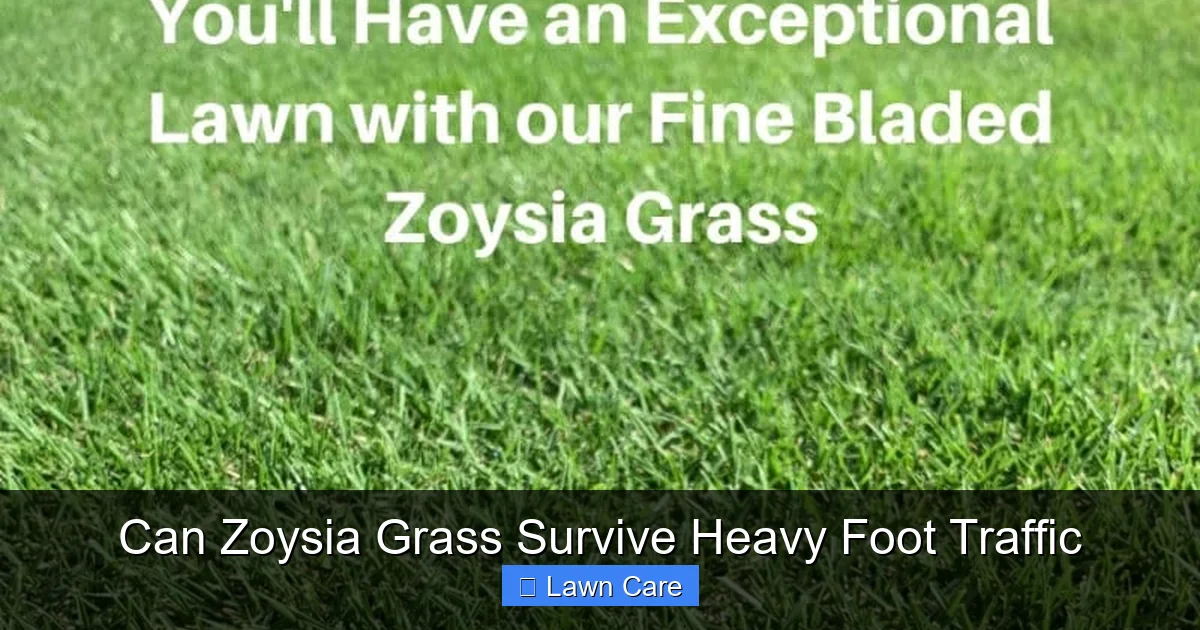
Visual guide about Can Zoysia Grass Survive Heavy Foot Traffic
Image source: houstongrasssouth.com
To maximize Zoysia grass’s ability to withstand heavy foot traffic, consistent and proper lawn care is paramount. Giving your lawn the best possible foundation will help it bounce back from stress.
Proper Mowing Techniques
Mowing your Zoysia grass at the correct height is important. Generally, Zoysia prefers to be mowed on the higher side of its recommended range (often between 1 to 3 inches, depending on the specific variety). Taller grass blades have more surface area for photosynthesis, which means more energy for growth and recovery. Avoid scalping the lawn, which means cutting the grass too short. This weakens the plant and makes it more susceptible to damage. Also, ensure your mower blades are sharp to make clean cuts, which heal faster and reduce stress on the grass.
Adequate Watering
While Zoysia is known for its drought tolerance, it still needs water to thrive, especially when subjected to heavy traffic. During periods of drought or intense heat, ensure your lawn is receiving adequate moisture. Deep, infrequent watering is generally better than shallow, frequent watering. This encourages the roots to grow deeper, making the grass more resilient. However, be careful not to overwater, as this can lead to fungal diseases and weaken the grass, making it more vulnerable to traffic damage. Good drainage is also key; waterlogged soil is a common culprit for weakening turf.
Smart Fertilization
Fertilizing your Zoysia lawn at the right times with the right nutrients can significantly improve its health and its ability to withstand stress. Zoysia typically needs fertilization during its active growing season, which is spring and summer for warm-season grasses. A balanced fertilizer will provide the necessary nitrogen for green growth, phosphorus for root development, and potassium for overall plant health and stress tolerance. Follow recommended application rates to avoid burning the grass or causing excessive, weak growth.
Combating Soil Compaction: Aeration is Key
One of the most effective ways to combat the negative effects of heavy foot traffic is through regular soil aeration. This process creates small holes in the soil, allowing air, water, and nutrients to reach the root zone more easily.
Why Aeration Matters
As mentioned, soil compaction is the biggest enemy of grass in high-traffic areas. When soil particles are pressed tightly together, they leave little room for essential elements. Aeration relieves this compaction, creating a more hospitable environment for Zoysia’s roots to grow and spread. This improved soil structure directly enhances the grass’s ability to recover from foot traffic and overall health.
When and How to Aerate
The best time to aerate Zoysia grass is during its active growing season, typically late spring or early summer. This allows the turf to recover quickly from the process. You can rent a core aerator, which pulls out plugs of soil, or use a spike aerator. For severely compacted areas, core aeration is generally more effective. Aim to aerate at least once a year, and potentially twice in areas experiencing extremely heavy traffic. For advice on addressing widespread damage, consider resources on how to repair lawn after heavy foot traffic.
Strategies for Protecting High-Traffic Areas
While Zoysia is tough, sometimes you need to take extra steps to protect areas that receive the most foot traffic. This can help prevent damage before it becomes a major problem.
Designated Pathways
If you notice a particular path that is always being walked on, consider creating a designated pathway. This could be a simple stone path, mulch walkway, or stepping stones. This redirects traffic away from the grass and protects it from consistent wear. It also adds a nice aesthetic touch to your yard.
Seasonal Recovery Periods
If possible, give your lawn, especially high-traffic areas, a break during certain times of the year. For instance, if you have a specific area that gets a lot of use during the summer, try to reduce activity there in the fall or spring when the grass is establishing its strength for the next season. This recovery period allows the Zoysia to recuperate and build up its resilience.
Overseeding and Patch Repair
Even with the best care, some wear and tear is inevitable. If you do end up with thin or bare spots, don’t despair. Zoysia spreads well, but in severely damaged areas, you might need to help it along. You can overseed these patches with Zoysia seed or sod. It’s also important to address the root cause of the damage, whether it’s excessive traffic, poor drainage, or lack of nutrients. Understanding how to repair lawn damage from pets and heavy foot traffic can offer specific solutions for common issues.
Conclusion
So, can Zoysia grass survive heavy foot traffic? Yes, it has a remarkable capacity to do so, thanks to its dense growth, spreading rhizomes and stolons, and deep root system. It’s a fantastic choice for many homeowners looking for a durable and attractive lawn. However, it’s not indestructible. Extremely high, constant, and concentrated foot traffic can still lead to damage and soil compaction, which weakens the grass.
The key to a Zoysia lawn that can withstand heavy foot traffic lies in understanding its strengths and supporting its natural resilience with proper care. Regular mowing at the correct height, adequate watering, smart fertilization, and crucially, periodic aeration to combat soil compaction, are all vital steps. By implementing these practices and considering protective measures for the most heavily used areas, you can ensure your Zoysia grass not only survives but thrives, even with a busy household.
With the right approach, your Zoysia lawn can remain a beautiful and functional space for years to come, no matter how much life happens on it.
Frequently Asked Questions
Will Zoysia grass turn brown if it gets too much foot traffic?
While Zoysia grass is resilient, excessive and prolonged foot traffic can stress the grass, leading to thinning and potentially bare patches. It might not turn completely brown uniformly from traffic alone, but its overall health and appearance will degrade.
How often should I aerate Zoysia grass that experiences heavy foot traffic?
For Zoysia grass experiencing heavy foot traffic, it’s recommended to aerate at least once a year, ideally during its active growing season in late spring or early summer. You might consider twice a year in extremely high-traffic zones.
Can Zoysia grass recover from compacted soil caused by foot traffic?
Zoysia grass has a good ability to recover, but severely compacted soil will hinder its root development and recovery speed. Regular aeration is the best way to help Zoysia recover from compaction.
What are the signs that my Zoysia grass is suffering from too much foot traffic?
Signs include thinning turf, bare patches, yellowing grass, and soil that feels hard and compacted. You might also notice that the grass doesn’t spring back quickly after being walked on.
Should I water Zoysia grass more often in high-traffic areas?
It’s more about consistent, deep watering rather than frequent watering. While traffic can increase water usage, ensure the soil has time to drain to avoid waterlogged conditions, which weaken the grass and make it more susceptible to damage.
Are there specific Zoysia grass varieties that are better for high-traffic areas?
While most Zoysia varieties are known for their traffic tolerance, some cultivars might be slightly more robust than others. Researching specific Zoysia varieties suitable for your climate and intended use can help in making the best choice.