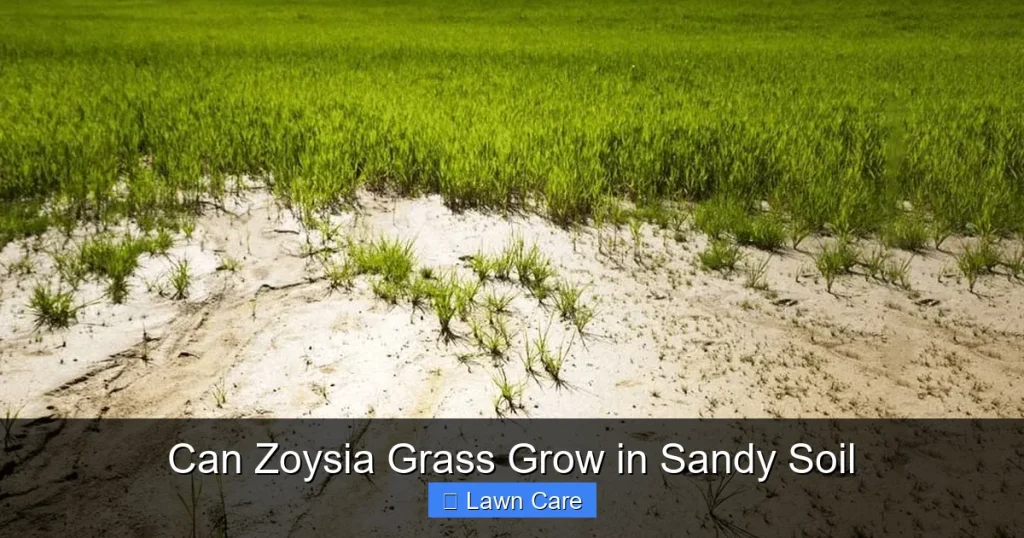
Yes, Zoysia grass can grow in sandy soil, but it requires specific care to thrive. Its adaptability is a strong point, yet sandy soil’s poor nutrient and water retention presents challenges. With proper amendments and consistent watering, you can successfully establish a beautiful Zoysia lawn even in sandy conditions.
So, you’re dreaming of a lush, green lawn but find yourself with a patch of sandy soil? It’s a common conundrum for homeowners. You might be wondering, “Can Zoysia grass grow in sandy soil?” The short answer is a resounding **yes, with some important caveats and a bit of extra effort.** Zoysia grass is known for its toughness and ability to withstand various conditions, but sandy soil definitely presents unique challenges that need to be addressed.
Many people think of Zoysia grass as a low-maintenance option, and it can be once established. However, when you’re dealing with the specific characteristics of sandy soil, “low-maintenance” takes on a new meaning. It means understanding what sandy soil lacks and how to provide those missing elements for your Zoysia. It’s not about just planting and forgetting; it’s about being a bit of a soil detective and a diligent gardener.
This article will delve into the nitty-gritty of growing Zoysia grass in sandy soil. We’ll explore why sandy soil is different, what Zoysia grass needs, and most importantly, how you can amend your sandy soil to give your Zoysia the best possible chance to thrive. Think of this as your friendly guide to transforming a potentially tricky situation into a beautiful, green success story.
## Understanding Sandy Soil
Before we dive into how to make Zoysia happy in sandy soil, let’s talk about what makes sandy soil, well, sandy. Sand particles are the largest of the soil components. This large particle size creates significant pore spaces within the soil. What does this mean for your lawn? It means water drains through very, very quickly. Imagine a sieve; that’s kind of what sandy soil acts like.
### The Upsides (Yes, There Are Some!)
It’s not all doom and gloom with sandy soil. Because it drains so well, it’s less likely to become waterlogged and suffer from root rot, which is a common problem in heavier soils. It also tends to warm up faster in the spring, potentially giving your grass a slightly earlier start. Plus, if you’re in a region like Florida, where sandy soil is prevalent, you’ll find many grasses that are naturally suited to it. For example, you might be interested in learning how to grow grass in sandy soil in Florida, as the principles often overlap.
### The Downsides (The Big Ones for Zoysia)
The rapid drainage is the main culprit when it comes to sandy soil’s downsides.
- Poor Water Retention: Zoysia grass, like most grasses, needs consistent moisture. In sandy soil, that moisture evaporates or drains away so quickly that you’ll find yourself watering much more frequently.
- Nutrient Leaching: Those large pore spaces don’t just let water escape; they also allow essential nutrients to be washed away before the grass can absorb them. This means your fertilizer applications might not be as effective as they would be in a more loamy soil.
- Low Organic Matter: Sandy soils typically have very little organic matter. Organic matter is the magic ingredient that improves soil structure, water retention, and nutrient availability.
- Compaction Issues: While sandy soil allows for good aeration, it can also become compacted underfoot, making it harder for grass roots to penetrate and access resources.
Understanding these challenges is the first step in successfully growing Zoysia grass in sandy soil. It’s like knowing your opponent’s strengths and weaknesses before a match.
## Zoysia Grass: A Resilient Choice?
Zoysia grass is a warm-season turfgrass known for its dense growth habit, excellent durability, and relatively good drought tolerance once established. It spreads via both rhizomes (underground stems) and stolons (above-ground runners), forming a thick, resilient sod. This dense growth is precisely why people love it for its ability to choke out weeds and withstand heavy foot traffic. But how does its inherent resilience fare against the specific challenges of sandy soil?
### Zoysia’s Natural Tendencies
Zoysia grass generally prefers well-drained soils but thrives best in loamy or clay loam soils that can hold moisture and nutrients. When you ask if Zoysia grass can grow in sandy soil, you’re essentially asking if it can overcome the soil’s natural limitations. The good news is that Zoysia’s deep-rooted nature and its ability to spread and fill in gaps can help it adapt. However, this adaptation doesn’t happen magically. It requires your intervention. If you’re curious about other grasses that might do well, you might want to check out information on will Bahia grass grow in sandy soil, as it’s another popular choice for warmer climates.
### The Impact of Sandy Soil on Zoysia
In sandy soil, Zoysia’s drought tolerance can be tested to its limits. While it might survive periods of dryness better than some other grasses, consistent lack of water will weaken it, making it more susceptible to stress, disease, and weed invasion. Similarly, the constant leaching of nutrients means that even if Zoysia has the potential to be lush, it might struggle to achieve that density without regular feeding. You might find yourself asking, “Can poor soil cause yellow grass?” and with sandy soil, the answer is often yes, due to nutrient deficiencies.
## Preparing Your Sandy Soil for Zoysia
This is where the real work begins, but also where you’ll see the most significant results. Amending your sandy soil is not optional; it’s the foundation for a successful Zoysia lawn. The goal is to improve its ability to hold water and nutrients while also providing a good environment for root growth.
### The Power of Organic Matter
The absolute best way to improve sandy soil is by adding organic matter. Organic matter acts like a sponge, binding soil particles together and creating a structure that can retain moisture and nutrients. Here are some excellent options:
- Compost: Well-rotted compost is a gardener’s best friend. It improves soil structure, adds nutrients, and supports beneficial microbial activity. Aim to incorporate a generous layer, several inches deep, into the top 6-8 inches of soil.
- Aged Manure: Cow, horse, or chicken manure, when properly composted or aged, is a fantastic soil amendment. It’s rich in nutrients and organic material. Ensure it’s well-aged, as fresh manure can burn grass roots.
- Peat Moss: Peat moss is highly absorbent and can significantly increase the water-holding capacity of sandy soil. It’s acidic, so be mindful if you’re using large quantities, though Zoysia can tolerate a range of pH levels.
- Leaf Mold: Decomposed leaves create a rich, dark material that is excellent for improving soil texture and fertility.
Tip: You can often buy compost and other organic amendments in bulk from local garden centers or landscape suppliers. For larger areas, this can be more cost-effective than buying bags.
### Mechanical Aeration and Tilling
Before adding your amendments, it’s a good idea to loosen up the soil.
- Tilling: If you’re starting from scratch, tilling the soil to a depth of at least 6-8 inches and mixing in your chosen amendments is highly recommended. This ensures the amendments are well-distributed and can start improving the soil structure immediately.
- Aeration: If you have an existing lawn that you’re trying to improve, core aeration can help. It pulls out plugs of soil, allowing air, water, and amendments to penetrate deeper into the soil profile. You can then spread a layer of compost over the aerated lawn, and it will work its way down.
Remember, the more thoroughly you amend the soil, the better your Zoysia grass will perform. Think of it as giving your grass the best possible start in life. If you’re struggling with soil improvement, you might find resources on how to grow grass in sandy soil generally to be very helpful.
## Planting and Establishing Zoysia in Sandy Soil
Once your soil is prepared, it’s time to get your Zoysia grass in the ground. Zoysia can be established from seed, sod, or plugs. Each method has its pros and cons, especially in sandy conditions.
### Choosing Your Establishment Method
- Sod: Laying sod is the fastest way to establish a lawn. The roots are already established, so they have a head start. Ensure the sod makes good contact with the amended soil underneath.
- Plugs: Zoysia plugs are small pieces of turf. You’ll need to plant them about 6-12 inches apart, and they will spread to fill in the gaps. This method takes longer, but it’s often more economical and allows you to amend the soil around each plug.
- Seed: Zoysia seed is the slowest method and can be tricky. The tiny seeds can easily be washed away in sandy soil before they germinate. If you choose to seed, ensure you have excellent soil preparation and maintain consistent moisture during germination, which can be challenging in sand.
### Watering for Success
Watering is perhaps the most critical aspect of establishing Zoysia grass in sandy soil.
- Frequent, Light Watering (Initial Stage): Immediately after planting, you’ll need to water frequently. The goal is to keep the top inch of soil consistently moist. This might mean watering several times a day for the first week or two, especially if temperatures are high and the soil is sandy.
- Deep, Less Frequent Watering (Established Lawn): Once the Zoysia is established (you’ll see it spreading and filling in), you can transition to deeper, less frequent watering. This encourages the roots to grow deeper into the soil, making the lawn more drought-tolerant. Water deeply enough to moisten the soil 4-6 inches down.
Sandy soil dries out rapidly, so developing a good watering routine is paramount. Don’t wait for the grass to show signs of stress (wilting, bluish-green color) before watering; by then, it’s already suffering. Best practices for watering Zoysia grass in summer are crucial, especially in sandy conditions.
## Ongoing Care for Zoysia in Sandy Soil
Establishing the lawn is one thing; keeping it healthy year after year is another. Sandy soil requires ongoing attention to ensure your Zoysia grass continues to thrive.
### Fertilization is Non-Negotiable
Because nutrients leach out so quickly from sandy soils, regular fertilization is essential.
- Timing: Zoysia is a warm-season grass, so it benefits most from fertilization during its active growing period, which is late spring through summer. Avoid fertilizing when the grass is dormant or under severe stress.
- Type of Fertilizer: Use a balanced fertilizer. Slow-release formulations are often beneficial as they provide a steady supply of nutrients over time, reducing the risk of rapid leaching. Look for fertilizers with nitrogen (N), phosphorus (P), and potassium (K).
- Frequency: Depending on the soil’s condition and the fertilizer used, you might need to fertilize 2-3 times during the growing season. Follow the recommendations on the fertilizer packaging and adjust based on your lawn’s response.
If you’re unsure about fertilizing, consulting resources on should you fertilize Zoysia grass in summer can provide valuable insights.
### Weed Control and Pest Management
A healthy, dense Zoysia lawn is the best defense against weeds. However, stressed Zoysia, especially in poor soil, can be more vulnerable.
- Weed Prevention: Keeping your Zoysia healthy through proper watering, fertilization, and mowing will naturally help suppress weeds.
- Targeted Treatment: If weeds do appear, identify them and use appropriate herbicides. Be careful not to over-apply chemicals, which can further stress the lawn and soil.
Pest issues can also arise. Inspect your lawn regularly for signs of insects like grubs or chinch bugs. Early detection and treatment are key.
### Mowing Practices
Proper mowing is vital for Zoysia’s health and density.
- Height: Zoysia generally prefers to be mowed at a height of 1 to 2 inches. Taller mowing can encourage deeper root growth.
- Frequency: Mow regularly to maintain the desired height. Never remove more than one-third of the grass blade at a time. This prevents shocking the plant and encourages dense growth.
- Sharp Blades: Always use sharp mower blades. Dull blades tear the grass, making it susceptible to disease and giving it a brown, ragged appearance, which is especially noticeable in sandy soil.
## Conclusion: Zoysia in Sandy Soil is Achievable!
So, can Zoysia grass grow in sandy soil? Absolutely! It might not be as simple as throwing down some seed and hoping for the best, but with a proactive approach, you can cultivate a beautiful and resilient Zoysia lawn even on sandy terrain. The key lies in understanding the limitations of sandy soil and taking deliberate steps to improve it.
By amending your soil with plenty of organic matter, establishing a consistent and appropriate watering schedule, and providing regular fertilization, you are essentially creating a more hospitable environment for your Zoysia grass. It’s about nurturing the soil, which in turn nurtures the grass. Don’t be discouraged by the initial challenges; the reward of a thick, lush Zoysia lawn that can withstand the elements and provide a wonderful outdoor space is well worth the effort. Embrace the process, and you’ll find that your sandy soil can indeed be the foundation for a stunning lawn. If you’re looking for alternatives or want to compare, understanding can grass grow in clay soil helps appreciate the unique needs of different soil types.
- Zoysia Grass is Adaptable: While not its ideal environment, Zoysia grass possesses enough resilience to survive and even flourish in sandy soil with the right interventions.
- Sandy Soil Challenges: The primary issues with sandy soil for Zoysia are its rapid drainage, leading to water and nutrient loss, and its tendency to become compacted.
- Soil Amendment is Crucial: Incorporating organic matter like compost, peat moss, or aged manure is essential to improve the water and nutrient-holding capacity of sandy soil.
- Watering is Key: Sandy soils dry out quickly, so consistent and deep watering is necessary to keep Zoysia grass hydrated, especially during establishment and hot periods.
- Fertilization Matters: Because nutrients leach easily from sandy soil, regular fertilization is important to provide Zoysia with the necessary food for healthy growth.
- Consider Zoysia Varieties: Some Zoysia cultivars might be slightly more tolerant of challenging soil conditions than others, so research is beneficial.
Quick Answers to Common Questions
Can Zoysia grass survive in very sandy soil without any amendments?
While Zoysia grass is resilient, it will struggle significantly in unamended sandy soil. It will likely be weak, prone to drought stress, and unable to retain enough nutrients for healthy growth. Amendments are crucial.
How much compost should I add to my sandy soil for Zoysia?
For best results, aim to incorporate a layer of 3-4 inches of compost into the top 6-8 inches of your sandy soil. This significantly improves its water and nutrient-holding capacity.
How often should I water Zoysia grass planted in sandy soil?
Initially, water several times a day to keep the top inch moist. Once established, water deeply 1-2 times per week, or more often during extreme heat, ensuring the soil is moist several inches down. Always check soil moisture.
Is Zoysia grass a good choice for erosion control on sandy slopes?
Yes, once established, Zoysia grass’s dense root system makes it excellent for preventing erosion, even on sandy slopes. Its ability to form a thick sod helps stabilize the soil.
When is the best time to plant Zoysia grass in sandy soil?
The best time to plant Zoysia grass is during the warm growing season, typically late spring through early summer, when temperatures are consistently warm, allowing for optimal establishment in sandy soil.
Frequently Asked Questions
What are the main problems with sandy soil for Zoysia grass?
Sandy soil drains very quickly, leading to poor water retention. It also struggles to hold onto nutrients, which are essential for Zoysia grass to grow healthily and densely. This combination makes it difficult for Zoysia to thrive without intervention.
Will Zoysia grass need more fertilizer in sandy soil compared to other soil types?
Yes, Zoysia grass will almost certainly require more frequent and consistent fertilization in sandy soil. Nutrients applied to sandy soil tend to leach out rapidly with watering, so regular feeding is necessary to maintain healthy growth.
Can I use sod to establish Zoysia grass in sandy soil?
Yes, sod is an excellent option for establishing Zoysia grass in sandy soil because it provides an instant lawn. Ensure the sod makes good contact with the well-amended sandy soil underneath to encourage quick root establishment.
How can I tell if my Zoysia grass is getting enough water in sandy soil?
Check the soil moisture by pushing a screwdriver or trowel into the ground. If it goes in easily and feels moist, it’s likely okay. You can also look for signs of stress in the grass, such as a dull, bluish-green color or wilting blades, which indicate it needs water.
Are there any specific Zoysia grass varieties that are better suited for sandy soil?
While most Zoysia varieties can adapt with proper care, some may show slightly better tolerance. Researching specific cultivars might reveal varieties known for enhanced drought tolerance or hardiness, which can be beneficial in sandy conditions. However, soil amendment remains the primary factor.
How long does it take for Zoysia grass to establish in amended sandy soil?
Establishment time varies depending on the planting method and care. Sod can establish within weeks. Plugs typically take 1-2 growing seasons to fill in completely. Seed can take 2-3 years to achieve a mature, dense lawn. Consistent watering and care in amended sandy soil will speed up the process.