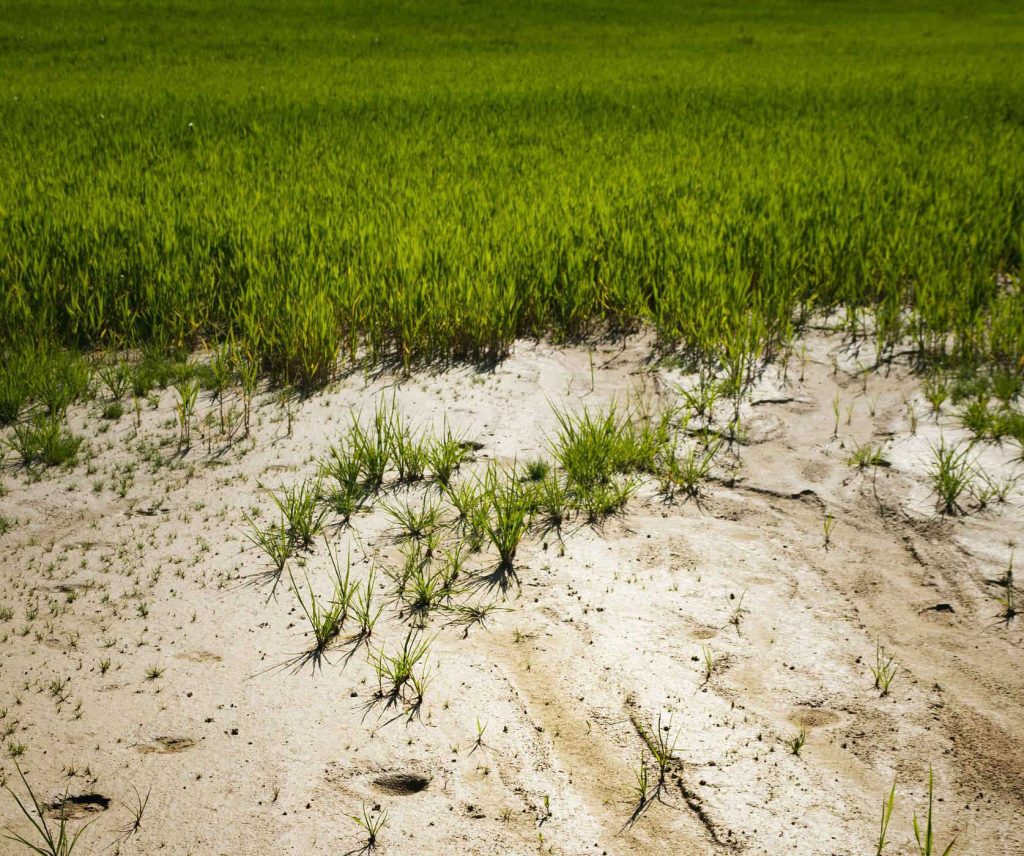
Yes, Bahia grass can grow in sandy soil, but it may require some extra care and adjustments to thrive. Bahia grass is quite adaptable and can handle various soil types, including sandy soil, making it a popular choice for lawns in sandy or poor soils. However, because sandy soil drains quickly and may lack nutrients, you might need to amend the soil with organic matter and ensure consistent watering to promote healthy growth. With proper care, Bahia grass can establish a lush, resilient lawn even in challenging sandy conditions.
If you’re wondering whether Bahia grass can succeed in sandy soil, the answer is yes, but you’ll need to prepare the soil properly and be mindful of watering and fertilization needs. Bahia grass is a hardy, drought-tolerant grass that can adapt to a range of environments, including sandy terrains. While it naturally adapts well, enhancing sandy soil with organic amendments can help it establish faster and stay healthier. With some patience and proper maintenance, you can enjoy a vibrant Bahia lawn even in sandy, less fertile soils.

Will Bahia Grass Grow in Sandy Soil?
Understanding Bahia Grass and Its Growing Conditions
Bahia grass, known scientifically as *Paspalum notatum*, is a popular warm-season grass commonly used for lawns, pastures, and sports fields. It is well-loved for its drought tolerance and ability to grow in a variety of soil types. But many wonder if it can thrive specifically in sandy soils, which have different characteristics than loamy or clayey soils.
Sandy soil has large particles, which means it drains quickly and warms up faster. While this can be a benefit in hot climates, it often results in less water retention and fewer nutrients. Therefore, understanding how Bahia grass interacts with sandy soil is crucial for successful cultivation.
Does Bahia Grass Thrive in Sandy Soil?
Generally, Bahia grass can grow in sandy soil, but certain conditions affect its health and growth rate. Thanks to its adaptive nature, it can survive in less-than-ideal soils, including sandy types. However, thriving and maintaining a lush, green lawn requires some extra care.
Sandy soils often lack organic matter and nutrients necessary for healthy grass development. As a result, Bahia grass may need additional fertilization and soil amendments to grow optimally in sandy areas. Proper management practices will ensure the grass establishes well and maintains its vigor.
Key Factors for Growing Bahia Grass in Sandy Soil
While Bahia grass can grow in sandy soil, several factors influence its success. These include soil fertility, watering practices, and soil amendments. Addressing each factor carefully can enhance the grass’s performance.
Soil Fertility and Nutrient Levels
Sandy soils often contain low levels of essential nutrients such as nitrogen, phosphorus, and potassium. Bahia grass requires these nutrients for healthy growth and vigorous root development. Regular fertilization with a balanced fertilizer can compensate for deficiencies.
Applying slow-release fertilizer ensures a steady supply of nutrients. Also, incorporating organic compost or soil conditioners can improve nutrient retention in sandy soil, promoting stronger and more resilient Bahia turf.
Watering Practices in Sandy Soil
Because sandy soil drains fast, Bahia grass in these soils might need more frequent watering. Consistent moisture is vital during the initial establishment phase and during dry seasons.
Deep, infrequent watering encourages deep root growth, helping the grass access water stored lower in the soil profile. Mulching around the grass can also reduce water evaporation and maintain soil moisture levels.
Soil Amendments and Preparation
To optimize sandy soils for Bahia grass, adding organic matter is highly recommended. Compost, peat moss, or manure can increase water retention and provide nutrients.
Preparing the soil before planting involves tilling to a depth of at least 4 inches, mixing in amendments, and ensuring proper grading for drainage. This preparation creates a more hospitable environment for Bahia grass to establish and thrive.
Best Practices for Growing Bahia Grass in Sandy Soil
Implementing good practices can make a significant difference in how well Bahia grass performs in sandy soil areas.
Proper Planting Techniques
Choose healthy, high-quality Bahia grass sod or seeds suitable for your climate. Plant during the warm season when soil temperatures are above 70°F (21°C).
Ensure the soil is well-prepared, level, and moist before planting. Spacing should be consistent to promote even growth and prevent weeds from taking over.
Fertilization Schedule
Apply fertilizer according to soil test recommendations, typically every 8 to 12 weeks during the growing season. Use nitrogen-rich fertilizers to promote lush, vibrant growth.
Avoid over-fertilizing, as this can lead to thatch buildup or excessive growth that weakens the grass. Adjust your fertilization program based on the grass’s response and soil nutrient levels.
Watering and Maintenance Tips
Water deeply and infrequently once the grass is established, aiming for about 1 to 1.5 inches of water weekly. During hot, dry periods, increase watering frequency to prevent stress.
Regular mowing at a height of 3 to 4 inches helps promote healthy root systems. Keep the lawn free of weeds, and aerate the soil periodically to improve oxygen flow and drainage.
Common Challenges When Growing Bahia Grass in Sandy Soil
Growing Bahia grass in sandy soil presents hurdles such as nutrient deficiency, uneven watering, and soil erosion. Recognizing these issues enables proactive management.
Nutrient Deficiency
Sandy soils tend to be low in nutrients. Without proper fertilization, Bahia grass may become thin, patchy, or discolored. Regular soil testing helps determine specific nutrient needs and guides fertilization.
Water Management Issues
Fast-draining sandy soil can cause water runoff, leading to drought stress if watering is insufficient. Conversely, overwatering can cause root rot or fungal diseases. Maintaining a balanced watering schedule is essential.
Soil Erosion and Stability
Sandy soils are more prone to erosion due to wind and water. Using mulch or establishing ground cover plants can prevent soil loss and improve overall soil health.
Enhancing Sandy Soil for Better Bahia Grass Growth
Improving sandy soil quality supports better grass growth and minimizes maintenance challenges.
Adding Organic Matter
Incorporate organic materials such as compost or peat moss to increase water retention and improve soil structure. This creates a more nutrient-rich environment for Bahia grass.
Creating a Soil Amendment Schedule
Develop a regular soil amendment routine based on soil tests. This can include applying organic fertilizers or soil conditioners to maintain optimal levels.
Implementing Soil Stabilization Measures
Planting ground covers or using erosion control fabrics can stabilize the soil surface and promote the development of a healthy root system for Bahia grass.
Related Topics for Consideration
Along with sandy soil considerations, explore related topics such as choosing drought-tolerant grass varieties, soil testing methods, and sustainable lawn care practices. These help ensure the best results for Bahia grass in challenging soil conditions.
Choosing the Right Grass for Your Soil Type
Other warm-season grasses like Bermuda or Zoysia may also thrive in sandy soils. Comparing their growth habits with Bahia grass can guide you to the perfect choice.
Soil Testing and Improvement
Regularly testing your soil provides key information to tailor amendments effectively. Testing kits are easy to use and widely available.
Natural Lawn Maintenance Strategies
Use organic fertilizers, mow at proper heights, and avoid chemical overuse to maintain a healthy, sustainable lawn.
Growing Bahia grass in sandy soil is achievable with understanding and proper care. By addressing soil fertility, watering needs, and soil amendments, you can cultivate a lush, green Bahia lawn even in less-than-ideal sandy conditions. Implementing these practices leads to a healthy, resilient turf that thrives despite challenges posed by sandy soils.
5 Best Grass Seeds for Sandy Soil (2023)
Frequently Asked Questions
Can Bahia grass establish itself successfully in sandy soil?
Yes, Bahia grass can grow in sandy soil, but it may require some additional care. Sandy soils drain quickly and often lack nutrients, so adding organic matter or slow-release fertilizers can enhance growth. Proper watering and soil amendments help establish a healthy root system, allowing Bahia grass to thrive over time.
What steps should I take to improve sandy soil for Bahia grass planting?
To prepare sandy soil for Bahia grass, incorporate organic matter such as compost or peat moss to increase nutrient content and water retention. Aerate the soil to improve its structure and reduce compaction. Regular fertilization with a balanced fertilizer will support healthy growth, especially during the early stages.
Does sandy soil affect the maintenance needs of Bahia grass?
Growing Bahia grass in sandy soil may lead to higher water and fertilization needs because of quicker drainage and nutrient loss. Consistent watering and periodic fertilization are essential to keep the grass healthy. Mulching around the grass can also help retain moisture and reduce soil temperature fluctuations.
Are there specific varieties of Bahia grass that perform better in sandy soils?
While most Bahia grass varieties can adapt to sandy soils, some cultivars are more tolerant of poor soil conditions. Selecting a drought-tolerant variety and ensuring proper soil preparation will improve the chances of successful establishment and maintenance in sandy environments.
Final Thoughts
Bahia grass can thrive in sandy soil with proper care. It adapts well to well-drained, nutrient-poor conditions, making it suitable for such environments. Regular watering and fertilization help it establish a healthy root system.
In conclusion, will bahia grass grow in sandy soil? Yes, it can, provided you maintain appropriate watering and soil management. Its adaptability makes it a good choice for sandy terrains, ensuring a lush, green lawn.