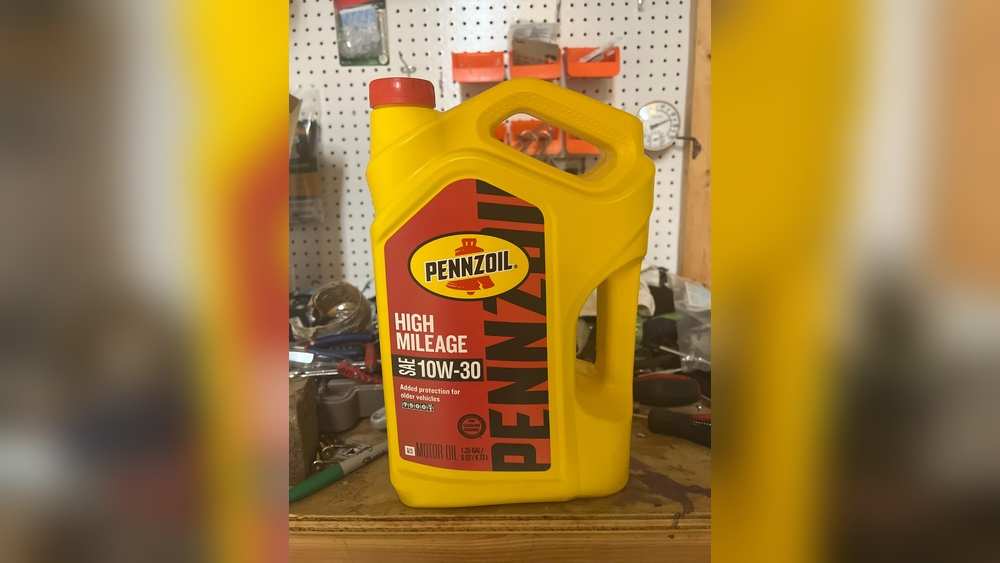
Can You Put Car Oil In A Lawn Mower?
Many people have a lawn mower sitting in their garage. When it’s time for maintenance, one question often comes up: Can you put car oil in a lawn mower? It sounds simple, but using the wrong oil can cause engine problems, waste money, or even break your mower. This guide will help you understand the difference between car oil and lawn mower oil, what really happens if you use car oil, and the best way to keep your lawn mower running smoothly.
Lawn mowers are not like cars. Their engines are smaller, simpler, and work under different conditions. Some people think oil is oil, but that’s not true. The right oil can make your mower last for years. The wrong oil can lead to smoke, hard starts, or expensive repairs.
In this article, you’ll learn everything you need to know to make the best choice for your mower.
How Lawn Mower Engines Are Different From Car Engines
To understand oil choices, you need to know how a lawn mower engine works compared to a car’s engine. Most lawn mowers use small, air-cooled engines. They run at high temperatures and are designed for short periods of use.
Car engines, on the other hand, are much bigger. They are water-cooled, use many cylinders, and are built for long drives at high speed. Car engines also have more complex oil filters and pumps.
Because of these differences, the oil needs are not always the same. Lawn mower engines can overheat if the oil is too thick or too thin. Car engines are more forgiving because they have better cooling and oil systems.
Key Differences
- Size: Lawn mower engines are usually less than 200cc. Car engines can be over 1000cc.
- Cooling: Most mowers use air-cooling; cars use water-cooling.
- Oil Circulation: Some mowers don’t have oil pumps or filters, but cars always do.
- Workload: Mowers run in short bursts; cars run for hours.
These differences mean that the oil for a lawn mower must work well in hotter, smaller engines with less cooling and sometimes less oil filtering.
Types Of Oil: Car Oil Vs. Lawn Mower Oil
Not all motor oils are the same. There are different grades and types based on viscosity (thickness) and additives. Understanding these can help you see why choosing the right oil matters.
Car Oil
Car oil, also known as automotive oil, is made to work in large, high-performance engines. It has:
- Detergents and additives to keep engines clean
- Viscosity ratings like 5W-30, 10W-30, or 10W-40
- Meets standards like API (American Petroleum Institute) SN or SP
Car oil is designed for engines that run hot, use oil filters, and have complex fuel systems. The additives help with emissions, wear, and sludge buildup.
Lawn Mower Oil
Lawn mower oil is designed for small engines. Brands like Briggs & Stratton, Honda, and Toro make special oil for their equipment. Features include:
- Simple additive packages suited for small engines
- Viscosity ratings often like SAE 30 or 10W-30
- No additives for emission controls, which can harm small engines
Lawn mower oil focuses on protecting the engine at high temperatures, especially when there’s little or no oil filtration.
Key Viscosity Grades
Viscosity is how thick or thin the oil is. It changes with temperature. Here are common types:
- SAE 30: Good for hot weather and small engines. Common for mowers.
- 10W-30: Multi-grade. Flows well in cold and hot conditions. Used in cars and some mowers.
- 5W-30: Thinner, for cold weather and some modern mowers.
- Synthetic blends: Work well in extreme temperatures but may not be needed for all mowers.

Credit: www.youtube.com
What Happens If You Use Car Oil In A Lawn Mower?
You might be tempted to use the car oil you already have at home. Sometimes, it will work. But it’s not always safe.
When It Might Be Okay
If your car oil matches the viscosity and the manufacturer’s recommendations for your mower, you can usually use it. For example, some mowers allow 10W-30 car oil. Always check your mower’s manual first.
Risks Of Using Car Oil
- Wrong Viscosity: Car oil may be too thin or thick for the mower, causing poor lubrication or overheating.
- Additives: Car oil often contains additives for emission systems. These can build up and damage small mower engines.
- No Oil Filter: Most mowers lack proper filters. Car oil can leave more deposits or sludge.
- Warranty Issues: Using the wrong oil can void your mower’s warranty.
Real-world Example
A common mistake is using 5W-30 car oil in an older push mower. This oil can be too thin at high mower temperatures, leading to engine wear or burning oil. Some users report blue smoke or hard starts after switching.
What The Experts Say
Most lawn mower manufacturers, such as Briggs & Stratton, recommend SAE 30 for summer and 10W-30 for variable climates. They warn that using other types, especially oils with many additives, can lead to engine problems.
Manufacturer Recommendations: Always Check The Manual
Not all lawn mowers are the same. The best way to know if you can use car oil is to check your mower’s owner’s manual. It will list the right oil type, viscosity, and any warnings.
- Briggs & Stratton: Usually recommends SAE 30 or 10W-30 for their small engines.
- Honda: Often suggests 10W-30 or SAE 30.
- Toro: Recommends using their branded oil but allows 10W-30 for most models.
Using a type not listed in your manual can void your warranty or cause damage.
When Car Oil Is Safe To Use In A Lawn Mower
There are times when car oil is safe for your mower. Here’s when it might work:
- Oil matches viscosity: If your car oil is 10W-30, and your mower allows it, you can use it.
- API rating is correct: Most mowers need at least an API SJ or higher. This is printed on the oil bottle.
- Oil is not synthetic: Some older mowers do not like full synthetic oils. Always check the manual.
- You change oil regularly: Car oil may build more deposits, so change it more often.
Example
If your mower manual says “use 10W-30 oil, API SJ or higher,” and your car oil is 10W-30 API SN, it’s usually safe.
When You Should Avoid Car Oil In A Lawn Mower
It’s best to avoid car oil if:
- The viscosity is different from what’s recommended (e.g., using 5W-30 in hot weather).
- The oil has many detergents or additives not needed for small engines.
- Your mower is old, has no oil filter, or runs hot.
- Your mower is still under warranty, and the manual says “lawn mower oil only.”
Using the wrong oil can cause poor engine performance, more smoke, or even engine failure.
Comparing Oil Types: Data Table
To help you compare, here’s a side-by-side look at common oil types for cars and mowers.
| Oil Type | Viscosity | Main Use | Additives | Best For |
|---|---|---|---|---|
| SAE 30 | Single grade (thicker) | Lawn mowers, small engines | Low | Hot climates, older mowers |
| 10W-30 (Car Oil) | Multi-grade | Cars, some mowers | Medium | Variable climates |
| 5W-30 (Car Oil) | Multi-grade (thinner) | Modern cars, some new mowers | High | Cold starts, modern engines |
| 10W-40 (Car Oil) | Multi-grade (thicker when hot) | Cars | Medium | High-temperature car engines |
| Synthetic 10W-30 | Multi-grade | High-performance mowers, cars | Medium-High | Extreme temps, longer oil life |
Pros And Cons: Using Car Oil In Lawn Mowers
Understanding the pros and cons can help you decide.
Pros
- Convenience: You may already have car oil at home.
- Cost: No need to buy a second type of oil.
- Multi-grade oils: Handle more temperature changes.
Cons
- Wrong viscosity risks: Can lead to engine damage.
- Too many additives: May harm small engines.
- Warranty: Could void it.
- No oil filter: Deposits can build up faster in mowers.
The Science: Why Viscosity Matters
Viscosity is a measure of how thick or thin oil is at different temperatures. If oil is too thick, it doesn’t flow well, and parts don’t get enough lubrication. If it’s too thin, it won’t protect moving parts.
- Hot weather: Use thicker oil like SAE 30.
- Cold weather: Use multi-grade oil like 10W-30 or 5W-30.
Using the wrong viscosity causes premature engine wear, especially in small engines. This is one reason why some car oils are not right for mowers.
How To Check And Change Lawn Mower Oil
Changing your mower’s oil is a simple task, but it’s important for engine life. Here’s how:
- Warm up the engine: Run for 2-3 minutes. Warm oil flows better.
- Turn off and disconnect spark plug: For safety.
- Drain the oil: Remove the oil plug or tilt the mower and pour out the oil into a pan.
- Replace the oil filter: If your mower has one.
- Add new oil: Use a funnel and pour in the recommended amount and type.
- Check the level: Use the dipstick, add more if needed.
How Often Should You Change Oil?
- Push mowers: Every 25-50 hours of use or once per season.
- Riding mowers: Every 50-100 hours or once per season.
- New mowers: First oil change after 5-10 hours.
Not changing the oil can cause sludge, poor running, or even engine seizure.

Credit: lawnsmartkc.com
Common Mistakes People Make
Many people damage their lawn mowers by making simple mistakes:
- Using old car oil: Used car oil is dirty. Always use new oil.
- Mixing oil types: Don’t mix different viscosities or brands. It can cause sludge.
- Overfilling: Too much oil causes leaks and smoke.
- Ignoring the manual: Always check the manufacturer’s advice.
- Not changing oil: Skipping oil changes shortens engine life.
A non-obvious mistake is using synthetic car oil in an old mower. While synthetic oil is better in cars, some older mowers were not designed for its properties and may leak or burn oil faster.
Real Data: Engine Life With Different Oils
Studies and field tests show that using the wrong oil can reduce a small engine’s life by up to 50%. For example, an engine that should last 500 hours may only last 250 hours if run with the wrong viscosity.
A test by Briggs & Stratton found that engines using the correct oil had 30% less wear compared to those using multi-grade car oil not recommended in the manual.

Credit: simsgardenmachinery.co.uk
Practical Tips For Choosing The Best Oil
- Read your manual: Always start here.
- Use the right viscosity: Match the oil to the temperature and your engine.
- Avoid high-detergent oils: Unless your manual allows them.
- Don’t use additives: Never add extra chemicals to your mower oil.
- Buy small bottles: Small engines need less oil, so buy the right size.
- Change oil often: More often than you would for a car.
A smart tip is to write the last oil change date on a sticker and put it on your mower. Most people forget, and small engines suffer from old oil.
Lawn Mower Oil Alternatives: What Can You Use?
If you don’t have the exact oil, some alternatives are possible for short-term use. For example, if your mower runs out of SAE 30, you can use 10W-30 for one mowing session if the weather is not too hot. But always replace it with the correct oil soon.
Never use 2-cycle oil, gear oil, or transmission fluid. These do not protect your engine and will cause damage.
The Cost Of Using The Wrong Oil
Repairing a damaged mower engine can cost between $80 and $300, depending on the model and part. Sometimes, it’s cheaper to buy a new mower. Using the right oil avoids these problems.
Oil Change Frequency: Table
Here’s a quick look at how often to change oil based on mower type.
| Mower Type | Change Interval (Hours) | Change Interval (Months) | Notes |
|---|---|---|---|
| Push Mower | 25-50 | 12 | More often in dusty areas |
| Riding Mower | 50-100 | 12 | Change filter if present |
| New Mower | 5-10 (first change) | – | Critical for breaking in engine |
Synthetic Oil In Lawn Mowers: Good Or Bad?
Synthetic oil offers better protection and lasts longer. Some modern mowers allow synthetic 10W-30. It resists breakdown at high temperatures and works well in cold weather.
However, using synthetic oil in an older mower can cause leaks, as the oil flows more easily and finds old gaskets or seals. Always check your manual before switching.
A non-obvious insight: Synthetic oil can extend oil change intervals, but in mowers without filters, it’s better to change oil at the regular schedule, even if using synthetic.
Environmental Impact
Used oil is a major pollutant. Never pour old oil down drains or in the yard. Take used oil to a recycling center. Many auto parts stores accept small amounts for free.
Disposing of oil properly protects your lawn, local water, and wildlife.
What To Do If You Used The Wrong Oil
If you accidentally used the wrong oil, don’t panic. Here’s what to do:
- Stop using the mower: Don’t run it more.
- Drain the oil: Let it cool first.
- Replace with correct oil: Use what your manual recommends.
- Check for smoke or leaks: If you see these, get a mechanic to inspect.
Running a mower briefly with the wrong oil usually won’t destroy it, but long-term use will.
Key Takeaways
- Always use the oil type and viscosity your mower’s manual recommends.
- Car oil can be used only if it matches the manual’s specs.
- Using the wrong oil can cause engine damage, warranty loss, and extra costs.
- Change oil more often in lawn mowers than in cars.
- Dispose of used oil responsibly.
If you want to learn more about engine oils and standards, check the Motor Oil Wikipedia page for deeper details.
Frequently Asked Questions
Can I Use 10w-30 Car Oil In My Lawn Mower?
Yes, if your mower’s manual allows it. Many modern mowers accept 10W-30. Always check the viscosity and API rating. Never guess—using the wrong oil can cause damage.
What Happens If I Use The Wrong Oil In My Lawn Mower?
Your mower may smoke, run poorly, or have a shorter life. Thin oil can cause wear; thick oil can cause overheating. Always drain and replace with the correct oil as soon as possible.
Is Synthetic Oil Better For Lawn Mowers?
Synthetic oil handles temperature changes well and protects better, but not all mowers are designed for it. Check your manual before using synthetic oil, especially in older machines.
Can I Use Leftover Car Oil From My Last Oil Change?
Only if it is clean, unused, and matches the mower’s requirements. Never use old, dirty, or used car oil. Used oil contains metal particles and dirt that will damage your mower.
How Often Should I Change The Oil In My Lawn Mower?
Change oil every 25-50 hours for push mowers, 50-100 hours for riding mowers, or once per season. For new mowers, change after the first 5-10 hours. Regular changes keep your mower healthy.
Choosing the right oil is simple if you follow your manual and remember that not all oils are created equal. Take care of your mower, and it will take care of your lawn for years.