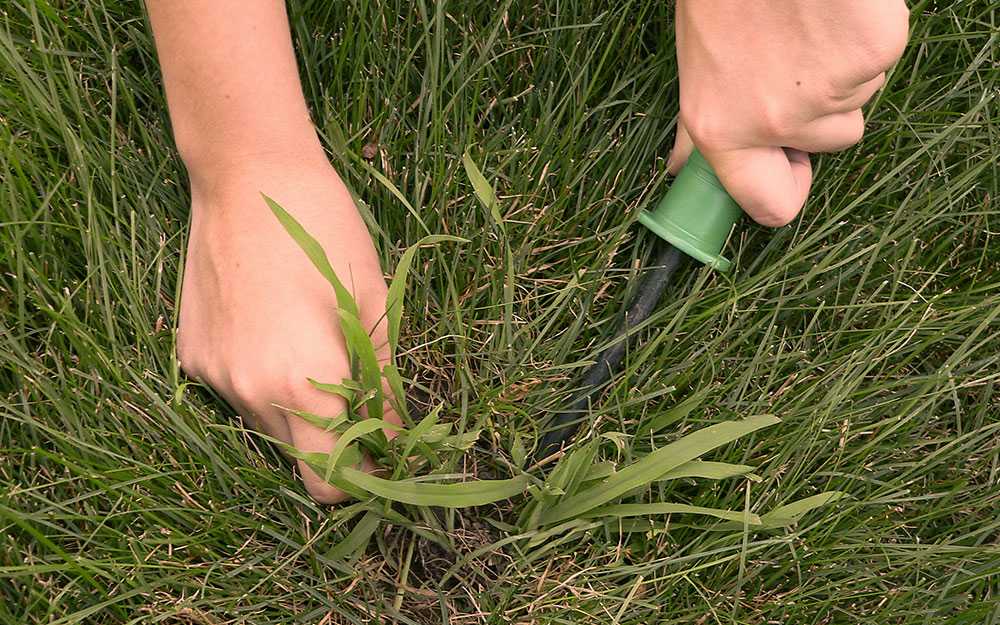
Yes, you can pull out crabgrass! If you’ve been battling this annoying weed in your lawn or garden, you’ll be relieved to know that it is possible to remove it by hand. Crabgrass is a common problem for homeowners, as it spreads quickly and can take over your lawn if left untreated. But fear not, because in this article, we will discuss the various methods you can use to pull out crabgrass and regain control of your outdoor space.
Crabgrass, scientifically known as Digitaria, is an annual weed that thrives in sunny and warm environments. It can be identified by its wide, flat blades and its ability to grow low to the ground. This invasive weed not only steals valuable nutrients and water from your desirable plants but also ruins the aesthetic appeal of your landscape.
While there are chemical herbicides available on the market to combat crabgrass, many people prefer a more natural approach to weed control. Pulling out the crabgrass manually can be an effective and eco-friendly solution, but it requires some time and effort. So, roll up your sleeves and let’s dive into the world of crabgrass removal methods!

Can You Pull Out Crabgrass? Understanding the Best Methods for Removal
Crabgrass is a notorious weed that can invade your lawn and wreak havoc on its appearance. If you’ve noticed this pesky grass taking over your yard, you may be wondering if you can simply pull it out to eliminate the problem. In this article, we will explore the effectiveness of pulling out crabgrass, discuss alternative removal methods, and provide tips for preventing its return. So, let’s dive in and learn more about the best ways to tackle crabgrass infestations.
The Challenges of Pulling Out Crabgrass
When faced with a crabgrass invasion, your first instinct might be to grab a handful and start pulling it out. While this method can be effective for removing small patches, it may not be the most practical solution for larger infestations. Here are some challenges you may encounter when attempting to pull out crabgrass:
- Shallow root system: Crabgrass has shallow roots that spread extensively, making it difficult to extract completely.
- Seed dispersion: Crabgrass produces thousands of seeds that can scatter easily when disturbed, leading to new growth.
- Breakage and regrowth: If the crabgrass breaks off at the base while pulling, it can regrow from any remaining roots.
Although pulling out crabgrass can provide temporary relief, it may not be a permanent solution. However, it can be an effective method when combined with other strategies, which we will explore in the following sections.
Alternative Methods for Crabgrass Removal
If pulling out crabgrass on its own is not enough, you’ll be relieved to know that there are alternative methods available to tackle this stubborn weed. Let’s take a look at some effective approaches to crabgrass removal:
1. Pre-emergent Herbicides
Pre-emergent herbicides are a powerful tool in preventing crabgrass growth before it emerges from the soil. These herbicides create a barrier on the surface, preventing the crabgrass seeds from germinating. It’s important to apply pre-emergent herbicides at the right time, typically in early spring before the soil temperature reaches a certain threshold. Be sure to follow the product instructions carefully to achieve the best results.
2. Post-emergent Herbicides
Post-emergent herbicides are designed to target and kill existing crabgrass plants. They are effective when applied directly to the weed, but caution should be exercised to avoid harming desirable grass species. It’s crucial to choose a post-emergent herbicide specifically formulated for crabgrass control and follow the application instructions meticulously.
3. Manual Removal with Root Extraction
As mentioned earlier, pulling out crabgrass can be effective for small patches. But this process can be made more efficient by ensuring proper root extraction. To do this, follow these steps:
- Dampen the soil: Water the area thoroughly prior to removal to make it easier to pull out the crabgrass.
- Use a garden fork or trowel: Loosen the soil around the crabgrass clump to expose its roots.
- Gently pull out: Grasp the crabgrass near its base and pull steadily, ensuring you extract the entire root system.
- Dispose of the crabgrass: Place the removed crabgrass in a bag or container for disposal, preventing any seeds from spreading.
Manual removal with root extraction is a labor-intensive process, but it can be effective when combined with other methods, especially for smaller areas of infestation.
Preventing the Return of Crabgrass
After successfully removing crabgrass from your lawn, it’s crucial to implement preventive measures to minimize its chances of returning. Here are some tips to help you maintain a crabgrass-free yard:
1. Maintain proper lawn care practices
- Mow at the correct height: Regularly mow your lawn at the appropriate height to encourage healthy grass growth, which will help suppress crabgrass.
- Fertilize and water adequately: Proper fertilization and watering will promote a strong lawn that can outcompete crabgrass.
- Aerate the soil: Aerating your lawn allows better water and nutrient absorption for your grass, making it less susceptible to crabgrass invasion.
2. Fill in bare spots
Crabgrass tends to thrive in areas where your lawn is sparse or damaged. Seed or sod any bare spots promptly to prevent crabgrass from taking hold.
3. Use a thick mulch layer in garden beds
Applying a thick layer of mulch in your garden beds can deter crabgrass growth by blocking sunlight and inhibiting seed germination. Ensure the mulch is at least 2-3 inches deep for optimal effectiveness.
4. Regularly inspect your lawn
Keep a watchful eye on your lawn for any signs of crabgrass resurgence. When you spot new growth, promptly take action to prevent it from spreading further.
While pulling out crabgrass can provide temporary relief, a comprehensive approach including herbicides and preventive measures is generally more effective. Remember to follow the instructions of any herbicides you use and combine manual removal with root extraction for small patches. By implementing proper lawn care practices and preventive strategies, you can keep crabgrass at bay and enjoy a healthy, vibrant lawn.
How to Remove Crabgrass | This Old House
Frequently Asked Questions
Can you manually pull out crabgrass?
Yes, you can manually pull out crabgrass from your lawn or garden. It is important to remember that crabgrass spreads through seeds and has a shallow root system, so it can be pulled out relatively easily. However, you need to ensure that you remove the entire plant, including the roots, to prevent regrowth.
What is the best time to pull out crabgrass?
The best time to pull out crabgrass is when it is young and still actively growing. Typically, this occurs in the late spring or early summer. At this stage, the plant is more vulnerable and easier to remove. It is recommended to pull out crabgrass before it sets seed to prevent further infestation.
How should I pull out crabgrass to ensure its complete removal?
To effectively remove crabgrass, you should follow these steps:
1. Moisten the soil to soften it
2. Grasp the crabgrass firmly near the base
3. Gently pull upwards, ensuring you get the entire plant, including the roots
4. Dispose of the pulled-out crabgrass to prevent reseeding or regrowth
5. Fill any resulting gaps with fresh soil or grass seed
Can I use herbicides instead of manually pulling out crabgrass?
Yes, herbicides can be used as an alternative to manual pulling. There are pre-emergent herbicides that prevent crabgrass from germinating and post-emergent herbicides that kill actively growing crabgrass. However, it is important to carefully follow the instructions on the herbicide label and use it responsibly to avoid harming desirable plants.
Will pulling out crabgrass damage my lawn?
If done correctly, manual pulling should not damage your lawn. It is essential to be gentle when pulling out the crabgrass to avoid disturbing the surrounding grass. Try to get as close to the base of the plant as possible to remove it cleanly without causing any harm to the existing lawn.
How can I prevent crabgrass from growing back after pulling it out?
To prevent crabgrass from growing back, you can take several preventive measures:
1. Maintain a healthy and thick lawn to minimize open spaces where crabgrass can grow
2. Regularly mow your lawn at the recommended height to discourage crabgrass growth
3. Use a pre-emergent herbicide in early spring to prevent crabgrass seeds from germinating
4. Ensure proper irrigation and avoid overwatering, as crabgrass thrives in moist conditions
5. Aerate your lawn to improve soil drainage and discourage crabgrass infestation
Final Thoughts
Crabgrass can be a pesky and stubborn weed that invades lawns, gardens, and driveways. However, the good news is that pulling it out manually can be an effective solution. By uprooting crabgrass from the roots, you can prevent it from spreading further and causing damage to your landscape. Regular maintenance and consistent removal will help keep crabgrass under control. So, next time you spot those unsightly weeds, don’t hesitate to pull them out. With a little effort and persistence, you can successfully eradicate crabgrass from your outdoor spaces.