Quick Answer: Yes, you can seed over crabgrass, but it might not be the most effective solution.
Introduction:
So, you’ve discovered crabgrass invading your lawn and now you’re wondering if you can simply seed over it. Well, the answer is yes, you can seed over crabgrass, but there are a few things you should know before you dive into reseeding your lawn. While it may seem like a quick fix, seeding over crabgrass is not always the most efficient solution. Crabgrass is an aggressive and resilient weed that can choke out new grass seedlings, ultimately leading to a disappointing outcome. However, if you’re determined to give it a try, there are some steps you can take to increase your chances of success. In this article, we’ll explore the pros and cons of seeding over crabgrass, discuss the potential challenges you might face, and offer alternative solutions to help you achieve a lush and weed-free lawn.

Can You Seed Over Crabgrass?
Crabgrass can be a persistent and frustrating weed that takes over lawns, leaving homeowners wondering if there is a way to salvage their grass. One common question that arises is whether it is possible to seed over crabgrass. In this article, we will explore this topic in detail and provide you with all the information you need to know about seeding over crabgrass.
The Nature of Crabgrass
Before discussing whether you can seed over crabgrass, let’s understand what crabgrass is and why it is a problem. Crabgrass is an annual grassy weed that thrives in warm-season climates. It grows rapidly, spreading through seed germination, and can quickly take over a lawn if left untreated. Its invasive nature and ability to outcompete desirable grasses make it a significant concern for homeowners.
Identifying Crabgrass
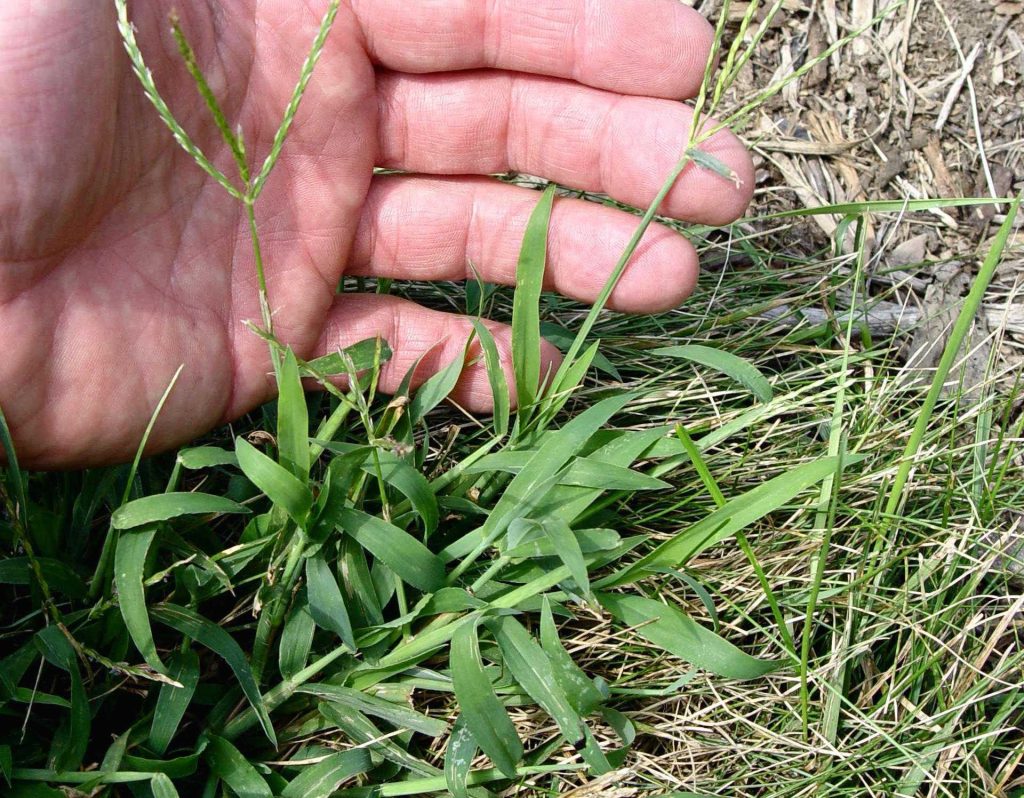
Crabgrass can be identified by its distinct appearance. It has wide, flat blades that radiate from a central point, resembling crab legs—hence the name. The plant typically grows low to the ground, forming dense patches, and can be lighter or darker green than the surrounding grass. Recognizing crabgrass is essential in determining how to effectively deal with it.
Controlling Crabgrass
Before delving into the topic of seeding over crabgrass, it’s crucial to understand proper control measures for this resilient weed. Here are some common methods homeowners use to combat crabgrass:
1. Pre-emergent Herbicides
Pre-emergent herbicides are a preventive measure used to stop crabgrass seeds from germinating. They create a barrier on the soil surface, preventing the weed from establishing itself. Applying pre-emergent herbicides at the right time, usually in early spring or before the crabgrass seeds germinate, can be an effective way to control its growth.
2. Post-emergent Herbicides
Post-emergent herbicides are used to target and eliminate existing crabgrass plants. These herbicides are applied directly to the weed and work by disrupting the plant’s growth process. It’s essential to apply post-emergent herbicides when the crabgrass is actively growing to achieve the best results.
3. Manual Removal
For small patches, manually removing crabgrass can be an option. This involves uprooting the weed, ensuring that the roots are entirely removed. However, manual removal may not be practical for extensive infestations or large lawns.
4. Improving Lawn Health
Maintaining a healthy lawn is crucial in preventing crabgrass infestations. Regular mowing, adequate watering, and proper fertilization can help promote a thick and robust lawn that is better able to resist weed invasion. A dense lawn provides less room for crabgrass seeds to germinate and take hold.
Seeding Over Crabgrass
Now, let’s address the question at the center of this article: Can you seed over crabgrass? The short answer is yes, but the success of this method depends on various factors. Seeding over crabgrass can be a viable option under specific circumstances, such as:
1. Sparse Crabgrass Infestations
If the crabgrass growth is minimal and confined to small patches, overseeding might be an effective solution. By introducing new grass seed, you can encourage desirable grass species to fill in the spaces and outcompete the crabgrass. However, it’s crucial to ensure proper lawn care practices are in place to support the growth of your newly seeded grass.
2. Eliminating Crabgrass First
In more severe cases, it is recommended to eliminate the crabgrass entirely before overseeding. This can involve using a combination of pre-emergent and post-emergent herbicides to control the weed population. Once the crabgrass is under control, you can proceed with overseeding to rejuvenate your lawn.
3. Timing is Key
Timing plays a crucial role in the success of overseeding over crabgrass. It’s best to overseed during the optimal growing season for the desired grass species in your region. This ensures the seeds have favorable conditions for germination and establishment. Additionally, avoid overseeding during hot summer months when crabgrass is most active.
Proper Lawn Care Practices
Whether you choose to seed over crabgrass or eliminate it first, implementing proper lawn care practices is crucial for a successful outcome. Here are some essential tips to follow:
1. Soil Preparation
– Conduct a soil test to determine any nutrient deficiencies or imbalances.
– Remove debris and thatch from the lawn to create a clean seedbed.
– Loosen compacted soil using a rake or aerator to enhance seed-to-soil contact.
2. Seed Selection
– Choose grass seed suitable for your region, climate, and desired lawn use.
– Consider factors such as sun exposure, foot traffic, and soil type when selecting seed varieties.
3. Proper Seeding Techniques
– Follow recommended seeding rates to ensure proper seed distribution.
– Consider using a seed spreader for even coverage.
– Lightly rake the seeds into the soil to ensure good seed-to-soil contact.
4. Watering and Maintenance
– Water the newly seeded area consistently to keep the soil moist but not saturated.
– Follow a regular watering schedule until the new grass establishes.
– Avoid mowing until the new grass reaches a height recommended for the species.
In conclusion, while it is possible to seed over crabgrass, the success of this method depends on the severity of the infestation, timing, and proper lawn care practices. For small patches or sparse crabgrass growth, overseeding can help restore a healthy lawn. However, in more severe cases, it’s essential to eliminate the crabgrass first before considering overseeding. Remember to follow proper lawn care practices and consult with a professional if needed to achieve the best results. With the right approach, you can transform your lawn and bid farewell to pesky crabgrass.
How to – Plant grass seed to stop crabgrass
Frequently Asked Questions
Can you seed over crabgrass?
Yes, it is possible to seed over crabgrass, but it may not be the most effective solution. Here are some frequently asked questions about seeding over crabgrass:
1. Is it recommended to seed over existing crabgrass?
While it is technically possible to seed over crabgrass, it is not the ideal approach. Crabgrass is a highly invasive weed that competes with the newly seeded grass for sunlight, water, and nutrients. It is advisable to eliminate the crabgrass before seeding for better results.
2. How can I remove crabgrass before seeding?
There are several methods to remove crabgrass before seeding. You can manually pull it out, use a weed killer specifically designed for crabgrass, or opt for mechanical removal techniques such as dethatching or sod cutting. These methods help create a clean and weed-free environment for optimal seed germination.
3. Will seeding over crabgrass prevent it from growing back?
Seeding over crabgrass does not guarantee that it won’t grow back. Crabgrass produces a vast amount of seeds, and even if you successfully establish new grass, dormant crabgrass seeds can germinate in the following seasons. It is crucial to follow proper lawn maintenance practices, including regular mowing, watering, and weed control, to minimize crabgrass recurrence.
4. Can I use a crabgrass preventer before seeding?
It is not recommended to use a crabgrass preventer before seeding your lawn. Pre-emergent herbicides target the germinating crabgrass seeds, but they can also hinder the germination of desirable grass seeds. If you decide to use a preventer, it is best to wait for the specified time mentioned on the product label before seeding to ensure successful establishment of the newly sown grass.
5. What is the best time to seed after removing crabgrass?
After removing crabgrass, it is best to wait for the right time to seed your lawn. Cool-season grasses such as fescue, bluegrass, and ryegrass should be seeded in early fall, allowing them to establish before winter. Warm-season grasses like Bermuda grass and Zoysia grass are best seeded in late spring or early summer when soil temperatures are consistently warm.
Final Thoughts
You can seed over crabgrass, but it may not be the most effective solution. While overseeding can help fill in bare patches and improve the overall health of your lawn, crabgrass is a persistent weed that can quickly overtake new grass seedlings. It is crucial to address existing crabgrass before attempting to seed. This involves using herbicides or manually removing the weed. Once the crabgrass is eliminated, you can then proceed with overseeding to promote a lush and healthy lawn. However, it is important to note that preventing crabgrass from reemerging requires proper lawn maintenance and regular weed control measures. So, can you seed over crabgrass? Yes, but only after eliminating the weed and taking preventative measures to ensure its absence in the future.