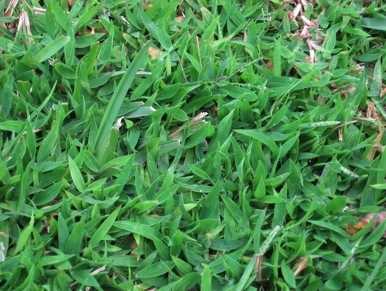
Quick Answer: Yes, you can have a crabgrass lawn, but it is not the ideal situation for most homeowners. Crabgrass is an invasive weed that can quickly take over your lawn, choke out the desirable grass, and ruin its appearance. However, if you have a poor-quality lawn or live in an area where crabgrass thrives, it can be challenging to completely eliminate it. Proper lawn care practices such as regular mowing, watering, fertilizing, and aerating can help prevent and control crabgrass. Additionally, using pre-emergent herbicides before crabgrass germinates can be effective in keeping it at bay. In this article, we will explore various ways to deal with crabgrass and provide tips to maintain a lush, healthy lawn free from this pesky weed.
Imagine walking barefoot on your lush, green lawn, feeling the soft blades of grass tickling your toes. Now, picture instead a lawn filled with unsightly, invasive crabgrass. Not exactly what you had in mind, right? While having a crabgrass lawn is possible, it’s certainly not the dream scenario for most homeowners.
Crabgrass, scientifically known as Digitaria sanguinalis, is a fast-growing and aggressive weed that can quickly take over your lawn. Its ability to spread rapidly and choke out desirable grass can ruin the appearance of your yard in no time. But fear not, there are ways to combat this persistent intruder.
In this article, we’ll delve into the world of crabgrass and explore how to prevent, control, and eliminate it from your lawn. We’ll discuss various lawn care practices, share tips on using herbicides effectively, and offer guidance on maintaining a thriving, crabgrass-free lawn. So, let’s get started on the path to a healthier, greener lawn!

Can You Have a Crabgrass Lawn?
Having a beautiful, lush green lawn is a dream for many homeowners. However, maintaining that dream lawn can sometimes be a challenging task. One of the most notorious lawn weeds that often plagues homeowners is crabgrass. Its rapid growth and ability to quickly dominate a lawn can be frustrating to deal with. But is it possible to have a lawn that consists solely of crabgrass? In this article, we’ll explore the topic of having a crabgrass lawn and address the various aspects associated with it.
Understanding Crabgrass
Before diving into the concept of a crabgrass lawn, let’s take a closer look at what crabgrass actually is. Crabgrass, scientifically known as Digitaria, is an annual grassy weed that belongs to the Poaceae family. It is commonly found in lawns, gardens, and various other disturbed areas. There are different types of crabgrass, but the most common one is the smooth crabgrass (Digitaria ischaemum).
Characteristics of Crabgrass
Crabgrass has a distinct appearance that makes it easily recognizable. Here are some notable characteristics of crabgrass:
- Low-growing and sprawling habit
- Wide, flat leaf blades
- Pale green color
- Finger-like protrusions (spikes) on the seedhead
- Rapid germination and growth
- Ability to produce thousands of seeds per plant
Factors Favoring Crabgrass Growth
To understand whether you can have a crabgrass lawn, it’s essential to know the factors that contribute to its growth. Here are some factors that favor crabgrass development:
1. Sunlight
Crabgrass thrives in areas with full sunlight. It can tolerate hot and dry conditions better than many turfgrass species. If your lawn receives ample sunlight, it provides the ideal environment for crabgrass to grow and spread.
2. Soil Conditions
Crabgrass tends to prefer compacted, nutrient-poor soils. Lawns with unhealthy soil that lacks proper aeration and nutrients become more susceptible to crabgrass invasion. Improving soil health through proper fertilization and aeration can help prevent crabgrass growth.
3. Lawn Maintenance Practices
Improper lawn maintenance practices can inadvertently promote crabgrass growth. Some maintenance practices that may contribute to crabgrass infestation include:
- Infrequent mowing
- Mowing too short
- Inadequate watering
- Poor lawn drainage
- Inefficient or improper fertilization
Potential Challenges of a Crabgrass Lawn
While it is technically possible to have a crabgrass lawn, there are several challenges and downsides to consider. These include:
1. Aesthetics
Crabgrass has a different appearance compared to desirable turfgrass species. Its pale green color and sprawling growth habit can significantly impact the overall aesthetics of your lawn. A lawn predominantly consisting of crabgrass may not provide the lush, uniform look many homeowners desire.
2. Weeds and Competition
Maintaining a crabgrass lawn can be challenging due to its invasive nature. Crabgrass has a high growth rate and tends to outcompete desirable grasses for space, nutrients, and water. This can lead to increased weed infestation and diminished grass health.
3. Seasonal Lifespan
Crabgrass is an annual weed, meaning it completes its lifecycle within a year. It typically germinates in spring, dominates throughout the summer, and produces seeds before dying off with the arrival of winter. As a result, maintaining a crabgrass lawn would require reseeding or overseeding every year to ensure consistent coverage.
Managing Crabgrass in Your Lawn
If you’re dealing with crabgrass in your lawn but do not wish to have a full crabgrass lawn, there are several effective management strategies you can employ:
1. Pre-Emergent Herbicides
Applying pre-emergent herbicides before crabgrass germination can be an effective preventative measure. These herbicides form a barrier in the soil, preventing the crabgrass seeds from sprouting. Timing is crucial for the success of pre-emergent herbicides, as they need to be applied before soil temperatures reach the ideal range for crabgrass germination.
2. Proper Lawn Care Practices
Maintaining a healthy, dense lawn through proper care practices can help prevent crabgrass infestations. Some key practices include:
- Regular and proper mowing
- Adequate watering
- Core aeration
- Overseeding
- Correct fertilization
3. Post-Emergent Herbicides
If crabgrass has already established itself in your lawn, post-emergent herbicides can help in its control. These herbicides target actively growing crabgrass, helping to eliminate existing infestations. It’s important to follow the instructions and label recommendations when using herbicides to ensure safety and effectiveness.
4. Manual Removal
In cases of limited crabgrass infestations, hand-pulling or spot-treating affected areas can be an option. However, this method is time-consuming and may not be practical for large-scale infestations.
While it is technically possible to have a crabgrass lawn, it comes with numerous challenges and downsides. Maintaining a lawn dominated by crabgrass can be aesthetically displeasing and may require continuous effort to prevent weed competition and improve overall lawn health. Employing proper lawn care practices and utilizing effective weed control strategies can help manage crabgrass and maintain a healthier, more desirable lawn. Remember, prevention is key in effectively managing crabgrass, so take proactive measures to keep your lawn free from this invasive weed.
How to Get Rid of Crabgrass (4 Easy Steps)
Frequently Asked Questions
Can you have a crabgrass lawn?
Yes, it is possible to have a crabgrass lawn. However, most homeowners aim to have a healthy and weed-free lawn, so actively promoting and maintaining crabgrass is not common. Crabgrass is a fast-growing, invasive weed that tends to take over lawns, crowding out desirable grasses and plants.
How does crabgrass appear in lawns?
Crabgrass can appear in lawns through various means. It typically emerges in bare areas or thin spots where sunlight reaches the soil. Crabgrass seeds can be carried by wind, birds, or even on the fur of animals. They can also lie dormant in the soil for several years until the right conditions trigger germination.
What are the ideal conditions for crabgrass to thrive?
Crabgrass thrives in warm-season areas with hot summers and mild winters. It prefers full sun exposure and can tolerate drought conditions. Crabgrass seeds need soil temperatures around 55°F (13°C) to germinate and thrive in compacted or disturbed soil.
How can I prevent or control crabgrass in my lawn?
Preventing or controlling crabgrass requires a combination of methods. Regular lawn maintenance practices such as proper mowing height, adequate watering, and regular fertilization can promote a healthy lawn that naturally suppresses weeds. Additionally, using pre-emergent herbicides in early spring can create a barrier that prevents crabgrass seeds from germinating. Post-emergent herbicides can be used to spot-treat existing crabgrass when necessary.
Can I manually remove crabgrass from my lawn?
Yes, manual removal is an option, especially for small infestations. Use a hand tool or garden fork to carefully dig out the crabgrass plants, ensuring you remove the entire root system. However, manual removal may not be practical for large areas or severe infestations, as crabgrass spreads through extensive seeding.
Are there specific grass types that are more resistant to crabgrass?
While no grass type is completely resistant to crabgrass, a dense and healthy lawn comprised of well-adapted turfgrass varieties can better resist crabgrass invasion. Certain cool-season grasses like Kentucky bluegrass, perennial ryegrass, and fine fescue have good natural competitiveness against crabgrass, provided they are well-maintained.
Final Thoughts
A crabgrass lawn is indeed possible, but it is not ideal for those who desire a lush and healthy lawn. Although crabgrass can thrive in areas with poor soil conditions and inconsistent maintenance, it typically invades weak and sparse areas of grass. Preventing crabgrass growth is the best approach, as controlling it once it takes hold can be challenging. Regular mowing, proper watering, and fertilizing will help maintain a healthy lawn and minimize the risk of crabgrass invasion. So, while you technically can have a crabgrass lawn, it is not recommended for those seeking a vibrant and well-maintained turf.