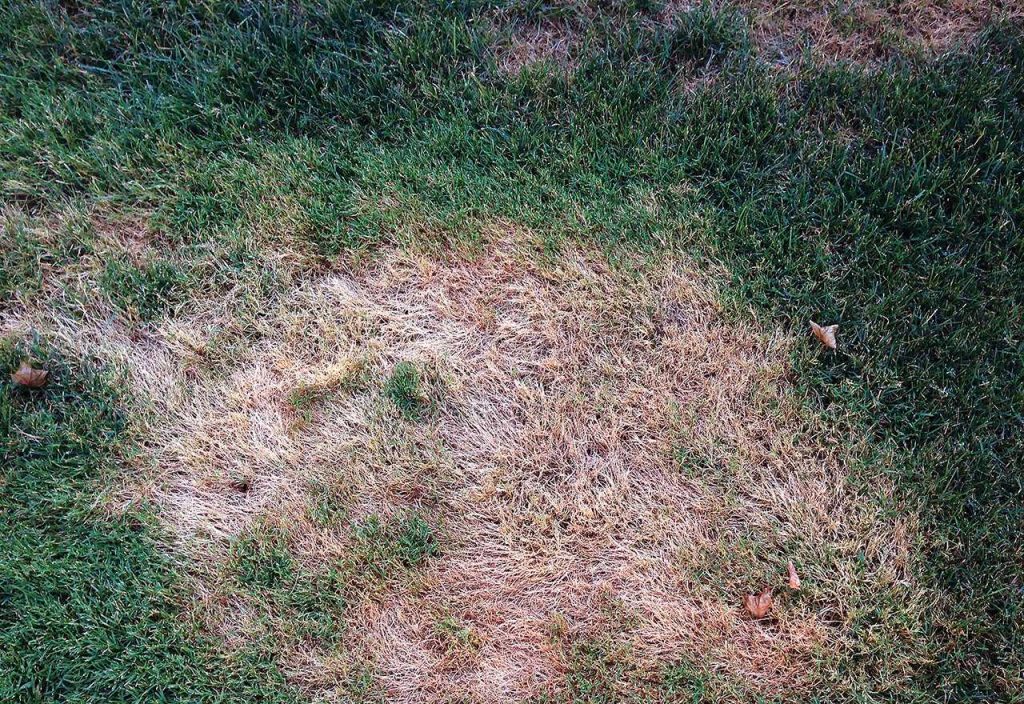
Yes, bentgrass is considered a cool-season grass. It thrives in cooler temperatures and is often used on golf courses and lawns in northern regions. Bentgrass grows best in spring and fall, making it an ideal choice for areas with mild summers.
In short, bentgrass is a cool-season grass that performs well in cooler climates and during cooler months. It prefers mild temperatures and can withstand cold winters, though it may struggle in hot, humid weather. Knowing this helps homeowners and landscapers choose the right turf for their climate.
If you’ve ever wondered whether bentgrass is suitable for your yard, you’re not alone. This lush, dense grass is favored for its fine texture and smooth putting surface, but its growth habits are closely tied to cooler weather. Understanding that bentgrass is a cool-season grass can help you determine if it fits your regional climate and maintenance preferences. Whether you’re planning a golf course or a backyard lawn, recognizing its seasonal needs ensures your grass stays healthy and beautiful year-round.

Is Bentgrass a Cool Season Grass? Exploring the Growing Conditions of Bentgrass
Understanding Cool Season and Warm Season Grasses
To answer whether bentgrass is a cool season grass, it helps to understand what cool season grasses are. These grasses thrive in cooler temperatures, typically between 50°F and 75°F. They grow best in spring and fall, when temperatures are moderate.
Warm season grasses, on the other hand, prefer higher temperatures. They flourish during summer and are generally dormant during cooler months. Knowing this difference helps determine which grasses are suitable for your climate.
What Is Bentgrass?
Bentgrass is a type of grass known for its fine texture and dense growth. It is widely used on golf courses and sports fields for its smooth, carpet-like appearance. The most common varieties include colonial, creeping, and velvet bentgrass.
Bentgrass is appreciated for its ability to create smooth putting surfaces and a lush green color. It tends to grow in low, spreading mats that can fill in gaps quickly, making it a popular choice for high-quality lawns.
Is Bentgrass a Cool Season Grass? An In-Depth Look
The core question is whether bentgrass fits into the category of cool season grasses. In general, bentgrass is classified as a cool season grass. It thrives in regions with mild to cool temperatures, such as the northern United States and parts of Europe.
Bentgrass’s growth cycle peaks during the cooler months, especially in spring and fall. During the hottest parts of summer, it can struggle unless given special care or shade.
Growing Conditions for Bentgrass
Temperature Tolerance of Bentgrass
Bentgrass prefers temperatures between 60°F and 70°F for optimal growth. It can tolerate short periods of higher temperatures but may go dormant or become stressed if temperatures stay high for extended periods.
During winter, cooler temperatures trigger its growth cycle, helping it stay lush and green in the right climates. This temperature adaptability confirms its status as a cool season grass.
Soil and Drainage Requirements
For healthy bentgrass, well-drained soil is essential. It prefers loamy soils rich in organic matter and an ideal pH level between 6.0 and 7.0. Proper soil preparation enhances root development and overall growth.
Good drainage prevents water from pooling, which can cause diseases. Regular soil testing can help maintain optimal conditions for bentgrass growth.
Sunlight and Shade Tolerance
Bentgrass thrives in full sun but can tolerate some shade. On golf courses, it often grows in areas with a mix of sun and shade, ensuring even growth. Too much shade can impair its health, leading to thinning and disease susceptibility.
Therefore, planting bentgrass in partly shaded areas is possible, but full sun exposure maximizes its lushness and density.
Seasonal Growth Patterns of Bentgrass
Spring and Fall Growth
In spring, bentgrass begins to recover from winter dormancy, turning a vibrant green. Fall provides cooler temperatures that promote leaf growth and turf density. During these seasons, maintenance should aim to promote healthy root development.
Regular aeration and fertilization help sustain its growth during these periods, resulting in a healthy, resilient lawn or green.
Summer Dormancy and Stress Management
During hot summer months, bentgrass may go into dormancy, turning brown or showing signs of stress. Proper irrigation and shading can help reduce heat stress and maintain its green appearance.
In regions where summers are extremely hot, additional techniques like overseeding or using shade covers can help keep bentgrass looking its best.
Benefits of Bentgrass as a Cool Season Grass
- High Tolerance for Low Temperatures: It remains green and active during cooler months.
- Dense Growth: Creates a smooth surface ideal for golf greens and high-quality lawns.
- Fast Recovery: Quickly fills in gaps and repairs damage due to its spreading nature.
- Excellent for Fine-Textured Lawns: Its thin blades give a pristine, manicured look.
Limitations of Bentgrass in Warm Climates
While bentgrass is great for cooler temperatures, it faces challenges in hot climates. It can become stressed, turn brown, and struggle to recover without significant care. In regions with hot summers, it may require special management practices.
In such areas, alternative warm-season grasses like Bermuda or zoysia are often recommended for better performance.
Maintenance Tips for Growing Bentgrass in Cooler Regions
Watering Practices
Consistent, deep watering keeps bentgrass healthy, especially during dry periods in spring and fall. Avoid overwatering, as it can lead to diseases like root rot.
Fertilization Schedule
Feeding bentgrass with nitrogen-rich fertilizers promotes lush growth. Applying fertilizer in early spring and fall supports its active periods.
Pest and Disease Management
Regular monitoring helps catch issues early. Common problems include dollar spot, leaf spot, and nematodes. Proper aeration and fungicide treatments can prevent outbreaks.
Overseeding and Lawn Repair
Overseeding with bentgrass can help maintain a dense turf, especially after damage or during transition seasons. It is best done in early spring or fall when conditions favor growth.
Related Topics
Bentgrass vs. Bermuda Grass: What’s the Difference?
Bentgrass prefers cooler climates and high-maintenance lawns, whereas Bermuda is a warm-season grass that thrives in hot, sunny environments. Choosing between them depends on your regional climate and lawn needs.
Common Lawn Problems with Bentgrass
- Thatch Buildup: Can hinder water and nutrient penetration.
- Disease Susceptibility: Particularly to dollar spot and brown patch during wet, cool conditions.
- Pest Issues: Such as hunting for grubs or nematodes.
Environmental Impact of Growing Bentgrass
Bentgrass requires regular watering and fertilization, which can impact water conservation efforts. Using efficient irrigation and organic fertilizers reduces environmental footprint.
Summary
Overall, bentgrass is a classic example of a cool season grass. It performs best in regions with mild summers and cooler climates, thanks to its growth cycle and temperature preferences. Proper care, including watering, fertilizing, and pest control, helps maintain its lush, dense appearance during its active months. Although it struggles in hot weather, it remains a top choice for high-quality lawns and golf courses in suitable environments.
Creeping Bentgrass in COOL SEASON LAWNS #lawncare #lawntips #diy
Frequently Asked Questions
Does bentgrass thrive in cooler temperatures compared to warm seasons?
Yes, bentgrass naturally prefers cooler temperatures and grows best during the spring and fall. It can tolerate cold weather well and remains active when temperatures stay below 75°F (24°C). During hot summer months, it may struggle or go dormant if not properly maintained.
Can bentgrass be used effectively on lawns in regions with cold winters?
Absolutely. Bentgrass adapts well to areas with cold winters, especially in northern climates. It survives winter dormancy and greens up early in spring, making it suitable for lawns requiring a lush, green appearance year-round if properly cared for.
What are the ideal growing conditions for bentgrass in terms of climate?
Bentgrass prefers a cool, moist climate with moderate humidity. It thrives in temperatures ranging from 50°F to 75°F (10°C to 24°C) and prefers well-drained, fertile soil. Adequate watering and proper shade can help maintain its health during cooler seasons.
Does bentgrass require special maintenance during summer months?
Yes, during hot weather, bentgrass needs extra care such as regular watering to prevent drought stress, mowing at higher heights, and possibly some shade protection. These practices help it stay healthy and prevent it from going dormant prematurely.
Is bentgrass suitable for golf course greens in cooler climates?
Many golf courses in cooler regions choose bentgrass for their greens because of its fine texture and ability to produce smooth, fast playing surfaces. It adapts well to the cooler temperatures typical of these climates, making it a popular choice for maintaining high-quality greens.
Final Thoughts
Bentgrass is indeed a cool season grass that thrives in cooler temperatures. It remains green and healthy during spring and fall, making it ideal for lawns and golf courses in temperate regions. Its resilience in cooler climates highlights its classification as a cool season grass.
In summary, is bentgrass a cool season grass? Yes, it is well-suited for cooler weather and provides excellent coverage and texture during the colder months. Its adaptability makes it a popular choice for those seeking a lush, green lawn in mild climates.