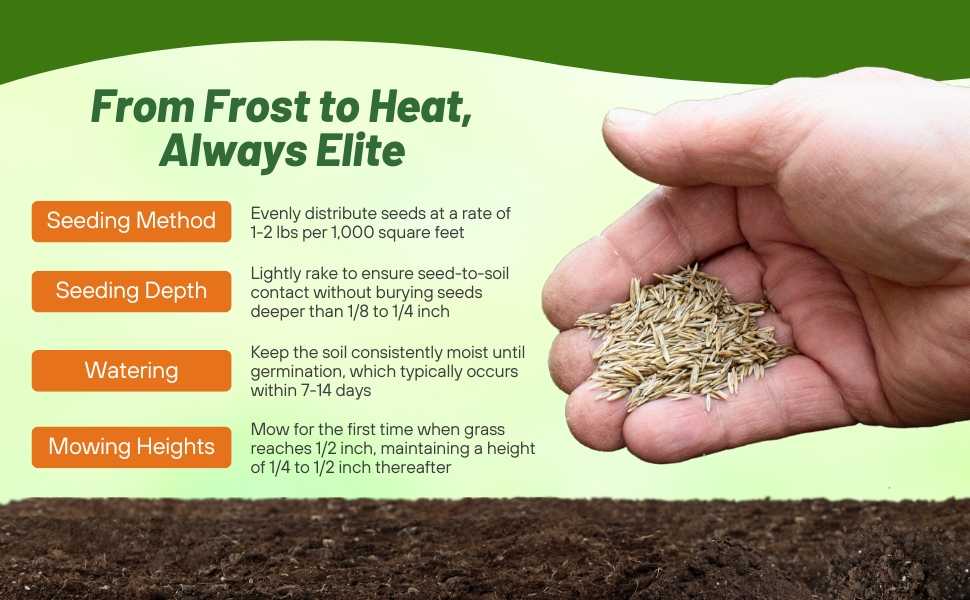
Yes, bentgrass can be mowed with a regular mower, but there are a few important considerations to keep in mind to ensure the best results. Bentgrass thrives when maintained at a shorter height, typically around 1 to 1.5 inches. Using a standard mower equipped with sharp blades can effectively achieve this. However, it’s crucial to maintain the mower’s height setting to avoid scalping the grass, which can lead to damage and stress. Additionally, you may want to mow more frequently during the growing season to keep it looking its best. So, if you’re planning to mow bentgrass, just be mindful of these tips, and you’ll have a lush, healthy lawn in no time!
Bentgrass is a popular choice for lawns, golf courses, and sports fields due to its fine texture and vibrant green color. It’s known for its ability to create a dense, carpet-like surface, but it does require specific care to thrive. One common question among homeowners and landscapers is whether a regular mower can be used for this type of grass. The answer is yes, but understanding bentgrass’s unique needs is key. Maintaining the correct mowing height and frequency is essential for promoting healthy growth and preventing issues. In this article, we’ll explore the best practices for mowing bentgrass with a standard mower to keep your lawn looking pristine.

Can Bentgrass Be Mowed With a Regular Mower?
Bentgrass is a popular choice for many lawns and golf courses due to its lush appearance and fine texture. However, it often raises the question: **Can bentgrass be mowed with a regular mower?** This detailed guide will delve into the specifics of mowing bentgrass, the type of mowers that can be used, and best practices for maintaining a healthy bentgrass lawn.
Understanding Bentgrass
Before discussing mowing techniques, it’s essential to understand what bentgrass is. This grass type is known for its dense growth and ability to form a tight, carpet-like surface. It thrives in cool-season areas and is often used in regions with cooler climates.
– **Types of Bentgrass**: There are several strains, including creeping bentgrass and colonial bentgrass. Each type has its own characteristics, but they generally share similar needs.
– **Growth Patterns**: Bentgrass grows low to the ground, often requiring regular maintenance to keep it looking its best.
Regular Mowers vs. Specialized Mowers
When considering whether a regular mower can effectively mow bentgrass, it’s crucial to compare it to specialized mowers.
Regular Lawn Mowers
Regular lawn mowers are designed for various grass types, but their effectiveness on bentgrass can vary based on several factors:
– **Mower Type**: Reel mowers and rotary mowers are common, but reel mowers are preferred for bentgrass. They provide a clean cut and are gentler on the grass.
– **Cutting Height**: Bentgrass should be cut to a height of 1 to 1.5 inches for optimal health. Many regular mowers can be adjusted to meet this requirement.
Reel Mowers
Reel mowers are often the best choice for mowing bentgrass. These mowers have blades that cut the grass rather than tearing it.
– **Advantages of Reel Mowers**:
– Provide a clean cut, reducing stress on the grass.
– Allow for precise height adjustments.
– Less damage to the grass overall, promoting healthier growth.
Best Practices for Mowing Bentgrass
To ensure your bentgrass lawn remains healthy and vibrant, here are some best practices for mowing:
Mowing Height
Maintaining the right mowing height is crucial for bentgrass.
– **Recommended Height**: Keep the grass at 1 to 1.5 inches. This height helps promote a strong root system and prevents weeds from taking over.
– **Avoid Cutting Too Short**: Cutting too short can stress the grass and lead to brown patches.
Mowing Frequency
Regular mowing helps control growth and enhance the appearance of your lawn.
– **Weekly Mowing**: During the growing season, mow weekly. This helps keep the grass at the desired height.
– **Less Frequent in Cooler Months**: In cooler months, grass growth slows down, so you may not need to mow as often.
Blade Sharpness
Keeping your mower blades sharp is essential for mowing bentgrass.
– **Sharp Blades Cut Better**: Dull blades can tear grass rather than cut it, leading to a ragged appearance and increased susceptibility to disease.
– **Regular Maintenance**: Sharpen blades at least once a season for optimal performance.
Post-Mowing Care
After mowing, additional care helps maintain a healthy bentgrass lawn.
Grass Clippings
Deciding what to do with grass clippings can impact your lawn’s health.
– **Leave Clippings on the Lawn**: Leaving clippings can provide natural nitrogen, benefiting the lawn.
– **Bagging Clippings**: If the clippings are too long, consider bagging them to prevent thatch buildup.
Watering After Mowing
Proper watering is crucial, especially after mowing.
– **Watering Schedule**: Water deeply but infrequently. After mowing, wait until the grass starts to dry before watering.
– **Avoid Overwatering**: Overwatering can lead to fungal diseases.
Common Mowing Issues With Bentgrass
While mowing bentgrass can be straightforward, some issues may arise.
Scalping
Scalping occurs when too much grass is cut off, exposing bare soil.
– **Causes of Scalping**: This often happens with dull blades or improper mower height settings.
– **Prevention**: Regularly check mower settings and ensure blades are sharp to avoid scalping.
Weed Control
Weeds can quickly invade a bentgrass lawn if it is not properly maintained.
– **Mowing Height and Weeds**: Keeping your lawn at the right height helps prevent weed growth.
– **Regular Maintenance**: Regularly inspect your lawn for weeds and remove them as needed.
Seasonal Considerations
Mowing bentgrass requires adjustments based on the season.
Spring Care
In spring, bentgrass begins to grow actively.
– **Mowing Frequency**: Increase mowing frequency as growth ramps up.
– **Fertilization**: Apply a spring fertilizer to promote healthy growth.
Summer Care
During the hot summer months, bentgrass requires specific care.
– **Mowing Height**: Raise the mowing height slightly to help the grass retain moisture.
– **Watering Needs**: Ensure adequate watering to prevent stress from heat.
Fall Care
As temperatures cool, mowing routines can change again.
– **Reduced Mowing**: Growth slows down in fall, so adjust mowing frequency accordingly.
– **Preparing for Winter**: Fertilize before winter to help the grass prepare for dormancy.
Using a Regular Mower on Bentgrass
In summary, using a regular mower on bentgrass can be effective, provided certain conditions are met. Understanding the type of mower you have, making necessary adjustments, and following best practices will lead to a healthier, greener lawn.
– **Choose the Right Mower**: Opt for a reel mower if possible, but some regular mowers with sharp blades can also work.
– **Maintain Proper Height**: Keep your mower adjusted to the recommended height for bentgrass.
– **Regular Maintenance**: Ensure your mower is well-maintained for the best results.
Mowing bentgrass may seem daunting at first, but with the right tools and knowledge, your lawn can thrive. This simple approach can turn your lawn into a lush, green oasis that you can enjoy throughout the growing season.
Mowing My PUTTING GREEN For the FIRST TIME!!!
Frequently Asked Questions
What type of mower works best for mowing bentgrass?
The best mowers for bentgrass are reel mowers or fine-turf mowers, as they can achieve a clean, even cut without tearing the grass blades. These mowers typically cut at lower heights, which is essential for maintaining bentgrass. If using a rotary mower, ensure it has a sharp blade and can be adjusted to a lower cutting height to minimize damage to the grass.
How often should bentgrass be mowed?
Bentgrass requires frequent mowing, typically every 5 to 10 days during the growing season. Regular mowing prevents the grass from becoming too tall, which can lead to a variety of issues, including reduced air circulation and increased vulnerability to pests and disease.
What height should bentgrass be cut?
For optimal health, bentgrass should be mowed to a height of 1 to 1.5 inches. Keeping the grass within this range promotes healthy growth and helps maintain a dense, lush lawn. Avoid cutting more than one-third of the grass height at a time to prevent stress on the plants.
Can using a regular mower damage bentgrass?
Using a standard rotary mower can potentially damage bentgrass if it is not set to the correct height. A rotary mower may tear the grass blades instead of cutting them cleanly, leading to a brown appearance and increased susceptibility to disease. It’s crucial to use a sharp blade and adjust the mower to the appropriate height to minimize this risk.
Is it necessary to sharpen the mower blades regularly for bentgrass?
Yes, regularly sharpening the mower blades is essential when mowing bentgrass. Dull blades can tear the grass instead of cutting it cleanly, resulting in stress and potential disease. Keeping the blades sharp promotes healthy growth and a neat appearance.
Final Thoughts
Bentgrass can indeed be mowed with a regular mower, provided the mower has sharp blades and is adjusted to the appropriate height. Regular maintenance of the mower helps ensure a clean cut, which is crucial for the health of bentgrass.
Mowing bentgrass at the right height prevents stress and encourages dense growth. Therefore, regularly mowing bentgrass with a standard mower can maintain a lush and beautiful lawn. In summary, to answer the question, “Can bentgrass be mowed with a regular mower?”—the answer is yes, as long as you follow proper mowing practices.