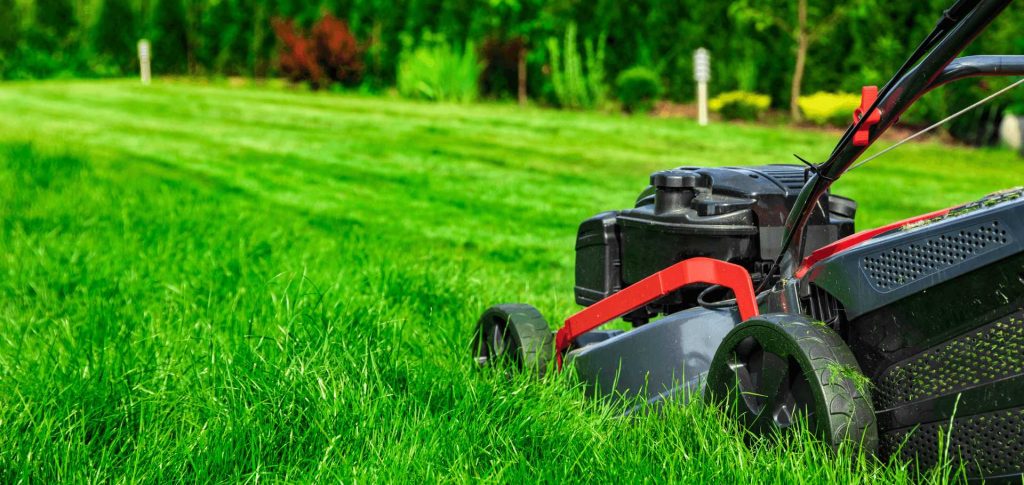
Yes, you can mow after fertilizing your lawn, but it’s best to wait a few days to ensure the fertilizer has been absorbed and won’t be washed away. Mowing too soon can disturb the fertilization process and lead to uneven growth or fertilizer runoff. Wait about 24 to 48 hours after applying fertilizer before mowing, especially if you’ve used a granular type. This gives your grass time to soak in the nutrients and helps your lawn look its best. Proper timing not only boosts grass health but also maximizes the benefits of the fertilizer. Keeping this in mind will give you a lush, healthy lawn without wasting your efforts or resources. Now, let’s explore the best practices for fertilizing and mowing for a perfect green carpet.

Can You Mow After Fertilizing the Lawn? A Complete Guide
Understanding Fertilizer and Its Purpose
Fertilizer is a special mix of nutrients that helps your lawn grow healthy and green. It provides essential elements like nitrogen, phosphorus, and potassium. Applying fertilizer correctly boosts grass growth and makes the lawn more resilient.
Timing Is Key: When to Fertilize Your Lawn
The best time to fertilize depends on your grass type and local climate. Usually, spring and fall are ideal for most lawns. Apply fertilizer when the grass is actively growing for optimal results.
Is It Safe to Mow Right After Fertilizing?
Mowing immediately after fertilizing is not recommended. Fertilizer needs time to be absorbed by the soil and roots. Mowing too soon can disturb the fertilizer and reduce its effectiveness.
How Long Should You Wait?
It is generally best to wait at least 24 to 48 hours after fertilizing. This allows the nutrients to settle into the soil. Some fertilizers, especially liquid or quick-release types, may require a shorter wait.
Effects of Mowing Too Soon After Fertilizing
Mowing right after fertilizing can cause several issues. It may:
- Disrupt the distribution of fertilizer on the grass blades
- Reduce the amount of nutrients absorbed by the soil and roots
- Stress the grass and slow down recovery
Best Practices for Mowing After Fertilization
Follow these tips to get the best results:
Wait the Recommended Time
Always check the fertilizer label for specific instructions. When in doubt, wait at least 24 hours before mowing.
Use a Sharp Mower Blade
A sharp blade makes cleaner cuts, which help the grass recover faster after fertilizing.
Adjust Mower Height
Set your mower to a higher setting to avoid cutting too much grass at once. Taller grass shades the soil and protects new nutrients.
Water the Lawn After Fertilizing
Lightly watering your lawn helps the fertilizer soak into the soil. It also reduces the risk of fertilizer burn and helps grass recover faster.
Types of Fertilizer and Mowing Considerations
Different fertilizer types may influence how soon you can mow:
Granular Fertilizer
This type releases nutrients slowly. Wait about 24 to 48 hours before mowing.
Liquid Fertilizer
Liquid fertilizers absorb quickly. Mow about 24 hours after application to prevent disturbing the nutrients.
Fast-Release vs. Slow-Release Fertilizer
Fast-release fertilizers provide quick nutrient availability but may require a longer wait before mowing. Slow-release fertilizers offer a steady supply, and mowing can often be done sooner.
Environmental Factors Affecting Mowing After Fertilizing
Weather plays a role in how soon you should mow after fertilizing. Warm, dry weather encourages faster grass growth, so mowing can be more frequent. Conversely, if it has recently rained or the soil is wet, wait until it dries to avoid compacting the soil.
Signs Your Lawn Is Ready to Mow
Look for these signs before mowing:
- The grass has dried after watering or rainfall
- The grass blades are upright and not wet or sticky
- The grass has grown enough to reduce the risk of scalping or damage
Additional Tips for Healthy Lawn Care
To keep your lawn healthy and thriving:
- Fertilize during the active growing seasons
- Follow recommended application rates
- Water consistently after fertilizing
- Mow regularly but avoid cutting more than one-third of the grass height at a time
- Maintain mower blades sharp for cleaner cuts
Summary: The Do’s and Don’ts of Mowing After Fertilizing
In summary, avoid mowing immediately after fertilizing. Instead, wait at least 24 hours, check the weather, and ensure the fertilizer has had time to be absorbed. Proper timing helps your grass recover, promotes healthy growth, and maximizes the benefits of fertilization.
Additional Related Topics
Considering lawn aeration or overseeding? These practices can complement fertilizing and mowing routines. Aeration improves soil airflow, while overseeding fills in bare patches for a lush, uniform lawn. Both work best when done at the right times with proper mowing and fertilization schedules.
When Can You Mow the Lawn After Fertilizing?
Frequently Asked Questions
How long should I wait before mowing after applying fertilizer?
It is best to wait at least 24 to 48 hours after fertilizing your lawn before mowing. This allows the fertilizer to absorb into the soil and begin nourishing the grass, reducing the risk of damaging the blades or washing away nutrients. Waiting this period ensures your lawn benefits fully from the fertilizer while maintaining a healthy appearance.
Can mowing immediately after fertilizing harm my grass?
Mowing right after fertilizing can cause stress to your grass and may lead to uneven growth. It might also disturb the fertilizer particles, preventing proper absorption. To protect your lawn’s health, schedule mowing at least a day after fertilizing and ensure your mower blades are sharp to minimize injury to the grass blades.
Should I adjust my mowing height after fertilizing?
Typically, you do not need to change your mowing height specifically after fertilizing. However, if your grass is lush and growing rapidly due to fertilization, raising the mower height slightly can help prevent scalping and promote healthy root development. Consistently maintaining appropriate mowing height supports the overall health of your lawn.
What are the risks of mowing too soon after fertilizing?
Mowing too soon can disturb the fertilizer particles before they have a chance to penetrate the soil. This may lead to uneven nutrient distribution and waste of fertilizer. Additionally, mowing when the grass is wet or too short immediately after fertilizing can stress the lawn and impair healthy growth.
Is it better to mow before or after fertilizing?
Mowing before applying fertilizer helps remove excess grass clippings and allows the nutrients to reach the soil more effectively. After fertilizing, wait at least one or two days before mowing to give the fertilizer sufficient time to absorb, ensuring your lawn benefits fully from the treatment and maintains a healthy, uniform appearance.
Final Thoughts
You can mow after fertilizing the lawn, but timing matters for optimal results. Wait at least 24 to 48 hours after applying fertilizer to avoid damaging new growth. Mowing too soon can interfere with nutrient absorption and cause stress to the grass.
Ensure the fertilizer has absorbed well and the grass is dry before mowing. This helps prevent clumping and ensures a cleaner cut.
Can you mow after fertilizing the lawn? Yes, but do it cautiously and at the right time to maintain a healthy, vibrant yard.