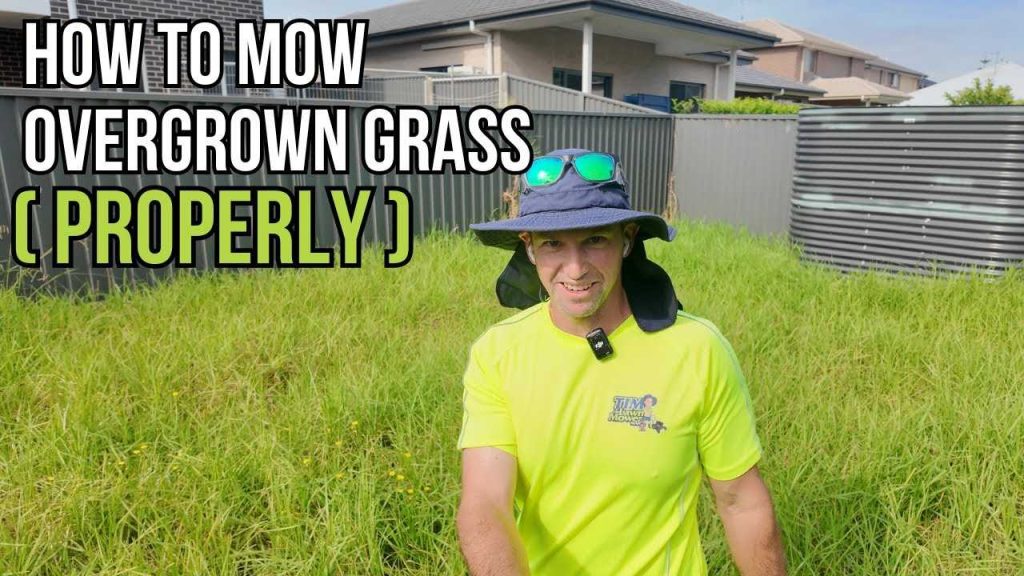
To effectively mow overgrown grass, start by trimming the tallest patches with a weed trimmer or hedge shears to make the process easier. Then, set your mower to a higher cutting height and gradually lower it with each pass until you achieve the desired length. Always ensure you’re mowing when the grass is dry to prevent clumping and uneven cuts. Regularly clean your mower blades for a clean cut and healthier grass.
For overgrown lawns, the key is patience and proper technique. Begin by removing excess height in stages to avoid stressing the grass or damaging your mower. Adjusting your equipment and mowing carefully ensures a tidy and healthy yard without overwhelming yourself or your tools. This step-by-step approach makes the task manageable and results in a lush, well-maintained lawn.
If your grass has grown excessively, tackling it can seem daunting, but with the right approach, you can restore your lawn efficiently. Overgrown grass requires special attention to avoid damaging the turf or your equipment. Starting with a clear plan, including trimming high patches first and adjusting your mower height accordingly, ensures a smoother process. Regular maintenance after this initial cut will keep your yard looking fresh and healthy. Remember, patience and proper technique are your best tools for transforming a wild yard into a beautiful outdoor space.

How to mow overgrown grass properly
Mowing overgrown grass can seem challenging, but with the right steps, you can do it safely and efficiently. Recognizing the importance of proper techniques helps keep your lawn healthy and looks great. Here is a detailed guide to help you mow overgrown grass correctly and avoid common mistakes.
Assessing the Condition of Your Overgrown Lawn
Before starting, walk around your yard to evaluate how tall and thick the grass has become. This helps determine the best approach for mowing without damaging your lawn or your mower. Check for obstacles like rocks, sticks, or debris that could harm your equipment or cause accidents.
Measure the Height of Your Grass
Use a ruler or a measuring tape to find out how tall your grass is. Ideal mowing height varies based on grass type, but generally, grass should be cut when it reaches about three times its recommended height. If grass is over six inches tall, plan to mow in multiple passes.
Identify Grass Type and Its Needs
Knowing your grass type helps determine optimal mowing height and frequency. For example, cool-season grasses like Kentucky bluegrass prefer to be cut at about two to three inches, while warm-season grasses like Bermuda need to be kept around one to two inches.
Preparing Your Equipment for Overgrown Grass
Proper preparation ensures your mower handles thick, tall grass effectively. This includes checking and adjusting your mower and gathering necessary tools. A well-maintained mower makes the job easier and prevents damage.
Sharpen the Blades
Dull blades tear grass rather than cut it cleanly, leading to an unhealthy lawn and uneven cuts. Sharpen blades regularly, especially before tackling overgrown areas. A sharp blade ensures a smooth cut, reduces stress on the mower, and promotes healthy grass growth.
Set the Correct Mowing Height
Adjust your mower’s cutting height to a higher setting for initial passes. Cutting grass too short during the first mow can stress the lawn. Raise the blades to remove only the top third of the grass height in the first pass.
Gather Necessary Tools and Safety Gear
- Protective gloves
- Eye protection
- Sturdy footwear
- Rake to clear debris
Wearing proper safety gear protects you during the mowing process, especially when dealing with thick grass and debris.
Step-by-Step Mowing Technique for Overgrown Grass
Approach the task methodically by following these steps. Take your time to avoid damaging your mower or harming yourself. Starting slow and being cautious helps achieve the best results.
First Pass: High Cut
Begin by mowing at the highest setting on your mower. Make one or two passes over the thickest areas, removing only a small portion of the grass’s height. This prevents overloading the mower and helps the grass recover quickly.
Rest and Clear the Area
After the first pass, turn off the mower and clear away cut grass and debris. Use a rake to remove excess clippings that could clog your mower or smother the grass underneath.
Second Pass: Lower the Cutting Height
Lower the mower’s blades to a more appropriate height for your grass type. Now, mow again, covering the area with clean cuts. This step helps to gradually reduce the grass height without stressing the grass or mower.
Final Pass: Achieving a Clean Cut
If necessary, lower the mower to the recommended height for your grass. Make a final pass, ensuring a uniform and neat appearance. Be careful to avoid scalping the lawn, which can damage grass roots.
Tips for Mowing Overgrown Grass Effectively
Implementing these tips will improve your mowing results and lawn health. Proper technique reduces the risk of mower damage and promotes lush, healthy grass.
Use Slow, Steady Movements
Take your time during each pass. Moving slowly ensures an even cut and reduces strain on your mower’s engine. Rushing can lead to uneven patches or clogged blades.
Adjust Mower Speed and Blade Height as Needed
Modify your mower’s speed if possible, especially when handling thick grass. Slower speeds improve control and cutting efficiency. Change the blade height gradually to avoid shocking the grass roots.
Keep Mower Blades Clean
Regularly remove grass clippings from blades and underside of the mower deck. Built-up debris can impair performance and cause uneven cuts.
Consider Using a Brush Cutter for Extremely Tall Grass
If your lawn is very overgrown, a string trimmer or brush cutter might be necessary for initial clearing. These tools can handle tall, tough grass more effectively than standard mowers.
Additional Strategies for Overgrown Lawn Maintenance
Beyond mowing, other care practices support lawn recovery and appearance. Proper watering, fertilizing, and aerating create a healthy environment for grass to thrive after heavy growth.
Water Deeply and Infrequently
Deep watering encourages strong root growth, making your grass more resilient. Avoid frequent shallow watering, which can weaken roots and promote shallow growth.
Fertilize Appropriately
Apply a balanced fertilizer suited for your grass type in spring or after overgrowth. Proper nutrients promote healthy, lush grass and help it recover from heavy mowing.
Aerate Your Lawn
Use a lawn aerator to loosen compacted soil. Aeration allows air, water, and nutrients to reach the roots more efficiently, promoting quick recovery from overgrown conditions.
Maintaining Your Mower for Future Use
Regular maintenance extends your mower’s lifespan and ensures it performs well when needed. Keep blades sharp, check oil levels, and follow the manufacturer’s maintenance schedule.
Sharpen Blades Regularly
Sharpen or replace blades at least once per season or after cutting overgrown grass. Sharp blades prevent tearing and promote healthy grass growth.
Clean and Store Properly
After use, clean grass clippings and debris from your mower. Store it in a dry, sheltered place to avoid rust and damage.
Mowing overgrown grass requires patience and the right approach. Starting with a high-cut setting and gradually lowering the height helps prevent damage and promotes healthy regrowth. Proper equipment maintenance, safety precautions, and lawn care practices ensure your yard looks its best. Remember, taking your time and following these steps makes the task easier and results in a beautiful, well-maintained lawn.
How to Mow a Lawn CORRECTLY
Frequently Asked Questions
What techniques should I use to cut overgrown grass without damaging the lawn?
Start by adjusting your mower to a higher setting to avoid cutting too much at once. Remove any debris or thick patches to prevent clogging the mower. Mow in multiple passes, gradually lowering the grass height each time, which helps prevent stress on the grass and ensures an even cut. Be sure to overlap your passes slightly to achieve uniformity across the lawn.
How can I prepare my mower for cutting tall and overgrown grass?
Before mowing, clean the mower blades to ensure a clean cut. Sharpen the blades if they appear dull to avoid tearing the grass. Check the fuel and oil levels, and replace or top them up if needed. Consider using a blade brush or scraper to remove any buildup that could reduce cutting efficiency. It’s also helpful to clear away any obstacles or debris that could hinder the mower’s movement.
What should I do after mowing overgrown grass to promote healthy growth?
After mowing, rake up clippings to prevent suffocation of the grass and improve airflow. Water the lawn deeply to help the grass recover from the stress of cutting. Apply a balanced fertilizer to promote new growth and strengthen the grass. Lastly, keep the lawn properly maintained by mowing regularly at an appropriate height to prevent future overgrowth.
Final Thoughts
To mow overgrown grass properly, start by assessing the height and removing any debris. Use a sharp mower blade to ensure a clean cut. Adjust the mower settings for taller grass to avoid clogging the blades.
Next, mow gradually, removing no more than one-third of the grass height at a time. This prevents stress on the grass and promotes healthy growth.
Finally, clean your equipment after mowing and water your lawn if needed. By following these steps, you can efficiently handle overgrown grass and keep your lawn healthy.