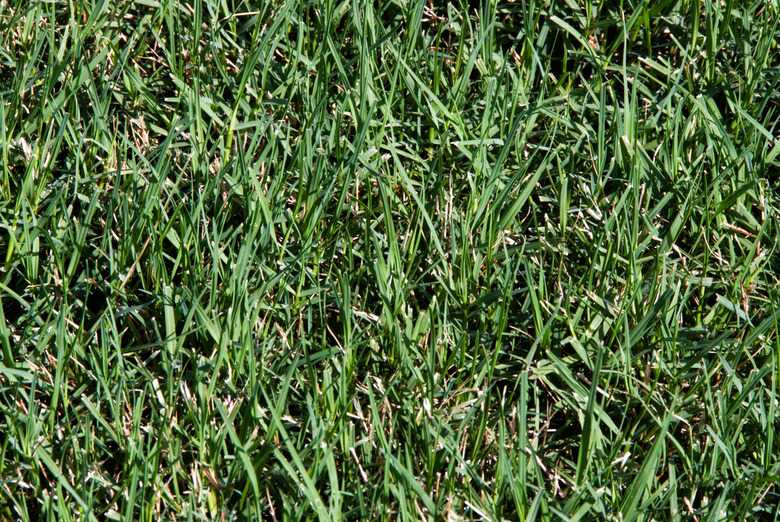
Yes, you can mix tall fescue and Bermuda grass, but it requires careful planning to ensure both grasses thrive together. Mixing these grasses can create a lush, resilient lawn, but it’s important to consider their growing habits, sunlight needs, and maintenance requirements.
In short, mixing tall fescue and Bermuda grass is possible and can be beneficial for a year-round lawn, especially in warmer climates. However, it’s essential to understand their differences and manage them properly to prevent one from outcompeting the other.
Thinking about combining tall fescue and Bermuda grass? Many homeowners wonder if they can create a diverse, hardy lawn by blending these two grass types. Knowing how to properly mix and maintain them can lead to a beautiful, functional yard that stays green across seasons. Both grasses have unique qualities—tall fescue holds up well in cooler weather with its shade tolerance, while Bermuda thrives in heat and full sun. When combined thoughtfully, they can complement each other, giving your lawn resilience and aesthetic appeal year-round. Just keep in mind that different watering, fertilizing, and mowing practices are necessary to keep both grasses healthy.

Can You Mix Tall Fescue and Bermuda Grass?
Many homeowners and landscapers wonder if blending tall fescue with Bermuda grass is a good idea. This combination can seem appealing because of the different qualities each grass offers. However, understanding how these grasses interact is crucial before trying to mix them in your yard.
Understanding Tall Fescue and Bermuda Grass
What Is Tall Fescue?
Tall fescue is a cool-season grass that stays green during the cooler months. It has a deep root system, making it tolerant to drought and shade. It also requires less frequent mowing compared to some other grasses.
What Is Bermuda Grass?
Bermuda grass is a warm-season grass that thrives in hot, sunny climates. It spreads quickly through stolons and rhizomes, creating a dense turf. Bermuda tends to go dormant in winter, turning brown in colder months.
Key Differences in Growth Habits and Climate Tolerance
- Climate Adaptation: Tall fescue performs best in cooler weather, while Bermuda grass prefers hot, sunny environments.
- Growth Pattern: Tall fescue grows evenly and stays upright, whereas Bermuda spreads aggressively through runners.
- Water Needs: Bermuda grass generally requires more water during its growing season, whereas tall fescue is more drought-tolerant.
Pros and Cons of Mixing Tall Fescue and Bermuda Grass
Advantages
- Extended Green Season: Combining these grasses can create a lawn that stays appealing year-round in some climates.
- Enhanced Tolerance: Their different tolerant zones can make your lawn more resilient to weather changes.
- Cost-Effective Maintenance: Tall fescue’s lower water needs can reduce watering costs, while Bermuda’s rapid growth can fill in bare spots quickly.
Disadvantages
- Establishment Challenges: Each grass has different germination times and growing conditions, making initial mixing tricky.
- Management Complexity: Different mowing heights and fertilization needs can complicate lawn care routines.
- Potential for Thatch Buildup: The combination can increase organic matter on the surface, leading to thatch issues if not managed well.
How to Mix Tall Fescue and Bermuda Grass Effectively
Preparation of the Soil
Start with a clean, well-drained soil that is free from weeds. Conduct a soil test to determine pH and nutrient levels, adjusting as needed. Proper soil preparation promotes better establishment of both grasses.
Timing the Planting
Plant tall fescue in early spring or fall when temperatures are moderate. Bermuda grass should be planted late spring or early summer once soil temperatures are consistently warm. Timing is essential for successful establishment.
Planting Methods
- Seed Tall Fescue: Sow the seed evenly over the prepared soil and water regularly.
- Lay Bermuda Sod or Seed: Either sod or seed Bermuda during the optimal window for warm-season growth.
Allow each grass to establish before attempting to blend or manage together. This can take several months, depending on your climate.
Managing a Tall Fescue and Bermuda Grass Mixture
Watering Practices
Adjust watering schedules according to each grass’s needs. Tall fescue benefits from deep, infrequent watering, while Bermuda may require more frequent irrigation during hot months.
Mowing Heights
Set mowing heights appropriately: tall fescue typically does well at 2.5 to 4 inches, while Bermuda should be mowed at 1 to 2 inches. Maintaining these heights prevents one grass from overtaking the other.
Fertilization Techniques
Use a balanced fertilizer that suits both grasses. During cooler months, focus on nutrients for tall fescue, and during summer, increase feeding for Bermuda to promote dense growth.
Dealing With Challenges in Mixed Lawns
Thatch and Disease Control
Regular aeration and dethatching help prevent buildup. Keep an eye out for diseases common to each grass type, treating promptly with appropriate fungicides.
Managing Invasive Growth
Bermuda’s aggressive spreading can overrun tall fescue if not controlled. Use edging or chemical weed control to maintain a balanced mixture.
Seasonal Changes and Dormancy
Expect Bermuda to turn brown in winter, while tall fescue remains green. Plan for these seasonal changes to maintain visual appeal and health of your lawn.
Alternatives to Mixing Tall Fescue and Bermuda Grass
If managing a mixed lawn seems complicated, consider installing separate zones tailored to each grass type. Alternatively, choose one grass based on your climate and lawn use. This approach simplifies care and improves lawn quality.
Final Thoughts on Mixing Tall Fescue and Bermuda Grass
While it is possible to mix tall fescue and Bermuda grass, it requires careful planning and ongoing management. Understanding each grass’s needs and growth habits helps in creating a healthy, vibrant lawn. With proper techniques, mixing these grasses can extend your lawn’s usefulness across seasons, blending the best qualities of cool and warm-season grasses.
Tall Fescue and Bermuda in the same lawn
Frequently Asked Questions
Is it necessary to prepare the soil differently when planting both tall fescue and bermuda grass together?
Yes, preparing the soil properly is essential for mixing tall fescue and bermuda grass. Tall fescue prefers well-drained, slightly acidic soil with good organic matter, while bermuda grass thrives in warm, sandy, and well-draining soil. To ensure both grasses establish well, you should test the soil and amend it accordingly, possibly adjusting pH levels or adding organic matter, so that it meets the needs of both grass types.
Will mixing tall fescue and bermuda grass affect the overall health of my lawn?
Mixing these grasses can be beneficial if managed correctly, as it allows the lawn to adapt to different seasonal conditions. Tall fescue remains green during cooler months, and bermuda grass thrives in hot summer weather. However, if not overseeded or maintained properly, one grass species might outcompete the other. Regular mowing, fertilization, and proper watering help maintain a healthy, balanced lawn.
Are there any challenges associated with maintaining a mix of tall fescue and bermuda grass?
Yes, maintaining a mixed lawn involves managing different growth habits and seasonal requirements. Tall fescue tends to grow vertically and can become coarse if overgrown, while bermuda grass spreads horizontally and needs frequent mowing. Adjusting watering schedules according to each grass’s needs and addressing potential weeds or invasive growth can help keep both grasses healthy and visually appealing.
Can I overseed bermuda grass with tall fescue for better winter coverage?
Yes, overseeding bermuda grass with tall fescue during the late fall or early winter offers better winter color and durability. You should prepare the soil by aerating and dethatching, then overseed with a quality tall fescue blend. Ensure consistent watering and avoid heavy fertilization immediately after overseeding to promote good seed-to-soil contact and establishment.
What are the best practices for mowing a lawn containing both tall fescue and bermuda grass?
Set your mower height carefully based on the dominant grass species and seasonal conditions. During active growth periods, mow bermuda grass at around 1 to 2 inches, and tall fescue at about 2.5 to 4 inches. Adjust mowing frequency to prevent overgrowth of one species and to avoid stressing the grasses. Regularly sharpen mower blades to ensure clean cuts and promote healthy growth.
Final Thoughts
Mixing tall fescue and bermuda grass can be challenging due to their different growth habits and climate preferences. Tall fescue thrives in cooler weather, while bermuda grass prefers warmer conditions. To succeed, carefully manage watering and fertilization to support both grasses’ needs.
While it’s possible to combine them, ensure proper attention to each grass type’s requirements for a healthy lawn.
Can you mix tall fescue and bermuda grass? Yes, but it requires thoughtful maintenance and environmental considerations to ensure a thriving, balanced lawn.