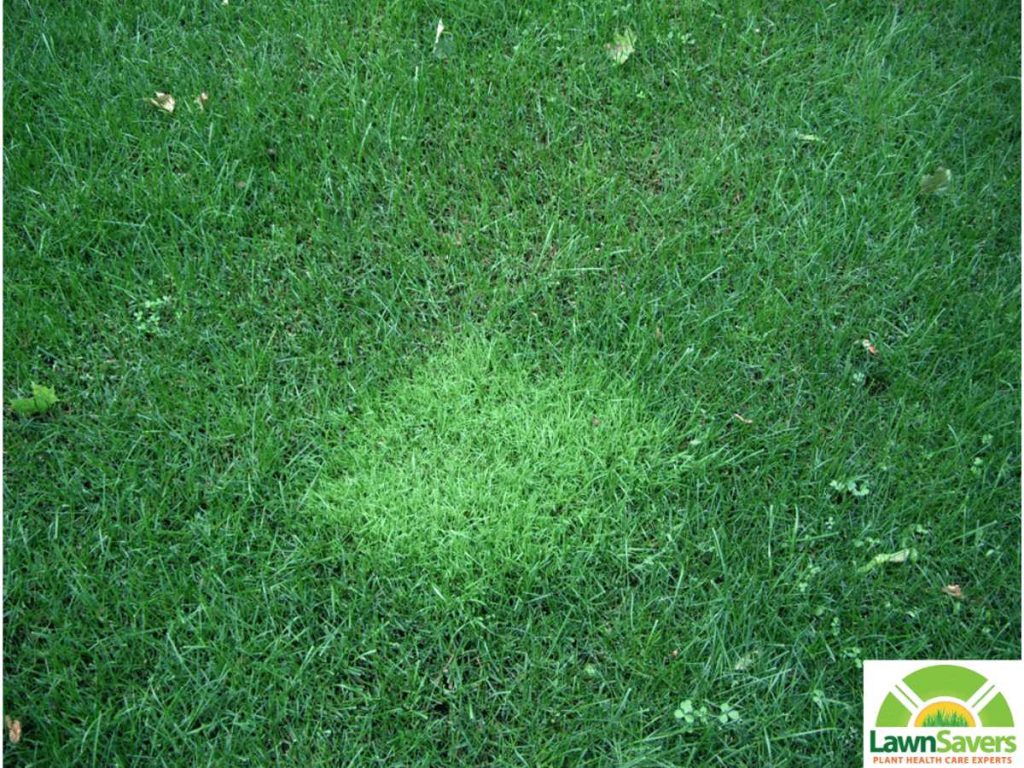
Yes, you can mix Bermuda and bentgrass, but it’s not always ideal due to their differing growth habits and maintenance needs. Combining these grasses can be tricky, but with proper planning and care, it’s possible to have a mixed lawn. Keep in mind that each type prefers different conditions, which can lead to uneven growth or management challenges.
In short, mixing Bermuda and bentgrass is feasible, but it requires some effort and understanding of their particular needs. This article explores whether blending these two grasses works, what to consider, and tips for maintaining a healthy lawn that incorporates both.
Are you wondering if Bermuda and bentgrass can be grown together? Many homeowners and landscapers ask this question when aiming for a lush, resilient lawn. While these grasses can coexist, they demand specific conditions and regular maintenance to prevent issues. Bermuda grass is hardy, drought-resistant, and thrives in warm weather, while bentgrass prefers cooler temperatures and moist soil. Mixing them can create a visually appealing landscape, but it’s essential to understand their differences to avoid uneven growth, patchiness, or increased upkeep. With the right approach, you can enjoy the benefits of both grasses, resulting in a vibrant, durable lawn suited to various environmental conditions.

Can You Mix Bermuda and Bentgrass?
Many people wonder if mixing Bermuda grass and Bentgrass is possible for their lawns or golf courses. These two grasses have very different needs and characteristics, which can make their combination challenging. Understanding their differences is key to deciding if they can be grown together successfully.
Understanding Bermuda Grass
Bermuda grass is a warm-season grass that thrives in hot weather. It is known for its durability and ability to recover quickly from damage. Bermuda has a fine texture and forms a dense, lush lawn when properly cared for.
This grass prefers full sunlight and needs regular watering to stay healthy. It usually goes dormant during cool months, turning brown but bouncing back in spring. Bermuda is often used in southern regions and on sports fields because of its resilience.
Understanding Bentgrass
Bentgrass is a cool-season grass that does well in cooler temperatures and shady areas. It is mainly used on golf course greens because of its smooth, uniform surface. Bentgrass has a fine texture and a dense growth habit, making it ideal for putting surfaces.
It requires frequent watering and fertilization for optimal growth. Bentgrass also prefers slightly acidic soil and needs regular mowing to maintain a short, even height. Unlike Bermuda, it can struggle in hot, humid weather, often becoming stressed or diseased.
Differences Between Bermuda and Bentgrass
The major differences include climate preferences, growth seasons, and maintenance needs. Bermuda is a warm-season grass active in summer, while Bentgrass thrives in cooler, spring, and fall conditions.
Their soil requirements also vary, with Bermuda favoring well-drained, sandy soils, and Bentgrass preferring slightly acidic, moist soils. These differences often mean they are grown separately in different regions or on different parts of a property.
Can You Mix Bermuda and Bentgrass?
Mixing Bermuda and Bentgrass is technically possible but generally not recommended. Their contrasting needs make it difficult to establish a healthy, uniform lawn when combining them.
For example, Bermuda needs full sun and heat, while Bentgrass prefers shade and cooler temperatures. They also differ in watering and fertilization requirements, which could lead to one grass outcompeting the other.
Potential Challenges of Mixing Bermuda and Bentgrass
Growth Rate Disparities
Bermuda grows rapidly during summer, while Bentgrass develops slowly and is prone to disease in hot weather. These growth rate differences can cause uneven patches and maintenance issues.
Different Water and Fertilizer Needs
Bermuda requires less water during dormancy, whereas Bentgrass needs consistent moisture. Fertilizer schedules also differ, leading to possible over-fertilization or under-fertilization for one of the grasses.
Color and Texture Mismatch
Because they have different textures and colors, the resulting lawn may look patchy or inconsistent. This can reduce aesthetic appeal, especially on a golf course or a decorative lawn.
When Might Mixing Be Considered?
In some cases, mixing Bermuda and Bentgrass can be useful for transitional zones. These are areas where the climate shifts from warm to cool, or where shade and sun alternate.
Gardeners or landscapers might purposely seed these areas with both grasses to see how they adapt. However, this requires careful management and ongoing maintenance.
Strategies for Managing Mixed Grass Lawns
Dividing and Separating Patches
If mixing is unavoidable, it is best to keep Bermuda and Bentgrass in separate zones. Use edging techniques or physical barriers to prevent the grasses from invading each other.
Tailored Maintenance Routines
- Adjust watering schedules to meet each grass’s needs during different seasons
- Apply fertilizers according to the specific requirements of each grass type
- Mow Bermuda higher in cooler months to prevent stress, and keep Bentgrass short for smoothness
Regular Monitoring and Adjustments
Keep a close eye on the health of both grasses. Spot issues early, such as disease or thinning patches, and take corrective measures quickly. This will help maintain a more uniform appearance over time.
Alternative Solutions to Mixing
Instead of trying to grow Bermuda and Bentgrass together, consider designing your landscape with separate zones suited to each grass’s needs. This approach ensures optimal growth and reduces maintenance stress.
Plant Bermuda in areas with full sun and high heat, and use Bentgrass in shaded or cooler locations. This way, you maximize the strengths of both grasses without the complications of mixing them.
Related Topics
- Choosing the Best Grass for Your Climate: Understand local weather patterns to select suitable turfgrass
- Maintaining a Healthy Lawn: Tips for watering, fertilizing, mowing, and pest control
- Golf Course Grass Management: How professionals manage different grasses on greens and fairways
- Dealing with Lawn Pests and Diseases: Common issues and organic control methods
While it is technically possible to mix Bermuda and Bentgrass, doing so often leads to more complications than benefits. The key to a beautiful, healthy lawn or golf course lies in understanding the unique needs of each grass. Choosing the right grass for your climate and soil will result in a more manageable and attractive space. For best results, consider planting each grass type in areas suited to their specific requirements instead of mixing them in one patch.
Bermudagrass will FRY in the Heat at Lengths Less Than 3”
Frequently Asked Questions
Is it advisable to plant Bermuda grass and bentgrass together in the same lawn?
Planting Bermuda grass and bentgrass together can be complicated because they have different growing habits and environmental preferences. Bermuda is a warm-season grass that thrives in hot climates, while bentgrass prefers cooler temperatures and more moisture. Combining them might lead to uneven growth and management challenges, so it’s usually better to establish each type separately based on your climate and lawn needs.
What are the potential challenges of mixing Bermuda and bentgrass in one area?
Mixing Bermuda grass with bentgrass can cause issues like uneven color, growth rates, and maintenance requirements. Bermuda tends to grow aggressively and can outcompete bentgrass, making it hard to maintain a uniform appearance. Additionally, their different watering and fertilization needs might complicate lawn care, leading to increased effort and inconsistent results.
Can mixing these grasses improve overall lawn performance in certain climates?
In some cases, mixing Bermuda and bentgrass might provide benefits if managed carefully, especially in transitional climate zones. Bermuda offers drought tolerance and durability, while bentgrass can contribute fine texture and smoothness. However, it requires diligent maintenance to prevent one grass type from dominating the other and to ensure both adapt well to seasonal changes.
How should I approach maintaining a mixed Bermuda and bentgrass lawn?
Maintaining a mixed lawn involves balancing the distinct needs of both grasses. Regular mowing at appropriate heights, consistent watering, and proper fertilization are essential. Keep an eye on growth patterns, and consider selective overseeding or patching to address bare or overly aggressive areas. Regular aeration and aerifying practices also help improve soil health and facilitate better coexistence of both grasses.
What considerations should I keep in mind before attempting to combine Bermuda and bentgrass?
Before combining these grasses, assess your local climate, soil conditions, and lawn usage. Bermuda performs best in hot, sunny zones and requires full sun, while bentgrass prefers cooler, moist environments and some shade. Ensure you are prepared for different maintenance routines and possible patching to manage their growth. Proper planning helps in achieving a healthy and attractive lawn when blending these grasses.
Final Thoughts
You can mix Bermuda and bentgrass to create a grass that thrives in various conditions and offers a good balance of durability and appearance. However, blending these grasses requires proper planning and maintenance to prevent issues like uneven growth or disease.
While mixing Bermuda and bentgrass is possible, it is essential to understand each grass’s growth habits and how they interact.
In conclusion, can you mix Bermuda and bentgrass? Yes, but success depends on proper management and selecting compatible varieties.