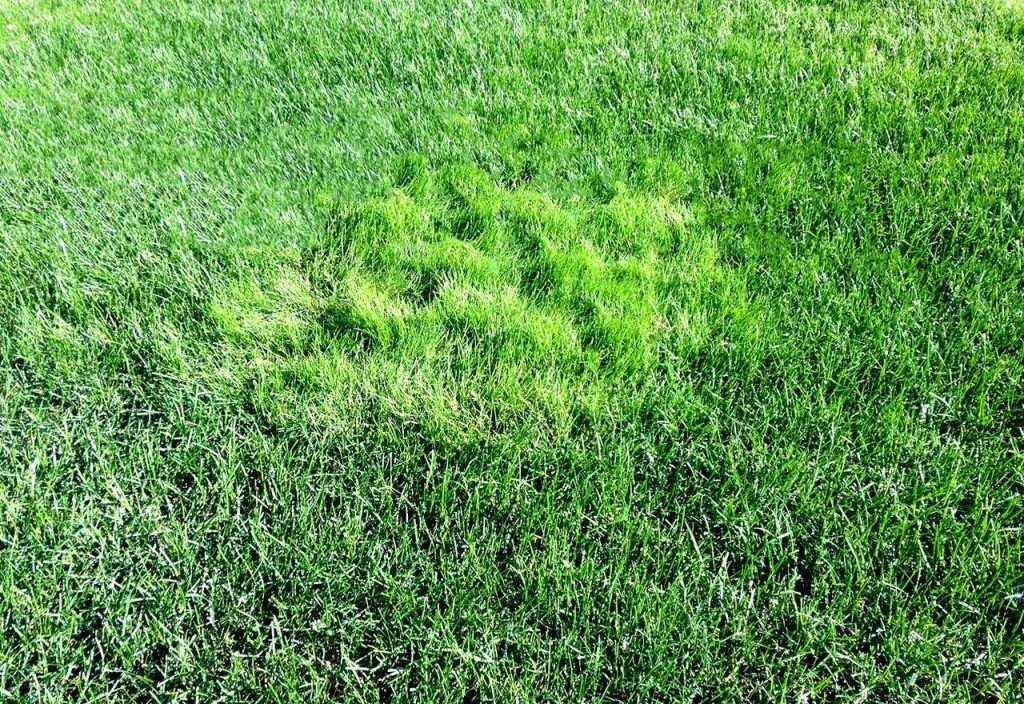
If you’re struggling with pesky bentgrass in your lawn, the good news is that there are effective ways to tackle this invasive species. Start by identifying the areas infested with bentgrass and then consider using a selective herbicide that targets bentgrass without harming your desirable grass types. Additionally, promoting the growth of your preferred grass through proper lawn care practices like aeration, fertilization, and watering can help crowd out the bentgrass over time. Hand-pulling smaller patches can also be effective if done consistently. By combining these strategies, you can reclaim your lawn from bentgrass and create a healthier, more vibrant yard for you to enjoy.
Bentgrass can be a real nuisance in lawns, known for its aggressive growth and tendency to spread quickly. Though it may seem daunting to get rid of, understanding its growth habits and implementing the right strategies can make a significant difference. Whether you’re a seasoned gardener or a novice, addressing this issue early on will save you time and effort in the long run. In this blog, we’ll explore practical tips and solutions to help you eliminate bentgrass and restore your lawn’s beauty.

How to Get Rid of Bentgrass in Your Lawn
Bentgrass can be a troublesome invader in your lawn. It’s often found in areas with cool climates and can spread rapidly, choking out desirable grass types. To ensure your lawn stays healthy and looks its best, knowing how to get rid of bentgrass is essential. In this guide, we’ll explore effective methods to manage and eliminate bentgrass from your lawn.
Understanding Bentgrass
Bentgrass is a fine-textured grass that thrives in cool and moist environments. It’s commonly used on golf courses and sports fields due to its ability to create a dense carpet of green. However, its aggressive growth can become problematic when it invades residential lawns.
– Bentgrass prefers well-drained soils.
– It flourishes in sunny areas but can tolerate some shade.
– Its rhizomatic growth allows it to spread quickly.
Recognizing bentgrass is crucial. It can be identified by its fine blades and dense growth habit. If you find bentgrass in your lawn, it’s essential to act quickly to control its spread.
Identifying Bentgrass Infestation
Before taking action, confirm that bentgrass is the culprit. Here are some signs that bentgrass is taking over your lawn:
– Uneven color: Bentgrass can look greener and denser than surrounding grasses.
– Growth pattern: It grows in patches and can spread rapidly.
– Resistance to mowing: Bentgrass may grow taller than other grass types, making it harder to maintain a uniform lawn.
Use these indicators to assess the extent of the infestation. Once identified, you can choose the appropriate method to manage bentgrass.
Non-Chemical Methods
Sometimes, the best way to deal with bentgrass is without chemicals. Here are some effective non-chemical methods:
Hand Pulling
If the infestation is small, hand pulling can be an effective solution. Here’s how to do it:
1. Wet the area: This softens the soil, making it easier to pull the grass out.
2. Grasp the base: Pull gently but firmly to remove the entire root system.
3. Dispose of carefully: Do not compost bentgrass as it may spread again.
This method is labor-intensive but helps keep your lawn chemical-free.
Solarization
Solarization uses the sun’s heat to kill unwanted grass. Here’s a step-by-step guide:
1. Mow the area: Cut the grass as short as possible.
2. Water well: Soak the soil to help generate heat.
3. Cover with clear plastic: Seal the edges to trap heat.
4. Wait 4-6 weeks: The heat will increase soil temperature, killing the bentgrass.
Solarization is eco-friendly and effective in reducing bentgrass populations.
Chemical Control Options
If non-chemical methods are not effective, consider using herbicides. When selecting an herbicide, look for products specifically designed to eliminate bentgrass without harming desirable grass species.
Post-Emergent Herbicides
Post-emergent herbicides target grass after it has emerged. Check for the following:
– Active ingredients: Look for herbicides containing glyphosate or fenoxaprop.
– Application timing: Apply during active growth for best results.
Follow the manufacturer’s instructions carefully to ensure safety and effectiveness.
Pre-Emergent Herbicides
Pre-emergent herbicides prevent bentgrass seeds from germinating. Here’s how to use them:
1. Timing: Apply before bentgrass seeds start to germinate in early spring or fall.
2. Water: Lightly water after application to activate the herbicide.
3. Monitor: Watch for any new growth and reapply as necessary.
This method can help prevent future infestations.
Best Practices for Lawn Maintenance
Maintaining a healthy lawn is your best defense against bentgrass. Consider these practices:
Regular Mowing
Keeping your lawn mowed not only looks good but also prevents bentgrass from thriving. Follow these tips:
– Mow regularly: Maintain a height of 2.5 to 3 inches for most grass types.
– Use sharp blades: A clean cut reduces stress on the lawn and encourages healthy growth.
Regular mowing helps maintain a thick lawn that can compete against bentgrass.
Fertilization
Healthy grass is better able to withstand invasive species. Here’s how to fertilize effectively:
– Soil testing: Test your soil to determine nutrient needs.
– Use the right fertilizer: Choose a balanced fertilizer that meets your grass’s needs.
– Schedule applications: Fertilize in the spring and fall for optimal growth.
Proper fertilization promotes strong grass that can outcompete bentgrass.
Watering Practices
Watering your lawn correctly can make a significant difference. Here are best practices:
– Water deeply: Aim for 1 to 1.5 inches per week, depending on the weather.
– Early morning watering: This reduces evaporation and helps grass absorb moisture.
Proper watering encourages deep root growth, making your lawn healthier.
Reseeding and Replanting
If bentgrass has taken over large areas, it may be necessary to reseed or replant sections of your lawn. Here’s how to do it:
Choosing the Right Grass
Select a grass type suited for your climate and intended use. Consider:
– Warm-season grasses for southern climates.
– Cool-season grasses for northern areas.
Choosing the right grass is critical for long-term success.
Preparation
Before reseeding, prepare the area:
1. Remove all bentgrass: Hand pull or use chemicals to eliminate it.
2. Aerate the soil: This improves seed-to-soil contact.
3. Reseed: Follow the recommended seeding rate for your chosen grass.
Proper preparation leads to better germination and lawn health.
Monitoring and Maintenance
Once you’ve implemented your control methods, ongoing monitoring is essential. Here are some tips:
– Regular inspections: Check for bentgrass regrowth.
– Quick action: If you notice bentgrass returning, take action immediately.
– Maintain lawn health: Continue with proper mowing, watering, and fertilizing.
Regular maintenance will keep your lawn healthy and help prevent future invasions.
Additional Resources
For those looking to learn more about bentgrass and lawn maintenance, consider these resources:
– Local extension services: They offer advice tailored to your region.
– Gardening books: Look for titles focusing on lawn care and weed management.
– Online forums: Join communities of lawn care enthusiasts for tips and support.
Utilizing these resources can enhance your knowledge and skills in lawn care.
By understanding bentgrass and employing a combination of methods, you can effectively manage and eliminate this invasive grass from your lawn. Healthier grass types will flourish, leaving you with a beautiful and vibrant lawn. Consistent monitoring and proactive maintenance are key to long-term success in keeping bentgrass at bay.
HOW TO GET RID OF BENTGRASS IN YOUR LAWN FOR BEGINNERS
Frequently Asked Questions
What are the common methods to control bentgrass in your lawn?
Common methods to control bentgrass include using selective herbicides specifically designed to target bentgrass without harming your desired grass species. Hand pulling can also be effective for smaller areas, particularly when the bentgrass is still young. Additionally, maintaining proper lawn care practices, such as regular mowing and proper irrigation, can help suppress bentgrass growth.
How can soil health impact the removal of bentgrass?
Improving soil health can significantly affect the removal of bentgrass. Healthy soil promotes the growth of your desired grass types, making it harder for bentgrass to thrive. Regularly aerating your lawn, adding organic matter, and ensuring proper nutrient levels can enhance soil health, thereby giving your preferred grass species a competitive edge over bentgrass.
Is it possible to replace bentgrass with another type of grass?
Yes, it is possible to replace bentgrass with another type of grass. Start by killing the bentgrass using non-selective herbicides or solarization methods. After ensuring complete removal, you can reseed your lawn with a more desirable grass type suitable for your region, ensuring proper preparation and care to promote healthy growth.
What role does mowing height play in managing bentgrass?
Mowing height plays a crucial role in managing bentgrass. Keeping your lawn at a higher mowing height allows your desired grass species to shade and outcompete bentgrass. A taller lawn also promotes deeper root growth and helps retain moisture, both of which can hinder the spread of bentgrass.
When is the best time to apply treatments for bentgrass removal?
The best time to apply treatments for bentgrass removal is during its active growth period, typically in the spring or early fall. This is when the plant is most vulnerable to herbicides. Always check the weather forecast to avoid applying treatments before heavy rain, which can wash away the products and reduce effectiveness.
Final Thoughts
To successfully manage bentgrass in your lawn, consider a multi-step approach. Begin by identifying the areas affected and thoroughly removing as much bentgrass as possible.
Next, improve soil health and encourage desirable grass species to outcompete the bentgrass. Regular mowing and proper watering will help maintain a healthy lawn.
Implementing these strategies will enhance your chances of getting rid of bentgrass in your lawn for good. With diligence and care, you can achieve a lush, vibrant yard that thrives without the interference of bentgrass.