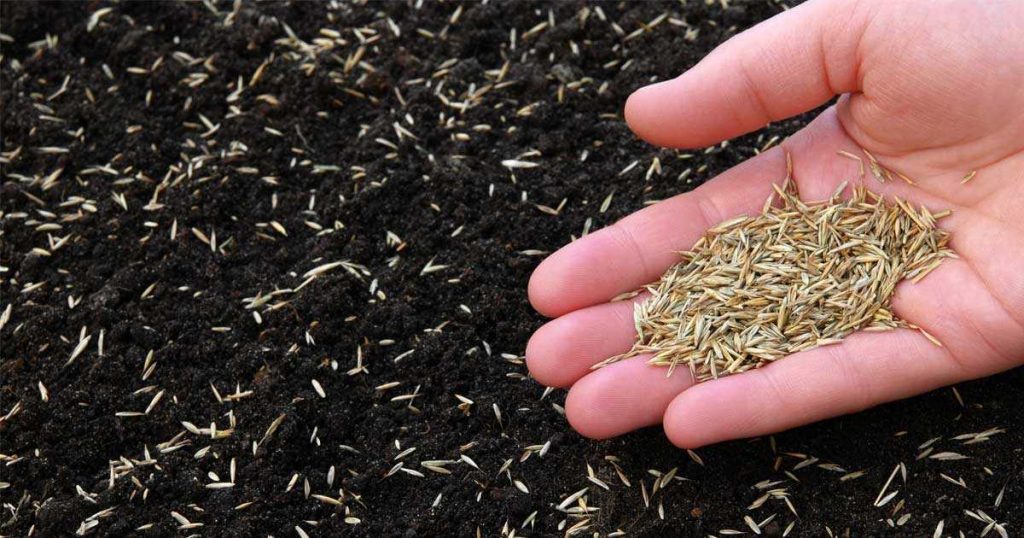
Yes, you can grow fescue grass in Florida, but it’s not the easiest choice for the region’s hot climate. Fescue tends to thrive in cooler, shaded, or northern areas, making it a challenge in Florida’s warm weather. However, with the right varieties and proper care, some types of fescue can establish and persist through the cooler winter months, providing a lush green lawn.
Fescue grass can be grown in Florida, particularly during the cooler months, but it requires careful selection of shade-tolerant and drought-resistant varieties. The success depends on proper planting timing, soil preparation, and maintenance practices to help fescue survive Florida’s summer heat. If you’re looking for a green lawn that lasts year-round, other grasses like St. Augustine or Bermuda might be more suitable, but with proper effort, fescue can be a seasonal option.
Growing fescue grass in Florida might seem like a challenge, but it’s possible with some adjustments. Since Florida’s climate is predominantly hot and humid, fescue, a cool-season grass, generally struggles during the intense summer months. However, if you plant it in the fall or early winter, it can grow well and provide a vibrant lawn during the cooler parts of the year. Choosing the right fescue varieties, such as tall fescue or fine fescue, which are more tolerant to shade and drought, improves your chances of success. Proper soil preparation, adequate watering, and overseeding can help establish fescue and extend its lifespan in the garden, offering a unique alternative for Florida homeowners seeking a lush, green lawn during cooler months.

Can You Grow Fescue Grass in Florida?
Understanding Fescue Grass and Its Characteristics
Fescue grass is a cool-season grass known for thriving in moderate temperatures and providing a lush, green lawn. It is popular in many northern regions because it stays green during cooler months and is relatively easy to maintain. This grass type includes tall fescue, fine fescue, and creeping red fescue, each with unique growing needs.
Fescue’s deep root system makes it resilient to drought and poor soil conditions, but it prefers cooler weather and consistent moisture. In Florida, where the climate is generally warm and humid, fescue may face challenges in establishing and maintaining a healthy lawn. However, with proper care and timing, growing fescue in Florida can be possible in certain conditions.
Florida Climate Overview and Its Effect on Fescue Growth
Florida’s climate is classified as humid subtropical in most areas and tropical in the southern parts. Summers are hot and humid, with temperatures often exceeding 90°F, while winters tend to be mild to warm.
Since fescue grasses are cool-season plants, they thrive best when temperatures range between 60°F and 75°F. When temperatures rise above 85°F, fescue can suffer from heat stress, turn yellow, and decline in health. Therefore, understanding Florida’s seasonal weather patterns is essential for determining the feasibility of growing fescue.
Best Times to Plant Fescue in Florida
The optimal time to establish fescue grass in Florida is during the cooler months.
The best planting window is from late fall through early winter, typically between October and December. During this period, soil temperatures are cooler, and the weather is less humid, helping fescue roots to establish successfully.
Planting in early spring is also an option but comes with increased risks due to rising temperatures and potential drought conditions. Avoid planting during the hot summer months when heat stress can hinder seed germination and turf growth.
Selecting the Right Fescue Variety for Florida
Not all fescue grasses perform well in Florida’s climate. Choosing the right variety can significantly improve success rates.
- Tall Fescue: Known for its drought tolerance and adaptability, tall fescue can be a good choice for Florida lawns. It has deep roots and tolerates heat better than other fescue types when established properly.
- Fine Fescue: Generally prefers cooler climates, making it less suitable for Florida’s heat and humidity.
- Creeping Red Fescue: Also prefers cooler environments; less ideal for Florida.
Considering tall fescue as a primary choice will likely yield better results in Florida’s warm climate.
Soil Preparation and Site Selection
Good soil preparation sets the foundation for successful fescue growth.
Test your soil for pH levels, ideally between 5.8 and 7.0, and adjust accordingly. Loosen the soil to a depth of at least 4 inches to improve root penetration and drainage.
Select a site that receives partial shade—fescue performs better with some protection from intense afternoon sun. Avoid areas with poor drainage or heavy foot traffic that can compact the soil.
Planting Fescue: Step-by-Step Guide
Follow these steps to plant fescue in Florida effectively:
- Clear the planting area of weeds, grass, and debris.
- Loosen the soil deeply and amend it with organic matter or compost if needed.
- Sow fescue seed evenly across the prepared soil at a rate of approximately 5 to 8 pounds per 1000 square feet.
- Lightly rake the soil to cover the seeds with a thin layer of soil or compost.
- Water thoroughly but gently to keep the soil moist, not waterlogged.
- Maintain moisture consistently, especially during the first two weeks, until the grass is established.
Proper watering and avoiding over-fertilizing during establishment are key factors in successful growth.
Maintenance Tips for Fescue in Florida
Once established, fescue requires specific care tailored to Florida’s climate.
- Watering: Deep and infrequent watering encourages deep roots. Water early in the morning to reduce evaporation and fungal diseases.
- Mowing: Keep the grass at about 3 to 4 inches tall. Mowing too short can stress the grass, especially in hot weather.
- Fertilizing: Apply a balanced fertilizer in early fall and spring. Avoid excess nitrogen, which can promote weak growth susceptible to pests.
- Shade Management: Protect fescue from the harsh afternoon sun by providing shade or planting in partially shaded areas.
- Disease and Pest Control: Watch for fungal diseases common in humid environments, such as brown patch. Proper watering and aeration help prevent issues.
Scheduled aeration also promotes healthy root growth and reduces soil compaction.
Challenges of Growing Fescue in Florida
Despite the benefits of fescue, there are hurdles to overcome.
Many areas experience high temperatures during summer, which can cause fescue to go dormant or die back. Humidity increases the risk of fungal diseases that thrive in moist environments.
Limited sunlight in shaded areas can also reduce growth, as fescue requires at least 4 to 6 hours of sunlight daily.
Addressing these challenges involves selecting the right location, timing, and maintenance practices to improve your chances of success.
Alternative Grasses for Florida Lawns
If fescue proves difficult in your area, consider other grass types better adapted to Florida.
| Grass Type | Advantages | Best Growing Conditions |
|---|---|---|
| Bermuda Grass | Heat-tolerant, drought-resistant, dense turf | Full sun, well-drained soil |
| St. Augustine Grass | Thrives in humid and shaded areas, lush appearance | Partial shade, warm climate |
| Zoysia Grass | Heat and drought tolerant, low maintenance | Full sun to partial shade |
These grasses are generally more suited for Florida’s climate and can provide a sustainable lawn alternative.
Summary and Final Thoughts
Growing fescue grass in Florida presents unique challenges, primarily due to the state’s warm and humid climate. However, with careful planning like choosing the right variety, planting at the appropriate time, and providing proper maintenance, it is possible to establish and sustain a fescue lawn in certain cooler or shaded areas.
Understanding Florida’s weather patterns and soil conditions is crucial to success. While fescue can provide a lush, green look, homeowners should also consider native or more heat-tolerant grasses for a low-maintenance lawn that thrives year-round.
The Best Grass Seed to Plant in Florida
Frequently Asked Questions
Is fescue grass suitable for Florida’s climate conditions?
Fescue grass can be challenging to grow in Florida because it prefers cooler temperatures typical of northern regions. During hot, humid summers, fescue tends to struggle, which can lead to stress and poor growth. However, in the cooler months or specific shaded areas, some varieties like tall fescue may adapt better. To ensure successful growth, you should select heat-tolerant fescue varieties and provide proper irrigation and soil management.
What are the best practices for planting fescue grass in Florida?
When planting fescue in Florida, it’s important to choose the right time, ideally during the fall or early winter when temperatures are cooler. Prepare the soil by testing its pH and adding necessary amendments to promote healthy root development. Sow the seeds evenly and lightly rake them into the soil to ensure good seed-to-soil contact. Water consistently to keep the soil moist, and avoid overwatering to prevent disease issues. Using a starter fertilizer can also help establish the grass.
Can fescue grass withstand Florida’s summer heat and humidity?
Fescue grass generally does not perform well under Florida’s intense summer heat and humidity. It tends to go dormant or suffer from heat stress during high temperatures, leading to brown patches and thinning turf. While some hardy strains may tolerate brief periods of warmth, maintaining a lush and healthy fescue lawn through summer requires extensive watering, shading, and special turf management practices. For long-term success, consider alternative warm-season grasses better suited for Florida’s climate.
Are there specific fescue varieties better adapted to Florida’s environment?
Certain tall fescue varieties develop better tolerance to heat and humidity, making them more suitable for Florida’s environment. These include blends that incorporate drought-resistant and heat-tolerant strains. It’s advisable to consult local turf specialists or extension services for recommendations on specific cultivars proven to perform better in Florida conditions. Selecting the appropriate variety increases the chances of maintaining a healthy and attractive lawn.
What challenges might I face when growing fescue grass in Florida?
Growing fescue in Florida presents several challenges, primarily due to the hot and humid climate. These include increased susceptibility to disease, drought stress, and difficulty establishing a dense, green turf in summer. Additionally, fescue’s need for cooler temperatures limits its growth window, requiring careful seasonal planning. Proper maintenance practices, such as targeted watering, fertilization, and choosing the right varieties, help mitigate some of these issues.
Final Thoughts
Growing fescue grass in Florida presents challenges due to the state’s warm climate. Fescue thrives in cooler regions, making it less suitable for Florida’s hot summers.
However, with proper irrigation and shade, it may establish in designated areas.
To sum up, can you grow fescue grass in Florida? While possible in limited zones, it’s generally not ideal for the entire state.