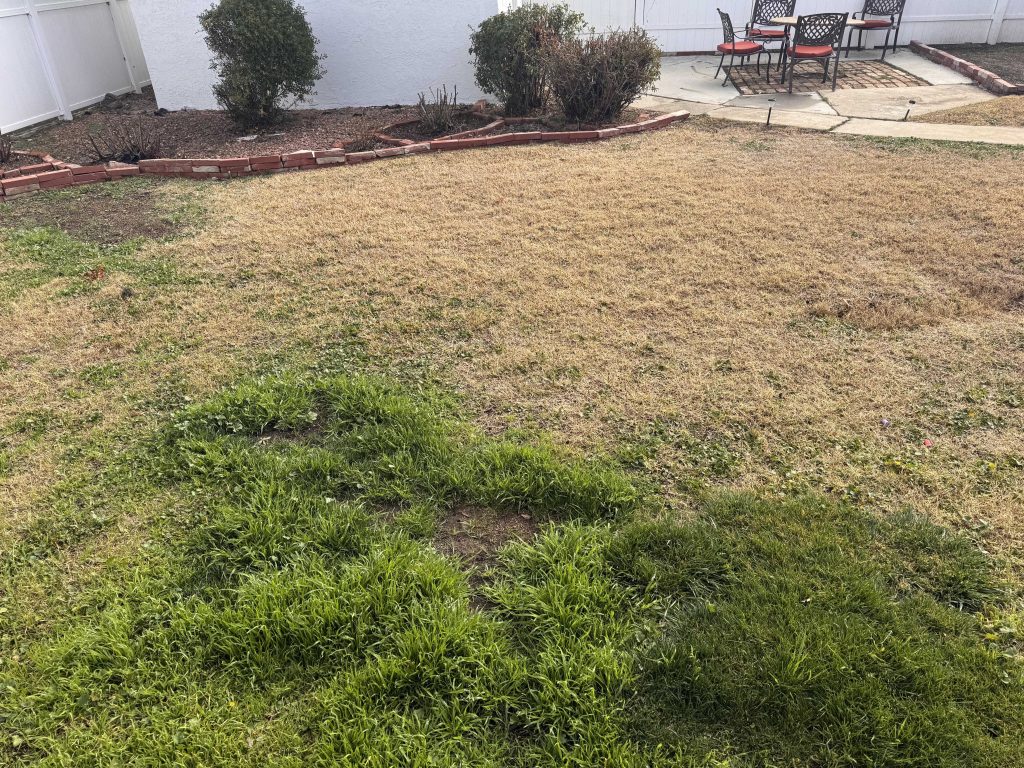
Yes, you can mix tall fescue and Bermuda grass, but it requires careful planning to ensure they coexist happily. Combining these grasses can give your lawn durability, color variation, and year-round greenery, especially in warmer climates. However, because they have different growth habits and maintenance needs, proper considerations must be made to prevent one from overpowering the other.
Mixing tall fescue and Bermuda grass is possible and can be beneficial, but it’s important to understand their differences and how they interact. Tall fescue is a cool-season grass that thrives in cooler temperatures, offering shade tolerance and drought resistance, while Bermuda is a warm-season grass that excels in heat and withstands heavy foot traffic. Successfully blending them depends on your climate, soil type, and lawn care routine, making it vital to plan carefully to achieve a balanced and healthy landscape.

Can You Mix Tall Fescue and Bermuda Grass?
Adding both tall fescue and Bermuda grass to a single lawn may seem like an easy way to get a lush, durable yard. But is it a good idea to plant these two grasses together? The answer isn’t simple, so let’s explore the details to see if mixing tall fescue and Bermuda grass works well in your yard.
Understanding Tall Fescue and Bermuda Grass
Before deciding whether to mix these grasses, it helps to know what each one offers. Tall fescue is a cool-season grass that stays green during cooler months. Bermuda grass, on the other hand, is a warm-season grass that thrives in hot summer weather.
Characteristics of Tall Fescue
Tall fescue has a deep root system that allows it to tolerate drought and foot traffic. It features fine to coarse blades and tends to grow in clumps. This grass is often used in areas that need a resilient, low-maintenance lawn.
Characteristics of Bermuda Grass
Bermuda grass forms a dense, fast-growing turf. It has fine blades and a strong, spreading root system, making it ideal for high-traffic areas like sports fields and lawns. It turns brown in winter but bounces back quickly in spring and summer.
Can You Mix Tall Fescue and Bermuda Grass?
The core question is whether these two grasses can be planted together effectively. The simple answer is yes, but there are many factors to consider before doing so.
Compatibility Challenges
Tall fescue and Bermuda grass have different growing seasons, which can pose challenges. Tall fescue prefers cooler weather, while Bermuda thrives in heat. This difference can lead to uneven growth and a patchy look.
Growing Conditions and Climate
For successful mixing, your climate plays a key role. If you live in a region with hot summers and mild winters, Bermuda grass will dominate most of the year. In cooler areas, tall fescue might persist longer, but the two may not blend seamlessly.
Soil Preparation and Maintenance
Both grasses prefer well-drained soil but have different nutrient needs. Preparing your soil carefully and managing watering schedules are essential to support both grasses.
Advantages of Mixing Tall Fescue and Bermuda Grass
Despite some challenges, there are reasons to consider mixing these grasses.
Extended Green Cover
Combining the grasses can lead to a longer period of green lawn throughout the year, especially in transitional climates. Tall fescue stays green in cooler seasons, while Bermuda recovers quickly in summer.
Enhanced Durability and Traffic Tolerance
Both grasses are resilient under foot traffic. A mixed lawn can hold up well in high-use areas, providing durability across seasons.
Cost-Efficiency and Reduced Maintenance
Mixing grasses may reduce the need for frequent overseeding or lawn repairs. Each grass supports and complements the other, creating a more stable turf.
Methods for Successfully Combining Tall Fescue and Bermuda Grass
To get the best results when mixing these grasses, follow a few key steps.
Timing and Seeding Strategy
Plant tall fescue in early fall or late summer before Bermuda grass goes dormant. Spread Bermuda seed in late spring or early summer, allowing it to establish as the weather warms.
Preparing the Soil
Start with soil testing to determine nutrient levels. Amend the soil with compost or fertilizer based on the requirements of both grasses. Aerate the lawn to improve soil health.
Seeding and Overseeing
Lay the tall fescue seed first, then overseed with Bermuda grass once temperatures are consistently warm. Keep the soil moist during germination to ensure successful establishment.
Ongoing Maintenance and Care
Adjust watering schedules based on weather and grass type. Cut tall fescue at higher heights to promote healthy roots and mowing Bermuda at a lower height for a tidy look. Fertilize according to each grass’s seasonality.
Potential Drawbacks of Mixing Tall Fescue and Bermuda Grass
While there are benefits, mixing grasses isn’t without issues.
Uneven Growth and Aesthetic Concerns
The different growth patterns may cause a patchy or unbalanced appearance, especially during seasonal transitions.
Increased Management Requirements
Managing two grasses means paying attention to different watering, fertilizing, and mowing needs, which can be more complex.
Cost and Effort for Establishment
Seeding and maintaining a mixed lawn can be more labor-intensive and expensive than growing a single type of grass.
Related Topics to Consider
You might also explore these related topics to improve your lawn care:
- Best practices for overseeding
- turf management for transitional climates
- Choosing the right grass for your region
- Soil testing and amendments for mixed lawns
- Watering and fertilizing tips for warm and cool-season grasses
Summary
Mixing tall fescue and Bermuda grass is feasible but requires careful planning and ongoing maintenance. Their different growth habits and seasonal preferences demand tailored strategies. When managed well, a combined lawn can provide extended green cover, increased durability, and a vibrant appearance throughout the year. However, it’s essential to weigh the potential challenges and determine if such a mixture suits your specific climate and lawn goals.
Tall Fescue and Bermuda in the same lawn
Frequently Asked Questions
Is it beneficial to mix tall fescue and bermuda grass for a lawn?
Mixing tall fescue and bermuda grass can provide a lawn with the strengths of both grasses. Tall fescue offers shade tolerance and drought resistance, while bermuda grass thrives in full sun and handles high traffic well. Combining them can lead to a more resilient and evenly distributed lawn, especially in areas with varying sunlight and usage patterns.
What factors should I consider before combining tall fescue and bermuda grass?
Before blending these grasses, consider your local climate, soil type, and your lawn’s primary use. Tall fescue prefers cooler temperatures and retains moisture well, whereas bermuda grass flourishes in warmer, sunnier environments. Ensuring proper soil preparation and maintaining appropriate mowing and watering practices will help both grasses establish successfully.
How do I manage watering and fertilization for a mixed tall fescue and bermuda grass lawn?
Adjust your watering schedule based on the dominant grass and environmental conditions. Tall fescue needs consistent moisture, especially in cooler months, while bermuda grass prefers drier periods. Fertilize according to each grass’s needs: tall fescue benefits from nitrogen-rich feeds in cooler months, and bermuda responds well to fertilization during its active growing season. Regular monitoring helps keep both grasses healthy.
Can mixing tall fescue and bermuda grass lead to uneven growth or patches?
Yes, if not managed carefully, these grasses may grow at different rates, causing patchy appearances. To minimize this, maintain proper mowing heights suited to both grasses and ensure even watering and fertilization. Overseeding or overseeding at appropriate times can also promote uniform coverage and reduce discrepancies.
What is the best time of year to overseed or introduce tall fescue into a bermuda grass lawn?
The ideal time to overseed tall fescue into a bermuda lawn is during early fall or late spring when temperatures are moderate. This allows the fescue to establish roots before extreme heat or cold sets in. Proper soil preparation and consistent watering during this period enhance successful establishment and integration of both grasses.
Final Thoughts
You can mix tall fescue and Bermuda grass to create a versatile lawn suited for various climates. However, these grasses have different growing needs, so proper management is essential.
Can you mix tall fescue and Bermuda grass? Yes, but expect some differences in maintenance and appearance. Proper overseeding and soil preparation help ensure a successful blend.
In summary, mixing tall fescue and Bermuda grass is feasible with careful planning. This combination can provide a resilient and attractive lawn when managed properly.