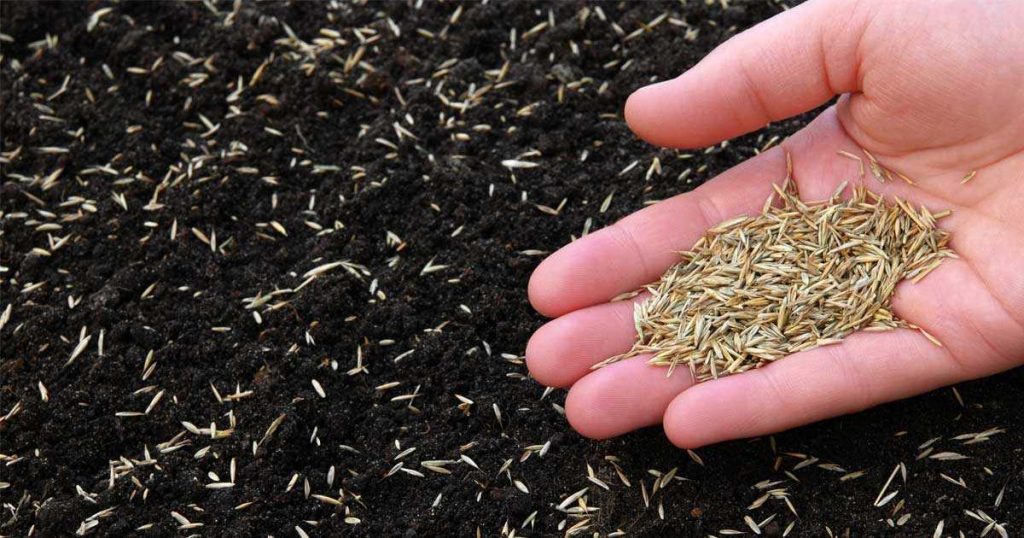
The best way to plant tall fescue grass is to prepare your soil properly, choose high-quality seed, and follow the right planting timing and techniques for optimal growth. Proper watering, fertilizing, and maintenance will ensure a lush, healthy lawn.
For a successful tall fescue planting, start by testing and amending your soil to ensure good drainage and nutrient levels. Sow the seed evenly either by overseeding or new lawn planting, ideally during early fall or spring when weather conditions are optimal. Keep the soil consistently moist until the grass establishes well. Regular mowing and fertilization will help maintain a vibrant, dense turf. Overall, patience and proper care are key to achieving a beautiful tall fescue lawn that withstands drought and heavy foot traffic.

Best Way to Plant Tall Fescue Grass
Planting tall fescue grass correctly can help you achieve a lush, green lawn that stays healthy all year round. Understanding the best methods to establish this grass is essential for long-lasting results. In this section, we will explore step-by-step instructions to ensure successful planting and growth.
Understanding Tall Fescue Grass
Tall fescue is a cool-season grass that is known for its durability and tolerance to drought and heavy foot traffic. It features deep roots that allow it to withstand dry conditions better than many other grasses.
Choosing tall fescue means opting for a grass that offers resilience and requires less frequent watering once established. Its fine-textured blades give a neat, attractive appearance suitable for lawns and sports fields alike.
Preparing the Soil
Proper soil preparation is key to healthy tall fescue growth. Start by testing your soil to determine pH levels and nutrient content, aiming for a pH between 5.5 and 7.5. You can do this with a simple kit from your local garden center.
If your soil is too acidic or alkaline, add amendments like lime or sulfur accordingly. Loosen the soil to a depth of about 4 to 6 inches using a rototiller or garden fork. This allows roots to penetrate easily and ensures good seed-to-soil contact.
Remove weeds, rocks, and debris from the area, as these can inhibit seed growth and establishment. A smooth, level surface promotes uniform germination and growth.
Choosing the Right Time for Planting
The best time to plant tall fescue is during early fall or spring. Cooler temperatures help the grass establish roots without the stress of extreme heat or cold. Fall planting, from September to October, often yields the best results because of typical rainfall and moderate temperatures.
If planting in spring, aim for early to mid-March or April, before the summer heat sets in. Avoid planting during the peak heat of summer, as this can hinder germination and lead to poor growth.
Seeding Techniques for Tall Fescue
Seed Selection
Choose high-quality tall fescue seed from a reputable supplier. Look for varieties that are disease-resistant, drought-tolerant, and suitable for your specific climate zone.
A seed with a high germination rate and purity percentage above 85% is ideal. Use seed blends that promote uniform growth and resilience.
Seeding Rates
- For new lawns, aim for a seeding rate of about 6 to 8 pounds per 1000 square feet.
- If overseeding an existing lawn, use approximately 3 to 4 pounds per 1000 square feet to thicken the turf.
Distribute seeds evenly using a broadcast spreader or drop seeder to ensure complete coverage. Lightly rake the soil after seeding to improve seed-to-soil contact.
Hydrating the Seeds
After planting, lightly water the area to keep the soil moist. Avoid overwatering, which can cause seeds to wash away or rot. Keep the top inch of soil consistently damp for the first two weeks.
Watering and Maintenance after Planting
Initial Watering
During the first two weeks, water lightly but frequently—at least once daily, or more often if the weather is hot and dry. Consistent moisture encourages germination and root development.
Reducing Watering Frequency
Once the grass sprouts and establishes, cut back to watering every two to three days. Gradually increase the interval between watering to promote deep root growth.
Fertilizing Your Tall Fescue Lawn
- Apply a balanced fertilizer with nitrogen, phosphorus, and potassium after the grass has been mown a few times.
- Follow recommended application rates to avoid over-fertilizing, which can lead to disease and thatch buildup.
- Perform soil tests annually to adjust fertilization needs accordingly.
Mowing Tips for Tall Fescue
Maintain your lawn at a height of 3 to 4 inches to promote healthy growth and discourage weeds. Use sharp mower blades to prevent tearing blades of grass and causing stress.
Regular mowing encourages dense turf, which helps prevent soil erosion and weed invasion. Never cut more than one-third of the grass height in a single mowing to avoid stressing the plants.
Controlling Weeds and Pests
Healthy tall fescue can resist many pests and weeds, but early intervention is crucial. Use pre-emergent weed control in early spring to prevent weed seeds from germinating.
For pest control, identify common pests such as insects or disease pathogens and treat accordingly. Use appropriate fungicides or insecticides, following label instructions carefully.
Proper mowing, watering, and fertilization create a thick, resilient lawn that naturally suppresses weeds and pests.
Dealing with Common Problems
Thatch Buildup
If you notice a layer of dead organic matter on your lawn, aerate the soil to improve drainage and nutrient penetration. Raking can help remove thatch and promote air circulation.
Poor Germination or Patchy Areas
Check seed-to-soil contact and ensure consistent moisture. Reseed bare spots and consider overseeding to improve coverage.
Overwatering or Underwatering
Adjust watering schedules based on weather conditions. Deep, infrequent watering promotes stronger roots, while excessive watering can cause disease issues.
Long-term Lawn Care for Tall Fescue
Annual aeration, fertilization, and overseeding help maintain a dense, healthy lawn. Keep an eye out for signs of stress or disease and address issues promptly.
Implementing proper watering and mowing routines will prolong the lifespan of your tall fescue turf. Regularly test your soil to optimize nutrient levels and pH balance for ongoing success.
Following these detailed steps ensures a successful planting process and a thriving tall fescue lawn. By understanding each phase and applying best practices, you can enjoy a lush, green outdoor space that remains resilient and attractive year after year.
The FASTEST way to Grow Grass Seed!!
Frequently Asked Questions
What is the ideal time of year to plant tall fescue grass?
The best time to plant tall fescue grass is during the early fall or spring when soil temperatures are moderate. Planting during these periods allows the grass to establish roots before extreme summer heat or winter cold. In regions with mild climates, early fall is often preferred as it provides optimal growing conditions and less competition from weeds.
How should I prepare the soil before planting tall fescue grass?
Start by removing any existing weeds, rocks, and debris from the planting area. Loosen the soil to a depth of about 4 to 6 inches using a tiller or garden fork. Incorporate organic matter such as compost to enrich the soil and improve drainage. Reseed or regrade the area to ensure a smooth surface, and consider testing the soil pH to adjust it to a range of 6.0 to 7.0 for optimal growth.
What is the best method to plant tall fescue seed effectively?
Spread the seed evenly across the prepared soil using a broadcast spreader or by hand for smaller areas. Lightly rake the soil to mix the seed into the top inch of soil, ensuring good soil-to-seed contact. Applying a thin layer of straw or mulch helps retain moisture and protects the seed from birds and erosion. Water the area gently but thoroughly to keep the soil consistently moist during the germination period.
How often should I water newly planted tall fescue grass?
Initially, water the newly seeded area daily with gentle, thorough watering to keep the top 1-2 inches of soil moist. As the grass begins to germinate and establish, reduce the frequency but increase the depth of watering to encourage deep root growth. Once the grass is well-rooted, water about 1 to 1.5 inches per week, including rainfall, to maintain healthy growth.
What are some common mistakes to avoid when planting tall fescue?
Avoid planting during extreme weather conditions, such as very hot, cold, or dry periods, as these can hinder seed germination. Do not plant on poorly prepared soil or without proper seeding techniques, as this can lead to patchy growth or weed invasion. Additionally, refrain from overwatering or under-watering, which can cause disease issues or poor establishment. Ensuring the seed is planted at the correct depth and protected from erosion also improves success rates.
Final Thoughts
The best way to plant tall fescue grass involves preparing the soil thoroughly and choosing high-quality seeds. Ensure the soil is well-drained and amending it with organic matter improves germination. Sow the seeds evenly and keep the soil consistently moist during germination for best results. Proper planting techniques lead to a healthy, lush lawn that thrives.