To keep your lawn lush and green even during dry spells, focus on deep watering, improving soil health, and choosing drought-tolerant grass varieties. Mulching around the grass and reducing foot traffic also help conserve moisture and prevent stress. Implementing these strategies ensures your lawn remains healthy and vibrant despite drought conditions.
To protect your lawn from drought stress, it’s essential to water deeply but less frequently to encourage strong roots. Improving soil with organic matter retains moisture better, and selecting drought-resistant grass types can make a significant difference. Regular maintenance and smart watering techniques keep your lawn resilient during dry periods.
A parched lawn can quickly turn brown and patchy, causing frustration for homeowners and gardeners alike. Drought stress is a common challenge, especially during hot summer months when water becomes scarce. Fortunately, there are effective steps you can take to shield your lawn from the harmful effects of drought. By understanding how to manage water wisely, improve your soil’s ability to retain moisture, and choose the right grass varieties, you can maintain a lush, healthy lawn even in dry conditions. This article will guide you through simple but impactful practices to keep your outdoor space thriving, no matter the weather.

How do I protect my lawn from drought stress
Understanding Drought Stress and Its Impact on Your Lawn
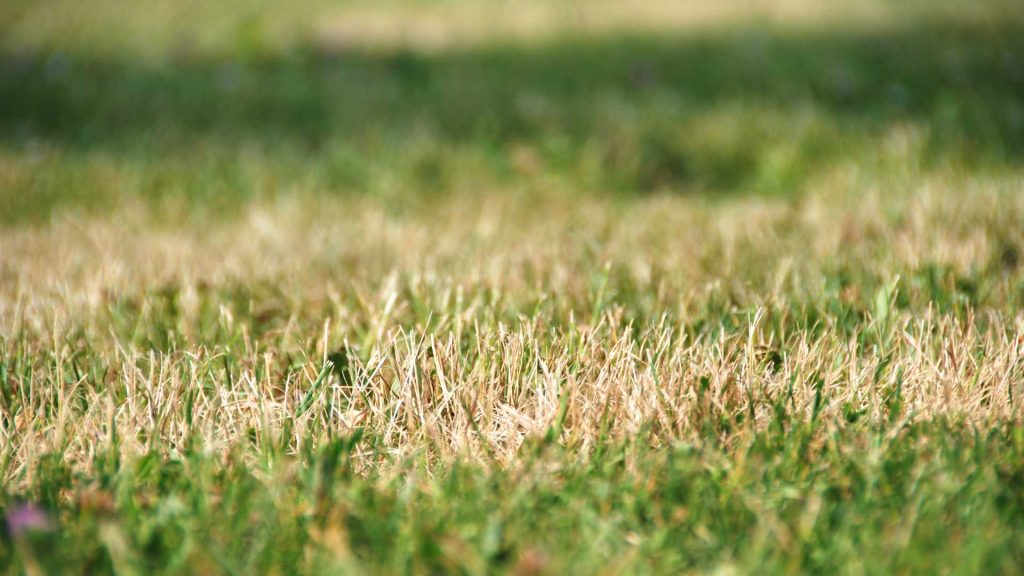
Drought stress occurs when your lawn doesn’t receive enough water for an extended period. It causes grass to turn brown, thin out, and become more susceptible to pests and diseases. Recognizing early signs helps you take action before damage becomes severe.
Lawn grasses vary in their tolerance to drought, with some types coping better than others. Knowing your grass type helps you choose the most effective drought protection strategies. Adequate water management keeps your lawn healthy and green even during dry spells.
Choosing Drought-Resistant Grass Types
Selecting the right grass is a crucial step. Look for varieties that are naturally drought-tolerant, such as Bermuda grass, Buffalo grass, or Zoysia grass. These grasses have deep root systems that access water stored deep in the soil.
Consider your climate and soil conditions when choosing grass. Drought-resistant varieties typically require less frequent watering and are more resilient under dry conditions. Planting these types can significantly decrease your lawn’s vulnerability to drought stress.
Soil Preparation and Its Role in Drought Tolerance
Healthy soil acts as a reservoir for moisture, helping your lawn withstand dry periods. Improve soil drainage and aeration to promote deeper root growth. Incorporate organic matter like compost to enhance soil’s water retention capacity.
Test your soil’s pH and nutrient levels to make adjustments that encourage strong grass growth. Properly prepared soil allows roots to grow deeper, accessing moisture and nutrients that keep your lawn healthy during droughts.
Developing an Effective Watering Strategy
Proper watering techniques are essential to protect your lawn from drought stress. Water deeply and infrequently rather than shallow, frequent watering sessions. This encourages roots to grow deeper into the soil where moisture is more available.
Water early in the morning to minimize evaporation and fungal issues. Use a rain gauge or moisture meter to monitor soil moisture levels. Adjust your watering schedule based on weather conditions, soil type, and grass variety.
Implementing Water Conservation Practices
Conserving water can help your lawn survive drought conditions. Collect rainwater in barrels for irrigation use. Use drip irrigation systems that deliver water directly to the roots, reducing waste.
Avoid watering during the hottest part of the day to prevent evaporation losses. Mulching around the lawn can also help retain soil moisture and keep roots cool. These practices help your lawn stay hydrated with less water.
Proper Mowing Techniques for Drought Resistance
Cutting your grass at the proper height helps it withstand drought better. Maintain a mower height that leaves your grass about two to three inches tall. Longer blades shade the soil and reduce moisture loss.
Regular mowing prevents stress on your lawn and encourages healthy growth. Also, avoid removing more than one-third of the grass height at a time, as this can weaken roots and make turf more vulnerable.
Applying Fertilizers to Support Drought Tolerance
Use fertilizers judiciously to strengthen your grass. Apply a balanced fertilizer that contains nitrogen, phosphorus, and potassium, especially before a dry spell. Healthy, well-fed grass is more resilient to drought stress.
Avoid over-fertilizing, which can lead to thatch buildup and poor water absorption. Consider slow-release fertilizers that provide nutrients over time and support root development during dry conditions.
Using Lawn Aeration and Dethatching
Aeration creates small holes in the soil, allowing water, nutrients, and air to reach roots more effectively. Dethatching removes the layer of dead grass and roots that can prevent water penetration.
Perform these procedures during the growing season to boost overall lawn health. Well-aerated and dethatched lawns promote deeper root growth, improving drought resilience.
Applying Mulch and Other Protective Coverings
Mulching around the edges of your lawn can improve moisture retention and reduce evaporation. Use organic mulches like wood chips or straw to protect the soil surface.
In dry periods, applying a thin layer of mulch can keep roots cool and moist. Avoid heavy mulching that might suffocate the grass; keep it light and evenly spread.
Monitoring and Adjusting Your Lawn Care Routine
Regularly check soil moisture levels, grass health, and weather patterns. Be ready to adjust watering, mowing, and fertilizing schedules to suit changing conditions.
Use tools like moisture sensors or simple soil probes to gauge water retention. Staying attentive allows you to catch problems early and adapt your lawn care routine accordingly.
Additional Tips for Drought-Resilient Lawns
- Limit foot traffic during dry periods to reduce stress on grass
- Remove weeds that compete for water and nutrients
- Maintain proper drainage to prevent water runoff
- Consider overseeding with drought-tolerant grass to repair damaged areas
Related Topics for Better Lawn Care
- Best practices for soil irrigation systems
- Creating a drought-tolerant landscape design
- Seasonal lawn care tips for dry climates
Taking proactive steps to prepare your lawn for drought conditions will help it stay lush and healthy. Combining good watering practices, proper mowing, fertilizing, and soil management creates a resilient lawn that endures dry spells with minimal stress. Remember, consistent care and awareness of your lawn’s needs are key to a beautiful, drought-resistant yard.
How to Recover Your Lawn from Heat Stress
Frequently Asked Questions
What watering practices help minimize drought stress on my lawn?
Water your lawn deeply and infrequently to encourage strong root growth. Aim to provide about 1 to 1.5 inches of water per week, including rainfall. Water early in the morning to reduce evaporation, and avoid watering during the hottest parts of the day. Consistent, thorough watering helps grass develop deeper roots, making it more resilient during dry spells.
How can I improve soil health to protect my lawn from drought conditions?
Enhance soil structure by applying organic compost and aerating regularly. Good soil health retains moisture better and promotes healthy root development. Looser, nutrient-rich soil allows water to penetrate more effectively, reducing the impact of drought stress. Also, consider mulching to conserve moisture on surface levels.
Are there specific grass types that cope better with drought?
Yes, choosing drought-tolerant grass varieties can significantly improve your lawn’s resilience. Native grasses or species like Bermuda grass, Buffalo grass, or Zoysia adapt well to dry conditions and require less watering. Select a grass type suited to your climate zone for optimal drought resistance and lower maintenance needs.
What mowing techniques reduce drought impact on my lawn?
Maintain a higher mowing height to allow grass to develop a deeper root system, which helps access moisture underground. Avoid cutting more than one-third of the grass height at a time, and keep mower blades sharp for clean cuts. Proper mowing reduces stress and helps your lawn stay healthier during dry periods.
Do fertilization practices influence drought tolerance in lawns?
Yes, applying balanced, slow-release fertilizers supports healthy growth and strengthens grass against drought stress. Avoid excessive fertilization, which can encourage rapid, shallow growth that is more vulnerable to drought. Focus on feeding your lawn during cooler periods and ensure nutrients are available to promote resilient root systems.
Final Thoughts
Protecting your lawn from drought stress involves simple yet effective steps. Water deeply and infrequently to encourage deep root growth. Mow at a higher setting to reduce water loss and shade the soil.
Apply mulch to retain moisture and reduce evaporation. Schedule watering early in the morning and avoid overwatering.
By following these tips, you can minimize drought damage. How do I protect my lawn from drought stress? Consistent care helps your lawn stay healthy during dry periods.