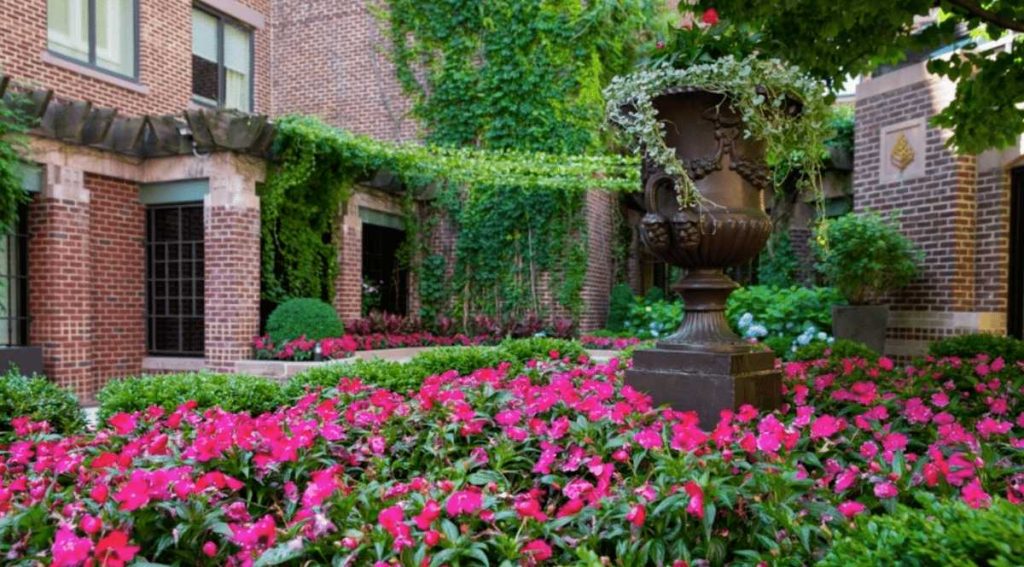
If you’re looking to enhance your garden while supporting local ecosystems, native plants are your best bet in Washington DC. Not only do these plants thrive in the region’s climate and soil, but they also provide essential habitats for local wildlife. Some of the best native plants for your garden include the vibrant Purple Coneflower, the lovely Black-Eyed Susan, and the fragrant Eastern Red Cedar. Incorporating these species can lead to a beautiful, low-maintenance garden that requires less water and pesticides, all while attracting beneficial pollinators like bees and butterflies. Let’s explore the top choices to create a thriving, eco-friendly outdoor space in the heart of the nation’s capital!

Best Native Plants Washington DC
Washington DC is home to a rich variety of native plants that are not only beautiful but also essential for local ecosystems. These plants provide food and habitat for wildlife, help prevent erosion, and can significantly reduce water usage in gardens. Whether you are a homeowner, landscaper, or simply a gardening enthusiast, understanding the best native plants for your area can enhance both your garden and the environment.
Why Choose Native Plants?
Native plants are adapted to the local environment, making them easier to grow with less maintenance. Here are some benefits of planting native species in your garden:
- Require less water and fertilizer
- Natural pest resistance
- Support local wildlife and pollinators
- Preserve local heritage and biodiversity
Using native plants means less work for you and more benefits for the environment. They play a crucial role in maintaining ecological balance by supporting local species.
Top Native Plants for Washington DC
Let’s explore some of the best native plants that thrive in Washington DC. Each of these plants brings unique beauty and ecological benefits.
1. Eastern Redbud (Cercis canadensis)
The Eastern Redbud is a stunning small tree that flowers in early spring with vibrant pink flowers.
- Attracts bees and butterflies
- Provides beautiful shade
- Grows well in various soils
This tree is perfect for small gardens, offering color and habitat for local wildlife.
2. Black-eyed Susan (Rudbeckia hirta)
Black-eyed Susan is a perennial wildflower that blooms from summer to fall.
- Bright yellow petals with dark brown centers
- Excellent for attracting pollinators
- Low maintenance and drought tolerant
These cheerful flowers can be used in borders or as a part of a wildflower garden.
3. Virginia Bluebell (Mertensia virginica)
Virginia Bluebells are a lovely spring ephemeral that produces clusters of blue flowers.
- Thrives in partial shade
- Forms attractive clumps
- Great for naturalizing in woodland gardens
These flowers are an excellent choice for adding beauty to shaded areas.
4. Butterfly Weed (Asclepias tuberosa)
Butterfly Weed is a bright orange flowering plant that is a magnet for butterflies, especially monarchs.
- Prefers sunny locations
- Deep taproot makes it drought tolerant
- Attractive foliage throughout the growing season
Planting Butterfly Weed helps support important pollinator populations.
5. Sweet Pepperbush (Clethra alnifolia)
Sweet Pepperbush is a fragrant shrub that blooms in mid-summer.
- White flowers attract bees and butterflies
- Thrives in moist soils
- Provides excellent wildlife habitat
This shrub can flourish in wetter areas of your yard and adds delightful fragrance.
Creating a Native Plant Garden
Designing a garden with native plants requires thoughtful planning. Here are some tips for creating a successful native plant garden.
1. Know Your Soil
Understanding your soil type is crucial. Native plants vary in their soil preferences.
- Conduct a soil test
- Amend soil if necessary
Choosing the right plants for your soil ensures healthy growth.
2. Choose the Right Location
Consider sunlight and moisture levels in your garden.
- Group plants with similar needs together
- Observe how sunlight changes throughout the day
This helps your plants thrive and reduces the need for extra watering.
3. Plan for Seasons
Including plants that bloom at different times creates year-round interest.
- Spring: Virginia Bluebell
- Summer: Black-eyed Susan
- Fall: Goldenrod
This variety keeps your garden lively and attractive to wildlife.
Maintaining Your Native Plant Garden
Once your native plant garden is established, maintenance is straightforward. Here are some essential care tips.
1. Watering
During the first year, your native plants will need regular watering.
- Water deeply and less frequently
- Monitor rainfall and adjust watering accordingly
After establishing, most native plants are drought tolerant.
2. Weeding
Keeping your garden weed-free helps your native plants thrive.
- Regularly check for invasive plants
- Remove weeds before they go to seed
A little work goes a long way in keeping your garden healthy.
3. Pruning and Deadheading
Some plants benefit from occasional pruning and deadheading.
- Encourage bushier growth by trimming
- Remove spent flowers to promote more blooms
These practices enhance the beauty and lifespan of your plants.
Native Plants and Wildlife
Planting native species not only beautifies your garden, but also supports local wildlife.
1. Attracting Pollinators
Bees, butterflies, and hummingbirds thrive in gardens filled with native plants.
- Provide nectar-rich flowers
- Include host plants for caterpillars
A vibrant garden contributes to a thriving ecosystem.
2. Supporting Birds
Many native plants produce seeds and berries.
- Provide food sources for various bird species
- Offer shelter and nesting sites
Creating a hospitable environment for birds enhances your garden’s ecosystem.
Embracing native plants in your garden is a rewarding experience. Not only do they add natural beauty, but they also support local wildlife and require minimal care. Washington DC’s native plants offer a stunning array of colors and textures, ensuring your garden is both eco-friendly and visually appealing. By choosing the right plants and maintaining them properly, you can create a flourishing garden that enhances the environment for years to come.
10 Best-Performing Native Plants in my Garden
Frequently Asked Questions
“`html
What are the benefits of using native plants in Washington, DC?
Using native plants in Washington, DC offers several benefits. They are well adapted to the local climate and soil conditions, requiring less water and maintenance once established. Native plants also support local wildlife, providing essential habitats and food sources for pollinators, birds, and other animals. By choosing native species, you contribute to the preservation of the local ecosystem and promote biodiversity.
How do native plants contribute to ecological balance?
Native plants play a crucial role in maintaining ecological balance. They create stable habitats that support local fauna and flora, allowing for diverse interactions within the ecosystem. Native species often have specialized relationships with local insects and animals, such as pollinators, thus promoting healthy food webs and natural pest control.
Can native plants help with stormwater management?
Yes, native plants can significantly aid in stormwater management. Their deep root systems help to absorb rainfall, reducing runoff and minimizing erosion. This process allows for better water infiltration, which replenishes groundwater supplies and decreases the likelihood of water pollution by filtering out contaminants before they reach local waterways.
What are some popular native plants for urban gardens in Washington, DC?
Some popular native plants for urban gardens in Washington, DC include Purple Coneflower, Black-eyed Susan, and Eastern Redbud. These plants not only add beauty to gardens but also thrive in urban settings, supporting local wildlife and requiring less maintenance compared to non-native species.
How can I incorporate native plants into my landscaping?
You can incorporate native plants into your landscaping by choosing a variety of species that suit your specific site conditions, such as sunlight, soil type, and moisture levels. Create layered plantings that range from ground covers to taller shrubs and trees. Additionally, consider using native plants in borders, as focal points, or in rain gardens to enhance both aesthetics and functionality in your outdoor space.
“`
Final Thoughts
Choosing the best native plants for Washington DC enhances local biodiversity and supports the ecosystem. Native plants thrive in local conditions and require less maintenance, making them ideal for gardens and landscapes.
Incorporating species like Purple Coneflower and Black-eyed Susan not only beautifies spaces but also attracts pollinators. For sustainable gardening, focus on the ‘Best Native Plants Washington DC’ that suit your environment and promote ecological health. Embrace these plants for a vibrant, resilient landscape.