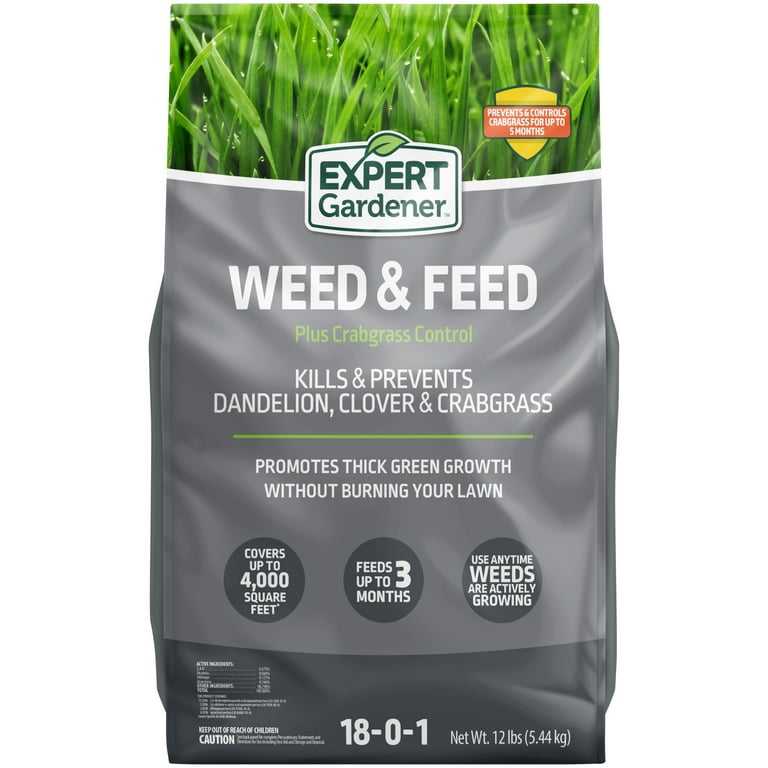
The best lawn fertilizer to fight crabgrass is a high-nitrogen, slow-release formula applied during the early spring and late summer. It not only strengthens your grass but also helps prevent crabgrass from taking hold. Choosing the right fertilizer is crucial because healthy, dense grass naturally crowds out weeds, making crabgrass less likely to invade your yard.
In short, a nitrogen-rich, pre-emergent fertilizer applied at the right time can effectively stop crabgrass from germinating and thriving. Maintaining a thick, lush lawn with proper fertilization, mowing, and watering is the most natural defense against crabgrass invasion.
A lush, healthy lawn is your best weapon against pesky crabgrass, which can quickly take over if left unchecked. Crabgrass typically invades thin, bare patches of grass and prefers hot, dry conditions. To keep it at bay, understanding the right fertilization timing and type is essential. By applying a targeted pre-emergent fertilizer early in the season—usually in early spring—you can create an environment where crabgrass struggles to gain a foothold. Additionally, adopting a lawn care routine that promotes dense, vigorous grass will make it harder for weeds to settle in. With the right approach, you can enjoy a thick, green yard free of unwanted crabgrass intruders.

What is the best lawn fertilizer to fight crabgrass?
Understanding Crabgrass and How It Spreads
Crabgrass is an aggressive weed that quickly invades lawns, especially during warm weather. It spreads mainly through seeds that germinate in the soil and can also grow from creeping stems. Once established, crabgrass can choke out your nice grass, making your lawn look uneven and patchy. Knowing how crabgrass spreads helps determine the best fertilizer strategies to prevent it.
The Role of Fertilizer in Crabgrass Prevention
The right fertilizer not only feeds your lawn but also plays a key role in controlling crabgrass. Applying fertilizer at the correct time helps promote healthy grass growth, which naturally crowds out weeds. Fertilizer can also supply essential nutrients that weak crabgrass seedlings struggle to thrive without. Proper fertilization helps ensure your lawn remains dense, making it tougher for crabgrass to take hold.
Timing Is Everything: When to Fertilize for Crabgrass Control
Applying fertilizer at the right time is crucial for crabgrass prevention. Typically, the best time is early spring before soil temperatures reach 55°F to 60°F. During this period, applying a pre-emergent crabgrass preventer combined with fertilizer creates a barrier against weed seeds. Late spring fertilization supports vigorous turf growth, making it harder for crabgrass to establish.
Choosing the Right Fertilizer Type
There are two main types of fertilizers to consider: pre-emergent and post-emergent.
Pre-emergent Fertilizers
Pre-emergent fertilizers contain herbicides that stop crabgrass seeds from germinating. These are best applied early in the season, ideally before weeds start to sprout. Look for products labeled specifically for crabgrass prevention.
Post-emergent Fertilizers
Post-emergent fertilizers target existing crabgrass plants that have already grown. They usually include herbicides designed to kill actively growing weeds. Combining post-emergent treatments with a healthy lawn helps manage already present crabgrass.
Essential Nutrients for a Dense Lawn
A lush, thick lawn is less inviting for crabgrass and other weeds. Fertilizers rich in nitrogen, phosphorus, and potassium promote healthy grass growth.
- Nitrogen: Stimulates leafy growth and vibrant color.
- Phosphorus: Encourages strong root development.
- Potassium: Improves overall plant health and stress tolerance.
Selecting a fertilizer with a balanced ratio of these nutrients ensures your lawn develops a deep root system and dense foliage, making it difficult for crabgrass to invade.
Soil Testing and Fertilizer Selection
Before choosing a fertilizer, perform a soil test to identify nutrient deficiencies. Accurate soil data helps select the precise fertilizer formulas suited for your lawn. For example, if your soil is low in nitrogen, a fertilizer with a higher nitrogen content will promote lush growth that crowds out weeds.
Best Fertilizer Options for Crabgrass Control
Different fertilizers are designed specifically to combat crabgrass. Here are top choices:
Pre-emergent Crabgrass Preventers
- Prodiamine-based products: Such as Barricade, effective at preventing crabgrass seed germination.
- Dithiopyr: Offers both pre-emergent and early post-emergent control.
- Pendimethalin: Commonly used in lawn weed preventers.
Post-emergent Herbicides
- Fenoxaprop: Kills crabgrass actively growing in the lawn.
- Sethoxydim: A selective herbicide targeting grassy weeds.
- Quinclorac: Effective in controlling crabgrass without harming turfgrass.
Natural and Organic Fertilizer Alternatives
For those preferring eco-friendly options, organic fertilizers like compost tea or seaweed extracts can boost lawn health. These promote natural growth without chemicals, making your lawn resistant to weeds. Consistent use of organic fertilizers helps maintain soil health and natural weed suppression.
Application Tips for Maximum Effectiveness
Applying fertilizer correctly ensures you get the best results. Always follow label instructions regarding dosage and timing.
Application Techniques
- Use a broadcast or drop spreader to evenly distribute fertilizer.
- Avoid applying fertilizer during heavy rain to prevent runoff.
- Water the lawn after application to help nutrients penetrate the soil.
Frequency of Fertilization
Typically, fertilize your lawn in early spring, late spring, and fall. During peak growing seasons, maintain a regular schedule to keep your grass thick and healthy.
Complementary Practices for Crabgrass Prevention
Fertilizer alone isn’t enough; combine it with other lawn care practices.
Mowing
Keep grass at a height of around 3 inches to shade out weed seeds and foster strong turf.
Watering
Deep, infrequent watering encourages deep root growth, making grass more resistant to weeds.
Aeration and Overseeding
Aerate compacted soil to improve nutrient intake and overseed thin areas to promote dense turf.
Common Mistakes to Avoid
Avoid over-fertilizing, which can lead to nutrient runoff and turf stress. Also, don’t apply fertilizer during extreme heat or drought, as this can damage your lawn. Overwatering fertilizer can wash away nutrients, reducing effectiveness and harming the environment.
Monitoring and Adjusting Your Fertilizer Program
Regularly assess your lawn’s health through visual checks and soil tests. Adjust your fertilization schedule based on growth patterns and seasonal changes. A well-maintained fertilization routine ensures ongoing suppression of crabgrass and promotes a vibrant, weed-free lawn.
—
Ensuring your lawn receives the proper fertilizer at the right time and in the right amount greatly reduces crabgrass issues. Combining fertilization with good lawn care habits creates an environment where desirable grass species thrive and weed invasions are minimized.
When to Apply Crabgrass Preventer – Spring Fertilizer – Crabgrass
Frequently Asked Questions
What nutrients should a fertilizer contain to effectively prevent crabgrass growth?
Effective fertilizers for crabgrass prevention should contain high levels of nitrogen to promote healthy turf growth. Additionally, they often include pre-emergent ingredients that form a barrier to stop crabgrass seeds from germinating. Using a balanced fertilizer with appropriate phosphorus and potassium levels supports overall lawn health, making it less inviting for invasive weeds like crabgrass.
When is the ideal time to apply fertilizer to control crabgrass?
The best time to fertilize for crabgrass control is early spring before crabgrass seeds germinate, typically when soil temperatures reach around 55°F (13°C). Applying fertilizer at this time encourages vigorous turf growth, which helps shade the soil and suppress crabgrass emergence. Follow-up applications can be made in late spring if necessary, but timing remains crucial to prevent weed establishment.
Can organic fertilizers be effective against crabgrass, and which ingredients should I look for?
Yes, organic fertilizers can help strengthen your lawn’s resistance to crabgrass when used properly. Look for products rich in natural nitrogen sources such as composted manure, blood meal, or feather meal. Incorporating organic pre-emergent options that contain corn gluten meal can also prevent crabgrass seeds from sprouting, offering an eco-friendly approach to weed management.
Are there specific fertilizer formulations recommended for lawns prone to crabgrass invasion?
For lawns vulnerable to crabgrass, select fertilizers labeled as pre-emergent or crabgrass preventers with slow-release nitrogen. These formulations supply nutrients steadily over time, promoting dense turf growth that crowds out weeds. Check the product’s label to ensure it contains ingredients designed to inhibit crabgrass germination while nourishing the grass.
How does soil type influence the choice of fertilizer for crabgrass prevention?
Soil type affects nutrient absorption and the effectiveness of fertilizers. Sandy soils may require more frequent applications with quick-release nutrients to maintain vigor, while clay soils benefit from slow-release fertilizers that improve soil structure. Conducting a soil test helps identify specific deficiencies and guides the selection of a fertilizer formulation that best supports healthy grass growth, reducing the likelihood of crabgrass taking hold.
Final Thoughts
The best lawn fertilizer to fight crabgrass typically contains higher nitrogen levels to promote healthy grass growth and compete with weeds. Select a fertilizer with pre-emergent herbicides to prevent crabgrass seeds from sprouting. Applying this fertilizer at the right time ensures effective control and a lush, weed-free lawn.
In summary, what is the best lawn fertilizer to fight crabgrass? It combines high nitrogen content with pre-emergent features, offering both nourishing and weed-preventing benefits. Proper application timing is key to maintaining a healthy, crabgrass-free lawn.