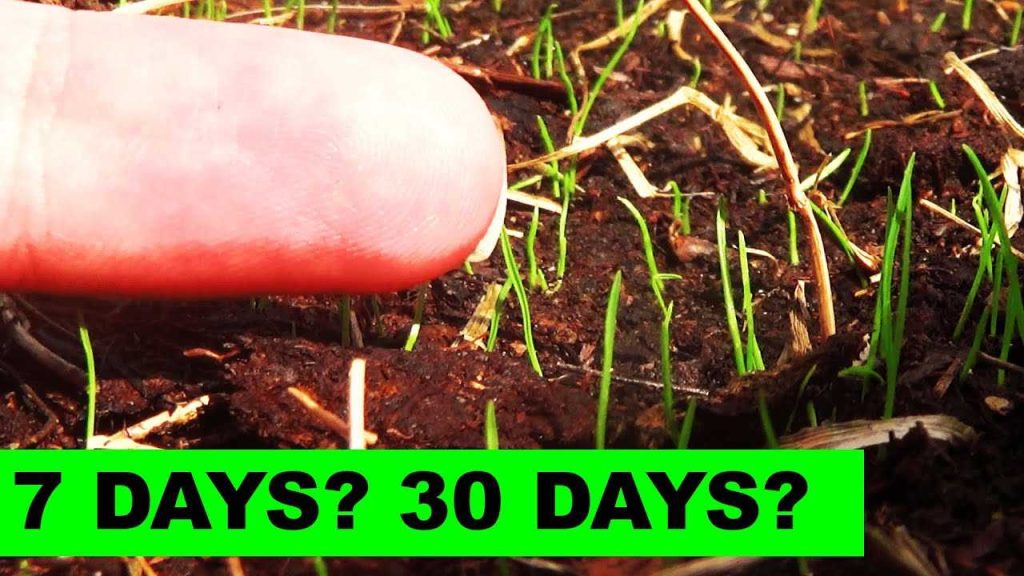
Kentucky bluegrass typically takes about 3 to 4 weeks to sprout and establish a lush, green lawn with proper care. If you’re wondering how long it will be before you can enjoy a beautiful, dense turf, the answer mainly depends on soil conditions, watering, and maintenance.
In just a few weeks, with the right attention, Kentucky bluegrass can transform from tiny seeds into a thriving, vibrant ground cover. Understanding the growth timeline helps you plan your lawn care routine and sets realistic expectations for how soon you can start enjoying your outdoor space.
Growing Kentucky bluegrass is a rewarding process that requires patience and proper nurturing. This popular grass type is appreciated for its fine texture and rich color, making it a favorite for lawns in cooler climates. Once seeded, it generally takes about 14 to 21 days for the grass to sprout, followed by several weeks of consistent watering and fertilization to develop strong roots and a dense turf. Typically, a healthy Kentucky bluegrass lawn reaches full maturity around 60 to 90 days after planting, provided optimal conditions are maintained. By understanding its growth stages, homeowners and landscapers can better manage expectations and ensure their lawns flourish.

How Long for Kentucky Bluegrass to Grow: A Complete Guide
Understanding Kentucky Bluegrass Growth Timeline
Kentucky bluegrass is a popular choice for lawns because of its lush appearance and durability. The growth cycle of Kentucky bluegrass depends on several factors, including soil temperature and moisture. Typically, it takes about two to three weeks for the grass seeds to germinate after planting.
Once the seeds germinate, the grass begins to establish roots and grow taller. In ideal conditions, you can expect visible, healthy grass within six to twelve weeks. However, the full maturity of a lush, dense lawn may take longer, usually about one to two years, depending on your lawn care practices.
Factors Influencing Kentucky Bluegrass Growth Rate
Several elements can accelerate or slow down how quickly Kentucky bluegrass grows. Understanding these factors can help you manage expectations and plan your lawn care routine. Here are the main influences:
Soil Temperature and Climate
Kentucky bluegrass prefers soil temperatures between 60°F and 75°F for optimal growth. Planting during the cooler spring or fall months allows the grass to establish better. Warmer or colder temperatures can delay germination and growth.
Soil Quality and Preparation
Healthy, well-drained soil rich in organic matter encourages faster germination. Proper soil preparation, including testing pH levels and adding necessary amendments, can promote faster root development.
Watering Practices
Consistent moisture is crucial during the initial growth phase. Keeping the soil evenly moist but not waterlogged helps seeds germinate faster. Once established, the bluegrass needs about 1 to 1.5 inches of water weekly.
Sunlight Exposure
Kentucky bluegrass thrives in full sun, requiring at least six hours of direct sunlight daily. Proper sunlight encourages faster photosynthesis and growth.
Seeding Method and Density
Spreading seeds evenly and at the correct rate ensures good coverage and quicker lawn development. Over-seeding can lead to competition for nutrients, slowing growth.
Step-by-Step Timeline of Kentucky Bluegrass Growth
Knowing the growth stages can help you understand how your lawn will develop over time:
Day 1 to Day 21: Germination Phase
Seeds begin to sprout, with tiny shoots breaking through the soil surface. During this period, keeping the soil moist is vital for successful germination.
Weeks 3 to 6: Establishment Phase
The grass starts to grow taller, and the roots deepen. It’s important to avoid heavy foot traffic during this time to allow roots to establish firmly.
Weeks 7 to 12: Thinning and Filling In
The lawn begins to fill in and become denser. Regular mowing at the right height promotes uniform growth and prevents weeds from taking hold.
Months 3 to 12: Maturation and Development
The bluegrass reaches a more mature state, forming a dense mat. Proper fertilization and watering support continuous growth and health.
Tips for Promoting Faster Growth of Kentucky Bluegrass
While patience is necessary, these tips can help foster faster and healthier lawn development:
- Seed Properly: Use high-quality Kentucky bluegrass seed and follow recommended sowing rates.
- Optimal Watering: Keep the soil moist but avoid overwatering, which can lead to disease.
- Fertilization: Apply a balanced fertilizer after the grass has sprouted, based on soil test results.
- Adjust Mowing: Maintain a mowing height of 2 to 3 inches to promote thick growth.
- Control Weeds: Use pre-emergent and post-emergent weed control methods to reduce competition for nutrients.
Common Challenges That Delay Kentucky Bluegrass Growth
Even with optimal care, some obstacles may slow down growth. Recognizing and addressing these issues can help you achieve a vibrant lawn faster:
Poor Soil Conditions
Compacted or nutrient-deficient soil hampers root development. Aerating and amending your soil can improve growth.
Inadequate Watering
Underwatering or overwatering both cause problems. Regular, consistent watering supports steady growth.
Pest and Disease Issues
Pests and fungal diseases can damage young grass. Proper lawn maintenance and timely treatments help prevent setbacks.
Incorrect Seeding Time
Planting too early or late in the season can hinder growth. Aim for early spring or fall for best results.
Estimating the Time Frame for a Fully Grown Kentucky Bluegrass Lawn
While seed germination happens within a few weeks, a mature, thick lawn takes longer. Expect about 12 to 24 months for your Kentucky bluegrass to reach full maturity. During this period, consistent lawn care is essential to achieve a healthy, vibrant yard.
Additional Tips for Successful Kentucky Bluegrass Growth
For long-term success, keep these practices in mind:
- Regular Monitoring: Check your lawn frequently for signs of stress or pests.
- Consistent Maintenance: Follow a routine for fertilization, watering, and mowing.
- Seasonal Adjustments: Adapt your lawn care based on the season and weather conditions.
Related Topics to Explore
To further improve your understanding of Kentucky bluegrass, consider exploring related areas such as:
- Best Fertilizers for Kentucky Bluegrass
- Seeding vs. Sod for Kentucky Bluegrass
- How to Repair a Patchy Lawn
- Overseeding Tips for a Thicker Lawn
- Lawn Irrigation Techniques
Understanding the growth timeline and factors affecting Kentucky bluegrass can help you create a healthy and beautiful lawn. Patience combined with proper care ensures your yard will flourish over time, providing a lush green space for years to come.
How long does it take for KBG to germinate?
Frequently Asked Questions
How long does it typically take for Kentucky bluegrass to reach maturity after planting?
What factors influence the growth rate of Kentucky bluegrass?
The growth rate depends on several factors, including soil quality, sunlight exposure, watering schedule, and temperature conditions. Well-drained, fertile soil and adequate sunlight accelerate germination and establishment. Consistent watering and appropriate fertilization also contribute to faster growth and quicker lawn development.
Can Kentucky bluegrass be established faster with certain planting methods?
Yes, using methods like overseeding or planting sod can establish Kentucky bluegrass more quickly. Sod provides instant coverage, typically establishing within a few weeks, while overseeding can fill in thin areas within a couple of months. Proper preparation of the soil and consistent maintenance improve the chances of rapid establishment regardless of the method chosen.
Final Thoughts
How long for Kentucky bluegrass to grow depends on various factors like climate, soil, and maintenance. Typically, it takes about 2 to 3 weeks for the grass to germinate after seeding. The grass will then establish itself within 6 to 8 weeks, reaching a desirable height for lawn use. Consistent watering and proper fertilization accelerate growth. In summary, patience is key, but understanding this timeline helps you plan your lawn care effectively.