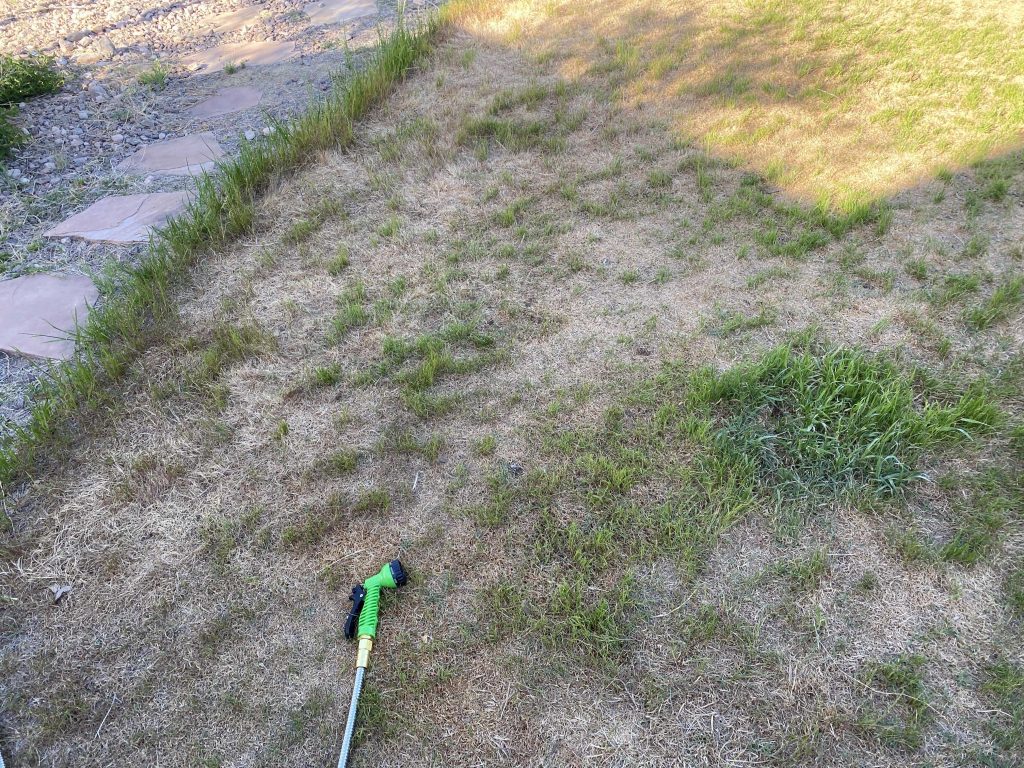
Yes, you can throw Bermuda grass seed down directly, but it’s not always the most effective way to get a lush, healthy lawn. Simply scattering seeds on the surface may work in some cases, especially if your soil is prepared and the conditions are right, but it might result in uneven growth or poor germination. For the best results, a bit of preparation and proper watering are essential.
In short, throwing Bermuda grass seed on an unprepared yard is possible, but for more reliable and even coverage, it’s better to till the soil, remove debris, and ensure consistent moisture. This helps the seeds establish strong roots and develop into a dense, beautiful turf. Proper technique and patience are key to turning your yard into the Bermuda paradise you envision.

Can I Just Throw Bermuda Grass Seed Down? A Complete Guide
If you’re thinking about planting Bermuda grass and wondering whether simply scattering the seeds is enough, you’re not alone. Many homeowners ask if just tossing Bermuda seed onto their yard will give them lush, green turf. The short answer is that while tossing seeds sounds easy, there are important steps to follow for successful germination and growth. Let’s explore what you need to know about planting Bermuda grass seeds effectively.
Understanding Bermuda Grass and Its Growth Habits
Bermuda grass is a warm-season grass popular for lawns in sunny climates. It thrives in hot weather and is very drought tolerant once established. The grass spreads quickly via underground rhizomes and above-ground stolons, creating a dense turf that can handle heavy foot traffic. However, starting Bermuda from seed requires some patience, as germination takes time and proper care.
Can I Simply Scatter Bermuda Grass Seed?
Yes, you can scatter Bermuda grass seed directly onto prepared soil, but this method alone isn’t enough for the best results. Without proper preparation, seeds may not germinate evenly or may wash away due to wind or rain. It is crucial to follow specific steps that help the seeds settle into the soil and establish roots.
Preparing Your Lawn for Bermuda Grass Seed
Soil Testing and Improvement
Before planting, conduct a soil test to determine pH levels and nutrient content. Bermuda grass prefers soil with a pH between 6.0 and 7.0. Adjusting soil acidity or alkalinity with lime or sulfur can improve seed germination. Enriching the soil with organic matter helps create a better environment for root growth.
Clearing and Leveling the Area
Remove any weeds, rocks, or debris from the area to prevent competition and obstacles for the new grass. Leveling the soil ensures uniform contact of seeds with the ground, promoting even germination. Use a rake or lawn roller to smooth out the surface for optimal seed coverage.
Loosening the Soil
Loosen the top 1 to 2 inches of soil using a garden rake or tiller. This process allows seeds to penetrate the soil more easily and establishes a good contact point for germination. Compact soil can hinder seed growth, so aerating the area can be beneficial.
Choosing the Right Bermuda Grass Seed
Select high-quality seeds suitable for your climate and lawn conditions. Opt for clean, disease-free seed that has a high germination rate. Some popular Bermuda varieties include TifTuf and Tiflawn, which are known for their durability and fast germination.
Seeding Technique: How to Scatter Bermuda Grass Seeds Effectively
Seeding Rate and Coverage
Follow the recommended seeding rate, typically around 1 to 2 pounds per 1000 square feet. Use a broadcast spreader for even distribution, ensuring every part of the yard receives an adequate amount of seed. Over-seeding can lead to overcrowding, so stick to the guidelines for best results.
Even Distribution and Overlap
Divide the total seed amount into two halves. Spread one half in one direction and the other half at a right angle to ensure uniform coverage. Overlap slightly to fill in any gaps, especially around edges and corners.
Post-Seeding Care for Bermuda Grass
Light Raking and Soil Contact
Lightly rake the seeded area to help the soil make contact with the seeds. This contact is vital for germination and helps prevent seeds from being washed away by rain.
Watering Schedule
Immediately after seeding, water the area gently but thoroughly. Keep the soil consistently moist during germination, which normally takes 7 to 21 days. Waterings should be light but frequent, about two to three times daily during hot, dry weather.
Maintaining Moisture and Temperature
Consistent moisture encourages quick germination. Avoid letting the soil dry out completely or become overly saturated. Bermuda grass germinates best at temperatures between 65°F and 95°F, so planting during warm weather offers the best chance for success.
Helpful Tips for Successful Bermuda Grass Establishment
- Use topdressing. Lightly applying compost or soil after seeding can help retain moisture and boost growth.
- Control weeds. Prevent weeds from competing with new grass by removing them early.
- Limit foot traffic. Keep off the newly seeded area until the grass is well established to prevent damage.
- Fertilize appropriately. Begin with a starter fertilizer rich in phosphorus to encourage root development.
When Might Planting by Seeding Not Be Enough?
If your soil is poor or heavily compacted, just scattering seeds may not lead to a lush lawn. In such cases, additional practices like overseeding, aeration, and soil amendments are necessary. Also, in areas with high erosion or heavy rain, seed washout might require more protective measures.
Alternatives to Just Tossing Seeds
Using Sod or Plug Installation
If quick results are needed, laying Bermuda sod or installing plugs can be more reliable than seeding. These methods offer instant turf coverage and are less dependent on weather conditions.
Overseeding Existing Lawns
If an existing Bermuda lawn needs thickening, overseeding can be effective. However, ensure proper preparation and follow similar steps for soil contact and watering.
While scattering Bermuda grass seed seems like a simple task, achieving a healthy, green lawn requires proper preparation, seeding techniques, and maintenance. Following these steps increases the chances of successful germination and a lush Bermuda grass yard that will last for years.
Seeding Bermuda Lawns and Zoysia Lawns
Frequently Asked Questions
Is it necessary to prepare the soil before spreading Bermuda grass seed?
Yes, preparing the soil helps the seeds establish better. Remove weeds, loosen the soil, and smooth out the surface. Adding a layer of fertile topsoil or compost can improve seed germination and promote healthy growth.
How can I ensure the seeds will take root effectively after spreading them?
To ensure good root development, lightly rake the soil after spreading the seeds to make contact with the soil. Water the area gently and consistently to keep the soil moist. Avoid heavy watering that can wash away the seeds or create a muddy surface.
Are there benefits to overseeding rather than just broadcasting Bermuda grass seed?
Overseeding can provide a more even distribution of seeds and better coverage, leading to a dense lawn. It also allows you to target specific areas that need improved coverage or repair bare patches for a more uniform appearance.
What is the best time of year to plant Bermuda grass seeds if I decide to just scatter them?
The ideal time to plant Bermuda grass seeds is during late spring or early summer when temperatures are consistently warm. Warm soil temperatures encourage faster germination and stronger growth, giving your lawn the best chance to develop successfully.
Will simply scattering Bermuda grass seed work in shaded areas?
Growing Bermuda grass in shaded areas can be challenging because it thrives in full sun. While scattering seeds might lead to some growth, it may not establish as effectively. Consider selecting a shade-tolerant turf or implementing additional measures to improve sunlight exposure for better results.
Final Thoughts
In conclusion, can I just throw Bermuda grass seed down? While it might seem simple, proper preparation ensures better germination and growth. Reseeding on bare or damaged soil helps the grass establish more effectively. Skipping steps can lead to weak plants and uneven coverage. For best results, follow recommended practices to achieve a lush, healthy lawn.