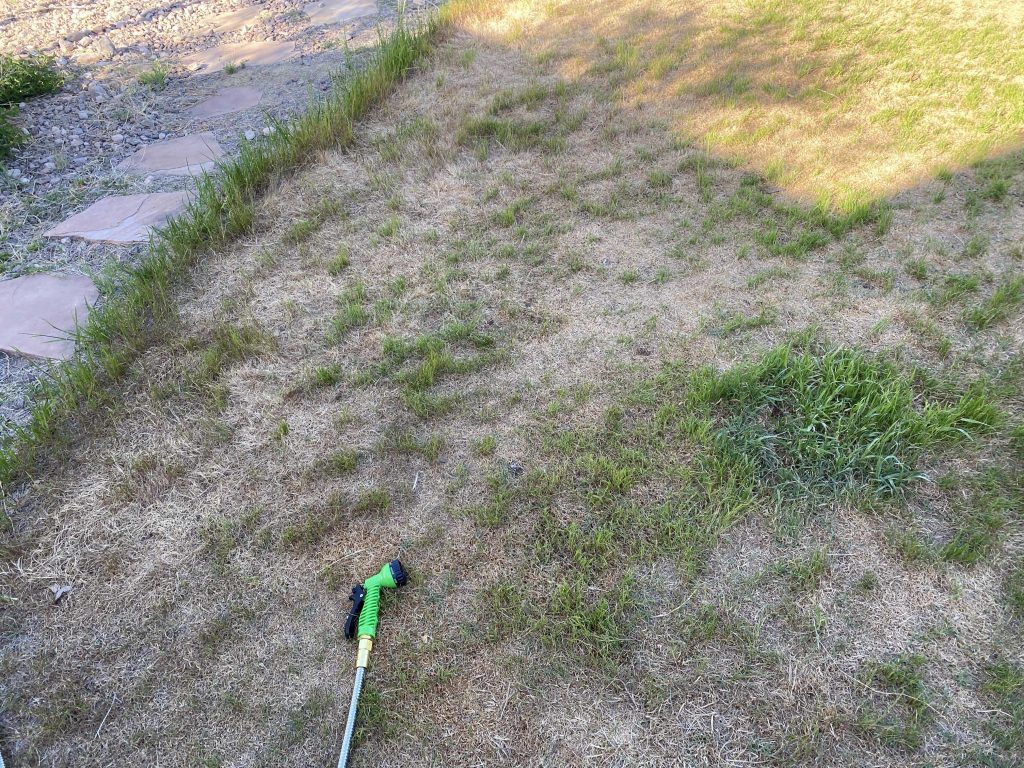
Yes, you can throw Bermuda grass seed down, but it’s not always the most effective way to establish a lush, healthy lawn. Simply scattering seed on bare soil might seem quick and easy, but for the best results, proper preparation and care are essential. Without prepping the soil, your seeds may struggle to take root, leading to patchy growth or weed invasion. For a dense, vibrant Bermuda grass lawn, it’s better to follow specific steps like soil aeration, proper seeding techniques, and watering routines. While tossing seeds might save time initially, investing a little effort in proper planting methods will pay off with a healthier, more resilient turf in the long run. So yes, you can just throw Bermuda grass seed down, but for the best outcome, a bit of groundwork is recommended.

Can I Just Throw Bermuda Grass Seed Down?
Understanding Bermuda Grass and Its Growing Needs
Bermuda grass is a warm-season grass popular for lawns, sports fields, and golf courses. It thrives in hot climates and needs plenty of sunlight to grow well. Before planting, think about your soil type and climate to ensure Bermuda grass will flourish.
Bermuda grass prefers well-drained soil that is rich in nutrients. It needs at least six hours of direct sunlight daily for optimal growth. Knowing these basics helps decide if simply throwing seeds is a good idea for your yard.
Is Simply Throwing Bermuda Grass Seed Effective?
Many people wonder if they can just scatter Bermuda grass seeds on their yard and expect a lush, green lawn. The short answer is that it can work in some cases, but it often isn’t the best approach. Simply dropping seeds on the ground without preparation may result in uneven growth or poor germination.
Bermuda grass seeds need good soil contact for successful sprouting. If seeds don’t touch the soil properly, they might not grow at all. So, throwing seeds down is not usually enough to get a dense, healthy lawn.
Important Factors to Consider Before Seeding
To grow Bermuda grass effectively, several factors should be taken into account:
- Soil Condition: The soil should be loose, well-drained, and rich in nutrients.
- Timing: Seed planting works best during late spring or early summer when temperatures are consistently warm.
- Climate: Bermuda grass loves hot weather and needs full sun to grow well.
- Preparation: Proper preparation ensures better seed-to-soil contact and germination success.
Skipping these steps and just scattering seeds might lead to patchy grass or the need for reseeding later.
How to Prepare Your Lawn for Bermuda Grass Seeding
Proper preparation increases your chances of growing a beautiful Bermuda grass lawn. Start by mowing your existing grass very short to clear space for new seeds. Next, remove any weeds or debris that could compete with seed growth.
Then, loosen the soil with a rake or tiller to improve seed contact and drainage. Adding compost or a starter fertilizer can give early nutrients to support seedling growth. This process creates a welcoming environment for Bermuda grass to establish.
Steps for Effective Seeding
- Test soil pH: Bermuda grass prefers soil pH between 5.8 and 7.0. Adjust pH if necessary.
- Apply soil amendments: Incorporate compost or fertilizers based on soil test results.
- Level the soil surface: Make sure the ground is even to prevent water pooling or dry spots.
- Seed evenly: Use a spreader or by hand, and sow seeds in multiple directions to ensure even coverage.
Following these steps greatly improves the likelihood of successful germination.
The Role of Soil Contact and Seed Coverage
Bermuda grass seeds need to be in direct contact with the soil to sprout successfully. Simply scattering them on the surface and leaving them exposed often leads to poor germination.
Lightly raking the seeds into the soil or covering them with a thin layer of soil or compost helps protect them from birds and wind. This coverage ensures the seeds stay moist and in contact with the soil, which is essential for sprouting.
Watering Tips for New Bermuda Grass Seeds
Consistent watering is key after seeding. Keep the soil moist but not waterlogged to support germination. Light, frequent watering sessions—about two to three times daily—work best during the first two weeks.
As the grass starts to germinate and grow stronger, you can gradually reduce watering frequency while increasing the depth of watering sessions. Proper hydration supports seedling development and helps prevent drying out.
Dealing with Common Challenges
Many beginners face issues like patchy growth, weeds, or pests when planting Bermuda grass. Address patchiness by overseeding or overseeding areas with sparse growth.
Weeds can compete for nutrients and water, so control them with proper mowing and, if needed, selective weed killers. Pest problems are less common but can be managed with appropriate lawn treatments.
Alternative Seeding Methods for Better Results
While broadcasting seeds is easy and quick, other methods may produce more uniform and dense lawns. Consider using a slit seeder or sod rolls for even coverage. These options are especially helpful for large areas or patchy lawns.
Overseeding existing Bermuda lawns can help fill in bare spots and improve overall density. For best results, combine seeding with core aeration and fertilization.
When to Avoid Just Throwing Seeds and Opt for Other Options
If your soil is compacted, poorly drained, or heavily weed-infested, simply scattering seeds won’t produce good results. These conditions call for soil improvement, aeration, and proper weed control before seeding.
In areas with heavy foot traffic or constant shade, Bermuda grass may struggle to establish. In such cases, consider alternative grass types better suited to those conditions or professional planting methods.
Benefits of Proper Seeding Over Just Throwing Seeds
Proper preparation and planting techniques lead to:
- More uniform and dense grass coverage
- Faster germination and establishment
- Reduced competition from weeds
- Longer-lasting, healthy lawn
Taking time to prepare and seed correctly pays off with a beautiful, low-maintenance Bermuda grass lawn.
Summary: Is Throwing Bermuda Grass Seeds Enough?
In short, simply throwing Bermuda grass seed on your lawn is not enough for high-quality results. Adequate soil preparation, seed coverage, watering, and timing are essential components. By following proper seeding techniques, you can ensure healthy germination and a vibrant Bermuda grass lawn.
Remember, patience is key. Bermuda grass takes some time to establish fully, but with care and effort, your yard can become a lush, green space you’ll enjoy for years.
Can You Just Throw Grass Seed Down? Will It Grow?
Frequently Asked Questions
Is simply scattering Bermuda grass seed enough to establish a healthy lawn?
No, just throwing Bermuda grass seed on the ground doesn’t guarantee a dense, healthy lawn. Proper preparation, including soil aeration and ensuring good seed-to-soil contact, is essential. Additionally, consistent watering and proper fertilization help the seeds germinate and grow properly.
Should I prepare the soil before spreading Bermuda grass seed?
Yes, preparing the soil improves seed contact and promotes healthy growth. Remove weeds, loosen the soil through aeration or tilling, and level the area. Adding a thin layer of topsoil or compost can also enhance seed germination and encourage a lush lawn.
What is the best way to ensure good germination when planting Bermuda grass seed?
For optimal germination, spread the seed evenly over a moist soil surface, then lightly rake it into the soil to improve contact. Cover the seed with a thin layer of soil or straw to retain moisture. Keep the area consistently moist until the grass establishes itself.
Can I overseed Bermuda grass seed over an existing lawn without any preparation?
While you can overseed over an existing lawn, it works best when you loosen the surface soil and remove debris. This helps the new seed reach the soil and increases germination chances. Skipping preparation may lead to uneven growth or poor results.
How does watering affect the success of planting Bermuda grass seeds directly on the ground?
Consistent watering is crucial after scattering Bermuda grass seed. Keep the soil evenly moist without overwatering, which can cause runoff or seed displacement. Proper watering helps the seeds stay active and promotes quick germination and healthy growth.
Final Thoughts
You can generally toss Bermuda grass seed on prepared soil, but for best results, proper site preparation is essential. Reseeding in bare patches improves lawn health and appearance.
Will simply throwing the seed work? Not always. For optimal germination, lightly soil the seed or water it regularly.
Can I just throw Bermuda grass seed down? While it’s possible, proper care ensures the seed takes root effectively. Following recommended steps guarantees a lush, healthy lawn.