Looking to identify Bermuda grass at every growth stage? You’re in luck! Spotting Bermuda grass from its sprouting phase to full maturity is easier than you think when you recognize key visual cues.
Bermuda grass goes through several distinct stages of growth, each with specific features that help you tell them apart. From tiny seedlings to dense, winter-green turf, understanding these stages helps you care for your lawn better and troubleshoot issues early. This article provides clear images and descriptions of Bermuda grass at every step, so you can confidently identify it throughout the year and ensure your lawn stays lush and healthy. No matter if you’re a beginner or a seasoned gardener, knowing these growth stages will help you optimize your Bermuda grass care routine effortlessly.

Bermuda Grass Pictures All Stages Growth
Introduction to Bermuda Grass Growth Stages
Bermuda grass is a popular warm-season grass known for its durability and lush green appearance. Understanding its growth stages helps gardeners and landscapers care for it properly. From tiny seedlings to a full, thick turf, Bermuda grass’s development is fascinating. Visual guides or pictures of each stage make it easier to recognize and promote healthy growth.
Stage 1: Germination and Seedling
The first stage begins when the Bermuda grass seed is planted. After watering, the seed absorbs moisture and begins to sprout. Within a few days, a tiny root, called a radicle, emerges from the seed. Shortly after, the first shoot or sprout appears above the soil surface.
- Seeds typically germinate within 7 to 14 days.
- The seedling is very delicate and needs consistent moisture.
- Germination success depends on soil temperature, ideally between 65°F to 75°F.
Visuals of this stage show small, tender green shoots just breaking through the soil. Maintaining even watering and warmth encourages healthy germination.
Stage 2: Vegetative Growth
Once the seedling develops its first true leaves, Bermuda grass enters the vigorous vegetative stage. The grass begins to grow rapidly, producing small blades and spreading through stolons—horizontal runners that extend across the soil surface.
Features of the Vegetative Stage
- The grass thickens and fills in bare spots quickly.
- Color brightens from pale green to rich, vibrant green.
- Root systems deepen, providing stability and nutrient absorption.
During this phase, mowing can begin but should be done carefully to avoid stressing the young grass. Regular watering and fertilization promote dense, healthy turf.
Stage 3: Tiller Development
As Bermuda grass matures, it produces tillers—stems that grow from the base of the plant. Tiller formation increases the density of the turf, creating a compact, lush appearance.
Signs of Tiller Growth
- Multiple stems emerge from each plant.
- The grass becomes noticeably thicker and more resilient.
- Color remains a vibrant green, indicating good health.
Tiller development is essential for turf that withstands foot traffic and droughts. Proper mowing height and balanced fertilization support this stage.
Stage 4: Maturity and Full Density
Bermuda grass reaches full maturity when it forms a dense, carpet-like turf. The blades are upright, and the stolons spread extensively, covering the ground evenly.
Characteristics of Fully Grown Bermuda Grass
- The grass provides excellent erosion control.
- Color remains deep green throughout the growing season.
- The turf is resistant to weeds and pests due to its density.
Visual evidence of this stage shows a thick, uniform lawn with minimal patchiness. Regular maintenance, including mowing, watering, and aeration, keeps Bermuda grass in prime condition.
Visual Comparison of Bermuda Grass at Different Growth Stages
Understanding the differences between stages helps identify what your grass needs at each point. Below is an overview table showcasing key features:
| Stage | Time Frame | Appearance | Key Features |
|---|---|---|---|
| Germination | 7-14 days | Small sprout | Seed sprouting, delicate growth |
| Vegetative | Weeks 2-8 | Thin grass blades | Rapid growth, spreading runners |
| Tiller Development | Months 2-4 | Thicker turf | Increased density, multiple stems |
| Maturity | Month 4 and beyond | Full, lush turf | Dense, resilient ground cover |
Factors Influencing Bermuda Grass Growth Stages
Several environmental factors affect the pace and quality of Bermuda grass development. Recognizing these helps maintain healthy growth throughout each stage.
Soil Temperature and Preparation
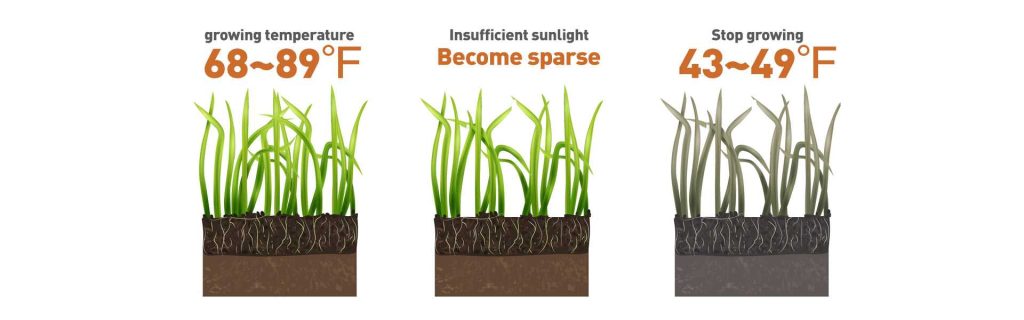
Bermuda grass prefers warm soil, ideally between 65°F and 75°F for optimal germination. Proper soil preparation, including aeration and fertilization, enhances root development in early stages.
Watering Practices
Consistent moisture is critical during germination and early growth. However, overwatering can promote disease, so balanced watering is essential.
Sunlight Exposure
Bermuda grass thrives in full sun. At least 6 hours of direct sunlight daily ensures vigorous growth. Shaded areas may result in slower development and poorer turf quality.
Fertilization and Nutrients
Applying balanced fertilizers with nitrogen encourages lush, green blades. Regular feeding supports tiller production and turf maturity.
Common Challenges During Bermuda Grass Growth
The growth process can face obstacles that impact the final turf quality. Recognizing and addressing these issues early keeps the grass healthy.
Pest Infestations
Insects like sod webworms or armyworms can damage young grass. Regular inspection and appropriate treatments help protect the turf.
Disease Outbreaks
Fungal diseases such as dollar spot or rust may appear, especially with high humidity. Proper watering and aeration reduce disease risk.
Overwatering or Underwatering
Both can stunt growth or cause root rot. A consistent watering schedule tailored to weather conditions keeps Bermuda grass healthy.
Improper Mowing
Cutting too low or too frequently stresses the grass. Maintaining the correct mowing height (around 1 to 2 inches) promotes strong growth.
Conclusion and Visual Reminder
Each stage of Bermuda grass growth holds unique features, and photographs can vividly demonstrate these changes. Monitoring your lawn’s progress with visual cues helps ensure you provide the right care at each point. Healthy Bermuda grass, from seed to dense turf, reflects attentive management and understanding of its growth stages. With proper care, your lawn can become a beautiful, durable outdoor space enjoyed for years.
Bermuda Lawn Care – 5 Basics – For A Nice Green Lawn – Beginners Start Here!
Frequently Asked Questions
What are the visual differences between young and mature Bermuda grass plants?
Young Bermuda grass plants typically appear as thin, fine blades with a lighter green color. They often have a soft texture and grow close to the ground. As the grass matures, the blades become thicker, broader, and darker green. Mature Bermuda grass develops a denser, more vigorous appearance, forming a thick turf with a coarse texture that provides better coverage and resilience.
How can I identify the flowering stage in Bermuda grass through pictures?
In pictures, Bermuda grass’s flowering stage shows characteristic seed heads that appear as upright, brush-like clusters. These seed heads usually emerge from the grass blades and are golden or brownish in color. Recognizing these flowering structures helps determine when the grass is reproducing and can inform maintenance or overseeding practices.
Why do Bermuda grass blades change color at different growth stages?
The color change in Bermuda grass blades reflects their growth stage and health. During active growth, the blades are vibrant green due to high chlorophyll levels. As the grass matures or enters dormancy, the color may fade to a duller green or brownish hue. Stress factors like drought or disease can also cause color variations, indicating the need for appropriate care.
What are the signs of mature Bermuda grass that indicate it’s ready for overseeding or renovation?
Signs of maturity include a thick, dense turf with a uniform color and visible seed heads. The grass blades feel coarse and resilient, and patches may become less lush or thin out in some areas. These indicators suggest that the grass has fully developed, and it might be time to overseed or perform renovation to maintain turf quality.
At which stage does Bermuda grass go into dormancy, and how does this appear in pictures?
Bermuda grass often enters dormancy during cooler months or drought conditions. In pictures, dormancy appears as a yellowish-brown or straw-colored turf that looks dull and less dense. During this stage, the grass stops actively growing, but proper care can help it recover when favorable conditions return.
Final Thoughts
Bermuda grass pictures all stages growth clearly illustrate the plant’s development from germination to full maturity. Understanding these stages helps homeowners and landscapers care for their lawns effectively. Each phase showcases unique characteristics, making it easier to identify and address issues early. Recognizing these growth stages ensures the grass stays healthy and lush throughout the season.