Crabgrass can be a stubborn invader in your lawn, often overshadowing the lush, thick St. Augustine grass. If you’re wondering whether crabgrass impacts St. Augustine more than other grasses, the answer is yes—crabgrass tends to outcompete it, especially during warm months. This invasive weed can quickly take over, making your beautiful lawn look patchy and unkempt.
In short, crabgrass is more aggressive against St. Augustine grass because it thrives in the same warm conditions, quickly spreading and crowding out the grass. Managing crabgrass early is essential to keep your St. Augustine healthy and vibrant.
Crabgrass is a common troublemaker for many homeowners, particularly those with warm-season grasses like St. Augustine. Understanding how crabgrass interacts with this type of grass is key to maintaining a healthy, attractive lawn. Crabgrass is notorious for overpowering St. Augustine due to its rapid growth and ability to establish quickly in the summer heat. If left unchecked, it can smother the desirable grass, leading to bare patches and an uneven appearance. Knowing the right prevention and treatment strategies can help keep your lawn lush and free of invasive weeds. So, tackling crabgrass early ensures your St. Augustine stays resilient, lush, and the envy of the neighborhood.

Does crabgrass affect St. Augustine grass more?
Understanding Crabgrass and St. Augustine Grass
Crabgrass is a common weed that appears in lawns during warm months. It is known for spreading quickly and competing with existing grass for resources. St. Augustine grass is a popular warm-season turfgrass valued for its lush, thick appearance.
Crabgrass tends to invade areas where the existing grass is weak or thinning. It is a fast-growing weed that can overshadow and suffocate native grasses, including St. Augustine. The question is whether crabgrass causes more harm to St. Augustine than other types of grass.
Growth Habits of Crabgrass and Its Impact
Crabgrass spreads mainly through underground stems called rhizomes and seeds. It thrives in open patches of soil with little to no competition. Its aggressive growth habits allow it to quickly overrun bare spots in lawns.
Crabgrass often establishes itself in areas where St. Augustine grass is less dense. Since crabgrass directs energy into rapid spread, it can outcompete St. Augustine for sunlight, water, and nutrients. This competition weakens the St. Augustine roots and hampers overall lawn health.
How Crabgrass Affects St. Augustine Grass
Crabgrass can significantly disrupt the health of St. Augustine lawns. It forms dense mats that block sunlight from reaching the underlying grass.
Since St. Augustine requires ample sunlight, the shading from crabgrass can cause the grass to thin out, become patchy, and susceptible to diseases. The aggressive crabgrass also consumes nutrients, leaving less for the St. Augustine grass, which can lead to yellowing and decreased vigor.
Why Crabgrass Is More Harmful to St. Augustine Than Other Grass Types
St. Augustine is a relatively slow-growing grass that does not tolerate competition well. In contrast, some grasses like Bahia or Bermuda are more resilient and can withstand weed invasion better.
Crabgrass outcompetes St. Augustine because of its rapid growth and hardy nature. It takes advantage of weak areas and can quickly take over patches, making it more problematic for St. Augustine lawns than for lawns of other grass types that are more tolerant to weeds.
Factors Making St. Augustine More Susceptible
Several factors contribute to the vulnerability of St. Augustine to crabgrass:
- Shade tolerance: St. Augustine prefers shaded and partially shaded areas. In sunnier patches, crabgrass can take hold more easily.
- Wound healing: St. Augustine’s slower recovery from damage makes it easier for crabgrass to invade open spots.
- Soil health: Compacted or poorly-drained soil can hinder St. Augustine growth, creating ideal conditions for crabgrass.
Good lawn maintenance can help minimize these vulnerabilities, reducing crabgrass invasion.
Seasonal Patterns of Crabgrass and Effects on St. Augustine
Crabgrass germinates mainly during late spring to early summer when soil temperatures reach around 55-60°F. It quickly matures and spreads during hot months.
As crabgrass proliferates in mid to late summer, it severely hampers St. Augustine’s growth cycle. The weed’s rapid expansion can lead to large patches of bare ground if left unchecked, which is tough for St. Augustine to recover from.
Control and Prevention Strategies
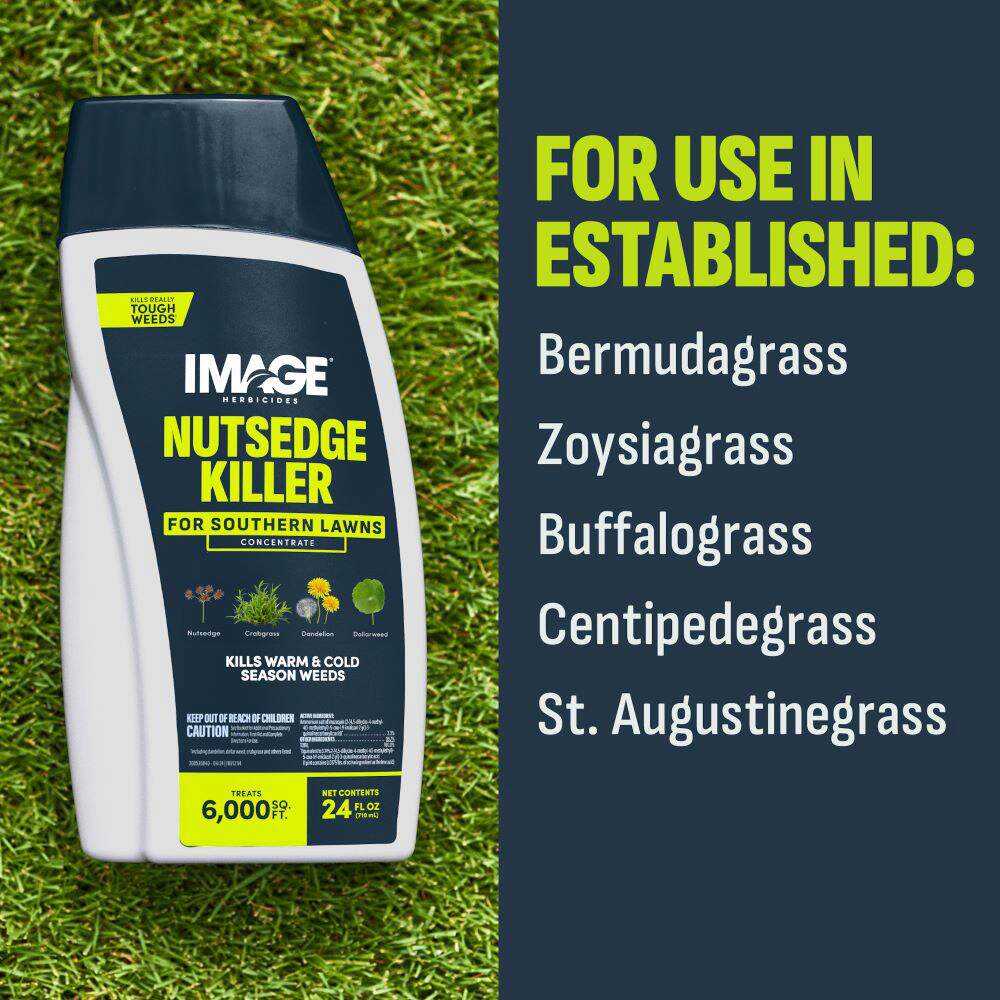
Controlling crabgrass before it establishes is essential to protect St. Augustine grass. Pre-emergent herbicides applied early in spring can prevent crabgrass seeds from sprouting.
Post-emergent herbicides are effective against existing crabgrass but must be used carefully to avoid damaging St. Augustine. Proper lawn care, such as regular mowing at the right height and watering practices, can improve St. Augustine’s resilience.
Best Practices for Lawn Maintenance
- Aerate soil: Loosening compacted soil helps roots grow stronger and resist weeds.
- Maintain healthy grass: Proper fertilization and watering keep St. Augustine vigorous.
- Adjust mowing height: Cutting at the right height (around 3 to 4 inches) fosters healthy St. Augustine growth and shade out crabgrass.
Regularly monitoring your lawn for crabgrass and acting early minimizes its impact.
Comparing Crabgrass Impact on Different Grass Types
Some grasses can handle weed invasion better than St. Augustine. For example:
| Grass Type | Resilience to Crabgrass | Reasons |
|---|---|---|
| Bermuda grass | High | Fast growth rate and aggressive root system |
| Bahia grass | Moderate | Tolerates weeds but grows slowly |
| St. Augustine | Low | Slow recovery and less competitive growth |
This comparison shows how crabgrass tends to be more disruptive to St. Augustine lawns than to other resilient grass types.
Environmental Factors Amplifying Crabgrass Damage
Environmental conditions like drought stress or improper watering make St. Augustine more vulnerable to crabgrass invasion. When the grass is weakened, crabgrass can seize the opportunity to grow rapidly.
In areas with poor soil quality or shade, crabgrass has an easier time establishing. Managing these environmental factors can help reduce the severity of crabgrass impact.
Role of Lawn Care in Reducing Crabgrass Problems
Consistent lawn care practices create a competitive environment that discourages crabgrass. Proper fertilization, irrigation, and mowing help St. Augustine grow stronger and more resistant.
Applying pre-emergent herbicides in early spring and overseeding bare patches with healthy St. Augustine sod can prevent crabgrass from becoming a major issue.
Summary of Key Points
- Crabgrass spreads quickly, outcompeting St. Augustine for sunlight and nutrients.
- It causes more damage to St. Augustine because of the grass’s slow growth and less competitive nature.
- Proper lawn maintenance and weed control methods are essential to prevent and manage crabgrass invasion.
- Environmental factors like soil health and shade influence how severely crabgrass affects St. Augustine lawns.
Maintaining a healthy, dense St. Augustine lawn is the best way to prevent crabgrass from taking over. Early intervention through weed control offers the most effective protection, ensuring your lawn remains lush and vibrant.
The SECRET To Green St. Augustine Grass
Frequently Asked Questions
Does crabgrass compete more aggressively with St. Augustine grass than with other grass types?
Crabgrass tends to grow rapidly and spreads quickly, competing strongly with St. Augustine grass for water, nutrients, and sunlight. Because St. Augustine has a dense growth habit, it can sometimes tolerate crabgrass invasion better than thinner grasses, but overall, crabgrass can still outcompete it if not controlled early. Its aggressive growth makes it a significant competitor for St. Augustine, especially during warm months when crabgrass thrives.
Are there specific conditions that make crabgrass more damaging to St. Augustine lawns?
Yes, crabgrass causes more damage to St. Augustine when conditions favor its growth, such as hot, dry weather and compacted soil. These conditions weaken St. Augustine roots, giving crabgrass an advantage. Additionally, areas with poor lawn care practices, like infrequent mowing or insufficient watering, allow crabgrass to establish and spread, further stressing the St. Augustine grass.
Can crabgrass lead to long-term damage in a St. Augustine turf if left uncontrolled?
If left unchecked, crabgrass can establish thick patches that displace St. Augustine grass and reduce the overall lawn quality. Over time, these patches can become difficult to manage, leading to a weakened turf that is more vulnerable to other weeds and pests. Early intervention helps prevent crabgrass from causing lasting damage to the health and appearance of your St. Augustine lawn.
Does the presence of crabgrass indicate that my St. Augustine lawn is unhealthy?
The presence of crabgrass doesn’t necessarily mean your St. Augustine lawn is unhealthy, but it often signals that the lawn may have underlying issues, such as poor soil health, improper watering, or inadequate mowing practices. Addressing these issues can help strengthen your turf against crabgrass invasion and improve its overall resilience.
Is crabgrass more resilient in St. Augustine lawns than in other grass varieties?
Crabgrass is hardy across many turf types, but it can be particularly persistent in St. Augustine lawns because of their warm-season growth pattern. While other grasses like Bermuda or zoysia can also be affected, St. Augustine’s dense canopy can sometimes be less effective at preventing crabgrass growth, making it more vulnerable if not properly maintained.
Final Thoughts
Crabgrass tends to compete aggressively with St. Augustine grass, often affecting its health and appearance. Its fast spread can overtake lawns if not managed early.
Since crabgrass and St. Augustine respond differently to treatments, understanding their interaction helps prevent damage. Proper lawn care and timely weed control are essential.
Does crabgrass affect St. Augustine grass more? Yes, crabgrass can cause more significant harm because of its rapid growth and competitive nature. Keeping the lawn healthy minimizes crabgrass impact and maintains a lush, thriving St. Augustine grass.