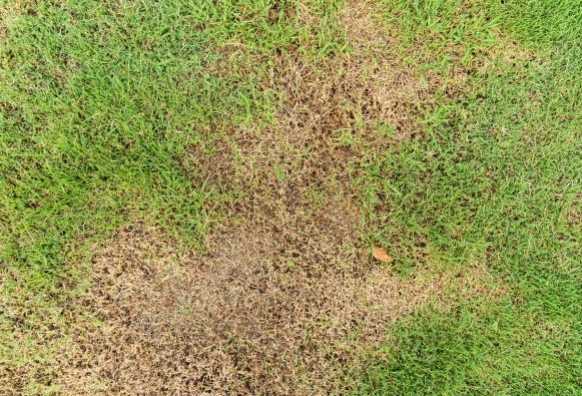
If you’re noticing unsightly brown patches marring your lush Bermuda grass, don’t worry—solutions are within reach! The quickest fix involves identifying whether your lawn’s problem stems from drought, pests, or disease, and then taking targeted action like proper watering, fertilization, or pest control. With a little attention and the right techniques, your grass can bounce back to vibrant health.
Brown spots in Bermuda grass can be caused by several factors, including last season’s stress, improper watering, pest infestations, or fungal diseases. Addressing these issues promptly with proper lawn care practices can restore your yard’s lush appearance. Understanding the root cause is key to finding an effective solution and preventing future brown patches.
Bermuda grass is a popular choice for warm climates, known for its durability and fine texture. However, it’s also susceptible to various stressors that result in unsightly brown spots. These patches can ruin the overall look of your lawn and sometimes weaken the grass if left untreated. Several common causes include drought stress, overwatering, pest damage, fungal infections, or nutrient deficiencies. Fortunately, with a proactive approach—such as adjusting watering routines, applying the right fertilizers, or managing pests—you can restore your Bermuda grass to its vibrant green state. Regular lawn maintenance and early intervention are essential to keeping your yard healthy, lush, and free from brown patches.

Understanding Brown Spots in Bermuda Grass
Bermuda grass is a popular choice for lawns because it is durable and lush. However, many homeowners notice brown spots appearing on their turf, which can be upsetting. These spots can vary in size and shape, making it important to identify their cause quickly. Recognizing the reasons behind brown spots helps you take effective steps to restore your lawn’s health and appearance.
Common Causes of Brown Spots in Bermuda Grass
Brown patches can be caused by different issues, each needing specific solutions. Understanding these causes helps you prevent future problems and maintain a healthy lawn.
1. Drought and Water Stress
Bermuda grass needs consistent watering to stay green and vibrant. If it doesn’t receive enough water, it can develop brown patches. These patches often appear during hot, dry weather, especially if watering is irregular. Over time, dried-out grass turns brown and may die if not properly hydrated.
2. Overwatering and Poor Drainage
While lack of water causes dryness, overwatering can also harm Bermuda grass. Excess water can drown roots and lead to root rot. This creates brown patches that may sometimes be surrounded by healthy grass. Proper drainage and watering practices are essential to avoid this problem.
3. Fungal Diseases
Several fungal issues cause brown spots on Bermuda grass. Common diseases include **Brown Patch**, **Dollar Spot**, and **Gray Leaf Spot**. These fungi thrive in warm, humid conditions and infect the grass, leading to visible brown patches with sometimes fuzzy or fuzzy-looking edges.
4. Insect Infestations
Insects like grubs, chinch bugs, and armyworms can damage Bermuda grass roots or blades. Their feeding creates weakened areas that turn brown and die. You might notice insects on the grass or in the soil when inspecting affected patches.
5. Lawn Fertilization Problems
Applying fertilizer improperly can cause stress to Bermuda grass. Over-fertilizing, especially with high nitrogen levels, can burn the grass, creating brown patches. Conversely, a lack of nutrients also weakens the grass, making it more susceptible to damage and disease.
6. Damage from Mechanical Stress
Heavy foot traffic, mowing, or equipment on your lawn can physically damage Bermuda grass, leading to brown spots. These areas often have flattened or torn grass blades and may be associated with compacted soil.
How to Diagnose Brown Spots in Bermuda Grass
Proper diagnosis is critical before treatment. Here are steps to identify what caused the patches.
Examine the Size and Shape
Notice whether patches are circular, irregular, or follow a pattern. Fungal spots tend to be circular and fuzzy, while insect damage may be irregular with visible insects or larvae.
Check the Grass Texture and Color
Look for areas with dry, brown, or blackened blades. Soft, sunken patches suggest root rot, while stiff, dry patches may indicate drought stress.
Inspect the Soil and Roots
Use a trowel to gently lift the grass in affected areas. Roots should be white and firm. Dark or rotting roots point to fungal problems, while chewed roots suggest insect activity.
Monitor Environmental Conditions
Record recent weather patterns, watering schedules, and mowing practices. High humidity and hot weather often correlate with fungal diseases.
Effective Treatments for Brown Patches in Bermuda Grass
Once you’ve identified the cause, the following treatments can help restore your lawn.
Proper Watering Techniques
– Water deeply and infrequently to promote deep root growth.
– Aim for at least 1 to 1.5 inches of water weekly.
– Avoid watering during the hottest parts of the day to reduce evaporation.
– Ensure your lawn has good drainage to prevent water pooling.
Fungal Disease Control
– Apply fungicides specifically designed for Bermuda grass diseases.
– Follow label instructions regarding dosage and frequency.
– Remove and discard infected grass to prevent spreading.
– Improve airflow around grass by trimming overgrown shrubs or removing debris.
Insect Management
– Use appropriate insecticides targeting specific pests like grubs or chinch bugs.
– Apply treatments early before insect populations grow.
– Maintain healthy, vigorous grass to resist insect damage.
Fertilizer and Soil Care
– Conduct soil tests to determine nutrient deficiencies.
– Apply balanced fertilizer with proper nitrogen, phosphorus, and potassium levels.
– Avoid over-fertilizing, especially in hot weather.
– Aerate compacted soil to enhance nutrient absorption and root growth.
Repairing Mechanical Damage
– Limit foot traffic on damaged areas until grass recovers.
– Reseed or sod patches with healthy Bermuda grass.
– Use lawn repair mixes and ensure proper watering after planting.
Preventative Measures to Keep Bermuda Grass Healthy
Prevention is always better than cure. Use these tips to avoid brown spots in the future.
Consistent Lawn Maintenance
– Mow at the proper height, usually 1.5 to 2 inches.
– Keep mower blades sharp for clean cuts.
– Remove thatch buildup, which can harbor pests and fungi.
Seasonal Lawn Care
– Aerate your lawn annually to reduce soil compaction.
– Overseed bare or thin patches in spring or early summer.
– Adjust watering and fertilization based on seasonal needs.
Monitor and Address Problems Early
– Regularly inspect your lawn for signs of pests or disease.
– Fix problems as soon as they appear to prevent widespread damage.
– Keep records of treatments to optimize future care.
Environmental Practices
– Reduce use of chemical fertilizers and pesticides.
– Use organic compost to improve soil health.
– Water early in the morning to minimize disease conditions.
Additional Topics Related to Bermuda Grass Health
Enhancing your knowledge about Bermuda grass maintenance can help prevent brown spots and promote a thriving lawn.
Choosing the Right Bermuda Grass Variety
Some Bermuda grass types are more resistant to disease and pests. Consult with local lawn care experts to select the best variety for your region.
Role of Soil pH and Drainage
Maintaining proper soil pH (around 6.0 to 7.0) helps nutrients absorb better. Improving drainage prevents waterlogging, which can cause root rot.
Use of Organic and Natural Products
Opt for organic fertilizers and pest control options to reduce chemical buildup and keep your lawn eco-friendly.
Seasonal Lawn Care Tips
Adjust your lawn care routines with the changing seasons for optimal health. For example, fertilize in spring and fall and reduce watering in winter.
Professional Lawn Care Services
In difficult cases, consider hiring lawn care professionals who have experience diagnosing complex issues. They can provide tailored solutions for your Bermuda grass.
By understanding the root causes of brown spots and following proper care practices, you can nurture a lush, green Bermuda grass lawn. Regular maintenance, early problem detection, and appropriate treatments are key to keeping your yard healthy and beautiful.
Why your Bermuda Grass turns brown after you cut it // Browning Lawn after mowing
Frequently Asked Questions
What are common causes of brown spots in Bermuda grass during summer?
Brown spots often appear in Bermuda grass during hot summer months due to heat stress. When temperatures soar, the grass loses water faster than it can absorb it, leading to dehydration and brown patches. Poor watering practices, such as infrequent deep watering, can exacerbate this issue. Additionally, excessive foot traffic can damage the turf, making it more susceptible to stress and discoloration. Other factors include nutrient deficiencies, especially nitrogen, and pest infestations that weaken the grass, resulting in uneven brown patches.
How can overwatering or underwatering affect Bermuda grass health and cause brown spots?
Overwatering can suffocate the roots by filling air pockets in the soil, which leads to root rot and brown patches. It also encourages fungal growth, which causes further damage. Underwatering, on the other hand, deprives the grass of necessary moisture, causing dehydration and the appearance of brown patches. Maintaining a consistent watering schedule that ensures deep, infrequent watering helps keep the roots healthy and prevents the formation of brown spots due to moisture stress.
What role do pests and diseases play in the development of brown spots in Bermuda grass?
Pests like armyworms, grubs, and chinch bugs feed on Bermuda grass, creating damaged areas that turn brown. Fungal diseases such as dollar spot, brown patch, and large patch also cause brown patches on the turf. These infections typically develop in warm, humid conditions and can spread rapidly if not treated promptly. Proper identification, combined with targeted treatments like appropriate fungicides and pest control measures, helps stop their progression and restores lawn health.
How can soil health influence the appearance of brown spots in Bermuda grass?
Healthy soil with proper aeration and balanced pH levels supports strong root growth and nutrient uptake. Poor soil drainage can lead to waterlogging, which suffocates roots and promotes fungal infections, resulting in brown patches. Conversely, compacted soil restricts root growth and water penetration, making grass more vulnerable to stress and discoloration. Regular soil testing and amendments improve overall soil health, helping Bermuda grass resist stress and prevent brown spots.
What management practices can minimize the chances of brown spots appearing on Bermuda turf?
Implementing proper mowing techniques, like keeping the grass at the recommended height, helps reduce stress. Water deeply and infrequently to promote deep root growth, and avoid watering during the hottest parts of the day. Aerating the soil periodically improves airflow and nutrient absorption. Applying fertilizers according to soil test results ensures the grass receives necessary nutrients. Lastly, managing pests and diseases early with appropriate treatments prevents brown spots from spreading and keeps the lawn healthy.
Final Thoughts
Brown spots in bermuda grass often indicate underlying issues such as pests, disease, or inadequate watering. Properly diagnosing the cause helps in applying targeted treatments. Regular lawn maintenance and proper watering keep the grass healthy and vibrant. Addressing these factors promptly restores the beauty of your bermuda grass and prevents further damage.