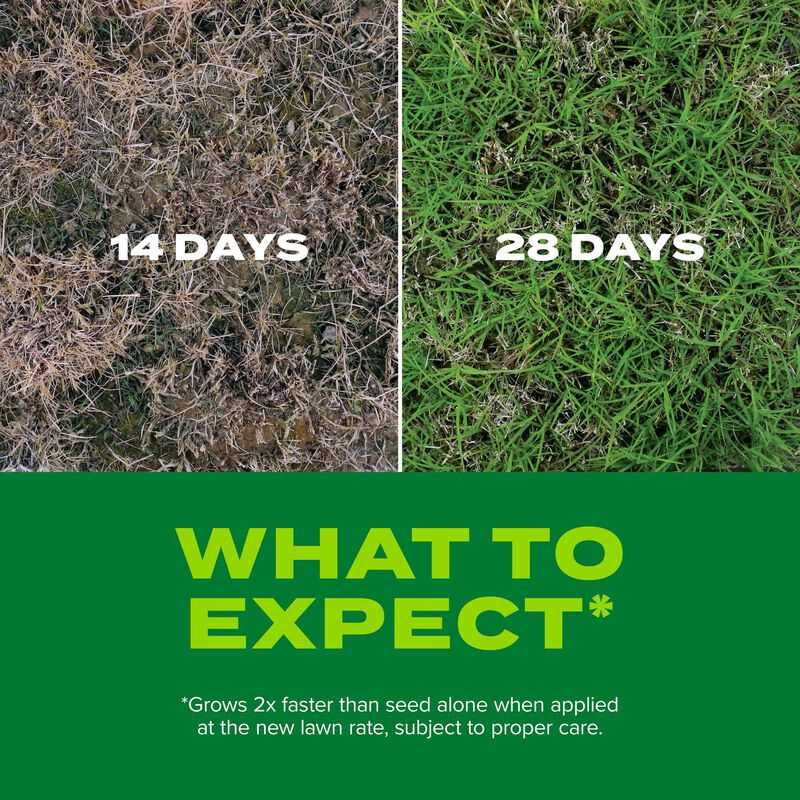
Bermuda grass can start sprouting as quickly as 5 to 7 days after planting under optimal conditions. If you’re eager to see your lawn come to life, knowing what to expect can make the wait more manageable. Typically, once seeds are sown and the soil is warm and moist, you’ll see green shoots emerging within about a week to ten days. However, factors like soil temperature, moisture, and seed quality play a significant role in the germination speed. On average, Bermuda grass seeds take around 7 to 14 days to sprout, but patience is key as full establishment may take several weeks. Understanding these timelines helps you plan your lawn care routine to promote healthy, quick growth.
Bermuda grass generally takes about a week to two weeks to sprout, depending on environmental conditions. With proper soil temperature, moisture, and seed quality, you can expect to see your new lawn begin to grow within this timeframe. Early germination is a sign that your grass is setting roots, which is crucial for healthy development. Patience is essential, but with the right care, your Bermuda grass can establish quickly and turn your yard into a lush, green space in no time.

How Long Does It Take Bermuda Grass to Sprout?
Understanding the time it takes for Bermuda grass to sprout helps homeowners and landscapers plan their lawns effectively. Generally, Bermuda grass seeds have a specific germination period that varies depending on several factors. Knowing this timeline ensures proper care and expectations during lawn establishment or renovation projects.
Basic Germination Timeline for Bermuda Grass
Under optimal conditions, Bermuda grass seeds typically sprout within 7 to 14 days after planting. This means you can expect to see the first signs of growth roughly one to two weeks after seeding. However, this timeline can be influenced by temperature, soil moisture, and seed quality.
Optimal Temperature Range for Germination
Bermuda grass seeds germinate best in warm weather. The ideal soil temperature for sprouting is between 65°F and 75°F. If the temperature falls below or rises above this range, germination may be delayed or inconsistent.
Impact of Soil Moisture
Consistent moisture in the soil is essential for Bermuda grass seed sprouting. Moist soil helps activate the seed’s growth process. Keep the soil evenly moist but not waterlogged for the best results, especially during the first two weeks after planting.
Factors Influencing How Quickly Bermuda Grass Sprouts
Several elements can accelerate or slow down Bermuda grass seed germination. Understanding these factors allows you to create the ideal environment for quick sprouting.
Seed Quality and Freshness
High-quality, fresh seeds have better germination rates. Old or low-quality seeds may take longer to sprout, or they may not sprout at all. Always choose reputable seed suppliers for the best results.
Soil Preparation and Condition
Preparing the soil properly boosts germination speed. A well-tilled, aerated, and nutrient-rich soil with good drainage encourages seed contact and growth. Removing weeds and debris also prevents competition during the sprouting phase.
Planting Depth
Plant Bermuda grass seeds at a depth of about 1/4 inch to 1/2 inch. Planting too deep can hinder sprouting, while too shallow planting risks seed displacement. Proper planting depth ensures the seed’s protection and access to soil warmth.
Steps to Promote Faster Bermuda Grass Sprouting
Following specific steps during planting can help you achieve quicker germination and establish a lush lawn efficiently.
Choose the Right Time to Plant
Spring and early summer are the best times for Bermuda grass seeding. Warm soil temperatures during these seasons promote faster germination. Avoid seeding during cold weather, which can delay sprouting.
Prepare the Soil Thoroughly
Start by removing weeds, rocks, and debris from the area. Cultivate the soil to a depth of about 4 to 6 inches to improve aeration. Incorporate compost or starter fertilizer to supply nutrients for young seedlings.
Proper Seeding Techniques
Distribute the seed evenly across the prepared soil using a seed spreader or by hand. Lightly rake the seeds into the soil to ensure good seed-to-soil contact. Avoid sowing too densely to reduce competition and improve germination chances.
Watering Practices During Germination
Maintain consistent soil moisture by watering lightly and frequently during the first two weeks. It’s crucial to prevent the soil from drying out, which can halt germination. Once seedlings appear, reduce watering frequency but increase the amount of water per session.
Common Challenges That Delay Bermuda Grass Sprouting
Being aware of potential problems helps in troubleshooting slow or failed germination attempts. Recognizing these issues early can save time and effort.
Incorrect Temperature Conditions
If soil temperatures are too low, germination can be delayed by several days or weeks. Conversely, excessively high temperatures might cause seedling stress and uneven sprouting.
Insufficient or Excessive Watering
Too little water can prevent seeds from activating, while too much can lead to rot or fungal diseases. Maintaining proper moisture levels is vital for healthy sprouting.
Poor Soil Quality
Compacted, nutrient-poor, or overly sandy soils may hinder seed germination. Improving soil with organic matter and ensuring proper pH balance can enhance sprouting success.
Additional Tips for Successful Bermuda Grass Germination
To optimize your Bermuda grass seeding project, consider these expert tips that contribute to faster and more uniform sprouting.
Use of Seed Starters or Germination Mats
Applying seed starters or germination mats helps retain moisture and keeps the soil temperature consistent. This method can slightly speed up germination time.
Applying a Light Layer of Soil Cover
Lightly covering the seeds with a thin layer of soil ensures protection and maintains warm temperatures. Avoid burying seeds too deep, as this can retard sprouting.
Regular Monitoring and Adjustment
Check the soil regularly for moisture levels and adjust watering as needed. Look for signs of germination, like tiny green shoots, to gauge progress and make timely interventions.
Summary of Germination Timeline and Key Factors
| Factor | Effect on Germination Time |
|---|---|
| Soil Temperature | Optimal (65°F – 75°F): 7-14 days; outside this range: longer |
| Soil Moisture | Consistent moisture speeds up germination; irregular watering delays it |
| Seed Quality | High-quality seeds sprout faster and more uniformly |
| Planting Depth | Proper depth (1/4 to 1/2 inch): quicker sprouting; too deep or shallow causes delays |
| Seeding Time | Spring and early summer: best; cold seasons delay sprouting |
Recognizing these key factors helps you prepare your lawn for successful Bermuda grass sprouting. By controlling environmental conditions and following best planting practices, you can expect to see healthy sprouts emerge within the typical 7 to 14 days window.
How Long Does Bermuda Grass Seed Take To Grow? – The Plant Enthusiast
Frequently Asked Questions
How quickly does Bermuda grass begin to show signs of growth after planting?
Typically, Bermuda grass starts showing noticeable growth within 7 to 14 days after planting, especially when environmental conditions such as warmth, moisture, and sunlight are favorable. Consistent watering and proper soil preparation can help speed up this process.
What factors influence the time it takes for Bermuda grass to sprout?
The germination period for Bermuda grass depends largely on soil temperature, moisture levels, and the quality of the seeds. Optimal soil temperatures between 65°F and 75°F (18°C to 24°C) promote quicker sprouting, while inadequate watering or poor seed quality can delay emergence.
Can you accelerate Bermuda grass germination with specific practices?
Yes, you can encourage faster germination by maintaining even soil moisture, ensuring the soil is well-prepared and lightly aerated, and planting during the warm season. Using a starter fertilizer rich in phosphorus can also support healthier root development and faster sprouting.
How long does it typically take for Bermuda grass to establish a full, thick coverage?
While initial sprouting occurs within two weeks, achieving a dense and uniform lawn usually takes about 6 to 8 weeks under ideal growing conditions. Patience and proper lawn care practices help ensure healthy establishment.
Final Thoughts
Bermuda grass typically takes about 7 to 21 days to sprout, depending on environmental conditions. Warm soil temperatures and adequate moisture speed up germination.
Proper preparation and consistent watering ensure healthy growth from the start.
In summary, how long does it take Bermuda grass to sprout? Usually, it appears within a few weeks, making it essential to maintain suitable conditions for optimal growth.