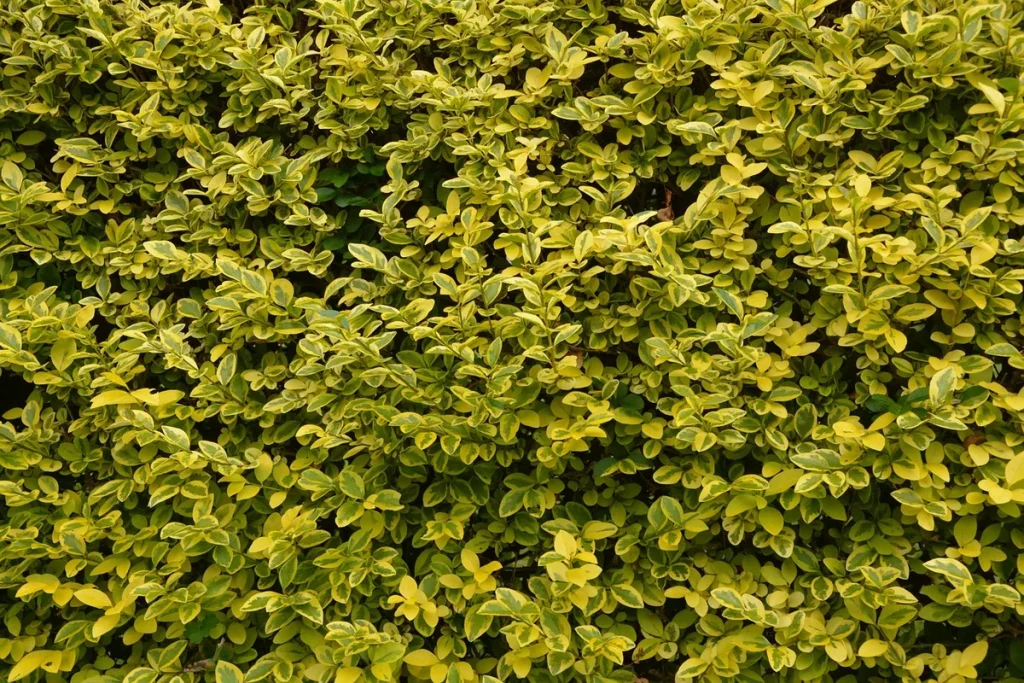
Getting the best time to trim privet hedge right makes the difference between a thick, tidy screen and a patchy, struggling one. Cut too early and frost can scorch fresh shoots. Cut too late and you risk disturbing nesting birds or missing the window for strong regrowth.
The answer isn't a single date on the calendar, it depends on your hedge's condition, your climate, and what you're trying to achieve.
In our research, the Royal Horticultural Society's pruning guidance for Group 2 shrubs, which includes most Ligustrum species, points to a clear pattern: light maintenance cuts during the active growing season and hard renovation work during late-winter dormancy. That framework covers most situations, but the details matter. Let's walk through exactly when and why.
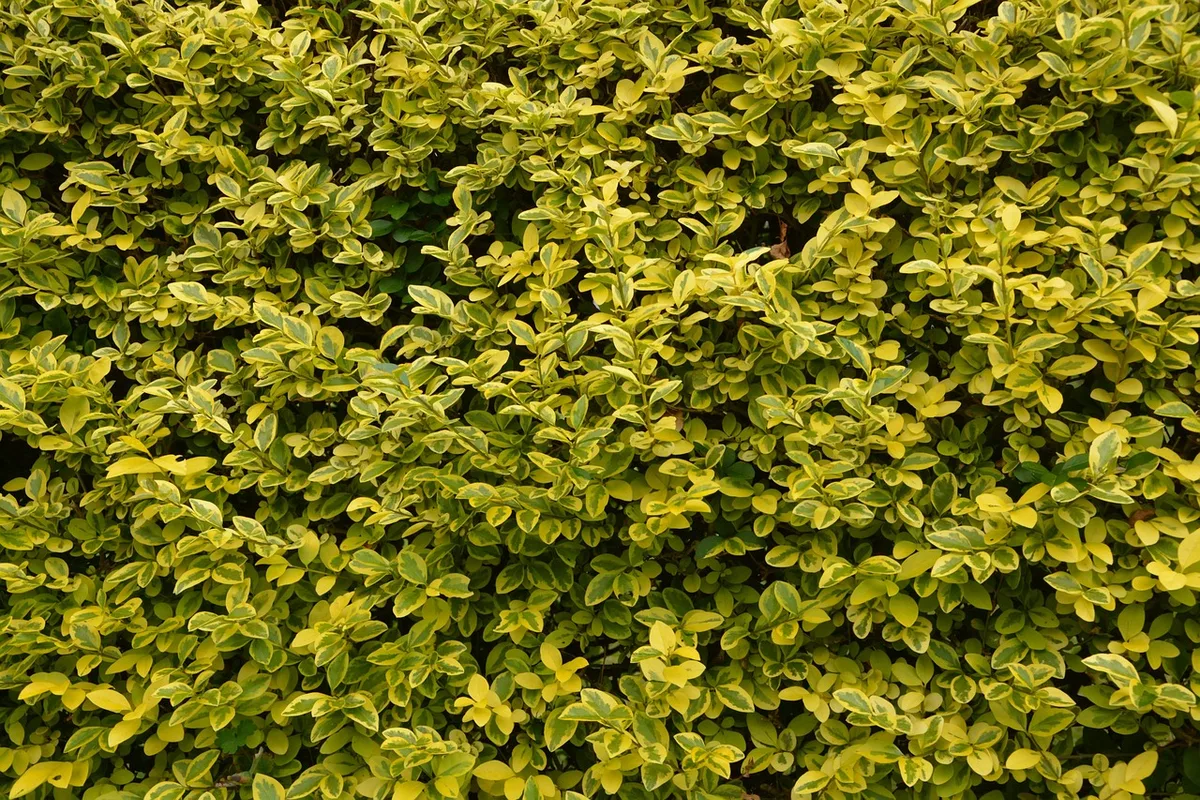
Image source: Pixabay / JACLOU-DL (Pixabay Content License)
Quick Answer: Best Times to Trim a Privet Hedge
For routine maintenance, trim privet hedges two to three times during the growing season, typically from late May through September in the UK. For hard renovation pruning of overgrown hedges, cut back in late February or March while the plant is still dormant. Avoid heavy cuts after September so new growth has time to harden before winter frost.
Always check for active bird nests before cutting between March and August.
Why Timing Matters When Trimming a Privet Hedge
Privet is forgiving compared with a lot of hedging plants, but it's not indestructible. The timing of your cut directly affects how quickly it recovers, how dense the regrowth is, and whether you accidentally cause long-term damage.
Cut during the wrong window and you risk three main problems. First, frost damage: a late-autumn trim encourages soft new growth that hasn't had time to toughen up, and a hard frost can kill those shoots back to the older wood. Second, poor regrowth: privet pushes out fresh shoots most vigorously when it's actively growing, so a dormant-season maintenance cut will sit there looking bare for weeks.
Third, legal issues: in the UK, the Wildlife and Countryside Act 1981 makes it an offence to intentionally damage or destroy the nest of any wild bird while it's in use, and that covers a lot of hedges between March and August.
Get the timing right and privet responds fast. It's one of the quickest-recovering hedging species, which is exactly why it's been a go-to for boundary hedges across the UK and temperate zones for over a century.
How Privet Grows, and Why It Affects When You Cut
Understanding the growth cycle makes the timing logic obvious once you see it.
Privet (most commonly Ligustrum ovalifolium, the garden privet) puts on the bulk of its new growth between April and August in the UK climate. New shoots emerge from buds along the previous year's wood and from the base of the plant. Those shoots are soft and pale at first, then gradually harden and darken through late summer and autumn.
The plant enters dormancy as day length shortens and temperatures drop, usually from November through February. During dormancy, growth stops and the plant's energy is stored in the roots and older wood. This is the safest window for hard pruning because the plant isn't actively growing, so the shock is lower and there's no tender new foliage at risk.
Flowering adds another variable. Privet produces small white blooms on the current season's growth, typically in July and August. If you want those flowers (and the wildlife they support), you need to let the new shoots develop undisturbed through spring.
If you're running a formal, tightly clipped hedge, you'll be removing those flower buds with each trim anyway.
The key takeaway: light cuts during active growth, hard cuts during dormancy, and always give new growth enough time to harden before the first frost.
Maintenance Trimming: When and How Often
This is the routine clipping that keeps a privet hedge looking sharp. If your hedge is already in good shape and you just want to maintain its form, here's the schedule that works.
First trim: late May or early June. By this point, the spring flush of growth has given you fresh shoots to shape, but the plant still has months of growing season ahead to fill back in. In colder inland areas, wait until after the average last-frost date, which for much of the UK lowlands falls around mid-April to mid-May.
Second trim: late July or August. This keeps the hedge tidy through the peak of summer. If you're in a warmer region or the hedge is growing fast, you might need this cut a few weeks earlier.
Optional third trim: early September. One more light pass to carry the hedge into autumn looking neat. Don't push this later. You want at least six to eight weeks between the last trim and the average first-frost date so the final flush of growth can harden off.
| Trim | Typical Timing (UK) | What to Cut |
|---|---|---|
| First | Late May to early June | Light shaping, remove 2-4 cm of new growth |
| Second | Late July to August | Neaten sides and top, same light approach |
| Third (optional) | Early September | Final tidy, stop here for the year |
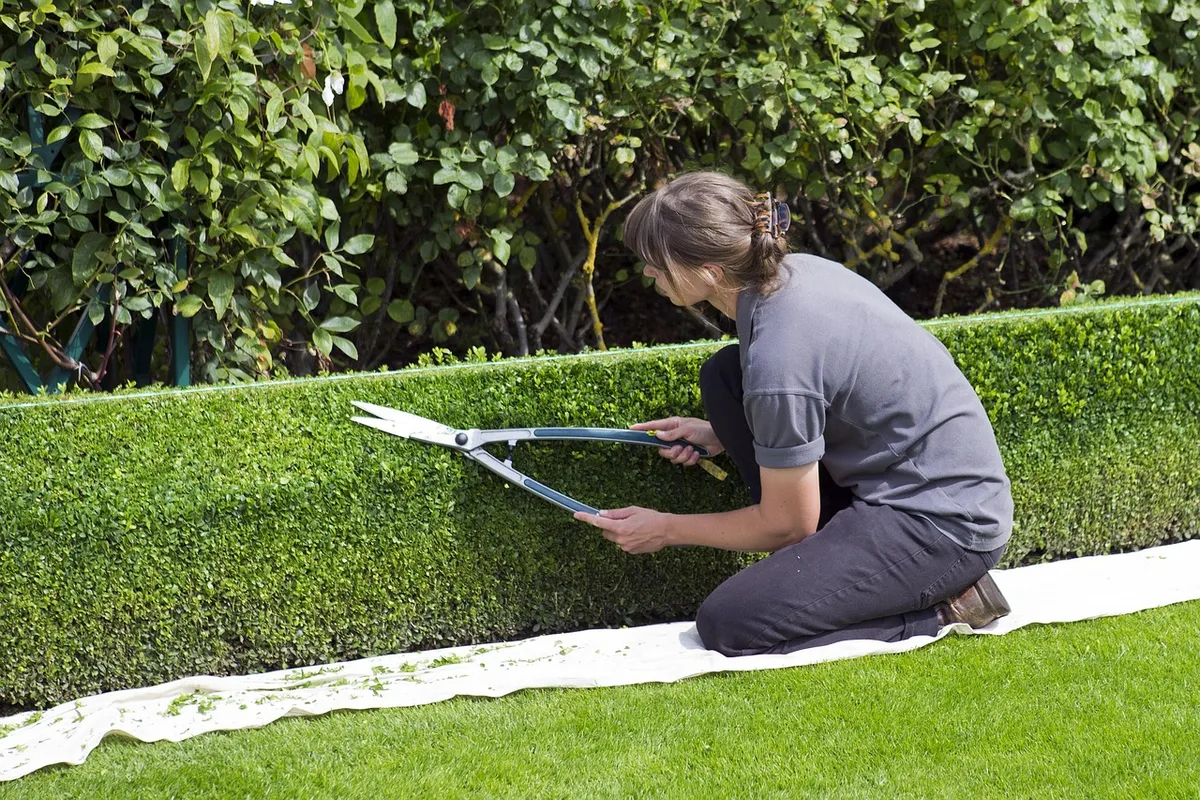
Image source: Pixabay / RonPorter (Pixabay Content License)
Aim to remove only the current season's soft growth each time. Cutting back into older, leafless wood during the growing season can leave bare patches that take a full season to fill in. If the hedge has got away from you and you're looking at brown wood, that's a renovation job, not a maintenance trim, and the timing rules change completely.
Hard Renovation Pruning: When to Cut Back an Overgrown Privet
If your privet has become leggy, bare at the base, or wildly out of shape, maintenance trimming won't fix it. You need to cut it hard, sometimes right down to 15-30 cm above ground level. Privet handles this better than almost any other hedging species, but the timing is critical.
The best window is late February to early March in the UK. The plant is still dormant, so the shock of hard pruning won't interrupt active growth. But spring is close enough that the plant will break bud and push out new shoots within weeks rather than months.
Here's why not to do this in deep winter. A hard prune in December or January leaves open, cut stems exposed to the worst of the cold for months. The plant's stored energy is at its lowest ebb, and regrowth can be slow and uneven.
By late February, the roots are starting to activate and the plant is primed to respond.
Staged renovation for very large hedges. If your privet is tall and wide, cutting everything at once can look brutal and puts a lot of stress on the plant. A common approach is to cut one side hard in year one, let it recover over that growing season, then cut the other side the following February or March. The intact side continues to feed the root system while the pruned side regenerates.
After a hard renovation cut, water the base if the spring is dry and apply a general-purpose fertiliser to support the burst of new growth. Expect 30-60 cm of regrowth in the first season, sometimes more on vigorous plants in good soil.
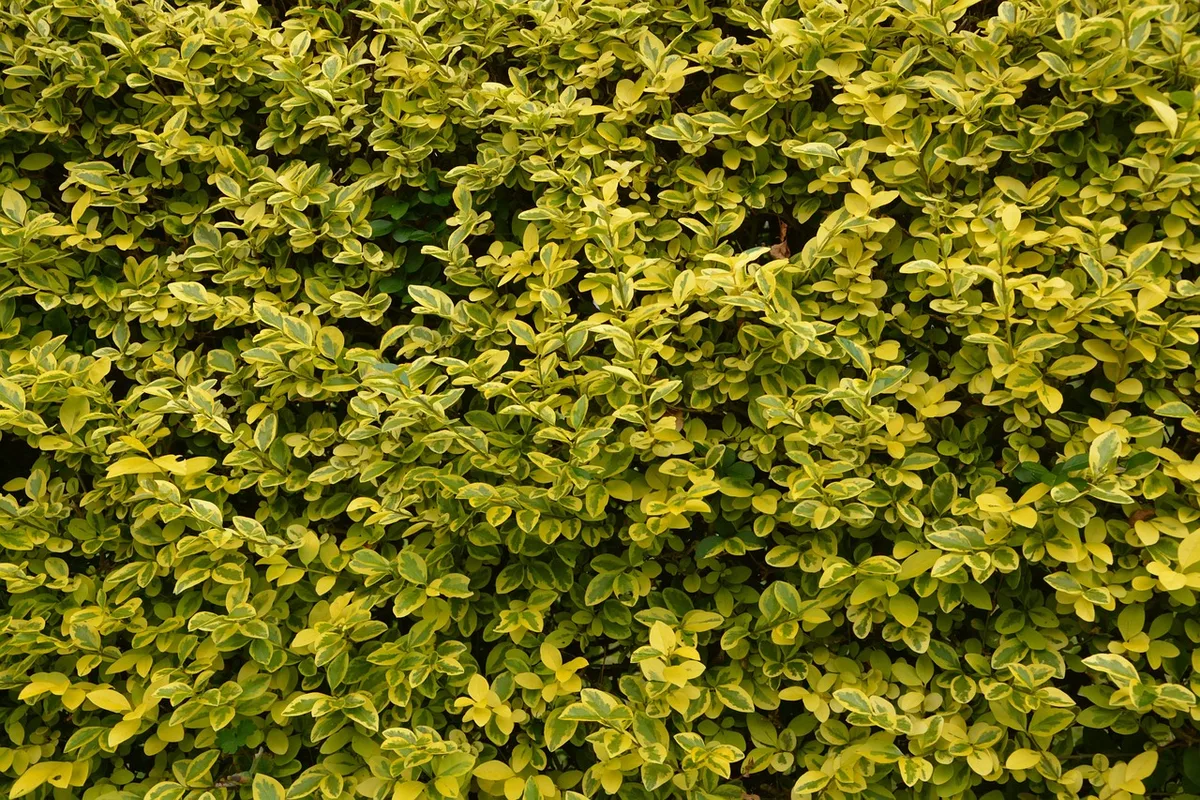
Image source: Pixabay / JACLOU-DL (Pixabay Content License)
Climate, Frost Dates, and Your Region
The calendar dates above assume a typical UK maritime climate. If you're elsewhere, you need to adjust based on your local frost dates, and that adjustment matters more than most people realise.
In the UK, the average last frost falls between mid-April in southern lowlands and late May in upland Scotland and northern England. First frost typically arrives between late October and November. That gives a working growing season of roughly April to September, which lines up with the maintenance-trimming window described earlier.
For US readers, privet grows in USDA hardiness zones 5 through 8, though some cultivars push into zone 9. In zone 5 (think parts of Nebraska or upstate New York), your last frost might not arrive until mid-May. Push your first trim to June.
In zone 7 or 8 (the Mid-Atlantic, Pacific Northwest), you can start in April and potentially fit in a fourth trim before autumn.
Southern Hemisphere timing flips everything. South Africa, southern Australia, and New Zealand should aim for maintenance cuts from October through February, with hard renovation pruning in August or early September. The logic stays the same, dormant season for hard cuts, active growth for light trims.
Exposed coastal or hilltop sites deserve special mention. Salt-laden wind and frost pockets can delay spring growth by two to three weeks compared to a sheltered garden just a few miles inland. If your hedge faces north or sits in a frost hollow, give it an extra couple of weeks before that first spring trim.
Nesting Birds and Legal Considerations
This is the one area where getting the timing wrong can land you in actual trouble, not just with a scruffy hedge.
Under the UK Wildlife and Countryside Act 1981, it is an offence to intentionally take, damage, or destroy the nest of any wild bird while it is in use or being built. Nesting season for most UK hedgerow birds runs from March through August, with peak activity in April, May, and June.
Practically, this means you should inspect your privet thoroughly before every cut during that window. Look for signs of activity: birds flying in and out, low alarm calls, or visible nest structures woven into the branches. The RSPB recommends cutting in short sections and checking as you go rather than powering through the whole hedge at once.
If you find an active nest, stop cutting that section and come back after the young have fledged. For most small garden birds, the nesting cycle from egg-laying to fledging takes about four to five weeks.
Formal hedges that are trimmed on a fixed schedule sometimes miss the nesting season entirely if the last autumn cut is tidy and the first spring cut waits until June. It's one argument for a slightly later first trim. You get neat results and stay on the right side of the law.
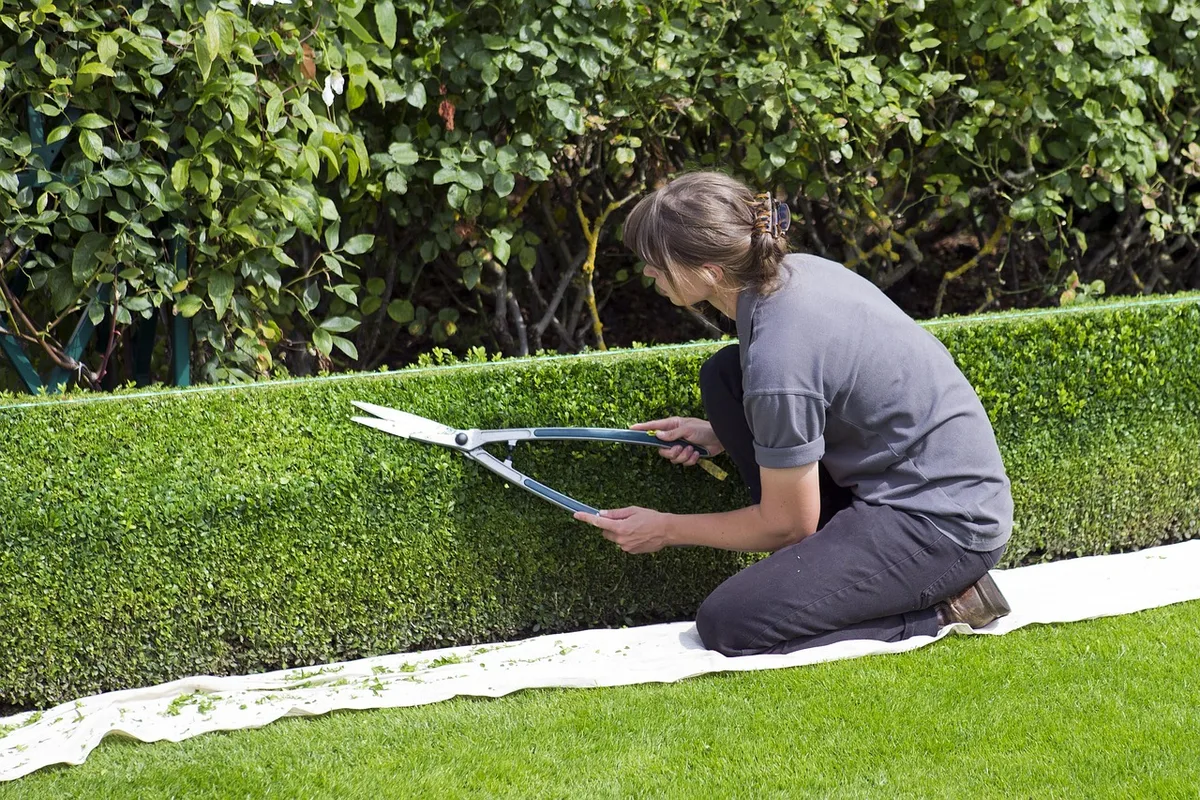
Image source: Pixabay / RonPorter (Pixabay Content License)
Formal vs. Informal Privet, Different Timing Rules
Not all privet hedges are managed the same way, and the look you're going for changes the timing.
Formal privet hedges are the tightly clipped, geometric boundaries you see lining driveways and front gardens. These need two to three cuts per growing season as covered in the maintenance section. Some very neat, low box-style privet hedges get even more, up to four or five light trims from May through September, but that's more common in show gardens than real life.
Informal privet hedges are left to grow more freely, with flowers allowed to develop in summer. These only need one cut per year, and the timing is more flexible. A single trim in late winter (February to March) keeps them in rough shape, or you can cut after flowering in September if you want to enjoy the blooms.
The trade-off is a looser, more natural look that supports more wildlife.
Mixed hedgerows containing privet alongside hawthorn, blackthorn, or field maple should be cut on a two to three year rotation, trimming only one section each year. This ensures some part of the hedge always has fruit, flowers, and nesting cover. For the privet sections, follow the same timing rules but apply them on that rotational basis.
The bottom line: if you want razor-sharp lines, trim often in the growing season. If you want wildlife value and a softer look, once a year is plenty.
Step-by-Step: How to Trim Your Privet Hedge the Right Way
Assuming you've picked the right time based on everything above, here's the actual process.
Step 1: Check for nesting birds. Run your eye along the hedge length. Listen for alarm calls. If you see or hear activity, come back in a few weeks.
Step 2: Set your cutting line. For the sides, stretch a string line between two canes at the angle you want. A slight batter (wider at the base than the top) lets light reach the lower branches and prevents the hedge from going bare at the bottom over time.
Step 3: Trim the sides first. Work from the bottom up using long, sweeping strokes with a hedge trimmer, or cut by hand with shears if the hedge is small. Keep the tool blades parallel to the hedge face rather than angling in, which creates uneven dips.
Step 4: Cut the top last. Use a string line at the desired height as a guide. A flat top is standard, but a slightly rounded or tapered top sheds rain better and reduces snow damage in colder areas.
Step 5: Clear the clippings. Rake up cut material from the base. A thick mat of privet leaves suppresses new growth from the bottom and can encourage fungal issues.
Step 6: Feed and water if needed. After a maintenance trim, most established privet won't need anything extra. After hard renovation pruning, a balanced granular fertiliser and a good watering during dry spells will speed recovery.
For tool choice, hand shears give the cleanest finish on small hedges. Powered hedge trimmers (electric or petrol) save time on longer runs. RHS guidance notes that blade lengths of 45 to 75 cm cover most domestic hedges.
Always wear eye protection and gloves with powered tools, and use an RCD with electric trimmers.
Privet vs. Other Common Hedge Types, Timing Compared
Privet is more forgiving than most, which is one reason it's so widely planted. Here's how its timing stacks up against other popular hedging species.
Box (Buxus sempervirens) needs lighter, more frequent trimming. Two to three cuts from late May to September, similar to privet. The key difference: box is slower to recover from hard pruning and is best renovated in late spring rather than winter, as box blight risk increases on winter-cut wood.
Yew (Taxus baccata) is the opposite extreme. It tolerates hard pruning at almost any time, but the best window is still late winter. Maintenance trimming is once a year in late August or September.
Yew regrows from bare old wood, which privet generally won't do, so yew is more forgiving of neglect.
Beech (Fagus sylvagus) holds its dead leaves through winter, which is part of its appeal. Trim once a year in August. Cutting earlier removes the developing leaf cover; cutting later risks knocking off the retained winter leaves.
Hornbeam (Carpinus betulus) is similar to beech but slightly more vigorous. One trim in late summer, or two if you want a very formal finish. It responds well to hard renovation in late winter, much like privet.
Laurel (Prunus laurocerasus) is pruned differently because of its large leaves. Cut individual branches with secateurs rather than shearing, which shreds the foliage. One trim after flowering in late spring, with a second light tidy in late summer if needed.
| Species | Maintenance Trims/Year | Best Hard Prune Time |
|---|---|---|
| Privet | 2-3 (May-Sep) | Late Feb-Mar |
| Box | 2-3 (May-Sep) | Late May-Jun |
| Yew | 1 (Aug-Sep) | Late Feb-Mar |
| Beech | 1 (Aug) | Late Feb-Mar |
| Hornbeam | 1-2 (Aug-Sep) | Late Feb-Mar |
| Laurel | 1-2 (May-Aug) | Apr-May |
Privet's advantage is speed of recovery and tolerance for frequent cutting. Its disadvantage is that it can become leggy and bare at the base faster than yew or hornbeam if neglected. Stay on top of the annual trim cycle and it'll reward you with dense, reliable coverage for decades.
Common Mistakes When Trimming Privet (and How to Avoid Them)
The most frequent error is cutting too late in the season. A trim in October or November encourages soft new growth that won't survive the first hard frost. Stick to the September cutoff for your final pass.
Another common mistake is cutting into bare, leafless wood during the growing season. Unlike yew, privet won't reliably regenerate from old wood. If you've let it go and the interior branches are bare, that's a renovation job, not a maintenance trim.
Cut back to where you still see live buds or green growth.
Using blunt tools is a quieter problem. Ragged cuts heal slowly and create entry points for disease. Sharpen your shears or trimmer blades at the start of each season and oil them after every use.
Finally, avoid trimming in wet conditions. Damp foliage spreads fungal spores more easily, and wet wood is harder to cut cleanly. Wait for a dry day if you can.
Expert Tips for a Healthier, Denser Privet Hedge
Feed your privet in early spring with a balanced granular fertiliser. A healthy, well-fed hedge responds to trimming with thicker, more vigorous regrowth.
Water during prolonged dry spells, especially in the first two years after planting and after hard renovation pruning. Privet is drought-tolerant once established, but stress from dry soil slows recovery.
Trim to a slight batter, wider at the base than the top. This shape lets sunlight reach the lower branches and prevents the bare-legged look that plagues so many neglected hedges.
If your hedge is thin at the bottom, cut the sides hard one year and let the top grow. The following year, reverse it. Alternating the stress encourages even regrowth throughout the plant.
Frequently Asked Questions
Can you cut privet in winter?
Light maintenance trimming in winter is not ideal because the plant won't regrow until spring, leaving it looking bare. However, hard renovation pruning in late February or early March, while the plant is still dormant, is the recommended approach for overgrown hedges.
How many times a year should you trim a privet hedge?
For a formal hedge, two to three times during the growing season (May to September) keeps it looking sharp. Informal hedges that are allowed to flower only need one cut per year, either in late winter or after flowering in autumn.
What happens if you cut privet too late in the year?
A late trim encourages tender new growth that hasn't had time to harden before winter frost arrives. That soft growth can die back, leaving brown, damaged shoots that take until mid-spring to recover.
Can privet recover from being cut back hard?
Yes. Privet is one of the most forgiving hedging species for hard pruning. Cut it back to 15-30 cm above ground level in late February or March and expect 30-60 cm of regrowth in the first season, with full recovery within two to three years.
Is it illegal to trim a privet hedge when birds are nesting?
Under the Wildlife and Countryside Act 1981 in the UK, it is an offence to intentionally damage or destroy an active bird's nest. Always check for nesting activity before cutting between March and August. If you find a nest, leave that section and return once the young have fledged.
Final Decision Guide: When Should YOU Cut Your Privet Hedge?
Here's a quick decision framework based on everything covered above.
If your hedge is in good shape and you want to maintain it: Trim two to three times between late May and early September. Stop by early September to let new growth harden before winter.
If your hedge is overgrown, leggy, or bare at the base: Cut it hard in late February or early March while dormant. Feed and water it through spring and expect strong regrowth by midsummer.
If you want an informal, wildlife-friendly hedge: Cut once a year, either in late winter (February to March) or after flowering in September. Let the blooms develop through summer.
If you're unsure about nesting birds: Inspect before every cut from March to August. When in doubt, delay by a few weeks. A slightly scruffy hedge for a month is better than a legal problem.
If you're in a cold or exposed site: Push your first trim later into June and your final trim no later than late August. Give the plant maximum time to harden off before frost arrives.
Privet is one of the most resilient hedging plants you can grow. Get the timing right and it'll reward you with dense, reliable coverage year after year.