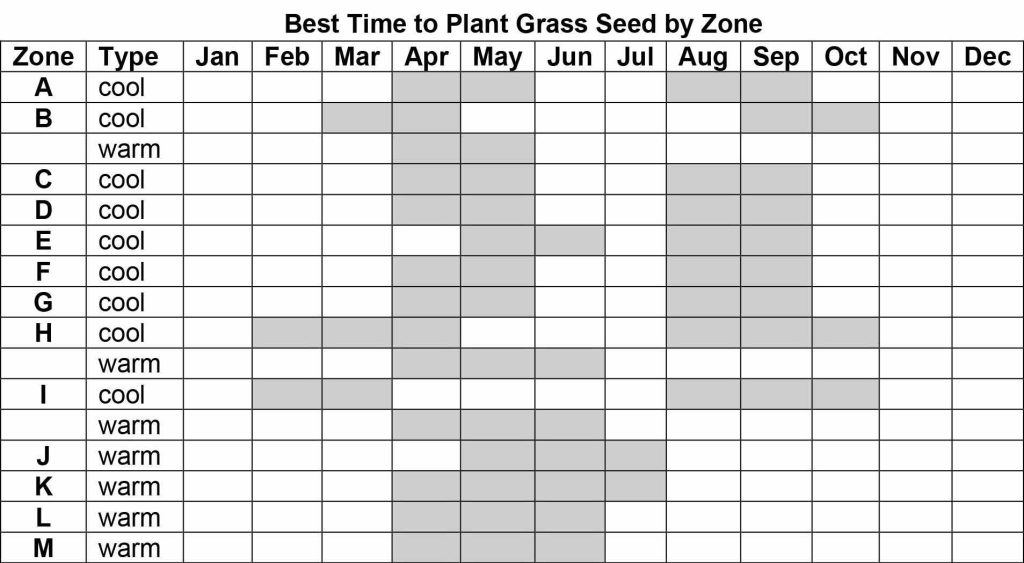
The best time to reseed your lawn is in early autumn. During this time, the soil is still warm from the summer heat, but the cooler temperatures allow the grass seed to germinate and establish strong roots before winter sets in. Reseeding your lawn in early autumn gives the new grass plenty of time to grow and develop a deep root system before the harsh winter weather arrives.
Not only does reseeding in early autumn provide optimal conditions for grass growth, but it also helps to control weed growth. By filling in bare patches with new grass, you’re preventing weeds from taking over and creating a thicker, healthier lawn.
In this blog article, we will explore why early autumn is the best time to reseed your lawn, discuss the steps involved in the reseeding process, and provide you with some helpful tips to ensure successful reseeding. So, let’s get started and transform your lawn into a lush and vibrant landscape!

Best Time to Reseed Your Lawn: A Comprehensive Guide
If you want a lush and healthy lawn, one of the most important tasks you’ll need to undertake is reseeding. Whether you’re patching up bare spots or aiming for a complete lawn renovation, timing is crucial to ensure the success of your reseeding efforts. In this comprehensive guide, we will explore the best time to reseed your lawn, taking into account different climates, grass types, and seasonal factors.
Understanding the Basics of Reseeding
Before diving into the specifics of when to reseed your lawn, it’s important to understand the basics of reseeding itself. Reseeding involves planting new grass seeds into your existing lawn to improve its density and appearance. This process helps to fill in bare spots, control weeds, and revitalize an old or worn-out lawn.
When reseeding, you have the option to overseed or perform a complete renovation. Overseeding refers to spreading grass seeds over your existing lawn, while renovation involves removing the old lawn and starting from scratch. Both methods have their merits, but for the purpose of this guide, we will focus on overseeding as it applies to most homeowners.
The Role of Climate in Reseeding
The best time to reseed your lawn largely depends on the climate in your region. Different grass types have specific preferences when it comes to temperature and moisture levels. Understanding your climate and the grass type you have or want to grow is essential for successful reseeding. Below, we’ll discuss the optimal times for reseeding based on common grass types and climate regions.
Cool-Season Grasses
Cool-season grasses, such as Kentucky bluegrass, perennial ryegrass, and tall fescue, thrive in regions with cold winters and moderate summers. The best time to reseed cool-season grasses is during the fall, ideally between late August and early October. During this period, the soil is still warm enough for the seeds to germinate, and the cooler temperatures prevent weed competition. Spring is the second-best option for reseeding cool-season grasses if you miss the fall window.
Warm-Season Grasses
Warm-season grasses, such as Bermuda grass, zoysia grass, and St. Augustine grass, flourish in regions with hot summers and mild winters. The best time to reseed warm-season grasses is during late spring or early summer when the soil temperature reaches around 70°F (21°C) or higher. It’s important to note that warm-season grasses are usually propagated through sod or sprigs rather than seeds, so reseeding is less common for this type of grass.
Transition Zone Grasses
The transition zone, an area that spans from the southern United States to the Midwest, presents a unique challenge for reseeding. This region experiences both hot summers and cold winters, making it difficult to maintain a healthy lawn year-round. The best time for reseeding in the transition zone is in early fall, following the same guidelines for cool-season grasses. Fall offers the advantage of cooler temperatures and reduced weed competition.
Considering Seasonal Factors
In addition to climate considerations, several seasonal factors also affect the success of reseeding. Understanding these factors will help you determine the ideal time within each season to reseed your lawn.
Fall
Fall is widely regarded as the best time to reseed lawns in most regions. The combination of warm soil and cooler air temperatures creates the perfect environment for germinating seeds. Additionally, weed competition is minimized during this season, allowing the new grass to establish itself without interference. Fall reseeding also gives the grass a head start before winter, leading to a more robust lawn in the following spring.
Spring
If you missed the fall window or live in a climate where spring is more favorable, you can still reseed your lawn during this season. However, keep in mind that spring reseeding comes with its challenges. The soil is still cool from winter, which slows down seed germination. Additionally, weed pressure is higher in the spring, requiring extra weed control measures. Nonetheless, with proper care and maintenance, spring reseeding can still yield positive results.
Summer
Reseeding during the summer months is generally not recommended, especially in hot climates. The high temperatures and increased weed competition make it challenging for the new grass seeds to establish themselves. However, if you live in a region with mild summers, and your lawn requires urgent repair, you can proceed with reseeding during early summer when temperatures are still moderate.
Winter
Winter is not an ideal time for reseeding lawns in most regions. The cold temperatures and frost can hinder seed germination, and the lack of sunlight and slow growth of the new grass make it vulnerable to disease and weed invasion. It’s best to focus on winter lawn care practices and wait for the more suitable seasons to reseed.
Additional Tips for Successful Reseeding
To maximize the success of your reseeding efforts, consider the following tips:
- Prepare the soil properly by removing any debris, weeds, and rocks. Loosen the soil to create a favorable environment for seed germination.
- Aerate the soil to improve air circulation, water absorption, and seed-to-soil contact.
- Select high-quality grass seed that is suitable for your climate and lawn conditions.
- Apply a starter fertilizer to provide essential nutrients for the new grass.
- Water the newly seeded area regularly and keep the soil consistently moist until the grass establishes itself.
- Maintain proper mowing and watering practices to promote healthy growth and discourage weed invasion.
Reseeding your lawn is a valuable practice to maintain a lush and vibrant outdoor space. Timing plays a critical role in the success of your reseeding efforts, and understanding the best time to reseed based on your grass type and climate will greatly increase your chances of achieving a healthy and beautiful lawn. By following the guidelines outlined in this guide and implementing proper lawn care practices, you can transform your lawn into a stunning oasis to enjoy for years to come.
What is the Best Time to Plant Grass Seed? – Fall Lawn Tips | DoMyOwn.com
Frequently Asked Questions
When is the best time to reseed a lawn?
The ideal time to reseed a lawn largely depends on the type of grass you have and your specific location. However, the general recommendation is to reseed cool-season grasses in the early fall or early spring, and warm-season grasses in the late spring or early summer.
Can I reseed my lawn during summer?
Reseeding during the summer can be challenging because it typically requires consistent watering to ensure proper germination and establishment. The hot and dry conditions of summer may make it more difficult for new grass to thrive. It is generally best to avoid reseeding during the summer unless necessary, and instead focus on lawn care practices that promote the health of existing grass.
Is it okay to reseed a lawn in the winter?
Reseeding during winter may not be the best time as cool-season grasses have a harder time germinating in colder temperatures. However, certain regions with milder winters may still be suitable for reseeding during this time. It is crucial to choose the appropriate grass type and provide the necessary care to protect the seeds from frost and ensure successful germination.
What are the benefits of reseeding in the fall?
Fall is often considered the best time to reseed a lawn because the soil is still warm, and the cooler air temperature provides ideal conditions for seed germination. Additionally, weed competition tends to be lower in the fall, allowing the newly planted grass to establish itself more efficiently.
Can I reseed my lawn in the spring?
Reseeding in the spring is another viable option, especially if you missed the fall window. However, it is crucial to start early enough to allow the grass to establish itself before the summer heat arrives. Keep in mind that spring reseeding may require more watering and maintenance due to potentially drier conditions.
How long does it take for reseeded grass to grow?
The time required for reseeded grass to grow can vary depending on various factors such as grass type, weather conditions, and maintenance practices. In general, you can expect to see visible growth within 7 to 21 days after reseeding. However, it typically takes several weeks to several months for the new grass to become fully established and develop a dense, uniform appearance.
Final Thoughts
The best time to reseed your lawn is in the early fall or spring. These seasons provide the ideal conditions for grass seed germination and establishment. By reseeding during these times, the new grass has enough time to grow strong before facing the harsh conditions of summer or winter. It is also important to choose the right type of grass seed for your region and soil type. Proper preparation, including soil testing and removal of debris, will ensure the success of your reseeding efforts. Whether you have bare patches or want to improve the overall health of your lawn, reseeding at the right time is crucial for achieving a lush and vibrant lawn.