If you're looking to create a natural sound barrier around your property, you've got lots of options. One of the best ways to do this is with strategically planted shrubs, which can absorb, deflect, or mask unwanted noise. I've researched and compiled a list of the best choices for your needs, whether you're battling road noise, nosy neighbors, or just want a more peaceful backyard.
I've put together a list of some of the best sound-dampening shrubs to create a buffer. You'll find a range of options, from fast-growing evergreens to slower-growing, compact varieties. Here's a quick look at the top contenders:
Comparison Chart of Best Shrubs for Sound Barrier


List of Top 5 Best Shrubs for Sound Barrier
Choosing the correct shrubs for a sound barrier involves considering factors like growth rate, height, width, and foliage density. The best plants combine these traits to effectively block or absorb sound waves. This list looks at options that excel in different areas, ensuring there's a solution for various needs and aesthetic preferences.
Below are the list of products:
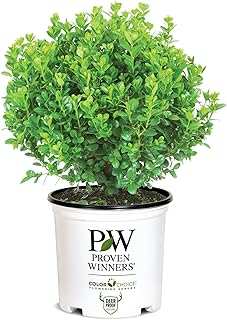
1. Proven Winners 2 Gallon Sprinter Boxwood
Boxwood shrubs, like the Proven Winners Sprinter Boxwood, are a superb choice for creating a dense, year-round sound barrier. Their dense foliage offers excellent noise reduction. Boxwoods are also low-maintenance, requiring minimal pruning to maintain their shape and density. While not the fastest growers, their compact nature makes them ideal for smaller spaces where a tall barrier isn't necessary.
Why I picked it
I chose the Proven Winners Sprinter Boxwood as an editor's pick because of its versatility and effectiveness. Its dense, evergreen foliage provides a constant barrier. Boxwoods are also relatively easy to care for, ensuring a sound-dampening solution that's both effective and manageable.
Key specs
- Height: 2, 3 feet tall.
- Width: 2, 3 feet wide.
- Foliage: Dense, evergreen.
- Light needs: Full sun to partial shade.
- Growth rate: Moderate.
- Hardiness: Zones 5, 9.
Real-world experience
Many people plant boxwoods around patios or near busy streets to reduce noise. Their compact growth habit allows for use in various settings where larger shrubs might not fit. Homeowners like the look of a well-maintained boxwood hedge which effectively blocks noise and creates visual protection. In areas with higher noise levels, multiple rows can be used for extra sound absorption.
Trade-offs
Boxwoods have a slower growth rate compared to some other options, so it takes time to establish a full sound barrier. Also, they can be susceptible to boxwood leafminer and psyllid infestations. Finally, while generally low-maintenance, they still require regular pruning to maintain a tidy appearance.
2. Willow Hybrid Trees Privacy
For those needing a fast-growing, tall sound barrier, the Willow Hybrid Trees are an excellent choice. This selection offers rapid growth, allowing you to establish a dense screen quickly, reducing noise from the environment. They're also relatively adaptable to different soil conditions. These trees are a good pick if you want a quicker noise dampening solution.
Why I picked it
Willow Hybrid Trees earned a top pick due to their fast growth rate. This is ideal for quickly establishing a noise barrier. Their tall stature allows them to block noise from various sources efficiently.
Key specs
- Height: Up to 75 feet tall at maturity.
- Spread: 20-30 feet wide.
- Growth Rate: Very Fast, up to 10 feet per year.
- Light needs: Full sun.
- Hardiness: Zones 4, 9.
- Soil: Adaptable to various conditions, prefers moist soil.
Real-world experience
Many people who live in areas with highway noise or busy streets use these trees to create a natural noise barrier. Homeowners report a noticeable reduction in noise levels within a few years of planting. Others highlight the tree's versatility, as they can also provide shade, but trimming is needed.
Trade-offs
Because these trees grow very fast, they require regular pruning to maintain the desired shape and size. Additionally, the fast growth rate can lead to the need for more frequent maintenance. The root system also could cause problems near concrete or pipes.
3. Perfect Plants Thuja Green Giant 2ft
For a budget-friendly option without sacrificing effectiveness, Perfect Plants Thuja Green Giant is a great choice. These trees provide excellent noise reduction and screening. With their dense evergreen foliage, they create a natural barrier. Thuja Green Giants offer a balance of cost-effectiveness and performance, making them a great value choice.
Why I picked it
I named the Perfect Plants Thuja Green Giant as the best budget option because of the value it provides. Its growth rate and density are high, offering a great sound barrier at an affordable price. These trees effectively screen out noise, making them an excellent choice for budget-conscious buyers.
Key specs
- Height: 40, 60 feet tall.
- Width: 12, 20 feet wide.
- Growth Rate: 3, 5 feet per year.
- Light needs: Full sun to partial shade.
- Hardiness: Zones 5, 9.
- Evergreen: Yes.
Real-world experience
Many homeowners have planted Thuja Green Giants along property lines to buffer against highway noise, and for privacy. These trees create a dense screen quickly, offering a significant reduction in sound levels. Many users report the trees are relatively easy to establish and maintain, providing an effective sound barrier within a few growing seasons.
Trade-offs
While these trees grow rapidly, they can become quite large, so regular pruning is needed. They can be susceptible to spider mites and bagworms, which require pest control. Like any large tree, the roots can impact underground utilities or neighboring structures.
4. Gold Mop 1 Gallon
Gold Mop shrubs are an interesting choice if you want something that provides a visual as well as a sound barrier. Their unique, golden foliage adds aesthetic appeal. Gold Mops are lower-growing than some others on this list, which make them ideal for areas where you want a shorter, wider barrier.
Why I picked it
I chose the Gold Mop for those who want a colorful, low-growing sound barrier. The bright gold foliage offers a unique aesthetic, providing an effective sound buffer. Its compact size is perfect for areas where you want a barrier that doesn't get too tall.
Key specs
- Height: 3, 6 feet tall.
- Width: 4, 6 feet wide.
- Foliage: Golden, scale-like.
- Light needs: Full sun to partial shade.
- Hardiness: Zones 5, 8.
- Form: Compact and rounded.
Real-world experience
Many people plant Gold Mops near patios or along walkways for their aesthetic appeal as well as their noise-dampening properties. Homeowners report this shrub's ability to help reflect or absorb sound. The plant's distinctive coloring makes it a popular choice.
Trade-offs
Because they're shorter, Gold Mops may not be ideal for blocking tall noise sources like highway sounds. They also require full sun to maintain their golden color. Also, they can be susceptible to spider mites and root rot if overwatered.
5. Perfect Plants Thuja Green Giant 3
A larger version of the previous entry, the Perfect Plants Thuja Green Giant, offers the same effective sound-blocking capabilities but in a more mature size. This is a quick and effective option. The dense evergreen foliage also creates a natural barrier.
Why I picked it
I included the Perfect Plants Thuja Green Giant to offer a scalable option for those wanting a taller sound barrier from the get-go. With a significant growth rate, this allows for quick establishment of a noise-reducing barrier. Its evergreen nature ensures year-round protection.
Key specs
- Height: 40, 60 feet tall.
- Width: 12, 20 feet wide.
- Growth Rate: 3, 5 feet per year.
- Light needs: Full sun to partial shade.
- Hardiness: Zones 5, 9.
- Evergreen: Yes.
Real-world experience
Many people opt for this larger size of the Thuja Green Giant when they want a quicker, more established sound barrier. Homeowners highlight the plant's effectiveness in dense areas with high noise levels. Many people enjoy the instant impact.
Trade-offs
Like its smaller counterpart, this version of the Thuja Green Giant can grow very large and requires frequent pruning. As with other evergreens, pests can be a problem. Overly moist soil can also lead to root rot.
How I picked
I considered several factors when evaluating the best shrubs for sound barriers. Effectiveness, growth rate, maintenance needs, and aesthetics were all important. I wanted a range of options that would work in different climates and for various needs.
I began by researching the properties of the most common shrubs. I looked at the density of their foliage as denser foliage is better at absorbing and deflecting sound waves. I looked at growth rates as time is of the essence when creating a sound barrier. I also looked at hardiness, to make sure the plants work in a variety of different climates and zones.
Finally, I compared the maintenance requirements, since some people may not like the upkeep of certain plants.
I deliberately did not factor in long-term hardiness as many are affected by climate change. However, as of 2026, the information I have is accurate based on current information.
Buying guide — what actually matters for Best Shrubs For Sound Barrier
When selecting shrubs for a sound barrier, there's more to consider than just the plant itself. You'll want to think about your specific needs. Here's a breakdown.
Density and foliage
If you prioritize maximum sound absorption, you'll want denser foliage. Dense foliage helps absorb sound waves, reducing noise levels effectively. Evergreen shrubs are generally a great choice because they maintain their foliage year-round, ensuring a constant sound barrier. Deciduous shrubs, which lose their leaves in the fall and winter, will offer less sound protection during those months.
Growth rate
If you prioritize speed, a fast-growing shrub is preferable. Fast-growing shrubs, such as the Willow Hybrid Trees, can quickly establish a barrier. They'll need more frequent pruning to manage their size. Slower-growing options like boxwoods will take longer to create a full effect.
Height and width
If you prioritize blocking noise from different sources, match the height and width of the shrub to the noise source. Tall shrubs can block sounds from highways. Wider shrubs can offer more comprehensive coverage. Consider the space available in your yard and the size these shrubs will reach at maturity.
Maintenance
If you prioritize low maintenance, you will have to sacrifice some of the benefits of more demanding types. Some shrubs require regular pruning, otherwise, they will grow out of control. Others may need fertilization, pest control, and watering.
Climate and hardiness
If you prioritize longevity, you'll need to match climate with hardiness. Choose shrubs that are suitable for your local growing zone, as indicated by the USDA Plant Hardiness Zone Map. This ensures the shrubs thrive in your area's climate.
Aesthetics
If you prioritize a specific aesthetic, you can pick a shrub based on its appearance. Consider the color, texture, and overall look. Some have colorful foliage. Others offer interesting shapes.
Frequently Asked Questions (FAQ)
What is the best shrub for soundproofing?
The best shrub for soundproofing varies depending on your needs. Dense, evergreen shrubs like boxwoods and Thuja Green Giants are excellent choices due to their foliage. Fast-growing options like Willow Hybrid Trees provide quick results, while the Gold Mop shrub has aesthetic appeal.
How effective are shrubs as a sound barrier?
Shrubs can be quite effective, especially when planted densely. The effectiveness depends on the density of the foliage, the height and width of the shrubs, and the types of noises you're trying to block. For best results, consider a mixed planting.
Do shrubs absorb or reflect sound?
Shrubs both absorb and reflect sound. Dense foliage absorbs sound waves, preventing them from traveling. The foliage also reflects some of the sound waves, dispersing them and reducing their intensity. The combination of absorption and reflection makes shrubs effective.
What are the best evergreen shrubs for sound barriers?
Evergreen shrubs provide year-round sound protection. Excellent choices include the Thuja Green Giant or boxwoods, known for their dense, evergreen foliage. They effectively reduce noise levels throughout the year.
How far apart should I plant sound barrier shrubs?
The spacing depends on the growth habits of the shrubs. Plant them close enough for the foliage to knit together, creating a solid barrier. Check the plant's mature width and plant them accordingly.
Can shrubs block all sound?
No, shrubs won't block all sound. However, a well-planned sound barrier can significantly reduce noise levels. The effectiveness depends on the shrub type, height, density of the plantings, and the amount of noise.
Final verdict
For overall effectiveness and ease of maintenance, the Proven Winners 2 Gallon Sprinter Boxwood is my top recommendation. Its dense foliage ensures a year-round sound barrier.
If you need a fast-growing option, the Willow Hybrid Trees are a great option. They quickly create a dense barrier.
For those on a budget, the Perfect Plants Thuja Green Giant offers excellent value. It offers a great sound barrier at an affordable price.
Affiliate disclosure: This post contains affiliate links. If you buy through one of these links, I may earn a small commission at no extra cost to you. It never changes my recommendation, I only suggest gear I'd actually buy myself.