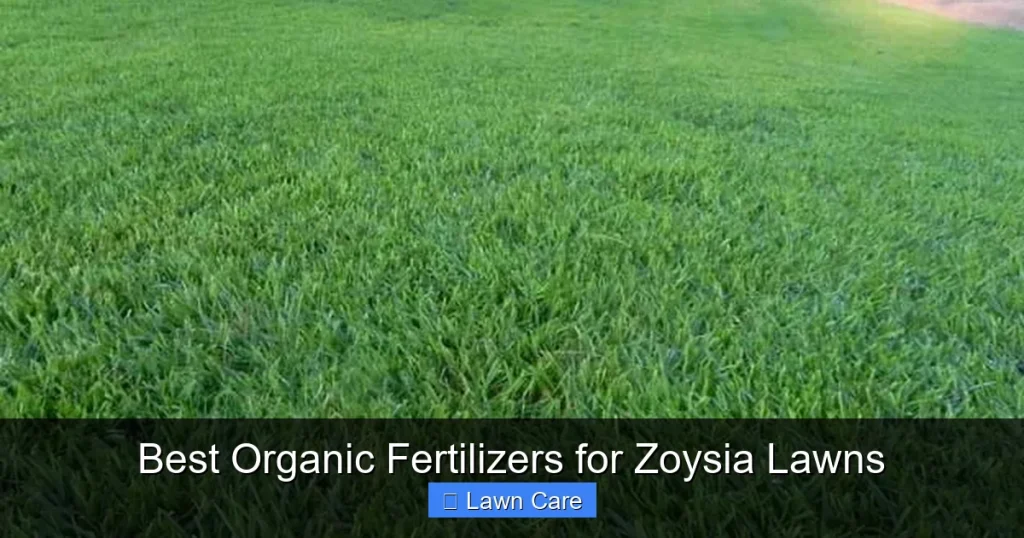
Choosing the right organic fertilizer is key to a vibrant Zoysia lawn. These natural options provide essential nutrients slowly, improving soil health and fostering strong growth without harsh chemicals. Focus on products with a balanced NPK ratio and consider amendments like compost or worm castings for optimal results.
Hey there, fellow lawn enthusiasts! If you’re lucky enough to have a Zoysia lawn, you know how special it is. Zoysia grass is a popular choice for its dense growth, drought tolerance, and beautiful green carpet-like appearance. But like any living thing, it needs nourishment to thrive. While synthetic fertilizers can offer quick fixes, many of us are looking for more natural, sustainable ways to keep our lawns looking their best. That’s where organic fertilizers come in!
Transitioning to organic lawn care isn’t just a trend; it’s a commitment to healthier soil, a safer environment for your family and pets, and ultimately, a more resilient lawn. Organic fertilizers work differently than their synthetic counterparts. Instead of providing a quick burst of nutrients that can easily be washed away, they release their goodness slowly, feeding your lawn over time and, importantly, improving the soil’s structure and microbial life. This makes your Zoysia lawn better equipped to handle stress, resist pests, and retain moisture.
So, if you’re ready to give your Zoysia lawn the best natural boost it can get, let’s dive into the wonderful world of organic fertilizers. We’ll explore what makes them great, what to look for, and some top choices that will have your Zoysia looking lush and green.
- Organic fertilizers feed Zoysia grass by enriching the soil, promoting beneficial microbial activity.
- Look for balanced NPK ratios (e.g., 10-10-10 or similar) in organic fertilizers to meet Zoysia’s needs.
- Compost and worm castings are excellent soil amendments that add nutrients and improve structure.
- Milorganite, bone meal, and blood meal are popular organic fertilizer choices for lawns.
- Proper timing and application are crucial for organic fertilizers to be effective for Zoysia.
- Avoid over-fertilizing; a healthy lawn is built over time with consistent, gentle care.
Quick Answers to Common Questions
What is the best time of year to fertilize Zoysia grass with organic fertilizers?
The best times to fertilize Zoysia grass with organic fertilizers are in late spring as growth begins, during the summer for maintenance, and in early fall to prepare for winter. Avoid fertilizing when the grass is dormant or stressed.
How often should I fertilize my Zoysia lawn organically?
With organic fertilizers, you can typically fertilize 2-3 times per growing season. This usually involves an application in late spring, possibly another in mid-summer, and a final one in early fall. Always check the specific product recommendations.
Can I use compost as the only fertilizer for my Zoysia lawn?
Compost is an excellent soil amendment and provides nutrients, but it might not offer a perfectly balanced NPK ratio for all Zoysia needs over the long term. It’s best used in conjunction with or as a foundational layer for other targeted organic fertilizers.
Will organic fertilizers make my Zoysia lawn grow too fast?
No, organic fertilizers are slow-release and encourage steady, healthy growth rather than rapid, excessive growth that can lead to thatch buildup and require more frequent mowing. This is a key advantage over synthetic fertilizers.
How do I know if my Zoysia lawn needs fertilizer?
Signs your Zoysia lawn might need fertilizer include a faded or yellowish color, slow growth, and reduced density. A soil test is the most accurate way to determine nutrient deficiencies.
📑 Table of Contents
Why Go Organic for Your Zoysia Lawn?
It’s a fantastic question! Why choose organic fertilizers over the readily available synthetic options? The answer lies in the long-term health and sustainability of your lawn and the environment. Synthetic fertilizers often provide a quick green-up, but they can also lead to a buildup of salts in the soil, harm beneficial microorganisms, and contribute to water pollution when they run off.
Organic fertilizers, on the other hand, focus on feeding the soil, which in turn feeds your grass. This approach builds a healthier ecosystem from the ground up. Your Zoysia grass will develop deeper roots, making it more drought-tolerant and better able to withstand wear and tear. Plus, you’re creating a safer haven for pollinators and other beneficial insects that contribute to a balanced lawn ecosystem. It’s a more holistic approach to lawn care that pays dividends season after season.
Benefits of Organic Fertilizers
- Slow-Release Nutrients: Organic fertilizers release nutrients gradually, providing a steady supply to your Zoysia grass. This reduces the risk of burning the grass and ensures a more consistent growth pattern.
- Improved Soil Structure: As organic matter breaks down, it enhances soil aeration and drainage. This is especially beneficial if you have clay soil, helping to prevent waterlogging. You can learn more about drainage solutions for clay soil here.
- Enhanced Microbial Activity: Organic fertilizers feed beneficial soil microbes, fungi, and earthworms. These organisms are crucial for nutrient cycling and overall soil health, creating a living, breathing soil environment.
- Reduced Environmental Impact: Organic options are less likely to leach into groundwater or contribute to runoff pollution. They promote a more sustainable approach to lawn maintenance.
- Safer for Pets and Children: Without harsh chemicals, your lawn becomes a safer place for your loved ones to play.
Understanding Zoysia Grass Needs
Before we pick out the perfect organic fertilizer, it’s helpful to understand what Zoysia grass needs to truly shine. Zoysia is a warm-season grass known for its slow-growing but dense habit. It thrives in full sun but can tolerate some shade. Because it’s a rhizomatous and stoloniferous grass, it spreads horizontally, forming a thick thatch layer. This dense growth means it’s quite competitive against weeds once established.
Zoysia generally doesn’t require as much nitrogen as some other grass types, but consistent feeding is important, especially during its active growing season, which is typically late spring through summer. The key is to provide nutrients that support healthy root development, blade density, and overall vigor. When choosing an organic fertilizer, we’re looking for a balanced approach that supplies nitrogen (N), phosphorus (P), and potassium (K), along with essential micronutrients.
NPK Ratios for Zoysia
The NPK ratio on a fertilizer bag tells you the percentage by weight of Nitrogen (N), Phosphorus (P), and Potassium (K). For Zoysia grass, a balanced ratio is often recommended. While specific needs can vary based on soil tests, a good starting point for an organic fertilizer might be something like a 10-10-10, 5-5-5, or even slightly higher in nitrogen if your lawn shows signs of deficiency, like 3-1-2. The goal is to provide adequate nitrogen for green growth without overdoing it, while also ensuring sufficient phosphorus for root development and potassium for disease resistance and stress tolerance.
Top Organic Fertilizer Choices for Zoysia Lawns
Now for the exciting part – exploring some of the best organic fertilizers that will nourish your Zoysia lawn naturally. These options are readily available and have proven track records for delivering excellent results.
1. Compost: The All-Around Wonder
Compost is arguably the king of organic amendments. It’s a decomposed organic material that’s teeming with nutrients and beneficial microorganisms. When you top-dress your Zoysia lawn with a layer of high-quality compost, you’re not just adding nutrients; you’re improving soil structure, increasing water retention, and providing a slow-release food source for your grass.
How to Use Compost
- Application: Spread a thin layer (about 1/4 to 1/2 inch) of compost over your Zoysia lawn. You can use a shovel and rake or a specialized compost spreader.
- Timing: The best times to apply compost are in the spring as the grass begins to green up or in the fall after the active growing season slows down.
- Benefits: Compost helps retain moisture, making your Zoysia more drought-resilient. It also introduces beneficial microbes that aid in nutrient availability.
2. Worm Castings: The Black Gold
Worm castings, also known as vermicompost, are the excrement of earthworms. They are incredibly nutrient-rich and packed with beneficial microbes. Worm castings are an excellent natural fertilizer that provides a slow, steady release of nutrients and acts as a fantastic soil conditioner. They are gentle enough not to burn your lawn and are highly effective at improving soil biology.
How to Use Worm Castings
- Application: Worm castings can be applied like compost, either spread thinly over the lawn or mixed into the soil during new lawn preparation. They can also be brewed into a liquid “tea” for a foliar feed.
- Benefits: They improve soil structure, aeration, and water retention, and contain a wealth of macro- and micronutrients in a readily available form for plants.
3. Milorganite: A Popular Choice
Milorganite is a unique organic fertilizer made from heat-dried, non-composted biological sludge from wastewater treatment. While its origin might sound unusual, it’s a safe, effective, and highly regarded organic fertilizer. It’s slow-releasing, contains essential micronutrients, and is known for its ability to help improve soil conditions over time. It also has a relatively high nitrogen content, which is beneficial for Zoysia.
How to Use Milorganite
- Application: Milorganite is a granular fertilizer that can be applied using a broadcast or drop spreader. Follow the package directions carefully for the correct application rate.
- Timing: It can be applied several times throughout the growing season, typically from late spring through early fall. Many people find success applying it in late spring and again in early fall.
- Benefits: Its slow-release nature means it won’t burn your lawn, and it’s effective at providing sustained nutrition.
4. Bone Meal and Blood Meal
Bone meal is a byproduct of the meatpacking industry, derived from animal bones. It’s a good source of phosphorus and calcium, which are crucial for root development and overall plant strength. Blood meal, on the other hand, is derived from animal blood and is a concentrated source of nitrogen. These are typically used as individual amendments or in combination.
How to Use Bone Meal and Blood Meal
- Application: These are usually granular products that are spread onto the lawn and then watered in. They can be applied individually based on specific nutrient needs or found in blended organic fertilizer products.
- Timing: Bone meal is often best applied in spring or fall. Blood meal can be applied in spring and summer to boost nitrogen levels for growth.
- Benefits: Bone meal supports strong root systems, while blood meal provides readily available nitrogen for lush, green growth. However, use blood meal judiciously, as too much nitrogen can be detrimental.
When and How to Fertilize Your Zoysia Lawn Organically
Timing is everything when it comes to fertilizing, and organic fertilizers are no exception. Because they work by feeding the soil and releasing nutrients slowly, they don’t require the same precise timing as quick-release synthetic fertilizers. However, understanding Zoysia’s growth cycle is key to maximizing the benefits of your organic applications.
Best Times for Fertilization
Zoysia grass is a warm-season grass, meaning it does its best growing when temperatures are consistently warm, typically from late spring through summer.
- Spring: Once your Zoysia grass starts to green up and show signs of active growth (usually late April to May, depending on your climate), a light application of organic fertilizer or compost is beneficial. This jumpstarts its growth cycle. This can be a good time to consider your spring care checklist.
- Summer: During the peak growing season, a mid-summer application can help maintain color and density. However, Zoysia is quite drought-tolerant, so avoid over-fertilizing if conditions are very hot and dry.
- Fall: A late-season application in early fall (September to October) is highly recommended. This helps the grass store energy for the winter and promotes root development that will benefit it in the following spring. This is similar to how some prefer to fertilize other grasses in the fall for winter preparation.
It’s generally advised to avoid fertilizing Zoysia heavily in late fall or winter, as this can stimulate growth when the grass should be preparing for dormancy.
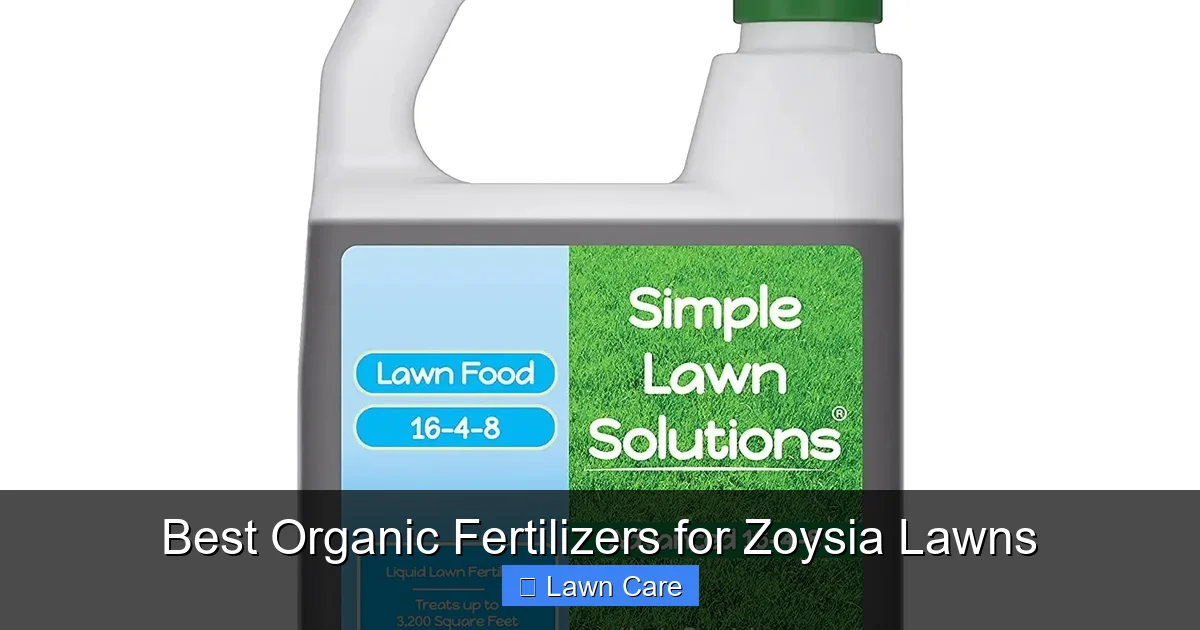
Visual guide about Best Organic Fertilizers for Zoysia Lawns
Image source: bobvila.com
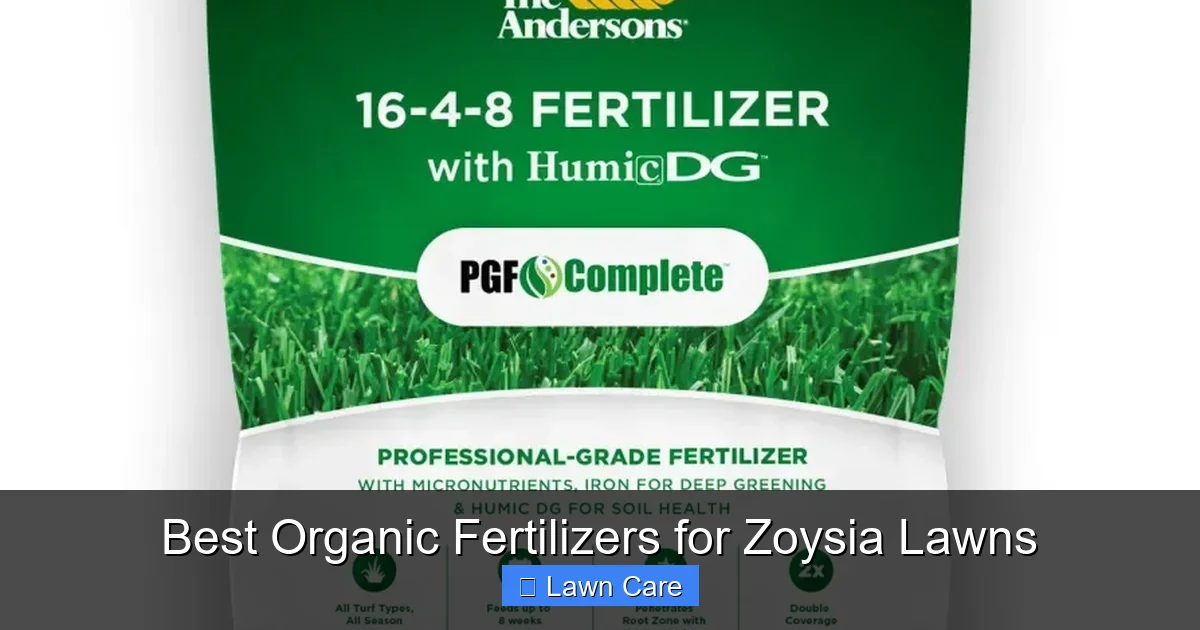
Visual guide about Best Organic Fertilizers for Zoysia Lawns
Image source: bobvila.com
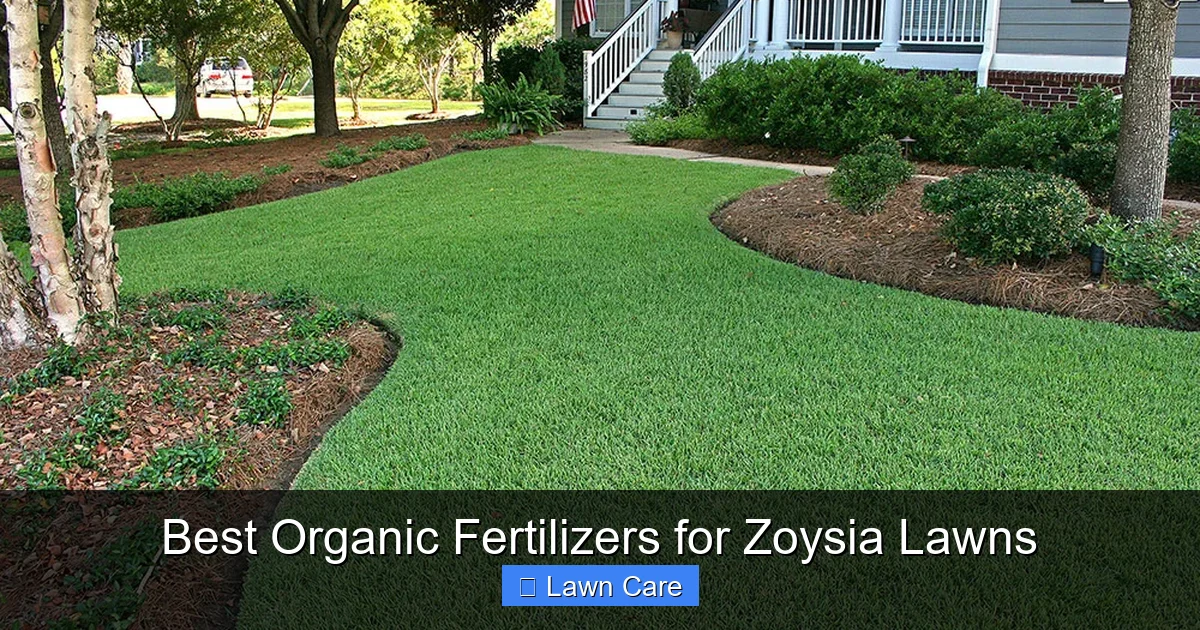
Visual guide about Best Organic Fertilizers for Zoysia Lawns
Image source: gespest.com
Application Tips for Success
Applying organic fertilizers is straightforward, but a few tips can ensure you get the most out of them.
- Read the Label: Always read and follow the application rates and instructions on the fertilizer packaging. Over-application, even with organic products, can sometimes cause imbalances.
- Use a Spreader: For granular organic fertilizers like Milorganite, a broadcast or drop spreader ensures even distribution across your lawn. This prevents streaky growth and ensures consistent feeding. Investing in a good spreader can make a big difference.
- Water It In: After applying granular organic fertilizers, lightly water your lawn. This helps the nutrients start to break down and move into the soil. For compost and worm castings, watering helps them settle into the turf.
- Soil Testing: For the most accurate approach, consider getting a soil test. This will tell you exactly what nutrients your soil is lacking, allowing you to choose the most targeted organic amendments.
- Consistency Over Intensity: Organic lawn care is about building long-term health. Focus on consistent, moderate applications rather than trying to force growth with infrequent heavy doses.
Common Mistakes to Avoid with Organic Fertilizers
While organic fertilizers are forgiving, there are still a few pitfalls to watch out for. Being aware of these can save you time, effort, and ensure your Zoysia lawn stays healthy and vibrant.
Over-Application
Even natural products can cause problems if overused. Too much of a good thing can lead to excessive thatch buildup, which can harbor pests and diseases. It can also lead to nutrient imbalances in the soil. Stick to recommended application rates and err on the side of caution if you’re unsure.
Applying at the Wrong Time
As discussed, Zoysia has specific growing periods. Fertilizing when the grass is stressed, dormant, or actively trying to go dormant can be wasteful and potentially harmful. Stick to the active growing seasons.
Neglecting Soil Health
Remember, organic fertilizers are meant to feed the soil. If your soil is compacted or has poor drainage, the nutrients won’t be effectively utilized. Addressing underlying soil issues, such as aeration or improving drainage (especially for clay soils here), should be part of your organic lawn care strategy.
Expecting Instant Results
Organic fertilizers work on a slower, more sustainable timeline. You won’t see the dramatic color change overnight like you might with synthetics. Be patient, and focus on the cumulative benefits to soil health and long-term turf quality.
Beyond Fertilizers: Holistic Zoysia Care
While choosing the best organic fertilizers is a huge step, remember that a truly healthy Zoysia lawn is the result of a comprehensive care routine. Fertilization is just one piece of the puzzle.
Proper Watering
Zoysia is drought-tolerant, but it still needs water, especially during prolonged dry spells or extreme heat. Watering deeply and infrequently encourages deeper root growth. For Zoysia in summer, follow best practices for watering. Using an efficient sprinkler system for large lawns can also be a game-changer, ensuring even coverage.
Mowing Practices
Mowing at the correct height is crucial. For Zoysia, a mowing height of 1 to 2 inches is generally recommended. Mowing too short can stress the grass, while mowing too high can lead to excessive thatch. Keep your mower blades sharp to make clean cuts, which help the grass heal faster and look better.
Weed and Pest Management
A thick, healthy Zoysia lawn is its own best defense against weeds and pests. However, if issues arise, opt for organic solutions. Corn gluten meal can act as a pre-emergent herbicide, and many natural weed killers are available. For persistent problems, explore the best organic weed control methods.
By combining effective organic fertilization with smart watering, proper mowing, and natural pest control, you’ll cultivate a Zoysia lawn that is not only beautiful but also environmentally sound and resilient.
Conclusion
Nourishing your Zoysia lawn with organic fertilizers is a rewarding journey that leads to a healthier, more sustainable, and visually stunning landscape. By understanding Zoysia’s needs and embracing the slow-release, soil-enriching power of organic amendments like compost, worm castings, Milorganite, bone meal, and blood meal, you’re investing in the long-term vitality of your turf. Remember to fertilize strategically during Zoysia’s active growing periods – spring, summer, and early fall – and always follow application guidelines. Avoid common mistakes like over-fertilizing or applying at the wrong time. Combine these organic feeding practices with good watering, mowing, and natural weed management, and you’ll be well on your way to enjoying that coveted lush, green Zoysia carpet for years to come.
Frequently Asked Questions
What are the benefits of using organic fertilizers for Zoysia grass?
Organic fertilizers improve soil structure and health, provide nutrients slowly to prevent burning, encourage beneficial microbial activity, and are safer for the environment, pets, and children compared to synthetic options.
How does organic fertilization differ from synthetic fertilization for Zoysia lawns?
Organic fertilizers feed the soil, which in turn feeds the grass, promoting long-term health. Synthetic fertilizers provide a quick nutrient boost but can harm soil microbes and lead to runoff issues.
What is the ideal NPK ratio for organic fertilizers for Zoysia?
A balanced NPK ratio, such as 10-10-10 or 5-5-5, is generally recommended for Zoysia. Some might benefit from ratios like 3-1-2, depending on soil conditions and observed needs.
Can I mix different organic fertilizers together for my Zoysia lawn?
Yes, you can often mix or layer different organic amendments. For example, top-dressing with compost and then applying a granular organic fertilizer like Milorganite can provide comprehensive nutrition.
How long does it take to see results from organic fertilizers on a Zoysia lawn?
Visible results from organic fertilizers may take longer to appear compared to synthetic options, as they work by improving soil health over time. Expect to see gradual improvements in color, density, and resilience over several weeks and months.
Are there any specific organic fertilizers to avoid for Zoysia?
Generally, there are no specific organic fertilizers to outright avoid, as long as they are applied according to recommended rates. However, it’s important to use products designed for lawns and ensure they are well-composted or processed to avoid introducing weed seeds or pathogens.