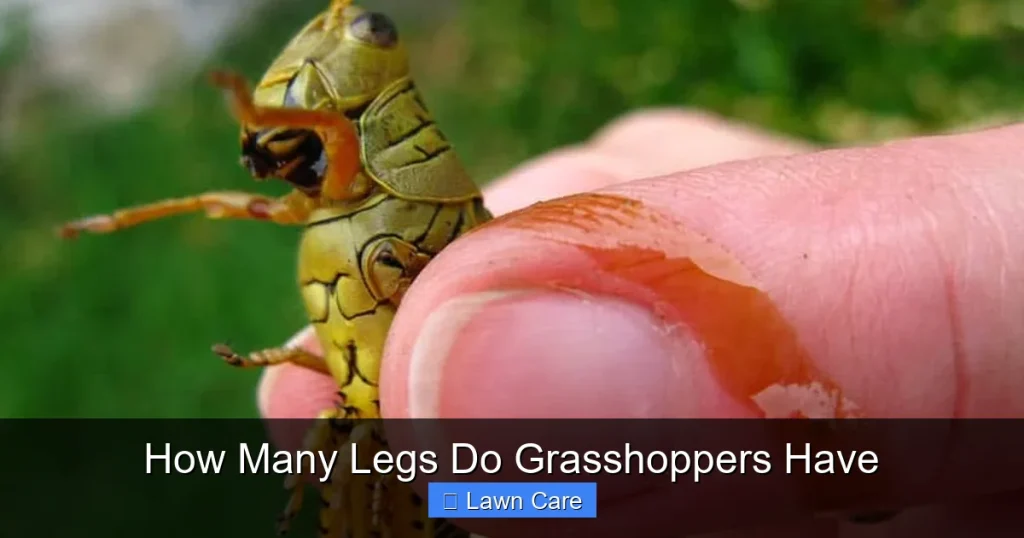
Grasshoppers are well-known for their impressive jumping abilities, and a key part of this is their anatomy. This guide will help you understand exactly how many legs grasshoppers have. You’ll learn about their specific leg structure, how they use them for different purposes, and other interesting facts about these common insects.
Are you curious about the tiny creatures that hop around your lawn, especially during the warmer months? Perhaps you’ve seen them munching on your grass or heard their distinctive chirping sounds. One of the most fundamental questions people have about these insects revolves around their physical structure, and specifically, how many legs grasshoppers have. It’s a simple question, but understanding the answer unlocks a greater appreciation for their incredible abilities and their place in the natural world.
In this comprehensive guide, we’re going to dive deep into the anatomy of the grasshopper, focusing on their legs. We’ll explore not just the number of legs they possess, but also the specific adaptations of each pair and how these features contribute to their survival. By the end of this guide, you’ll have a clear and detailed understanding of grasshopper leg anatomy, their function, and why this knowledge might even be indirectly relevant to your lawn care efforts.
## Understanding Insect Anatomy: The Foundation
Before we pinpoint the exact number of legs a grasshopper has, it’s important to understand a basic biological classification: insects. Grasshoppers, like ants, beetles, and butterflies, belong to the class Insecta. A defining characteristic of all insects is that they have **six legs**. This is a crucial evolutionary trait that has contributed to the immense success and diversity of insects across the globe.
The Rule of Six: A Universal Insect Trait
This “rule of six” applies to virtually all adult insects. These six legs are always attached to the middle section of an insect’s body, known as the thorax. The thorax is a powerhouse of locomotion, and the legs are its primary tools for interacting with the environment. So, when you’re looking at a grasshopper, remember this fundamental insect characteristic.
## How Many Legs Does a Grasshopper Have? The Direct Answer
Let’s get straight to the point. A grasshopper has a total of **six legs**.
This might seem obvious to some, but the real wonder lies not just in the number, but in the specialized design of each pair of legs. These aren’t just six identical limbs; they are highly adapted appendages that allow grasshoppers to perform a remarkable range of movements.
Key Takeaways
- Grasshoppers have a total of six legs. Like all insects, they possess three pairs of legs attached to their thorax.
- Each pair of legs is adapted for a different primary function. This specialization allows for efficient movement and survival.
- The hind legs are significantly larger and more muscular. These are their primary jumping legs, enabling incredible leaps.
- The front and middle legs are used for walking and grasping. They provide stability and help the grasshopper hold onto surfaces.
- Understanding grasshopper anatomy can be helpful for lawn care. While not pests in the same way as some other insects, their presence and behavior can offer insights into your lawn’s ecosystem.
The Three Pairs of Grasshopper Legs: Specialization in Action
The six legs of a grasshopper are divided into three distinct pairs, each attached to a segment of the thorax. Each pair has evolved to serve a specific purpose, contributing to the grasshopper’s ability to move, feed, and escape predators.
1. The Forelegs: Grasping and Stability
The first pair of legs, located at the front of the thorax, are known as the forelegs. These legs are generally shorter and more slender than the hind legs.
Function of the Forelegs
* Grasping: The forelegs are often used to grasp onto surfaces, such as blades of grass or twigs. They help the grasshopper maintain a secure grip, especially when climbing or resting.
* Feeding: Grasshoppers may also use their forelegs to help bring food to their mouths. While they don’t have hands in the human sense, these legs assist in manipulating food items.
* Balance: During walking and other movements, the forelegs provide crucial balance and support.
Appearance of the Forelegs
You’ll notice that the forelegs are quite similar in structure to the middle legs. They have the standard insect leg segments: coxa, trochanter, femur, tibia, and tarsus (which is usually divided into segments and ends in claws).
2. The Middle Legs: Walking and Support
The second pair of legs, situated in the middle of the thorax, are the middle legs. These legs are also primarily used for walking and providing general support.
Function of the Middle Legs
* Locomotion: They are essential for walking, running, and moving across various terrains. Grasshoppers can move quite quickly when they need to, and their middle legs are key to this terrestrial locomotion.
* Balance and Stability: Similar to the forelegs, the middle legs play a vital role in maintaining balance, especially when the grasshopper is stationary or navigating uneven surfaces.
* Clinging: They can also assist in clinging to vegetation.
Appearance of the Middle Legs
The middle legs share a similar general structure with the forelegs. They are robust enough for walking but not as powerfully built as the hind legs.
3. The Hind Legs: The Powerhouse of Jumping
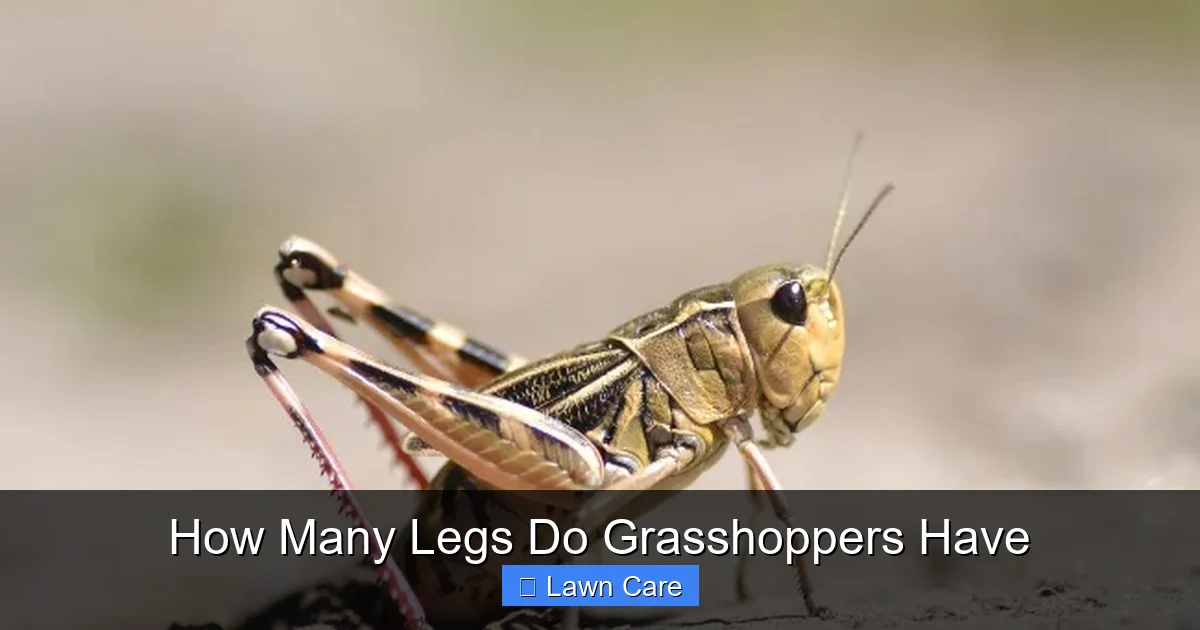
The third pair of legs, located at the rear of the thorax, are the hind legs. These are the most distinctive and arguably the most important legs for a grasshopper’s survival. They are significantly larger, longer, and more muscular than the forelegs and middle legs.
Function of the Hind Legs
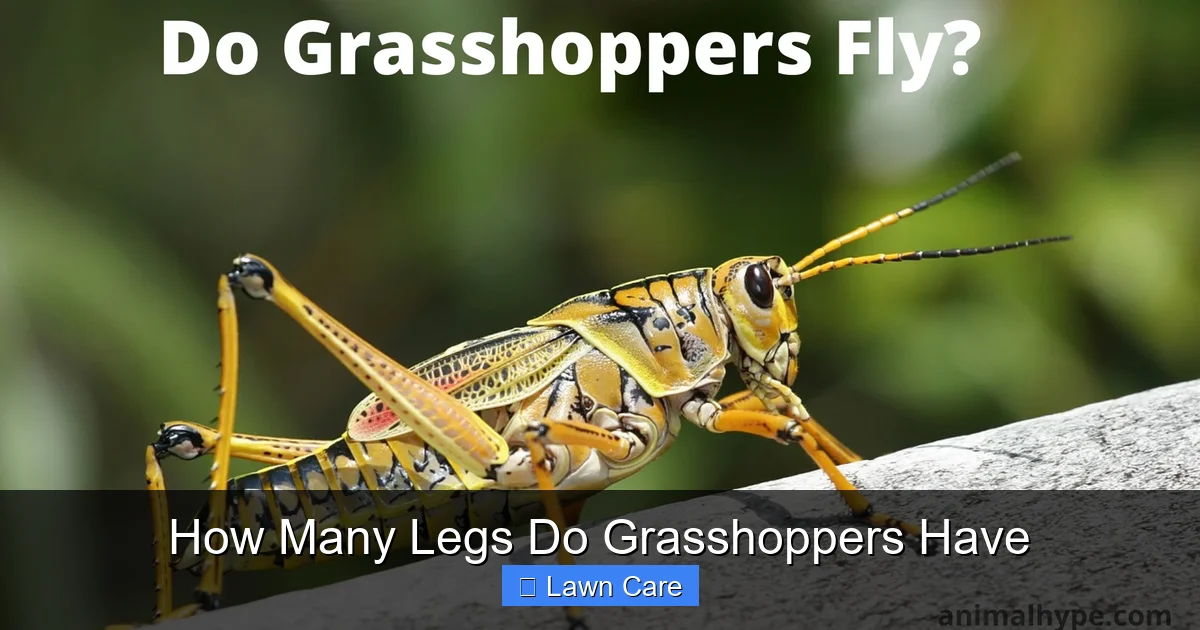
* Jumping: This is their primary and most famous function. The hind legs are highly specialized for jumping. They contain powerful muscles that allow the grasshopper to store and release energy, propelling them forward or upward with incredible force. This is their main escape mechanism from predators.
* Stabilizing: When not jumping, the hind legs also provide stability, especially when the grasshopper is perched on a surface.
* Sound Production (in some species): In some grasshopper species, the hind legs are involved in sound production. Males may rub their hind legs against their forewings to create their characteristic chirping or stridulation sounds, often for attracting mates.
Appearance of the Hind Legs
The most striking feature of the hind legs is the greatly enlarged femur. This large, swollen segment is where the powerful muscles are located. The tibia is also relatively long, and together, the femur and tibia act like a spring-loaded mechanism when the grasshopper prepares to jump.
The Thorax: The Hub of Leg Attachment
Visual guide about How Many Legs Do Grasshoppers Have
Image source: meadowia.com
It’s worth mentioning the thorax again because it’s the central structure to which all these legs are attached. The thorax is divided into three segments: the prothorax, mesothorax, and metathorax.
* The **prothorax** bears the first pair of legs (forelegs).
* The **mesothorax** bears the second pair of legs (middle legs) and the first pair of wings.
* The **metathorax** bears the third pair of legs (hind legs) and the second pair of wings.
This arrangement ensures that each pair of legs is optimally positioned for its intended function.
Why is Leg Anatomy Important for Grasshoppers?
Visual guide about How Many Legs Do Grasshoppers Have
Image source: animalhype.com
The specialized leg structure of grasshoppers is not just an interesting anatomical fact; it’s fundamental to their survival and ecological role.
Survival from Predators
The most obvious benefit is escape. When a predator, such as a bird or a larger insect, approaches, the grasshopper can instantly launch itself into the air, covering significant distances in a single leap. This ability to escape quickly and unpredictably is their primary defense mechanism.
Mobility and Exploration
Beyond jumping, their legs allow them to walk and climb, enabling them to move efficiently through their environment in search of food and suitable mates. They can navigate tall grasses, move across soil, and cling to various plants.
Reproduction
As mentioned, the hind legs can play a role in sound production, which is crucial for mating rituals in many species.
Feeding
The forelegs and middle legs assist in holding food and bringing it to the mouthparts.
Grasshoppers and Your Lawn: A Brief Connection
Visual guide about How Many Legs Do Grasshoppers Have
Image source: meadowia.com
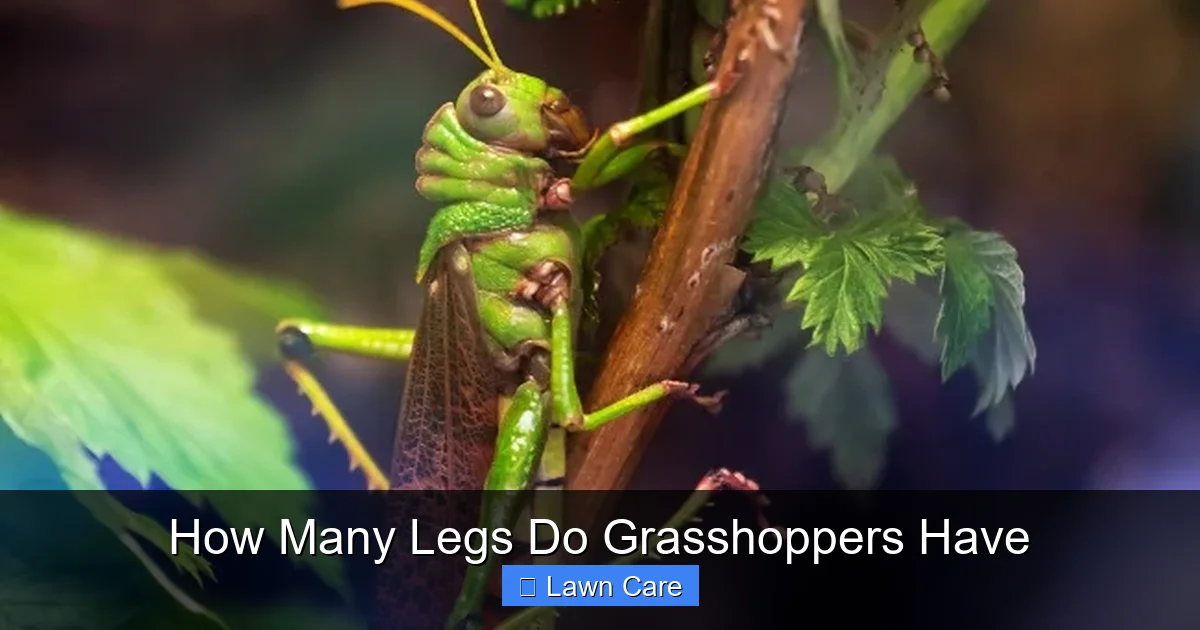
While this guide focuses on grasshopper anatomy, their presence and behavior can sometimes be relevant to lawn care. Understanding that grasshoppers have six legs, with their powerful hind legs designed for jumping and feeding, helps us understand their interactions with vegetation.
What Grasshoppers Eat
Grasshoppers are herbivores, feeding primarily on plants. They consume grasses, leaves, stems, and flowers. While a few grasshoppers are unlikely to cause significant damage to a well-maintained lawn, a large population can indeed be detrimental. They might feed on desirable grasses, potentially impacting their growth and appearance. If you notice significant damage that looks like chewing, and you suspect grasshoppers, it might be time to investigate further. For instance, understanding how to identify common lawn invaders like crabgrass is a useful skill for any homeowner. Knowing that grasshoppers have specific feeding habits can help differentiate them from other lawn issues.
When Grasshoppers are a Concern
In most cases, grasshoppers are a natural part of the ecosystem. However, during certain times of the year or in specific conditions, their populations can boom. This is when they might become more of a nuisance or a problem for your lawn. If you’re experiencing unusual lawn damage, and you’ve already explored other common culprits, observing the insect life in your lawn is a good next step. You might even see them in action, demonstrating the power of their six legs.
Beyond the Legs: Other Grasshopper Features
While we’ve focused on their legs, it’s worth noting other fascinating aspects of grasshopper anatomy that complement their leg-driven lifestyle.
Wings
Most adult grasshoppers have two pairs of wings. The front pair (forewings or tegmina) are usually leathery and protect the more delicate hindwings. The hindwings are often membranous and are used for flight. While they are excellent jumpers, many can also fly, covering even greater distances when necessary.
Antennae
Grasshoppers have a pair of antennae on their heads, which they use for sensing their environment, including detecting smells and vibrations.
Eyes
They possess large compound eyes, which give them a wide field of vision, essential for spotting predators and finding food.
Troubleshooting: What If I See Too Many Grasshoppers?
If you’re observing an unusually large number of grasshoppers in your lawn and they are causing noticeable damage, here are a few considerations:
Identify the Problem
First, confirm that grasshoppers are indeed the culprits. Look for signs of chewing on grass blades and stems. You’ll also see the grasshoppers themselves, which are easily identifiable by their size and powerful jumping legs. If you suspect other issues, like weeds, you might need to learn how to identify them.
Natural Predators
Often, the population of grasshoppers is kept in check by their natural predators, such as birds, spiders, and other insects. Encouraging these predators in your yard can be a natural form of control.
Mechanical Removal
For small infestations, you might be able to physically remove grasshoppers by hand or by using a vacuum cleaner with a hose attachment.
Biological Controls
There are also commercially available biological control agents, such as certain fungi or bacteria that specifically target grasshoppers.
Chemical Controls (Use with Caution)
In severe cases, you might consider using insecticides. However, it’s crucial to use these products responsibly, following all label instructions carefully, and considering the potential impact on beneficial insects and the environment.
Conclusion: A Marvel of Six Legs
So, to reiterate, the answer to “how many legs do grasshoppers have?” is a definitive **six**. These six legs are not just limbs; they are finely tuned instruments of survival, each pair adapted for specific tasks, from grasping and walking to the astonishing leaps that define the grasshopper’s existence.
Understanding this basic fact about grasshopper anatomy provides a window into the complex and fascinating world of insects. It highlights the power of evolution to shape organisms for their environment. While they may be small, grasshoppers are remarkably well-equipped for life, and their six legs are a testament to this biological ingenuity. The next time you see a grasshopper in your yard, take a moment to appreciate the incredible engineering packed into those six legs – the foundation of their hop, skip, and jump across your lawn.