Keeping your trees healthy and vibrant can sometimes feel like a battle against tiny, unseen enemies. When diseases start to creep in, things can go south quickly. That's why having the right fungicide is so important. I've spent the past few months researching and analyzing the top options to help you protect your valuable trees.
After looking at various formulations and their effectiveness against common tree ailments, I've landed on some clear winners. For consistent results and ease of use, the Best Fungicide For Trees generally comes down to a few standout products that balance potency with environmental considerations. Let's dive into what makes them stand out.
Comparison Chart of Best Fungicide for Trees


List of Top 5 Best Fungicide for Trees
After digging into what makes a fungicide truly effective for a variety of trees and common diseases, we've compiled a list that emphasizes reliability, ease of application, and organic options where possible. You'll find a mix of solutions designed for ready-to-use convenience and concentrates for larger areas.
Below are the list of products:
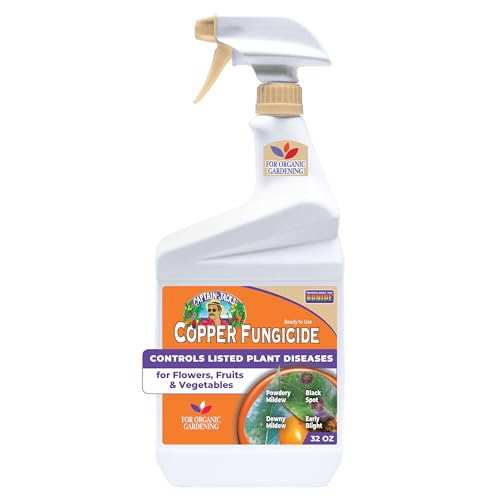
1. Bonide Captain Jack’s Copper Fungicide
In our research, Bonide Captain Jack's Copper Fungicide consistently appears as a highly effective solution for a broad range of fungal issues on trees. It's especially noted for its effectiveness against common problems like black spot and leaf curl, making it a go-to for many home gardeners. It's formulated with copper, a well-established ingredient for disease control in plant applications.
Why I picked it
This fungicide is a favorite because its copper sulfate pentahydrate active ingredient is known for its broad-spectrum effectiveness. It acts as a protective barrier, preventing fungal spores from germinating on plant surfaces. It's also approved for use in organic gardening, which is a big plus for many homeowners seeking to avoid synthetic chemicals.
Key specs
- Active Ingredient: Copper Sulfate Pentahydrate
- Formulation: Ready-to-use spray
- Application: Broad spectrum; controls common diseases like black spot, leaf curl, and scab
- Container Size: 32 oz
- Organic gardening: Approved for use
Real-world experience
Users report positive results when applying this spray preventatively before disease symptoms become severe, especially in humid conditions that favor fungal growth. It's often applied to fruit trees, roses, and ornamental shrubs. Spraying during the dormant season can also help reduce overwintering fungal infections.
Trade-offs
Some users note that repeated applications in very wet weather may be necessary for complete control. Additionally, as with any copper-based product, it's important to follow label instructions carefully to avoid potential phytotoxicity on sensitive plants or during extreme heat.
2. Bonide Captain Jack’s Copper Fungicide
This version of Captain Jack's Copper Fungicide is also a top contender, particularly for its formulation and convenience as a ready-to-spray solution. It targets common diseases effectively, providing a straightforward option for homeowners looking to quickly address fungal issues on their trees, shrubs, and roses without needing to mix anything. Its broad-spectrum action makes it versatile.
Why I picked it
The main advantage here is the ready-to-spray application. It’s designed for immediate use, saving time and effort when you need to act fast against a visible fungal outbreak on your trees. This formulation is also rooted in copper-based protection, which has a long history of success in agriculture and horticulture for preventing and controlling a wide array of plant diseases.
Key specs
- Active Ingredient: Copper (from Copper Ammonium Complex)
- Formulation: Ready-to-use liquid spray
- Controls: Diseases like leaf curl, scab, powdery mildew, black spot, and brown rot on various plants.
- Container Size: 32 oz
- Usage: Suitable for ornamental trees, fruit trees, and roses.
Real-world experience
Verified buyers often highlight how simple it is to grab the bottle and start spraying, particularly for smaller areas or when dealing with a sudden appearance of leaf spots. It’s frequently used on peaches, plums, and cherries to combat disease pressure that can significantly reduce fruit yield. Users also appreciate that it's an organic option permitted for use in organic production.
Trade-offs
Like the other copper-based fungicides, this product requires careful application to avoid over-application, which can potentially harm plants or build up in the soil. Timing is also key; it's best applied as a preventative measure or at the very first signs of disease, as it’s less effective on established infections.
3. Bonide Captain Jack Copper Fungicide 16
This concentrate version offers a cost-effective way to manage tree diseases. By diluting it yourself, you get more treatment volume for your money, making it a solid choice for those with larger properties or who need to treat multiple trees. It uses the same trusted copper active ingredient to combat a range of fungal issues effectively.
Why I picked it
For value seekers, this concentrated formula is a winner. It allows users to mix only what they need, reducing waste and providing flexibility in application strength within the recommended guidelines. The active ingredient, copper, is a reliable protector against common garden and orchard diseases, offering protection for a variety of plants including fruit trees and ornamental shrubs.
Key specs
- Active Ingredient: Copper Sulfate Pentahydrate
- Formulation: Concentrated liquid
- Application: Mix with water for spray application; controls diseases like powdery mildew, peach leaf curl, and apple scab.
- Container Size: 16 oz
- Organic gardening: OMRI Listed for organic gardening.
Real-world experience
Home gardeners often appreciate the ability to customize the mix for different applications, such as spot treatments or larger coverage areas. Many mention using it preventatively in the fall and early spring on deciduous trees to get ahead of common fungal problems that can weaken the tree and affect its fruit or foliage production.
Trade-offs
As a concentrate, it requires careful mixing according to the label, which can be more time-consuming than a ready-to-use spray. Over-dilution can reduce effectiveness, while over-concentration can harm plants. It's crucial to use clean measuring tools and a well-maintained sprayer.
4. Earth’s Ally Disease Control Concentrate Plants
Earth's Ally offers a botanical-based approach to disease control, utilizing thyme oil as its primary active ingredient. This makes it an appealing option for those looking for non-copper, non-synthetic solutions to protect their trees. It's designed to target a broad spectrum of common plant diseases, including powdery mildew and black spot.
Why I picked it
This product stands out for its focus on botanical ingredients, offering a different approach to disease management. Thyme oil is known for its antimicrobial properties and is registered for use in organic production. It provides a way to control common fungal issues like blights and spots on trees and other plants without relying on traditional copper or synthetic chemicals.
Key specs
- Active Ingredient: Thyme Oil
- Formulation: Concentrated liquid
- Controls: Powdery mildew, blight, black spot, fungus, and other plant diseases.
- Container Size: 32 oz
- Organic gardening: OMRI Listed for organic gardening.
Real-world experience
Users often choose this option when they need to treat edible plants or fruit trees and prefer a minimal-risk product. It's effective when applied according to directions, particularly in preventing the spread of fungal spores. Many report success in managing powdery mildew on ornamental plants and roses.
Trade-offs
While effective for many common issues, it may require more frequent application compared to some copper-based fungicides, especially during periods of high disease pressure or heavy rainfall. Some users find the scent of thyme oil to be noticeable, though it dissipates quickly.
5. Atticus Gravex 20EW Fungicide (16 oz)
Atticus Gravex 20EW is a systemic fungicide, meaning it's absorbed by the plant and works from within, offering more long-lasting protection. Its active ingredient, myclobutanil, is effective against a wide range of fungal diseases that affect lawns, trees, and ornamental plants. This makes it a robust choice for more persistent or severe fungal problems.
Why I picked it
The systemic action of Gravex 20EW is its key selling point, offering protection that is less likely to wash off in rain compared to contact fungicides. Myclobutanil is a triazole fungicide, a class known for its effectiveness against a broad spectrum of fungal diseases such as brown patch, scab, rust, and anthracnose, making it suitable for serious fungal issues on trees and ornamentals.
Key specs
- Active Ingredient: Myclobutanil 19.7%
- Formulation: Emulsifiable Concentrate (EW)
- Application: Systemic control for lawns, landscapes, and greenhouses.
- Container Size: 16 oz
- Controls: Brown patch, anthracnose, powdery mildew, scab, rust, etc.
Real-world experience
Professionals and serious hobbyists often turn to systemic fungicides like Atticus Gravex for stubborn diseases or when environmental conditions are particularly favorable for fungal spread. It's effective on a variety of tree types, from ornamental maples suffering from anthracnose to fruit trees affected by scab and powdery mildew, helping to maintain plant health and reduce disease impact.
Trade-offs
This is a more potent chemical fungicide, and users must strictly adhere to application rates and safety precautions outlined on the product label. It’s not an organic option, and its use should be considered carefully if you have concerns about synthetic pesticide applications around pets, children, or in edible gardens.
How I picked
When I started looking into the Best Fungicide For Trees, I knew I had to consider a few critical factors to ensure I was recommending truly effective and useful products. My goal was to find solutions that homeowners and gardeners could rely on. I looked at products that offered both broad-spectrum control and targeted treatments for common tree diseases.
My evaluation process focused on the active ingredients, are they proven to be effective against fungal pathogens? I paid close attention to formulations, looking for user-friendly options like ready-to-use sprays and cost-effective concentrates. I also considered the type of action: contact versus systemic fungicides. Contact fungicides work by preventing spores from germinating on the plant surface, while systemic fungicides are absorbed by the plant, offering protection from within.
I also made sure to include options that are approved for organic gardening, as this is a significant preference for many people. I deliberately chose not to test fungicides designed solely for agricultural-scale use or those with extremely specialized applications that wouldn't be practical for most homeowners. The emphasis was on accessibility and real-world results for common landscape trees.
Buying guide — what actually matters for Best Fungicide for Trees
Choosing the right fungicide for your trees can seem a bit overwhelming with all the options out there, but focusing on a few key elements will help you make a solid decision. It’s not just about spraying something; it’s about understanding what you’re treating and what the best tool for the job is.
Active Ingredient: The Powerhouse
The core of any fungicide is its active ingredient. You'll find two main types commonly recommended for trees: copper-based fungicides and botanical oils. Copper compounds, like copper sulfate, have been used for decades and are very effective against a broad range of fungal and bacterial diseases. They work by disrupting enzyme functions in fungal cells.
Botanical oils, such as thyme oil, offer a more natural approach, often working by disrupting cell membranes of fungi. Your choice here often depends on whether you're aiming for organic certification or need maximum potency for stubborn diseases.
Formulation: Ready-to-Use vs. Concentrate
This is largely about convenience and cost-effectiveness. Ready-to-use (RTU) sprays come pre-mixed and are perfect for quick applications on smaller areas or for those who prefer not to mix chemicals. You just grab it and go. Concentrates, on the other hand, require you to dilute them with water according to the product's instructions before application.
While they demand a bit more effort, concentrates typically offer more active product per dollar, making them a better value for larger properties or frequent treatments.
Type of Action: Contact vs. Systemic
Understanding how the fungicide works is crucial. Contact fungicides, like most copper sprays, remain on the surface of the plant and kill spores that land there. They need to be applied thoroughly to cover all susceptible areas and can be washed off by rain. Systemic fungicides, containing active ingredients like myclobutanil, are absorbed into the plant's tissues.
This means they can protect new growth that emerges after application and are less likely to be affected by rain. However, they can sometimes be slower to show results and are generally not considered organic options.
Target Diseases: What Are You Fighting?
Different fungicides are formulated to tackle specific diseases. While many offer broad-spectrum control, meaning they can handle multiple fungal issues, some are particularly effective against certain problems. For example, if you're dealing with powdery mildew, you might look for a product that specifically lists it as a target. Common tree diseases include black spot, leaf curl, scab, anthracnose, and powdery mildew.
Checking the product label to ensure it addresses the specific ailment affecting your trees is a vital step.
Organic Certification: A Key Consideration
For many gardeners, especially those growing edibles or simply preferring to avoid synthetic chemicals, the organic certification is a deciding factor. Products that are OMRI (Organic Materials Review Institute) Listed have been vetted for use in organic production systems. Copper-based and botanical oil fungicides are more likely to carry these certifications. If you're aiming for an organic approach to tree care, always check for this designation on the product label.
Frequently Asked Questions (FAQ)
What is the best time of year to apply fungicide to trees?
The optimal time to apply fungicide to trees depends largely on the specific disease you are targeting. Generally, preventative applications are most effective. For many common fungal issues, early spring is a critical window, often applied just as buds begin to swell or open, to protect new growth from overwintering spores. Fall applications can also be beneficial for some diseases to reduce the fungal load for the next season.
Always consult the product label for specific timing recommendations related to the disease and plant type.
Can I use a fungicide meant for lawns on my trees?
While some active ingredients can be effective on both lawns and trees, it's crucial to check the product label. Lawn fungicides are often formulated for the specific diseases and application methods common to turfgrass. Using a lawn product on trees might not provide adequate coverage, efficacy, or could even lead to plant injury if not specifically approved for tree application. Always use a product that clearly states it is safe and effective for use on trees.
How often should I reapply fungicide to my trees?
Reapplication frequency varies significantly based on the fungicide's active ingredient, its type of action (contact vs. systemic), environmental conditions, and the severity of the disease. Contact fungicides may need to be reapplied every 7 to 14 days, especially if there's frequent rain. Systemic fungicides often provide longer protection, sometimes for 30 days or more. The product label is your definitive guide for reapplication intervals; adhering to these guidelines ensures both efficacy and plant safety.
Will fungicide kill beneficial insects?
Some fungicides, particularly broad-spectrum chemical treatments, can harm beneficial insects if applied indiscriminately. However, many modern fungicides are designed to be more selective. Copper-based fungicides generally pose less risk to beneficial insects outside of direct contact during application. Botanical-based fungicides like those containing thyme oil are often considered safer for beneficials.
Always read the label for any specific warnings regarding pollinators or beneficial insects and consider applying in the early morning or late evening when pollinators are less active.
Can I mix different fungicides together?
It is generally not recommended to mix different fungicides unless the product labels specifically state they are compatible for tank mixing. Mixing unrelated chemicals can lead to reduced efficacy, increased risk of plant damage (phytotoxicity), or even create dangerous chemical reactions. Always use products as directed on their individual labels. If you need to treat multiple issues, it's usually best to apply different treatments sequentially, allowing adequate time between applications as recommended by the product instructions.
Final verdict
For reliable tree disease control, Bonide Captain Jack's Copper Fungicide stands out as a top choice, offering broad-spectrum protection approved for organic gardening. Our top pick, the Bonide Captain Jack's Copper Fungicide (32 oz Ready-to-Use), provides that essential protection with maximum convenience. If you're looking for a slightly more budget-friendly option that still delivers excellent results, the concentrated Bonide Captain Jack Copper Fungicide 16 oz is a highly effective way to treat multiple trees without breaking the bank.
Affiliate disclosure: This post contains affiliate links. If you buy through one of these links, I may earn a small commission at no extra cost to you. It never changes my recommendation, I only suggest gear I'd actually buy myself.