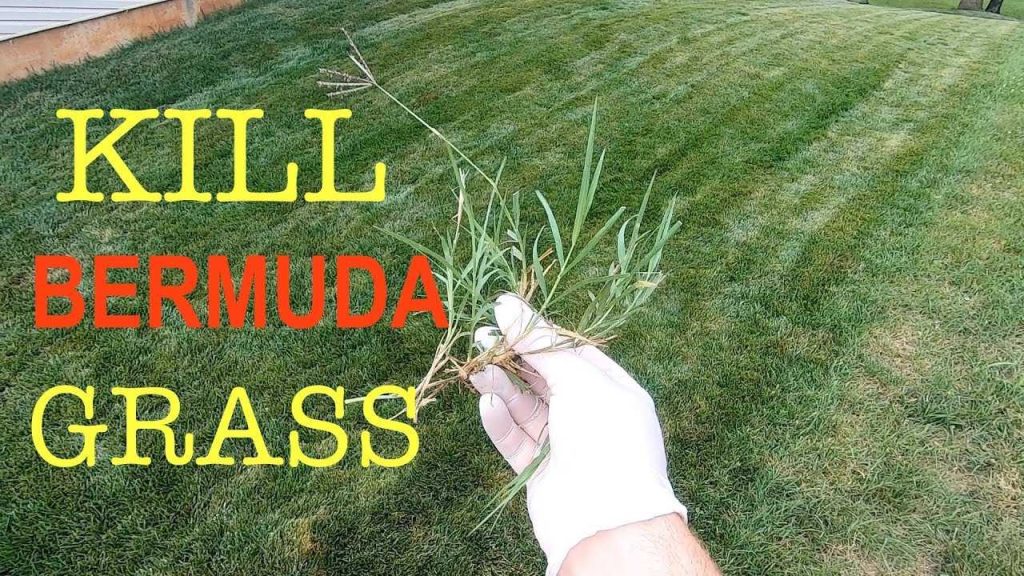
To eliminate bermuda grass from your fescue lawn quickly, start by manually removing the bermuda grass with a sharp spade or hoe, making sure to get rid of as much root system as possible. Follow up with a targeted herbicide designed for bermuda grass control, applied carefully to avoid damaging your fescue. Regular mowing and overseeding with fescue can help restore and strengthen your lawn, preventing bermuda from taking hold again.
Controlling bermuda grass in a fescue lawn can be challenging because bermuda is aggressive and spreads quickly, especially in warm weather. The key is a combination of physical removal, selective herbicides, and lawn maintenance practices to outcompete the bermuda. Patience and persistence are essential to restore the beauty of your fescue turf and keep bermuda at bay for good.

Getting Rid of Bermuda Grass in Fescue Lawn
Controlling Bermuda grass in a fescue lawn can be a challenge because Bermuda is a resilient warm-season grass, while fescue thrives in cooler weather. Understanding the differences between these grasses helps in planning an effective removal strategy. The goal is to eliminate Bermuda without damaging your lush fescue turf.
Understanding Bermuda Grass and Fescue Lawn Differences
Bermuda grass is a fast-growing, low-maintenance warm-season grass. It spreads through both seeds and underground runners called stolons and rhizomes, which make it tough to remove. Fescue, in contrast, prefers cooler temperatures and grows slowly, forming dense clumps.
Since Bermuda is aggressive and spreads rapidly, it tends to overtake fescue lawns if not managed early. Recognizing the physical differences, such as leaf texture and growth patterns, helps in identifying Bermuda grass accurately.
Why Is Bermuda Grass Difficult to Remove?
Bermuda’s extensive root system makes it tough to eradicate completely. Its stolons can grow beneath the surface, reaching far and sprouting new plants. Even small pieces of root can regenerate into full plants, leading to recurring patches.
This resilience means that simple mowing or pulling won’t fully remove Bermuda. Instead, a coordinated approach using herbicides, proper lawn care, and sometimes physical removal is necessary.
Assessing Your Lawn and Planning the Removal Process
Before starting, evaluate the extent of Bermuda grass intrusion. Is it confined to specific patches or spread throughout the lawn? Take note of the size and distribution to decide on the best control method.
Create a plan that includes the timing, tools needed, and methods to use. Planning ensures that Bermuda control aligns with your lawn’s health and upcoming seasons.
Best Time to Remove Bermuda Grass
The most effective time to eliminate Bermuda is during the late fall or early spring when the grass is actively growing. During this period, herbicides are absorbed better, and the target grass is most vulnerable.
Applying herbicides during these seasons reduces the chances of Bermuda spreading further and allows you to re-establish healthy fescue afterward.
Using Herbicides to Control Bermuda Grass
Choosing the Right Herbicide
Select a selective herbicide labeled for Bermuda grass control. Products containing glyphosate are non-selective and will kill all grass they contact, so they should be used carefully. For selective control, look for herbicides with active ingredients like fluazifop or quinclorac.
Always read and follow label instructions to prevent damage to your fescue and to ensure safety during application.
Application Technique
Apply herbicide on a dry, calm day to prevent drift to your fescue. Use a sprayer to target only Bermuda patches. Avoid over-application to minimize stress on the fescue.
Repeat treatments may be necessary, typically every two to four weeks, until Bermuda patches die off completely.
Physical Removal Methods
Manual Extraction
For small patches, manually pulling out Bermuda grass can be effective. Use a garden fork or spade to dig around the roots, removing as much of the underground runners as possible.
This method is labor-intensive but works well for small areas and when combined with herbicides.
Smothering
Cover Bermuda patches with a tarp, newspaper, or black plastic to block sunlight. Leave in place for several weeks to weaken and kill the grass. This method is eco-friendly and chemical-free.
Improving Soil and Lawn Care Practices
Soil Testing and Fertilization
Test your soil to ensure it is well-drained and has the proper pH for fescue. Fertilize appropriately to promote healthy fescue growth, which helps prevent Bermuda from re-establishing.
Proper Lawn Mowing and Watering
Maintain your fescue at the recommended height, generally around 2.5 to 3 inches. Water deeply but infrequently to encourage deep root growth, making your fescue more competitive against Bermuda.
Overseeding and Reseeding
After Bermuda patches die off, overseed with quality fescue seed to fill bare spots. Proper overseeding thwarts Bermuda’s re-invasion by thickening the turf.
Preventing Bermuda Grass from Coming Back
- Regular mowing at appropriate heights helps keep Bermuda from establishing.
- Maintain healthy, dense fescue to shade out Bermuda runners.
- Apply pre-emergent herbicides in early spring to prevent Bermuda seed germination.
- Limit soil disturbance to discourage Bermuda seed dispersal and root spread.
Long-Term Lawn Maintenance Strategies
A consistent lawn care regimen is key to keeping Bermuda at bay. Focus on proper fertilization, watering, mowing, and aeration to support a robust fescue stand.
Implementing these practices not only eliminates Bermuda but also promotes a resilient, attractive lawn.
Additional Tips for Bermuda Grass Control
- Avoid overwatering, which encourages Bermuda growth.
- Remove debris and thatch that can harbor Bermuda runners.
- Use a lawn rake to remove surface runners and dead Bermuda patches.
- Consult local lawn care experts for tailored advice based on your region and lawn conditions.
Controlling Bermuda grass in a fescue lawn takes patience and persistence. Combining chemical treatments with physical removal and proper lawn maintenance leads to better results. Consistently practicing these strategies helps ensure Bermuda doesn’t regain dominance and supports a beautiful, healthy fescue turf.
How we control Bermuda Grass in a fescue lawn.
Frequently Asked Questions
What are the most effective methods to remove Bermuda grass from a fescue lawn?
To eliminate Bermuda grass from your fescue lawn, start by manually pulling out as much of the Bermuda grass as possible, especially the underground runners or stolons. Apply a selective herbicide specifically designed to target Bermuda grass without harming fescue. Ensure you follow the manufacturer’s instructions carefully for safe and effective application. Regularly mow your lawn at the recommended height to discourage Bermuda grass growth and promote healthy fescue. Over time, combining these approaches helps control Bermuda grass and restores your yard’s appearance.
Can lawn renovation techniques help control Bermuda grass within a fescue lawn?
Yes, renovating your lawn can significantly reduce Bermuda grass presence. Consider aerating your soil to improve nutrient absorption and overseeding with high-quality fescue seed to encourage dense, healthy turf. Proper fertilization and watering schedules support strong fescue growth, which naturally crowds out Bermuda grass. In some cases, renovating might involve removing the topsoil to eliminate Bermuda grass roots before reseeding to ensure long-term control.
Is it necessary to replace the entire lawn to get rid of Bermuda grass in a fescue yard?
Not always. If Bermuda grass infestation is localized, you can target specific areas through spot treatments and manual removal, saving your existing fescue. However, if Bermuda grass dominates large portions of your yard or has deeply infiltrated the soil, you might consider resodding or overseeding the entire lawn. Assess the extent of the problem carefully to decide on the most practical approach for your situation.
What prevention strategies can prevent Bermuda grass from returning after removal?
Maintaining a dense, healthy fescue lawn is the best way to prevent Bermuda grass from re-establishing. Regular fertilization, proper mowing height, and consistent watering create unfavorable conditions for Bermuda grass. Additionally, applying a pre-emergent herbicide in the early spring can prevent Bermuda grass seeds from sprouting. Keep a close eye on your lawn throughout the year and address any new Bermuda grass growth promptly to maintain control.
Final Thoughts
Getting rid of bermuda grass in fescue lawn requires persistent efforts and proper techniques. Regular mowing and overseeding with fescue help strengthen your desired grass. Applying selective herbicides can target bermuda grass without harming the fescue. Consistent lawn care and patience will gradually improve your lawn’s health.