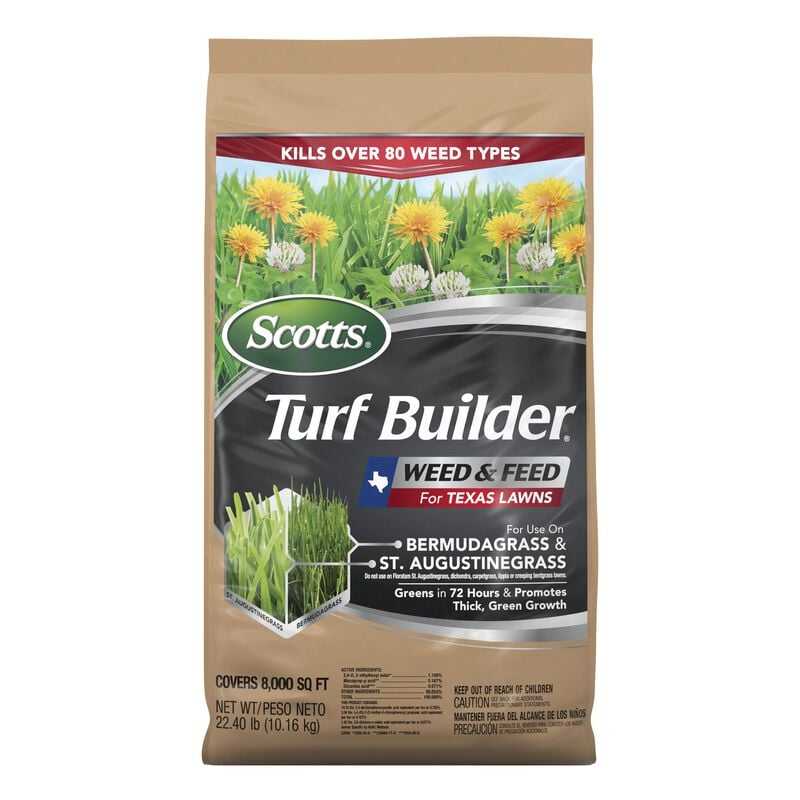
For quick results on Bermuda grass weed and feed, apply a targeted weed killer to eliminate weeds first, then follow up with a balanced fertilizer to promote lush, healthy turf. Timing is key—spring or early summer is ideal for best results. Always read labels carefully to ensure compatibility and safety.
Bermuda grass weed and feed products are essential tools for maintaining a beautiful, pest-free lawn. They work by simultaneously attacking unwanted weeds while nourishing your grass, saving you time and effort. Using these products properly can transform a stubborn, weed-infested yard into a dense, green paradise.
Keeping Bermuda grass healthy requires more than just regular watering; it’s about strategic weed control and proper fertilization. When weeds invade, they compete with your grass for nutrients and water, making your lawn look patchy and unhealthy. A well-chosen weed and feed product targets invasive weeds effectively while boosting your Bermuda grass’s growth, resilience, and vibrancy. Whether you’re tackling crabgrass, goosegrass, or other common weeds, knowing the right time and method to apply weed and feed is crucial for achieving that perfect, picture-worthy lawn.

Bermuda Grass Weed and Feed: How to Keep Your Lawn Healthy and Green
Understanding Bermuda Grass and Its Growth Patterns
Bermuda grass is a warm-season grass that thrives in sunny, hot climates. It spreads quickly through both roots and above-ground runners called stolons. This grass is popular because it forms a dense, lush turf that looks beautiful in summer. However, its aggressive growth can make it hard to control when weeds appear.
Bermuda grass grows most actively between late spring and early fall. At this time, it can quickly fill in bare spots and repair damaged areas. Its root system extends deep into the soil, making it resistant to drought but also more challenging to eliminate weed issues effectively.
Common Weeds That Invade Bermuda Grass Lawns
Despite its resilience, Bermuda grass is not immune to weed invasion. Several weeds tend to invade and compete for nutrients and space. Some of the most common weeds include:
- Crabgrass: A fast-growing weed that appears in the summer, often creating patches that disrupt the uniform look of the lawn.
- Bermuda Grass Weeds (like Annual Bluegrass): These are invasive that can spread quickly and compete with the main Bermuda grass for resources.
- Poa Annua (Annual Bluegrass): Usually appears in cooler seasons, forming patches that look different from Bermuda grass.
- Dallisgrass: A perennial grass that grows in clumps and can be difficult to remove once established.
Identifying these weeds early can help you choose the right weed and feed products to control them effectively.
The Benefits of Using Weed and Feed for Bermuda Grass
Applying weed and feed offers a dual advantage. It controls unwanted weeds while delivering essential nutrients to Bermuda grass. This approach helps maintain a healthy, vibrant lawn with minimal effort.
Using these products simplifies lawn care because you do not need to apply separate herbicides and fertilizers. Instead, you get a combined solution that saves time and effort. Additionally, regular application can prevent weeds from taking over, keeping your lawn looking neat and lush.
Choosing the Right Weed and Feed Product
Selecting the correct product requires understanding your specific lawn needs. Look for a product formulated for Bermuda grass and the particular weeds present in your lawn. Many products specify their effectiveness against crabgrass, annual bluegrass, or other common pests.
Important factors to consider include:
- Herbicide Type: Select a product with pre-emergent or post-emergent herbicides depending on weed type and growth stage.
- Nutrition Content: Ensure it contains balanced nitrogen, phosphorus, and potassium for optimal grass growth.
- Application Timing: Use products at the right time of year for best results, typically early spring or late summer.
- Safety: Follow label instructions carefully to avoid damaging your Bermuda grass or harming surrounding plants.
Researching products and reading reviews can help you make an informed choice for your lawn.
Proper Application Techniques for Bermuda Grass Weed and Feed
Applying weed and feed correctly is crucial for safety and effectiveness. Before application, mow your lawn to a height of about 1.5 to 2 inches. This allows better contact with weeds and nutrients.
When applying:
- Always follow the manufacturer’s instructions for quantity and timing.
- Use a broadcast or drop spreader for even coverage across the lawn.
- Apply on a day without wind or rain to prevent runoff and uneven distribution.
- Avoid applying during extreme heat or drought conditions to prevent stressing the grass.
After application, water your lawn lightly to help the fertilizer penetrate the soil and activate herbicides. Regular watering also prevents grass from stressing under chemical treatments.
Timing and Frequency of Weed and Feed Applications
Timing plays a key role in maximizing weed control and grass health. The best times to apply weed and feed are early spring and late summer to early fall.
In spring, the lawn begins its active growth cycle, so nutrients help it recover from winter dormancy. Fall applications reinforce root development and prepare the grass for winter.
Frequency depends on the product used and grass condition. Typically, applying every six to eight weeks during the active growing season is sufficient. Avoid over-application, which may damage the turf or lead to chemical buildup.
Managing Common Challenges with Bermuda Grass Weed and Feed
Some issues may arise after applying weed and feed. For example, over-application can cause brown patches or stunt growth. To avoid this, always adhere to the recommended amount.
If weeds persist, repeat treatments with a focus on different weed types. Soil testing can help assess nutrient deficiencies or pH imbalances affecting lawn health. Correcting these issues can improve the effectiveness of weed and feed products.
In cases of chemical sensitivity, consider spot-treating weeds instead of broad application. This approach minimizes harm to Bermuda grass while targeting problem areas.
Additional Tips for a Thriving Bermuda Grass Lawn
Maintaining a healthy Bermuda grass lawn involves more than just weed and feed. Proper mowing, watering, and aeration are essential.
- Mowing: Keep the mower blades sharp and mow regularly at the recommended height. This promotes dense growth and prevents weed seeds from establishing.
- Watering: Water deeply and infrequently to encourage deep root growth. Aim for about one inch of water per week.
- Aeration: Periodic aeration improves soil permeability, helping nutrients and water reach roots more efficiently.
By combining these practices with weed and feed applications, you create a healthy environment for Bermuda grass to thrive.
Environmental Considerations and Safe Use of Weed and Feed
Always use fertilizers and herbicides responsibly to protect the environment. Follow label directions carefully to prevent runoff that could harm local waterways.
Avoid application before heavy rainstorms to prevent chemicals from washing into ponds or lakes. Keep children and pets off treated areas until products have dried and settled.
Opt for eco-friendly or organic options when possible. These minimize chemical impacts while still providing effective weed control and fertilization.
Maintaining a lush Bermuda grass lawn requires regular care and attention. Using the right weed and feed products at appropriate times helps control invasive weeds and promotes healthy growth. Proper application techniques and consistent lawn maintenance create a beautiful, weed-free yard. By understanding your lawn’s needs and choosing the products carefully, you can enjoy a vibrant, green Bermuda grass lawn all season long.
Getting Rid of Weeds in your Bermuda Grass for Beginners
Frequently Asked Questions
What are the key benefits of using a weed and feed product on Bermuda grass?
Applying a weed and feed product to Bermuda grass helps eliminate common weeds while providing essential nutrients to the lawn. This dual action promotes healthy, dense turf that resists weed invasion over time. The fertilizer component encourages quick green-up and stronger root development, leading to a vibrant and resilient lawn.
When is the best time to apply weed and feed on Bermuda grass?
The optimal time to apply weed and feed on Bermuda grass is during its active growing season, typically in late spring or early summer. Applying when the grass is actively growing ensures better nutrient uptake and more effective weed control. Avoid application during dormancy or extreme heat, as it may reduce the product’s effectiveness and stress the grass.
How can I prevent damage to Bermuda grass while using weed and feed products?
To protect Bermuda grass, follow the manufacturer’s instructions carefully regarding application rates and timing. Avoid applying on excessively hot or dry days to prevent stress on the turf. Water the lawn lightly before application to help the product penetrate the soil evenly, and do not mow the grass immediately before or after treatment. These steps help ensure the product targets weeds without harming your Bermuda grass.
Are there specific weeds that weed and feed products effectively control on Bermuda lawns?
Yes, many weed and feed products are formulated to control common weeds such as crabgrass, dollarweed, and goosegrass that often invade Bermuda lawns. Check the product label to confirm which weeds it targets and ensure it is suitable for Bermuda grass, as some formulas may be more effective against certain weed types than others.
Can I use weed and feed products on newly established Bermuda grass?
It is best to wait until your Bermuda grass has become well-established, usually after 2 to 3 months of growth, before applying weed and feed. Applying too early may damage young grass, as it is more sensitive to chemical treatments. Once established, follow recommended application guidelines to promote healthy growth and effective weed control.
Final Thoughts
Bermuda grass weed and feed provides an effective solution to managing weed growth while nourishing your lawn. Regular application helps control weeds and promotes healthy, lush grass.
Using the right product ensures your lawn stays vibrant and free of invasive plants. Consistency remains key to maintaining a beautiful yard.
In conclusion, choosing Bermuda grass weed and feed supports a healthier, more attractive lawn. Proper use results in a thriving, weed-free environment, making your outdoor space look its best.