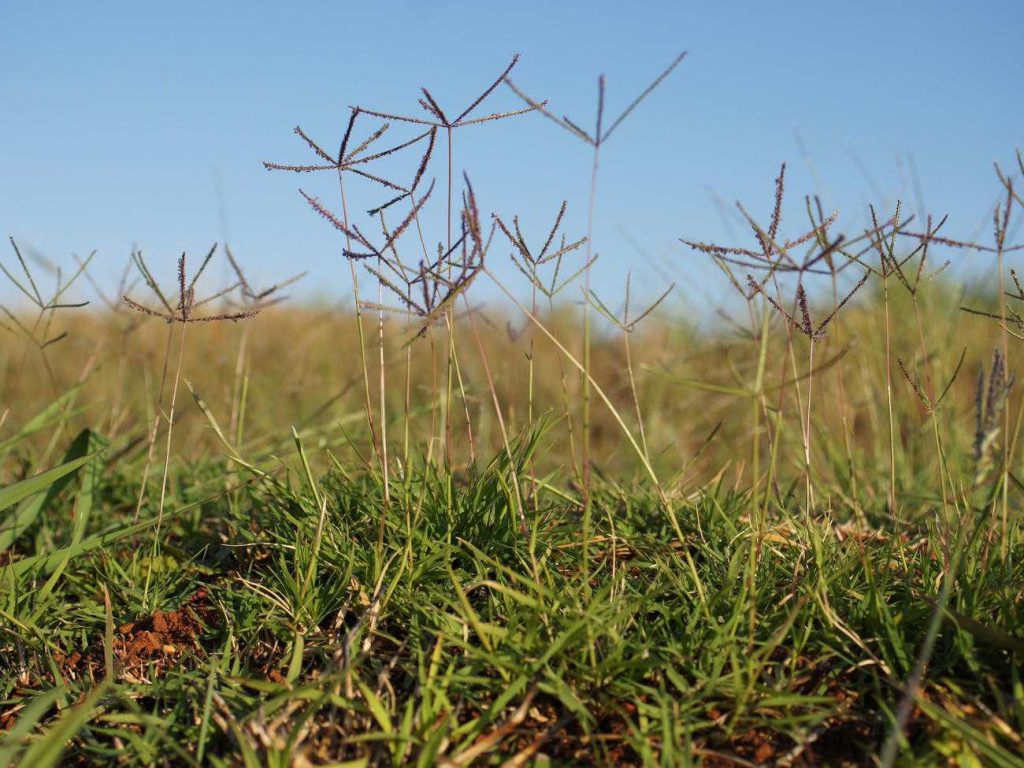
The quickest way to eliminate Bermuda grass is by using selective herbicides designed specifically to target it or through aggressive physical removal methods. These approaches help you effectively eradicate Bermuda without harming surrounding plants.
Bermuda grass, while popular for its durability and lush appearance, can sometimes become a stubborn invader in your yard. If you’re wondering what kills Bermuda grass only, the answer lies in specialized herbicides or persistent removal techniques. Understanding how to target this resilient grass can save you hours of frustration and restore your lawn’s beauty. In this article, we’ll explore the most effective solutions to get rid of Bermuda grass without damaging your desirable turf or garden plants. Whether you’re dealing with invasive patches or trying to reclaim your lawn, knowing the right methods will help you achieve a weed-free, healthy yard.

What Kills Bermuda Grass Only: A Complete Guide
Understanding Bermuda Grass and Its Resilience
Bermuda grass is a popular warm-season turf known for its durability and lush appearance. It thrives in hot climates and resists drought conditions well. However, this resilience makes it challenging to remove once unwanted.
Bermuda grass spreads quickly through both roots and runners, creating dense patches. Its deep root system can grow several feet underground, making selective removal difficult. Understanding its growth habits helps identify effective ways to kill it without harming surrounding plants.
Why Is It Difficult to Kill Bermuda Grass?
This grass species has a high tolerance for many common weed killers, especially broadleaf herbicides. Its tough underground runners and deep roots allow it to survive many treatments. Additionally, Bermuda grass can recover quickly after damage, which complicates eradication efforts.
Sometimes, normal lawn treatments are ineffective because Bermuda grass actively repairs itself. Because of this, homeowners need targeted strategies to eliminate Bermuda grass efficiently. Selective controls are essential when you want to kill Bermuda grass only, without harming other desirable plants.
Effective Methods to Kill Bermuda Grass Only
1. Use of Glyphosate-Based Herbicides
Glyphosate is a non-selective herbicide that destroys all plant tissue it contacts. When applied carefully, it can kill Bermuda grass without affecting nearby plants if used precisely.
- Apply glyphosate directly onto Bermuda grass during active growth periods, usually late spring or summer.
- Use a spray applicator with a shield to avoid drift onto other plants.
- Repeat applications may be necessary for complete eradication.
It’s crucial to follow safety instructions and avoid overspray to prevent damage to surrounding vegetation. Glyphosate works best when Bermuda grass is actively growing and not under stress from drought or temperature extremes.
2. Solarization Technique
Solarization involves covering Bermuda grass with clear plastic to trap heat. This method effectively kills the grass by raising the temperature to lethal levels.
- Cut Bermuda grass as low as possible to expose more surface area.
- Lay a clear plastic sheet directly over the area, sealing the edges with soil or rocks.
- Leave the plastic in place for six to eight weeks during the hottest months.
The intense heat generated under the plastic destroys the grass and its roots. Solarization is environmentally friendly and free of chemicals, making it suitable for organic gardens.
3. Smothering with Heavy Mulch or Cardboard
This method involves blocking sunlight from reaching Bermuda grass, preventing photosynthesis and eventually killing it.
- Apply a thick layer of mulch, such as wood chips or straw, at least four inches deep.
- Alternatively, lay down sheets of cardboard or newspaper before adding mulch.
- Ensure the covering extends beyond the grass edges to prevent light penetration.
Over several weeks, the grass will weaken and die due to lack of sunlight. This process is slow but effective and enhances soil quality as organic matter decomposes.
Selective Killing Strategies to Protect Surrounding Plants
Sometimes, you only want to kill Bermuda grass without harming desirable plants nearby. In these cases, tailored approaches are necessary.
Targeted Herbicide Application
Using a brush or sponge to apply herbicide directly onto Bermuda grass blades minimizes collateral damage.
- Use a glyphosate-based product for quick results.
- Carefully dab the herbicide onto the grass, avoiding contact with other plants.
- Repeat as needed every couple of weeks until Bermuda grass dies.
This method works well in mixed lawns or gardens with sensitive plants.
Spot Treatment with Vinegar
Vinegar is a natural, non-selective herbicide that can be used carefully on Bermuda grass.
- Mix white vinegar with a small amount of dish soap to improve adhesion.
- Apply directly to Bermuda grass on a sunny day for best results.
- Repeat as necessary to weaken the grass until it dies.
Be cautious because vinegar can harm other plants if it contact non-target areas.
Preventing Bermuda Grass Re-Growth
Once Bermuda grass is killed, preventing its return is essential. Proper landscaping and maintenance help keep it at bay.
Regular Lawn Maintenance
Maintaining a healthy, dense lawn discourages Bermuda grass invasion. Fertilize and water appropriately to promote thick turf growth.
Proper Overseeding
Introducing compatible grass species can outcompete Bermuda grass. Choose grasses suited for your climate and sunlight conditions.
Persistent Monitoring
Inspect your lawn regularly and address any Bermuda grass patches early before they spread. Spot treatments with herbicide or manual removal can prevent re-establishment.
Additional Tips and Precautions
Always wear protective gear when applying chemical herbicides. Test treatments on a small area first to gauge effects. Combining methods, such as solarization followed by targeted herbicide use, increases success rates.
Choose environmentally friendly options when possible, and avoid overusing chemicals to prevent soil and water contamination. Consistency and patience are key when eliminating Bermuda grass.
Related Topics to Explore
- Best lawn grasses to plant after Bermuda grass removal
- How to identify Bermuda grass in your lawn
- Natural alternatives for weed control in lawns
By understanding these methods and tips, you can effectively kill Bermuda grass only and restore your lawn’s health and beauty. Each approach has its pros and cons, so selecting the right method depends on your specific situation and environment.
Getting Rid of Weeds in your Bermuda Grass for Beginners
Frequently Asked Questions
Which chemicals specifically target Bermuda grass without harming other grasses?
Herbicides containing glyphosate effectively kill Bermuda grass alone when applied directly to the plants. Selective herbicides that are designed for grass types may also work if they are formulated to target Bermuda grass specifically. Always read the label carefully to ensure the product is safe for use around other desirable grasses and follow the recommended application instructions.
Are there natural methods that can eliminate Bermuda grass without damaging nearby plants?
Natural methods such as smothering Bermuda grass with heavy mulch or solarization using clear plastic sheets can be effective. These approaches deprive the grass of sunlight and warmth, gradually killing the plants. Make sure to monitor your efforts closely and be prepared for multiple treatments to fully eradicate Bermuda grass without affecting surrounding vegetation.
What environmental conditions can cause Bermuda grass to die off naturally?
Prolonged drought conditions and extreme heat often cause Bermuda grass to weaken and die naturally. Conversely, flooding can drown the roots, leading to plant death. Managing watering practices and avoiding excessive irrigation during peak drought times can help control Bermuda grass in a natural way, especially when combined with physical removal techniques.
Can specific mowing practices contribute to the gradual decline of Bermuda grass?
Yes, consistently mowing Bermuda grass too short can weaken the plants over time, making them more vulnerable to pests and disease. This stress can lead to the gradual decline of Bermuda grass. However, this method alone may not fully eliminate the grass and is best used alongside other removal strategies for more effective control.
Are there strategies to selectively eliminate Bermuda grass in mixed lawns?
Using targeted herbicide application on Bermuda grass patches helps eliminate it without damaging other grass varieties. Spot treatments allow you to focus on problem areas and reduce unnecessary chemical use. Regularly monitor your lawn to identify Bermuda grass growth early and treat it promptly for better control.
Final Thoughts
What kills bermuda grass only typically includes specific herbicides like glyphosate and selective weed killers. These chemicals target bermuda grass directly, ensuring others remain unaffected when applied correctly.
Proper application and timing are crucial to avoid damaging surrounding plants or grass types. Always follow product instructions carefully for effective results.
In summary, understanding what kills bermuda grass only helps in precise weed control. Using targeted herbicides effectively is key to eliminating bermuda grass without harming your lawn.